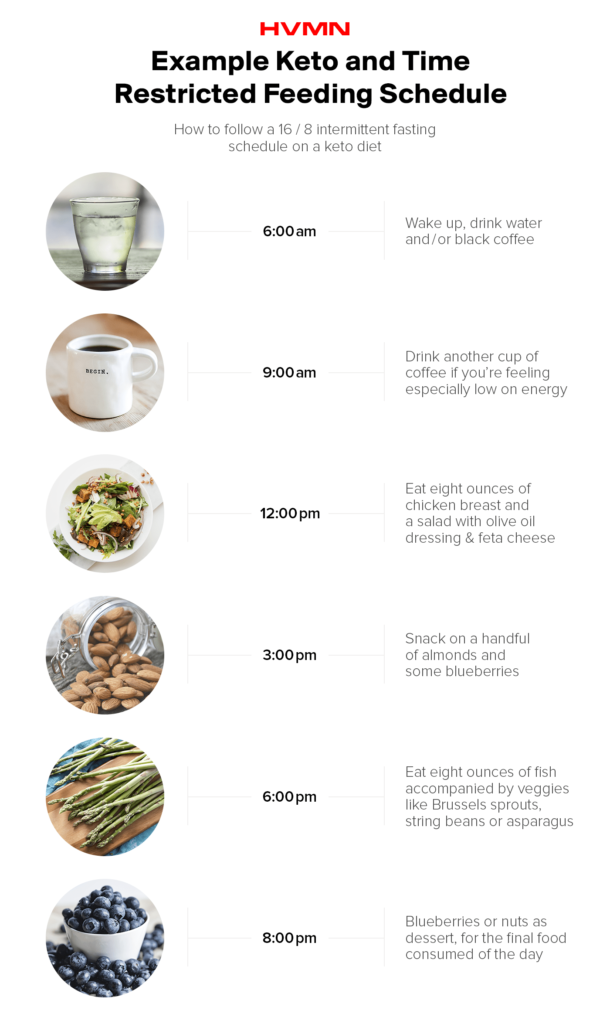
What if you could build solid, strong muscle while your body burns fat for fuel? Many believe that’s impossible on a low-carb plan.
This guide shows you how it’s done. We’re talking about a powerful way of eating that focuses on premium protein while keeping carbs very low. It fuels your fitness goals without stopping fat-burning.
You might think this diet is only about fats. But protein is the secret weapon for repair and growth. Getting the right balance is everything. For a deep dive on balancing your macros, check out our keto for beginners guide.
We’ll explore top-tier food sources that pack a punch. They support your muscle–building journey perfectly. You’ll also learn why this nutrient is non-negotiable for strength and recovery.
This plan works whether you’re new to this or a seasoned pro. Get ready for a clear, actionable path to a stronger, more lean physique. Let’s unlock your potential.
Key Takeaways
- Protein is essential for muscle repair and growth, even on a low-carb eating plan.
- A ketogenic diet can effectively support muscle building when your macronutrients are properly balanced.
- Selecting the right nutrient-dense food sources is crucial for maintaining ketosis.
- Strategic meal planning and preparation make it much easier to stay on track with your goals.
- Overall nutrition and health, not just protein intake, are vital for sustaining energy and performance.
- This approach is designed to be effective for both newcomers and experienced individuals.
- You will receive a practical, step-by-step plan for your daily meals.
Why Protein is Your Muscle-Building Ally on Keto
Building a powerful physique on a low-carb plan hinges on one key nutrient: protein. It’s the fundamental building block your body uses for repair and growth. Without enough, you simply cannot fix the micro-tears from exercise or create new tissue.
This is especially true when carbohydrates are limited. Your body switches to burning fat for fuel. Yet protein plays a critical, non-negotiable role in this state.
It preserves your hard-earned lean mass and prevents breakdown. This vital process is called muscle protein synthesis.
Think of it this way. Consuming adequate protein sends a clear signal to your body. It tells your system to build and repair. This turns your tough workouts into visible, solid results.
The benefits extend far beyond the gym. This nutrient supports your overall health in major ways.
It strengthens your immune system. It also keeps you feeling full and satisfied between meals. This makes sticking to your diet goals much easier.
For active individuals focused on muscle growth and recovery, needs are higher. Sports nutrition expert David Goldman, MS, RD, recommends an intake of about 1.6 grams per kilogram of body weight each day.
That’s roughly 108 grams daily for a 150-pound adult. This guideline is a great starting point for your nutrition plan.
On a ketogenic diet, your needs might be slightly higher. This helps offset a natural process called gluconeogenesis.
Your body can make glucose from protein. A bit extra ensures your muscles get all they need without risking your ketosis state.
Not all protein sources are created equal. Choosing high-quality options maximizes protein synthesis. The table below breaks down the key differences.
| Protein Type | Description | Common Food Sources | Best For Muscle Building? |
|---|---|---|---|
| Complete Proteins | Contain all nine essential amino acids your body cannot make. | Eggs, meat, poultry, fish, dairy. | Yes. They provide the full spectrum of building blocks. |
| Incomplete Proteins | Lack one or more essential amino acids. | Most nuts, seeds, grains, vegetables. | Can support goals when combined strategically with other foods. |
Protein works hand-in-hand with the fats on your plate. Together, they provide sustained energy and essential nutrients.
This synergy fuels your training and speeds up recovery. It’s a powerful combination for your health.
Timing matters too. Distributing your protein intake evenly throughout the day is smart. It keeps your muscles in a constant state of growth and repair.
By now, you should see this nutrient as your indispensable ally. It transforms your low-carb diet into a powerful tool.
Your goal is a strong, lean physique. With protein as your partner, that goal is within reach.
Your Essential Guide to 10 High-Protein Keto Foods
To build a strong body while in ketosis, your first step is mastering a simple but crucial calculation. This part of your plan is all about smart choices. You’ll learn how to pick powerful foods that support your goals without pushing you out of fat-burning mode.
Think of this as your personal roadmap. We’re about to explore ten fantastic categories of protein-rich options. They range from poultry and red meat to seafood, dairy, and even plant-based picks.
Each group brings unique benefits to your table. Some offer fast-digesting proteins for quick recovery. Others provide slow-release fuel that supports muscle growth all night long.
But first, you need the key to unlock them all. That key is understanding net carbs.
Understanding Net Carbs and Keto Compliance
Staying in ketosis isn’t about avoiding all carbohydrates. It’s about managing the ones that impact your blood sugar. This is where net carbs come in.
Net carbs are the carbs your body actually digests. You calculate them by taking total carbohydrates and subtracting dietary fiber and certain sugar alcohols.
Why does this matter? Fiber doesn’t spike your blood sugar. Your body doesn’t process it for energy. So, it doesn’t count against your daily limit.
Mastering this calculation gives you freedom. You can confidently add nutrient-dense vegetables, nuts, and seeds to your meals. See how it works in the examples below.
| Food (1 serving) | Total Carbs (g) | Fiber (g) | Net Carbs (g) |
|---|---|---|---|
| Almonds (1 oz) | 6 | 3.5 | 2.5 |
| Broccoli (1 cup, raw) | 6 | 2.4 | 3.6 |
| Flaxseeds (2 tbsp) | 4 | 3.8 | 0.2 |
Your next skill is reading nutrition labels with a keen eye. Look beyond the marketing. Focus on the protein content, the quality of fats, and that all-important net carb count.
Always choose whole, unprocessed food when you can. This maximizes nutrient density. It also helps you avoid hidden sugars and unhealthy fats that can slow your progress.
Remember, fiber is your friend on this diet. It supports digestive health and has a minimal effect on glucose levels. This allows you to enjoy many plant-based protein sources.
Pairing these high-protein sources with healthy fats is a powerful move. The fats enhance the absorption of key vitamins. They also provide the sustained energy you need for tough workouts.
By mastering net carbs and keto compliance, you gain control. You open the door to a varied, satisfying way of eating. This fuels your strength journey without any compromise.
Powerhouse Poultry: Lean and Mean Protein Sources
When you think of lean, powerful protein, poultry immediately comes to mind. These foods are staples for a reason. They deliver massive protein with minimal fat, making them perfect for your goals.
Chicken and turkey breast are incredibly versatile for meal prep. They fit into any plan focused on muscle building. Let’s break down why these two options are so effective.
Chicken Breast: The Classic Muscle-Builder
A three-ounce cooked serving of chicken breast packs about 26 grams of protein. It contains only 125 calories. This makes it a top post-workout fuel.
But it’s not just about the numbers. This source contains specific nutrients that boost performance.
- Creatine: Supports energy production directly in your muscles.
- Carnosine: Acts as an antioxidant to aid recovery.
- L-carnitine: Helps your body metabolize fat for fuel.
These compounds work together for growth and repair. The key is keeping it juicy and flavorful.
Try grilling, baking, or slicing it for salads. Simple seasoning like garlic powder and paprika adds taste without carbs. This prevents boredom in your diet.
Turkey Breast: The Versatile Lean Protein
Don’t save turkey just for the holidays. A three-ounce serving of turkey breast also provides 26 grams of protein. It has about 128 calories.
Its nutrients include beta-alanine and creatine. These support endurance and power output. This lean meat is a year-round superstar.
Use it in lettuce wraps, chopped salads, or keto-friendly “sandwiches.” It provides sustained energy without heavy fats. This keeps your nutrition on point.
Both chicken and turkey are rich in essential amino acids. These are the building blocks that directly stimulate muscle protein synthesis. They help you rebuild stronger after every session.
Incorporate these poultry options into your weekly plan. Batch cook several breasts at once for easy meals. Always choose skinless, lean cuts to control calories and fat intake.
This aligns perfectly with your goal for lean muscle development. By making poultry a regular part of your Keto approach, you ensure a steady supply of high-quality proteins. You’ll feel full, energized, and ready to perform.
Fantastic Red Meat: Packed with Muscle-Supporting Nutrients
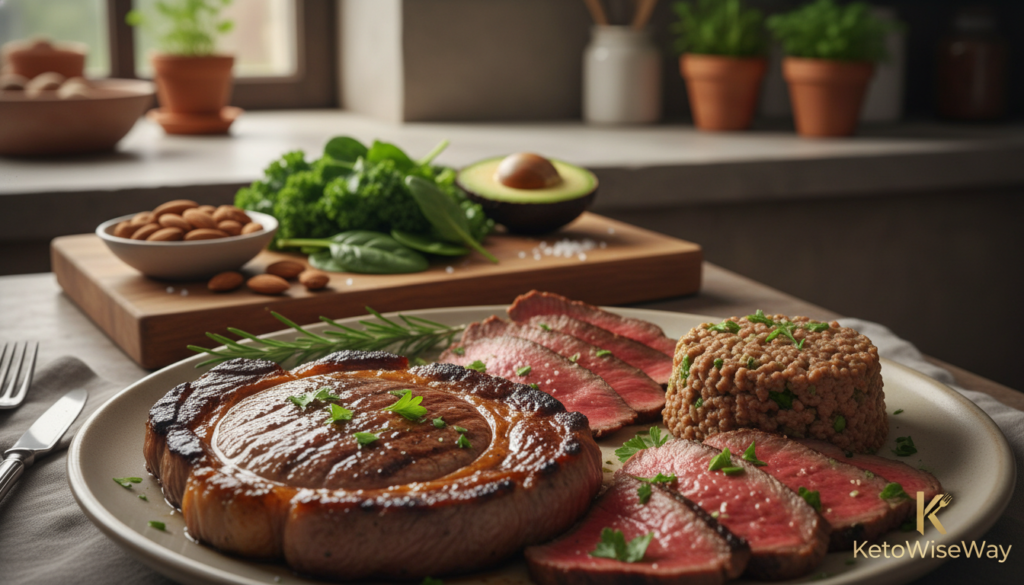
Beyond poultry, the world of red meat offers a robust suite of nutrients specifically geared toward enhancing strength and recovery. These foods are true powerhouses.
They deliver high-quality protein alongside unique compounds. These compounds directly support your performance in the gym and your recovery afterward.
Incorporating these options a few times a week can significantly boost your nutrition. You’ll fuel your body with the raw materials it needs for muscle growth and overall health.
Lean Beef: Rich in Creatine and Carnosine
Lean beef is a champion for anyone focused on strength. A three-ounce cooked serving provides about 25 grams of protein and 186 calories.
But its real magic lies in its special nutrients. It’s one of the best natural sources of creatine.
Creatine increases energy stores directly in your muscles. This leads to greater strength and power during your lifts. It also aids in faster recovery between sets.
Beef is also rich in carnosine. This antioxidant helps buffer acid in working muscles.
It delays fatigue and reduces soreness. This means you can train harder and more frequently.
Another key player is L-carnitine. This compound helps transport fatty acids into your cells.
There, they are burned for energy. This process helps preserve glycogen and amino acids for building new tissue.
Enjoy lean beef grilled, stir-fried with low-carb veggies, or in a hearty stew. It’s a perfect post-workout meal or a satisfying addition to any day.
Bison: A Lean, Heart-Healthy Alternative
For a slightly different profile, consider bison. This lean red meat is an excellent alternative.
A three-ounce serving of cooked, grass-fed ground bison has about 152 calories and 22 grams of protein. It contains zero carbs and only 7 grams of fat.
Its fat profile is particularly interesting. Bison is often grass-fed, which enriches its nutrients.
It tends to have higher levels of omega-3 fatty acids. These support heart health and fight inflammation.
Bison also contains conjugated linoleic acid (CLA). This dietary fat may aid in fat loss while helping to preserve lean mass.
A 2013 study suggested that bison might be a better choice than beef for reducing heart disease risk factors. This is due to its favorable fatty acid composition.
Both beef and bison provide essential minerals. They are fantastic sources of iron, crucial for oxygen transport in your blood.
They also supply zinc, a mineral vital for protein synthesis and immune function. Including them rounds out your diet with key vitamins and minerals.
| Nutrient (per 3 oz cooked) | Lean Beef (e.g., Sirloin) | Bison (Ground, Grass-fed) |
|---|---|---|
| Calories | 186 | 152 |
| Protein | 25 g | 22 g |
| Total Fat | 8 g | 7 g |
| Net Carbs | 0 g | 0 g |
| Key Performance Compounds | Creatine, Carnosine, L-carnitine, Beta-alanine | Higher Omega-3s, Conjugated Linoleic Acid (CLA) |
| Primary Benefit | Directly increases strength, power, and recovery. | Lean protein with a heart-healthy fat profile. |
Choosing between them often comes down to your specific calories and macronutrient goals. Both are outstanding proteins for your plan.
By including these fantastic red meats, you’re doing more than just eating food. You’re strategically fueling athletic performance and long-term health.
Superstar Seafood: Omega-3s for Recovery and Growth
Dive into the ocean’s bounty for a powerful combination of recovery-boosting fats and pure, lean protein. Seafood is a true superstar for your fitness plan.
It delivers high-quality proteins alongside unique healthy fats. These nutrients work together to reduce inflammation and speed up repair.
Making these foods a regular part of your day can transform how you feel after training. You’ll support muscle growth and overall health in one delicious move.
Salmon: Fatty Fish for Anti-Inflammatory Benefits
A three-ounce serving of cooked salmon provides about 17 grams of protein and 177 calories. Its real power comes from its rich omega-3 fatty acid content.
These fats, specifically EPA and DHA, are renowned for their anti-inflammatory effects. Studies suggest they can reduce exercise-induced muscle damage.
This means you may experience less soreness and quicker recovery. The DHA in salmon also promotes brain health and cognitive function.
It can give you mental clarity during intense training sessions. Enjoy its benefits with these simple ideas:
- Bake a fillet with lemon and herbs for a hands-off meal.
- Grill salmon steaks for a smoky, flavorful dinner.
- Flake cooked salmon into a salad or make keto-friendly lettuce tacos.
Tuna & Other White Fish: Ultra-Lean Protein Power
When you need pure protein without extra calories, look to tuna and fish like cod. A three-ounce serving of tuna packs about 17 grams of protein with only 73 calories and 1 gram of fat.
It’s an ultra-lean source that fits perfectly into your plan. Canned tuna is a convenient and affordable staple.
Choose water-packed varieties to control fat intake. Then, create quick meals like simple salads or hearty bowls with avocado and greens.
Other white fish, such as cod or halibut, offer similar profiles. They are mild in flavor and incredibly versatile for baking, pan-searing, or air-frying.
Shrimp and Scallops: Pure Protein with Minimal Calories
Shellfish like shrimp and scallops are almost pure protein. A 100-gram serving of shrimp delivers a whopping 24 grams of protein with about 99 calories and zero carbs.
Scallops are equally impressive. Three ounces provide around 17 grams of protein and fewer than 100 calories.
These options are incredibly quick to cook and versatile. Think shrimp stir-fries with low-carb vegetables or grilled scallops with a butter sauce.
You can even add them to a keto-friendly “paella” using cauliflower rice. Their high protein content helps you meet your daily needs without hassle.
| Seafood (Cooked Serving) | Calories | Protein | Net Carbs | Key Benefit |
|---|---|---|---|---|
| Salmon (3 oz) | 177 | 17 g | 0 g | Rich in anti-inflammatory omega-3s for recovery. |
| Tuna (3 oz) | 73 | 17 g | 0 g | Ultra-lean, pure protein source. |
| Shrimp (100 g) | 99 | 24 g | 0 g | Maximum protein with minimal calories. |
| Scallops (3 oz) | 17 g | 0 g | Lean, delicate protein that cooks fast. |
The amino acid profile in seafood is particularly rich in leucine. This is the primary trigger for muscle protein synthesis.
By making seafood a regular part of your diet, you harness a dual advantage. You get the building blocks for growth and the nutrients that minimize breakdown.
This one-two punch accelerates recovery and helps you build a more lean physique efficiently. Your nutrition strategy just got a major upgrade from the sea.
Dairy Delights: Slow and Fast-Digesting Proteins
Unlock a steady stream of muscle-building fuel with a category of foods celebrated for its versatility and nutrient density. Dairy products are a keto-friendly treasure trove, offering both fast and slow-digesting proteins.
This dynamic duo supports repair and growth throughout the day and night. Fast-acting whey gives your body an immediate boost. Slow-release casein provides a prolonged trickle of amino acids.
Together, they ensure your hard-working tissues have the building blocks they need, exactly when they need them. Let’s explore the best options to add to your plate.
Eggs: The Perfect Protein (Don’t Skip the Yolk!)
Often called nature’s perfect protein, eggs contain all nine essential amino acids in ideal ratios. One large egg provides about 6 grams of protein and only 72 calories.
Don’t make the mistake of skipping the yolk. It holds over 40% of the total protein content. It’s also packed with crucial nutrients like choline for brain health and vitamin D.
Research shows why the whole egg reigns supreme. A study found that consuming whole eggs after strength training led to greater muscle growth compared to egg whites alone.
The yolk’s nutrient density makes the difference. Enjoy them hard-boiled for a quick snack, scrambled for breakfast, or in an omelet packed with low-carb veggies.
Greek Yogurt & Cottage Cheese: Casein for Sustained Repair
For long-lasting support, turn to Greek yogurt and cottage cheese. Both are rich in casein, a protein digested slowly by your body.
This provides a steady stream of amino acids to your muscles for hours. It’s ideal for sustained repair, especially when consumed before bed.
A 7-ounce container of plain, low-fat Greek yogurt offers about 20 grams of protein. One cup of low-fat cottage cheese packs a whopping 28 grams.
Always choose plain, unsweetened varieties to avoid added sugars. Enhance them with keto-friendly toppings like a handful of nuts or a sprinkle of seeds for extra fat and fiber.
Hard Cheeses: Concentrated Protein and Flavor
Hard cheeses like cheddar, parmesan, and string cheese are concentrated sources of protein and fat. They add big flavor with minimal carbohydrate impact.
A typical cheese stick provides about 6 grams of protein. This makes hard cheeses perfect for on-the-go snacks.
You can also shred them over salads or meals to easily boost your daily protein intake. They’re a delicious and convenient way to stay on track.
| Dairy Food | Serving Size | Protein (g) | Net Carbs (g) | Key Benefit | Best For |
|---|---|---|---|---|---|
| Eggs (Whole) | 1 large | 6 | ~0.6 | Complete amino acid profile; yolk nutrients enhance muscle protein synthesis. | Post-workout recovery, any meal. |
| Greek Yogurt (Plain) | 7 oz container | 20 | 8 (check label) | Rich in slow-digesting casein for prolonged amino acid release. | Bedtime snack, afternoon satiety. |
| Cottage Cheese (Low-fat) | 1 cup (226g) | 28 | ~6 | Extremely high protein content; very satiating. | High-protein meal base, pre-bed snack. |
| Hard Cheese (e.g., Cheddar) | 1 oz / 1 stick | ~6-7 | Concentrated, portable protein and fat source. | Quick snacks, flavor enhancement. |
By incorporating these dairy delights into your diet, you benefit from a strategic mix of protein digestion rates. This approach supplies a constant flow of building blocks, supporting optimal recovery and lean mass development.
It’s a tasty and effective part of optimizing your keto macros for strength. Your muscles will thank you around the clock.
Plant-Based Keto Proteins: Options for Everyone
Adding variety to your meals while staying in ketosis is possible with nutrient-dense plant foods. They support muscle function and recovery in unique ways.
These options deliver more than just protein. They bring essential fiber, healthy fats, and key minerals to your plate.
This makes your overall nutrition plan more sustainable and enjoyable. Let’s explore two fantastic categories.
Hemp Seeds: A Complete Protein with Magnesium and Zinc
Hemp seeds are a true powerhouse. Just three tablespoons (hulled) provide 9.5 grams of complete protein and 166 calories.
They contain all nine essential amino acids your body needs. This makes them a rare complete plant source.
Their mineral content is equally impressive. This serving offers over half the Daily Value for magnesium and one-third for zinc.
Magnesium is crucial for muscle contraction and energy production. Zinc plays a direct role in protein synthesis and immune function.
They also provide about 30% of the DV for iron for men. Iron helps deliver oxygen to working muscles.
Adding hemp seeds to your diet is simple. Sprinkle them on salads, blend into smoothies, or mix into keto-friendly baked goods for a nutrient boost.
Almonds and Peanut Butter: Protein-Packed Healthy Fats
Almonds and natural peanut butter offer a satisfying combo. They help you stay full and fueled between meals.
A 1.5-ounce serving of almonds has about 254 calories and 9 grams of protein. It contains 8 grams of carbs, with 5 grams coming from fiber.
They are packed with vitamin E. This antioxidant helps combat exercise-induced inflammation.
Natural peanut butter (no added sugar) is another great option. A two-tablespoon serving provides 10 grams of protein and 187 calories.
Portion control is key due to its calorie density. The fiber in these foods aids digestion and helps manage net carbs.
This ensures you benefit from their protein content while staying in ketosis.
| Food | Serving | Protein | Net Carbs | Key Nutrients & Benefits |
|---|---|---|---|---|
| Hemp Seeds | 3 Tbsp (hulled) | 9.5 g | ~1 g | Complete protein; rich in Mg, Zn, Fe for muscle function & synthesis. |
| Almonds | 1.5 oz | 9 g | 3 g | High in Vitamin E & fiber; supports satiety and recovery. |
| Natural Peanut Butter | 2 Tbsp | 10 g | 4 g | Protein and healthy fats; great for energy and muscle support. |
Plant proteins can be lower in certain amino acids than animal sources. Combining them strategically within your daily intake still effectively supports muscle growth.
By including these options, you add important dietary variety and micronutrients. This makes your plan sustainable for the long term.
Your health and building goals are well-supported with a diverse plate.
How Much Protein Do You Really Need to Build Muscle?
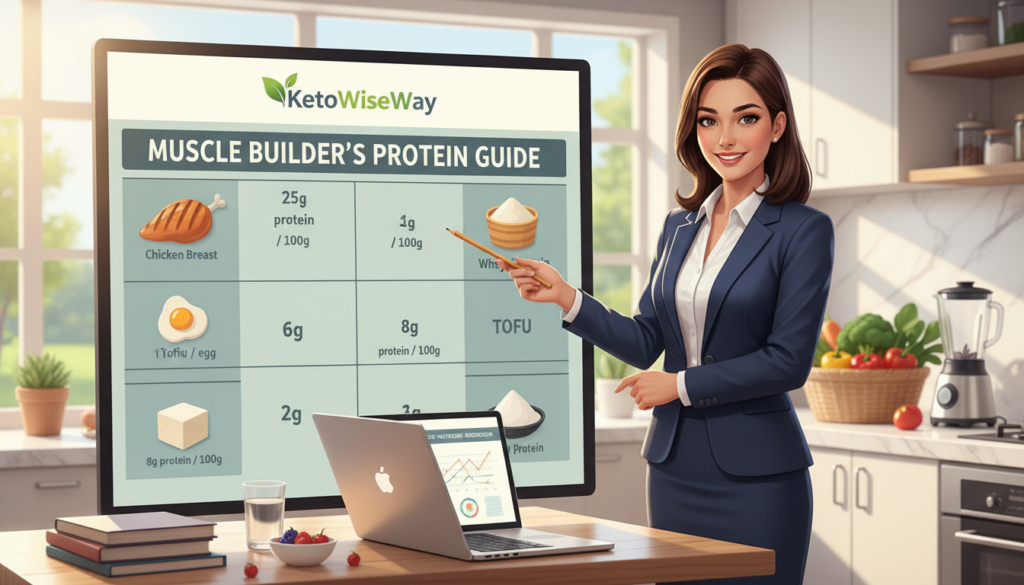
Let’s cut through the confusion and pinpoint exactly how much protein supports your goals. Getting this number right is crucial. It maximizes muscle growth without overdoing calories or risking your ketosis state.
For active people, science points to a clear range. Research suggests consuming 1.4 to 2.0 grams of protein for each kilogram of your body weight every day.
Many experts find 1.6 grams per kilogram to be a perfect sweet spot. It’s ideal for consistent muscle building and recovery.
Here’s how to do the math. First, convert your weight from pounds to kilograms. Divide your weight in pounds by 2.2.
Then, multiply that number by your target grams of protein. For example, a 150-pound adult weighs about 68 kilograms.
Multiply 68 kg by 1.6 g/kg. This person would aim for roughly 109 grams of protein daily.
| Body Weight (Pounds) | Body Weight (Kilograms) | Daily Protein Target (using 1.6 g/kg) |
|---|---|---|
| 130 lbs | 59 kg | 94 grams |
| 150 lbs | 68 kg | 109 grams |
| 180 lbs | 82 kg | 131 grams |
| 200 lbs | 91 kg | 146 grams |
Your needs on a ketogenic diet might be a touch higher. This accounts for a natural process called gluconeogenesis.
Your body can convert some protein into glucose if needed. A slightly higher intake ensures your muscles get all the amino acids they require.
It also helps prevent any loss of lean mass. Several key factors influence your personal requirement.
- Age: Older adults often benefit from more protein to combat natural muscle loss.
- Training Intensity: Harder, more frequent workouts increase your need for repair.
- Overall Calorie Intake: If you’re eating in a deficit, higher protein helps preserve muscle.
Listening to your body‘s signals is essential. Consistent energy, good recovery, and strength gains are positive signs.
The magic happens through a process called muscle protein synthesis. This is how your body builds new tissue.
Consuming adequate protein at each meal maximizes this process. It keeps you in a constant state of repair and growth.
Distributing your daily protein across 3-4 meals, with each containing 20-40 grams, is an effective strategy to stimulate protein synthesis throughout the day.
Is there an upper safe limit? For most healthy individuals, intakes up to 2.2 g/kg are safe.
Excessively high amounts are unnecessary. They won’t boost muscle growth further and could, for some, impact ketosis.
Tracking your intake takes the guesswork out. Use a simple food diary or a nutrition app.
Log your food sources for a few days. This shows you exactly where you stand.
Adjust your targets based on your progress and how you feel. Your nutrition plan should evolve with you.
Remember, protein is just one part of the puzzle. Balance it with sufficient healthy fats and low-carb vegetables.
This creates a well-rounded plate that supports overall health and performance. It provides all the essential nutrients and energy you need.
By the end of this section, you should have a clear, personalized target. This number empowers your food choices.
It guides you toward a stronger, more defined physique. You now have the knowledge to fuel your journey effectively.
Timing Your Protein: Pre, Post, and Throughout the Day
Beyond simply hitting your daily protein target, when you consume it can significantly impact your results. While total daily intake is most important, smart timing optimizes muscle protein synthesis. This strategy enhances recovery and supports around-the-clock growth.
Think of it as fine-tuning your engine. You’re providing the right fuel at the right time for peak performance.
The Anabolic Window: Myth or Fact?
You’ve likely heard of the “anabolic window.” This is the period after exercise when your muscles are extra receptive to nutrients. For years, people believed you had just 30 minutes to consume protein.
Current evidence paints a more flexible picture. Consuming protein within a few hours post-workout is highly beneficial. But don’t panic if you miss the immediate window.
Consistent daily intake matters much more. Your body remains primed for repair for several hours.
To maximize this period, focus on a balanced post-workout meal. Combine fast-digesting proteins with keto-friendly carbs.
- Fast Protein: Whey isolate, eggs, or lean poultry.
- Keto Carbs: Leafy greens, broccoli, or avocado to replenish glycogen without spiking blood sugar.
This combo kickstarts recovery efficiently. It provides the building blocks your tissues need.
Why Bedtime Protein Can Be Beneficial
Overnight fasting can lead to muscle breakdown. Your body needs amino acids even while you sleep. A protein-rich snack before bed can counteract this.
It promotes repair and growth during rest. This is where slow-digesting sources shine.
Casein in dairy is absorbed slowly. Amino acid levels stay high in your bloodstream for a longer period.
This steady release may help with muscle repair, particularly when consumed before bed. Excellent options include cottage cheese or Greek yogurt.
A small serving provides a sustained trickle of fuel. It helps you wake up feeling recovered and strong.
Distributing your protein evenly across the day is a powerful habit. Aim for 3-4 meals, each with 20-40 grams.
This pattern continuously stimulates protein synthesis. It keeps your muscles in a positive building state.
Pre-workout protein also offers advantages. Having amino acids available during your session can reduce damage.
It also kickstarts the recovery process early. A light snack 1-2 hours before training works well.
Adapt these strategies to your personal schedule. Whether you train in the morning or evening, the principles stay the same.
Fuel your body strategically before and after activity. Then, support it with steady nutrition throughout the day and night.
“For maximizing muscle protein synthesis, spreading protein intake evenly across meals, including a dose before sleep, is a practical and evidence-based approach,” notes a sports nutrition review.
By mastering protein timing, you maximize every gram you consume. This leads to better recovery, less soreness, and accelerated gains.
Your diet becomes a precise tool for building a strong, lean physique. It’s the final piece of the puzzle for your health and performance goals.
Building Your Plate: Sample Keto Muscle-Building Meals
Translating your protein targets into delicious, satisfying meals is the final, most enjoyable step. This is where theory meets your plate. You’ll see how simple it is to create food that supports your strength and recovery.
Each dish combines high-quality proteins with healthy fats and low-carb vegetables. This balance provides sustained energy and essential nutrients. Your body gets exactly what it needs for repair and growth.
Post-Workout Power Meal Ideas
After a tough session, your muscles crave specific nutrients. Focus on fast-digesting protein and easily absorbed carbs from veggies. This combo replenishes glycogen without spiking blood sugar.
Try a grilled chicken breast with a side of sautéed spinach and avocado. The poultry provides pure protein for immediate repair. Spinach offers iron and magnesium, while avocado adds healthy fat.
Another fantastic option is a salmon fillet with roasted asparagus. Drizzle it with olive oil for extra flavor. The fish delivers omega-3 fatty acids to reduce inflammation and support tissue repair.
For a heartier choice, consider a lean beef stir-fry with broccoli and peppers. The meat supplies creatine and carnosine for strength. The colorful veggies pack vitamins and fiber.
Mastering portion control makes everything easier. Use this simple visual guide for any meal.
| Plate Component | Portion Guide | Example Foods |
|---|---|---|
| Protein Source | Palm-sized (approx. 3-4 oz cooked) | Chicken, salmon, turkey, lean steak, eggs. |
| Non-Starchy Vegetables | Generous serving (2+ cups raw) | Spinach, broccoli, asparagus, zucchini, leafy greens. |
| Healthy Fats | Thumb-sized portion | Avocado, olive oil, nuts, seeds, butter. |
This method ensures you hit your macros without complex counting. It’s a practical approach for consistent nutrition.
Simple High-Protein Keto Snacks
Smart snacking bridges the gap between meals. It provides a steady amino acid supply to keep muscle building active. Always have these options ready to avoid less ideal choices.
Hard-boiled eggs are a classic. They’re portable and packed with complete protein. Sprinkle them with a little salt for extra electrolytes.
String cheese or a few cubes of hard cheese offer quick protein and fat. Pair them with a handful of almonds for crunch and extra fiber.
Cottage cheese is a superstar. A single serving delivers a massive protein punch. Stir in some hemp seeds for magnesium and zinc.
For a savory treat, make turkey roll-ups. Take a slice of deli turkey, spread with cream cheese, and roll it up. It’s satisfying and virtually carb-free.
Prepping these snacks in advance is a game-changer. Dedicate an hour on Sunday to boil eggs, portion nuts, and slice cheese. Store them in clear containers for easy access.
Dining out doesn’t have to derail your progress. Apply the same principles you use at home. Choose grilled meats or fish as your main source.
Ask for extra vegetables instead of starchy sides. Request sauces and dressings on the side to control hidden sugar and calories. Most restaurants are happy to accommodate.
For more strategies on navigating social situations and sticking to your plan, explore our expert keto living tips.
By following these sample meals and snacks, you make your goals tangible. You’ll discover that meeting your protein intake is both easy and enjoyable. Your kitchen becomes a powerful partner in crafting a stronger, more defined physique.
Foods to Limit for Optimal Keto Muscle Growth
Achieving your physique goals isn’t just about what you eat—it’s also about what you wisely leave off your plate. To truly optimize muscle growth on a low-carb plan, knowing what to limit is just as crucial as knowing what to embrace.
Certain foods can actively hinder your progress. They may cause inflammation, knock you out of ketosis, or provide empty calories without the nutrients needed for repair.
Ultra-processed items and those with added sugars are prime culprits. They can cause rapid spikes in your blood sugar. This disrupts your metabolic state and can promote fat storage instead of lean muscle development.
Sugar-sweetened beverages, including some diet sodas, deserve special caution. They can disrupt natural hunger signals and potentially impact insulin sensitivity. This makes it harder for your body to efficiently use protein for building.
Alcohol’s impact on muscle growth is significant. It can directly impair protein synthesis, the very process that builds new tissue. It may also reduce testosterone levels, dehydrate you, and slow down recovery.
Moderation is key with alcohol. For those focused on serious strength gains, limiting consumption ensures your nutrition and recovery efforts aren’t undermined.
Deep-fried and greasy foods are often loaded with unhealthy trans fats and inflammatory oils. These can increase oxidative stress in your body. This added stress can slow your recovery from tough workouts, delaying your results.
Refined carbohydrates like bread and pasta are obvious exclusions. But beware of so-called “keto-friendly” processed snacks too. Some contain sugar alcohols like maltitol, which can affect blood sugar for sensitive individuals and disrupt digestion.
Learning to read labels is a superpower. Hidden sugars and starches lurk in sauces, dressings, and even packaged meats. They can sneak in carbs that undermine your daily intake goals.
Focus on the whole, nutrient-dense food sources we’ve highlighted. Relying on real food rather than processed products gives your body the quality fuel it deserves.
| Food Category to Limit | Primary Reason | Impact on Muscle Growth |
|---|---|---|
| Added Sugars & Sweetened Drinks | Spikes blood sugar, promotes fat storage, provides empty calories. | Disrupts ketosis, reduces insulin sensitivity, hinders nutrient partitioning for repair. |
| Alcohol | Impairs protein synthesis, can lower testosterone, causes dehydration. | Directly slows the muscle repair and building process, hampers recovery. |
| Deep-Fried & Greasy Foods | High in inflammatory oils and unhealthy fats, increases oxidative stress. | Prolongs workout recovery time, can contribute to systemic inflammation. |
| Ultra-Processed “Keto” Snacks | Often contain questionable additives, fillers, or problematic sugar alcohols. | May cause digestive issues or blood sugar swings, displacing whole food nutrients. |
By being mindful of these items, you create a clean, effective diet. This approach supports rapid muscle growth, sustained energy, and overall health.
Remember, the goal is consistency, not perfection. Making better choices most of the time will yield significant results in your building endeavors. Your dietary focus should empower your strength journey.
Conclusion: Fuel Your Strength Journey with Keto-Friendly Protein
You’ve now equipped yourself with a powerful blueprint for transforming your physique through smart nutrition. This guide has shown you how to prioritize high-quality protein within a low-carb framework.
You understand its vital role in muscle repair and overall health. We’ve explored various foods and sources, from poultry to plant-based options. Each offers unique benefits for your body and supports lean mass growth.
Timing your intake around activity and sleep can optimize results. Your meals should balance protein with healthy fat and essential nutrients from low-carb vegetables.
Stay consistent with your nutrition and training. Track your progress and adjust as needed. Your strength journey is unique.
Keep this guide handy for reference. Enjoy the process of becoming a stronger, healthier you. Here’s to your success!