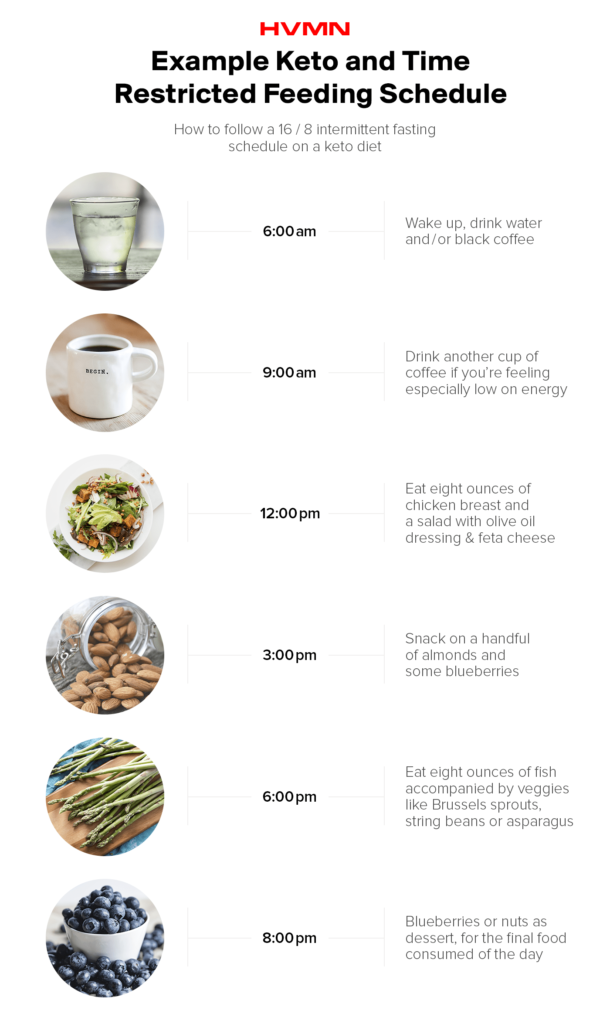
Maintaining a balanced diet can be challenging, especially with busy schedules. Meal planning is a simple yet effective way to ensure you’re eating nutritious food without the daily stress.
By planning your meals in advance, you can save time, reduce food waste, and make healthier choices. According to experts, healthy eating habits are crucial for overall well-being, and a well-structured meal planning guide can make all the difference.
In this article, I’ll walk you through a simple step-by-step process to create a healthy weekly meal plan that suits your lifestyle and dietary needs.
Key Takeaways
- Understand the importance of meal planning for a balanced diet
- Learn how to save time and reduce stress with meal planning
- Discover a simple step-by-step guide to creating a healthy weekly meal plan
- Explore tips for making healthier food choices
- Find out how meal planning can help reduce food waste
Understanding the Importance of Meal Planning
Meal planning is a crucial step towards achieving a balanced lifestyle, and understanding its importance can significantly impact our daily lives. By planning meals in advance, individuals can ensure they are consuming a balanced diet, rich in essential nutrients.
Benefits of Meal Planning for Health
Meal planning has numerous health benefits, including:
- Promoting healthy eating habits by ensuring a balanced intake of nutrients.
- Allowing for the inclusion of a variety of foods, reducing the risk of nutrient deficiencies.
- Helping to manage or prevent certain health conditions through dietary adjustments.
By focusing on meal prep, individuals can take control of their nutritional intake, leading to overall better health.
Time and Cost Savings
One of the significant advantages of meal planning is its potential for time and cost savings. By planning meals, individuals can:
- Create a more efficient grocery list, reducing food waste and saving money.
- Avoid last-minute, often expensive, dining decisions.
- Prepare meals in bulk, saving time during the week.
This approach not only streamlines daily routines but also helps in sticking to a balanced diet without breaking the bank.
Stress Reduction in Daily Cooking
Meal planning can significantly reduce stress associated with daily cooking. By having a plan, individuals can:
- Eliminate the daily decision of “what to cook,” reducing mealtime stress.
- Prepare for busy days with quick, healthy meal options.
- Enjoy a more relaxed cooking experience, knowing that meals are planned.
This stress reduction contributes to a more enjoyable cooking experience and a healthier relationship with food.
Assessing My Nutritional Needs
Understanding my nutritional needs is the foundation of creating a healthy weekly meal plan. To do this effectively, I need to consider several key factors that influence my dietary requirements.
Understanding Macronutrients
Macronutrients are the body’s energy sources and are crucial for maintaining overall health. They include carbohydrates, proteins, and fats. Each plays a unique role: carbohydrates provide energy, proteins support muscle growth and repair, and fats are essential for brain function and hormone production.
To ensure a balanced diet, it’s essential to understand the recommended daily intake of these macronutrients. Generally, the dietary guidelines suggest that carbohydrates should make up 45-65% of daily calories, proteins 10-35%, and fats 20-35%.
How to Calculate My Daily Caloric Needs
Calculating my daily caloric needs is vital to ensure I’m consuming enough energy to support my bodily functions and activities. The Basal Metabolic Rate (BMR) is a good starting point, as it estimates the calories my body needs at rest.
To determine my total daily energy expenditure, I’ll need to factor in my activity level. This involves multiplying my BMR by an activity factor that corresponds to my lifestyle, whether I’m sedentary, lightly active, moderately active, or very active.
Special Dietary Considerations
Some individuals have special dietary needs due to health conditions, allergies, or personal preferences. For instance, those with diabetes need to manage their carbohydrate intake, while individuals with gluten intolerance must avoid gluten-containing foods.
Understanding these special considerations is crucial for creating a meal plan that is not only healthy but also safe and enjoyable. It’s about finding the right balance and making informed choices that cater to my specific needs.
By assessing my nutritional needs and understanding the importance of macronutrients, daily caloric intake, and special dietary considerations, I can create a personalized meal plan that supports my health and well-being.
Setting Realistic Goals for My Meal Plan
Before diving into meal planning, it’s vital to define realistic goals that work for you. Setting achievable objectives helps in maintaining a consistent and healthy meal plan. This step is crucial as it directly influences the success of your meal planning efforts.
Short-term vs. Long-term Goals
When setting goals for your meal plan, it’s essential to differentiate between short-term and long-term objectives. Short-term goals might include planning meals for the next week, while long-term goals could involve adopting a specific dietary habit for several months. Understanding this distinction helps in creating a more effective meal plan.
For instance, a short-term goal could be to prepare healthy meals for the next five days, while a long-term goal might be to reduce your daily calorie intake by 500 calories over the next three months. Balancing both types of goals ensures a sustainable meal planning strategy.
Setting a Weekly Budget
Determining a weekly budget for groceries is a critical aspect of meal planning. It helps in planning meals around affordable ingredients, thus ensuring that your meal plan is not only healthy but also economically viable. To set a realistic budget, consider your weekly grocery expenses and look for ways to optimize them.
- Plan meals around seasonal produce to save money.
- Buy in bulk to reduce the cost per unit of staple items.
- Avoid impulse buys by sticking to your shopping list.
By setting a realistic weekly budget, you can enjoy healthy meals without straining your finances.
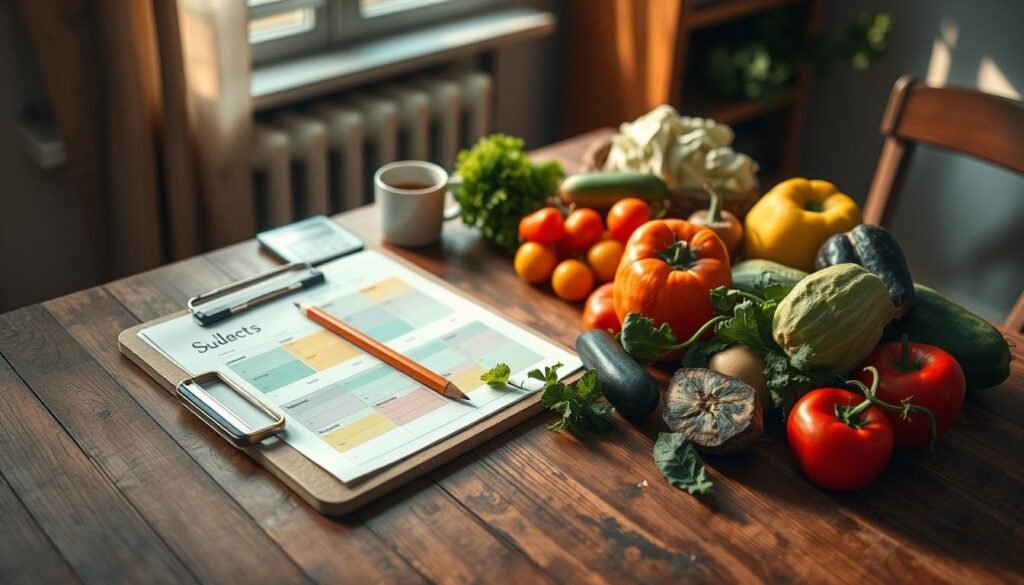
Portion Control
Portion control is another vital aspect of a successful meal plan. It involves being mindful of the amount of food you consume during each meal, helping to maintain a healthy calorie intake and reduce food waste. To implement portion control effectively, consider using measuring cups or a food scale.
“Portion control is not about eating less, it’s about eating right.” –
By mastering portion control, you can enjoy your favorite meals while maintaining a balanced diet. This approach also helps in reducing unnecessary expenses on food by minimizing waste.
Brainstorming Healthy Meal Ideas
To start planning healthy meals, I need to brainstorm a variety of meal ideas that cater to my dietary needs and preferences. This involves exploring different cuisines, considering what’s in season, and mixing familiar recipes with new ones to keep things interesting.
Exploring Different Cuisines
One way to brainstorm healthy meal ideas is by exploring various cuisines from around the world. Different cuisines offer a wide range of healthy options, from the vegetable-rich dishes of Mediterranean cuisine to the protein-packed meals of Asian cuisine.
- Try making a vegetable stir-fry with tofu, a classic Chinese dish that’s both healthy and easy to prepare.
- Experiment with Indian cuisine by making a lentil curry, rich in protein and fiber.
- Explore the flavors of the Mediterranean by preparing a Greek salad, complete with olives, feta cheese, and a drizzle of olive oil.
Seasonal Ingredients to Consider
Incorporating seasonal ingredients into my meal plan not only ensures freshness but also supports local farmers and reduces environmental impact. Seasonal produce is often at its peak flavor and nutritional value.
| Season | Popular Ingredients | Meal Ideas |
|---|---|---|
| Spring | Asparagus, strawberries, spinach | Grilled asparagus with strawberry salsa, spinach salad |
| Summer | Tomatoes, zucchini, corn | Tomato and mozzarella salad, grilled zucchini with corn relish |
| Autumn | Pumpkin, apples, Brussels sprouts | Pumpkin soup, apple and Brussels sprouts salad |
| Winter | Root vegetables, citrus fruits, kale | Roasted root vegetables, kale and citrus salad |
Recipes I Love vs. New Ones to Try
Balancing familiar recipes with new ones is key to keeping my meal plan exciting and preventing boredom. It’s also a great way to discover new favorite dishes.
For instance, if I love making pasta, I can try new sauces or add different vegetables to keep the dish interesting. Similarly, if I’m a fan of grilled chicken, experimenting with various marinades can provide a fresh twist.
Tips for Trying New Recipes:
- Start with simple recipes that require minimal new ingredients.
- Look for recipes with positive reviews and clear instructions.
- Be adventurous and willing to adjust recipes based on personal taste.
Creating a Weekly Schedule for Meals
A well-structured weekly meal schedule can significantly enhance my ability to maintain a balanced diet. By planning my meals in advance, I can ensure that I am consuming a variety of nutrients and minimizing food waste.
Balancing Nutrients Throughout the Week
To balance nutrients, I need to consider the different food groups and ensure that my meals include a mix of proteins, healthy fats, and complex carbohydrates. This can be achieved by:
- Including a source of protein in every meal
- Variety in vegetables and fruits
- Whole grains as a primary source of carbohydrates
Nutritional Balance Example
| Day | Breakfast | Lunch | Dinner |
|---|---|---|---|
| Monday | Oatmeal with fruits | Grilled chicken with quinoa and vegetables | Baked salmon with sweet potatoes |
| Tuesday | Scrambled eggs with spinach | Lentil soup with whole grain bread | Grilled turkey with roasted vegetables |
Planning for Busy Days
Busy days can be challenging, but with a good meal plan, I can stay on track. Some strategies include:
- Preparing meals in advance that can be reheated
- Keeping healthy snacks on hand
- Having a backup plan for days when cooking is not possible
Meal Prep Time Optimization
Optimizing meal prep time is crucial for maintaining a consistent meal plan. Tips for optimization include:
- Batch cooking on weekends or one day a week
- Preparing ingredients in advance, such as chopping vegetables
- Cooking meals that can be used for multiple days
By implementing these strategies, I can save time during the week and ensure that my meals are healthy and balanced.
Building a Flexible Shopping List
A well-structured shopping list is the backbone of a successful meal prep strategy. It not only helps in organizing your grocery shopping but also ensures that you stay on track with your healthy eating goals.
Essentials vs. Optional Ingredients
When creating your shopping list, it’s crucial to differentiate between essential and optional ingredients. Essential ingredients are those that are necessary for your meal plan, such as fresh produce, proteins, and whole grains. Optional ingredients, on the other hand, include items like spices, condiments, and specialty foods that can enhance your meals but are not critical.
By categorizing your ingredients, you can prioritize your shopping and adjust your list based on sales, seasonal availability, and your dietary preferences.
Tips for Reducing Food Waste
Reducing food waste is an important aspect of effective meal planning. Here are some tips to help you minimize waste:
- Plan your meals around what’s already in your pantry.
- Shop from local farmers’ markets for fresher produce.
- Use up leftovers creatively in new meals.
- Store food properly to extend its shelf life.
By being mindful of food waste, you can save money and reduce your environmental impact.
Organizing My Grocery List
Organizing your grocery list can make a significant difference in your shopping experience. Consider grouping your items by categories such as produce, dairy, meats, and pantry staples. This approach not only makes shopping more efficient but also helps you stick to your list and avoid impulse buys.
Using a digital grocery list app can further streamline your process, allowing you to check off items as you shop and make adjustments on the go.
By building a flexible shopping list, you can ensure that your meal planning guide remains effective and adaptable to your changing needs.
Incorporating Snacks and Add-ons
Incorporating snacks and add-ons into my meal plan not only adds variety but also ensures I’m getting the nutrients I need. A well-planned snack can be the difference between maintaining energy levels and feeling lethargic throughout the day.
Healthy Snack Ideas
When it comes to healthy snacking, there are numerous options to choose from. Some of my favorite healthy snack ideas include:
- Fruits like apples, bananas, and berries
- Nuts and seeds, such as almonds and pumpkin seeds
- Veggie sticks with hummus
- Protein bars made with wholesome ingredients
These snacks are not only delicious but also packed with nutrients. For instance, fruits are rich in vitamins and antioxidants, while nuts and seeds provide healthy fats and protein.
When to Include Treats
While maintaining a healthy diet is crucial, there’s also room for moderation. Including treats in my meal plan can help me stick to it long-term. The key is to plan for these treats and not overindulge.
For example, if I’m planning a dinner party, I might include a decadent dessert as a treat. On a typical day, a small indulgence like a piece of dark chocolate can satisfy my sweet tooth without derailing my nutritional goals.
Planning for Nutrient-Dense Add-ons
Add-ons can elevate a meal from good to great, both in terms of flavor and nutrition. Some nutrient-dense add-ons I like to include are:
| Add-on | Nutritional Benefit |
|---|---|
| Avocado | Rich in healthy fats, fiber, and various vitamins and minerals |
| Quinoa | Complete protein and a good source of fiber, iron, and magnesium |
| Fresh Herbs | High in antioxidants and can add flavor without salt or sugar |
By thoughtfully incorporating snacks and add-ons into my meal plan, I can ensure that my diet remains balanced and satisfying. This approach not only supports my nutritional goals but also makes meal planning more enjoyable and varied.
Meal Prep and Cooking Strategies
Meal prep is not just about saving time; it’s about making healthy eating a sustainable part of my daily routine. By adopting effective meal prep and cooking strategies, I can ensure that my meals are not only delicious but also nutritious.
Batch Cooking for Convenience
Batch cooking is a game-changer when it comes to meal prep. It involves cooking large quantities of a single ingredient or an entire meal that can be portioned out over several days. This approach saves time during the week when I’m busy. As noted by a culinary expert,
“Batch cooking is about simplifying your cooking process, making it easier to stick to your healthy eating goals.”
To get started with batch cooking, I identify recipes that freeze well or can be refrigerated for several days. Some of my favorite batch cooking recipes include soups, stews, and casseroles. By cooking in bulk, I reduce food waste and save money on groceries.
Efficient Cooking Techniques
Efficient cooking techniques are crucial for making meal prep a success. Techniques such as one-pot cooking, grilling, and roasting allow me to prepare meals quickly without sacrificing flavor. For instance, using a slow cooker or Instant Pot can significantly reduce cooking time while ensuring that my meals are tender and flavorful.
Another efficient technique is prep-ahead cooking, where I chop vegetables, marinate proteins, and assemble salads or meal components in advance. This approach streamlines my cooking process, making it easier to throw together a healthy meal in no time.
Storing Meals for Maximum Freshness
Proper storage is key to maintaining the freshness and quality of my prepped meals. I use airtight containers that are designed for microwave and dishwasher use, making reheating and cleaning a breeze. Labeling containers with the date and contents helps me keep track of what I have in the fridge or freezer.
To maximize freshness, I also follow the “first in, first out” rule, ensuring that older meals are consumed before newer ones. By storing meals correctly, I can enjoy healthy, home-cooked meals throughout the week without the hassle of last-minute cooking.
Staying Adaptable with My Meal Plan
As I continue on my meal planning journey, I realize that staying adaptable is key to long-term success. Life is unpredictable, and my meal plan needs to be flexible enough to accommodate changes in my schedule, preferences, and dietary needs.
Tips for Adjusting on the Fly
To stay adaptable, I have developed a few strategies for adjusting my meal plan on the fly. First, I prioritize my meals for the week, focusing on the most important ones. I also keep a list of quick and easy meal ideas that can be prepared at a moment’s notice.
- Keep a backup plan for unexpected events or changes in schedule.
- Be open to trying new ingredients and recipes.
- Use a meal planning app to easily adjust my plan.
Substitutions for Missing Ingredients
One of the most common challenges I face is when I’m missing an ingredient for a recipe. To overcome this, I’ve learned to be creative with substitutions. For example, if a recipe calls for chicken but I only have beef, I can often make a substitution without significantly affecting the dish.
| Missing Ingredient | Possible Substitution |
|---|---|
| Chicken | Beef, Turkey, or Tofu |
| Pasta | Rice, Quinoa, or Zucchini Noodles |
| Fresh Herbs | Dried Herbs or Spices |
Family Preferences and How to Manage Them
Managing family preferences is another crucial aspect of staying adaptable with my meal plan. I involve my family in the meal planning process, asking for their input and preferences. This not only ensures that everyone enjoys their meals but also helps to reduce food waste.

By being flexible and open to feedback, I can create a meal plan that works for everyone.
Tracking My Progress
As I continue with my meal plan, tracking my progress helps me stay on course. Monitoring my eating habits and how my body responds is crucial for making necessary adjustments to achieve my health goals.
Keeping a Food Journal
One effective way I track my progress is by keeping a food journal. This involves recording everything I eat and drink throughout the day, along with any physical symptoms or feelings I experience. By doing so, I can identify patterns and correlations between my diet and overall well-being.
Using a food journal also helps me stay accountable and mindful of my eating habits. It allows me to reflect on my choices and make adjustments as needed. For instance, if I notice I’m consuming too much sugar, I can plan my meals to reduce my intake.
Evaluating My Health Improvements
Regularly evaluating my health improvements is essential to understanding the effectiveness of my meal plan. I track various health metrics, such as weight, blood pressure, and energy levels, to gauge my progress.
By assessing these metrics, I can determine whether my meal plan is having the desired impact on my overall health. If I’m not seeing the improvements I expect, I can revisit my meal plan and make necessary adjustments.
Adjusting My Goals Based on Feedback
As I gather data from my food journal and health metrics, I use this feedback to adjust my goals. If I find that I’m struggling to stick to my meal plan or not achieving my desired outcomes, I reassess my goals and make them more realistic or achievable.
This iterative process allows me to refine my meal plan continuously, ensuring it remains aligned with my health objectives. By being flexible and responsive to my progress, I can optimize my meal plan for long-term success.
By incorporating these strategies into my meal planning routine, I can ensure that I’m on track to achieving a balanced diet and healthy eating habits. Tracking my progress is an ongoing process that helps me stay committed to my nutritional goals.
Reflecting on My Meal Planning Experience
As I look back on my journey to create a healthy weekly meal plan, I realize that reflecting on my experience is crucial for continued success. By evaluating my progress, I can identify areas for improvement and build on my achievements.
Lessons from Successes and Setbacks
I have learned valuable lessons from both my successes and challenges. For instance, I’ve discovered that meal prep is a game-changer for busy days, and incorporating healthy meal ideas into my plan has been a great way to stay on track. By using a meal planning guide, I’ve been able to streamline my grocery shopping and reduce food waste.
Celebrating Progress and Planning Ahead
Celebrating my milestones, no matter how small, has been a great motivator. As I plan for the next week, I will continue to refine my meal prep strategies and explore new healthy meal ideas to keep my diet interesting and varied.
By staying committed to my meal planning goals, I am confident that I will continue to make progress and achieve a healthier, more balanced lifestyle.
FAQ
What are the benefits of creating a healthy weekly meal plan?
How do I assess my nutritional needs for meal planning?
What are some tips for setting realistic goals for my meal plan?
How can I keep my meal plan interesting and engaging?
What are some strategies for creating a weekly meal schedule?
How do I build a flexible shopping list for meal planning?
What are some healthy snack ideas to incorporate into my meal plan?
What meal prep and cooking strategies can I use to save time?
How can I stay adaptable with my meal plan?
Why is tracking my progress with my meal plan important?
How can I reflect on my meal planning experience to improve?