What if everything you thought about the cost of eating well was wrong?
Many people assume that a nutritious diet is reserved for those with deep pockets. This belief keeps many from achieving their wellness goals.
This guide shatters that myth. You will learn that the most powerful foods for your health are often the most affordable on the shelf.
We have curated a list of staple items from every major food group. Each is chosen for its rich profile of nutrients, cost-effectiveness, and kitchen versatility.
This knowledge empowers you to make informed choices. You can support your well-being and your wallet simultaneously.
By the end, you’ll have a clear plan to build a satisfying, balanced diet. It all starts with smart choices in your local grocery store.
Key Takeaways
- Debunk the common myth that eating nutritiously has to be expensive.
- Discover that many nutrient-dense staple foods are surprisingly budget-friendly.
- Learn about a curated list of versatile items across all food categories.
- Gain practical knowledge to make grocery choices that benefit your health and finances.
- Understand how to build a balanced diet using accessible, cost-effective ingredients.
- Get ready to transform your approach to meals with a clear, actionable plan.
Introduction: Eating Well Doesn’t Require a Lavish Budget
Many believe that eating well is a luxury only a few can afford. The truth is far more empowering.
A nutritious diet is built on simple, foundational items. These staples are often the least expensive in the store.
The high cost myth usually ties to trendy packaged goods. Prioritizing whole, single-ingredient foods is a smarter strategy. It supports your health and your wallet.
Cardiologist Dr. Martha Gulati highlights a key tactic. “Choosing seasonal produce and sale items can dramatically lower your weekly grocery bill,” she notes. This approach makes nutrient-dense foods consistently accessible.
Your grocery store is full of these high-value options. The following sections will guide you through them category by category.
You will discover powerhouse vegetables, fruits, grains, and proteins. Each offers maximum nutritional return for a minimal investment.
We will also introduce core concepts of strategic shopping. Buying in bulk, opting for frozen produce, and selecting store brands are powerful levers. These methods will be explored in detail later.
This shift in perspective is crucial. Start looking at the supermarket aisles with a focus on nutritional value per dollar.
The connection between a nourishing diet and a sensible budget is real and achievable. The benefits for your well-being are within reach, starting with your next shopping trip.
Powerhouse Vegetables: Affordable and Nutrient-Dense
Forget the expensive superfood powders; true nutritional powerhouses are found in the vegetable section.
These foundational items deliver a massive return on investment. They are packed with essential vitamins, minerals, and fiber for a very low cost.
Integrating these vegetables into your routine is simple. They work as a hearty side dish, a base for salads, or a key component in soups.
Potatoes: A Surprisingly Complete Staple
Often underestimated, a single baked potato is a nutritional marvel. It provides over 4 grams of plant-based protein and nearly 4 grams of fiber.
This humble staple is also a rich source of Vitamin C, B6, and potassium. For the best benefits, choose roasted or baked preparations over fried options.
Carrots and Sweet Potatoes: Rich in Vision-Supporting Vitamin A
Their vibrant orange color signals a high amount of beta-carotene. Your body converts this into vision-supporting vitamin A.
One sweet potato delivers about 369% of your daily value for this crucial vitamin. A cup of carrots offers 119%.
At roughly $1.05 and $0.77 per pound respectively, they are a cost-effective source of major nutrients.
Leafy Greens: Spinach and Kale for Vitamins and Minerals
Dark leafy greens are concentrated sources of vitamins K, A, and C. Spinach is also rich in folate and manganese.
Regular consumption is linked to positive health outcomes. For kale, try massaging the leaves with a little oil to soften them for salads.
Cabbage and Broccoli: Cruciferous Vegetables on a Budget
These vegetables contain compounds called glucosinolates. Research suggests they may support your body’s natural defenses.
Green cabbage, at about $0.62 per pound, is an incredibly affordable option. One cup of chopped broccoli provides 135% of your daily Vitamin C needs.
| Vegetable | Key Nutrient Highlight | Avg. Cost per Pound | Easy Serving Idea |
|---|---|---|---|
| Potato | 4g Protein, 4g Fiber, Potassium | Market Price | Baked with herbs |
| Sweet Potato | 369% DV Vitamin A (per potato) | ~$1.05 | Roasted wedges |
| Carrots | 119% DV Vitamin A (per cup) | ~$0.77 | Snack sticks with hummus |
| Spinach | Vitamin K, Folate, Manganese | ~$3.83 (bagged) | Sautéed or in smoothies |
| Broccoli | 135% DV Vitamin C (per cup) | ~$1.92 | Steamed with garlic |
| Green Cabbage | Vitamin C, Glucosinolates | ~$0.62 | Shredded for slaw or stir-fry |
“Vegetables are the non-negotiable foundation of a nourishing diet. Their diversity in color and type ensures a broad spectrum of protective compounds.”
As the table shows, these staples offer exceptional value. They provide the building blocks for a robust diet without strain.
Making them a regular part of your meals is a smart strategy. It turns everyday food into a powerful tool for your well-being.
Fruits for Vitality: Nature’s Sweet and Affordable Treats
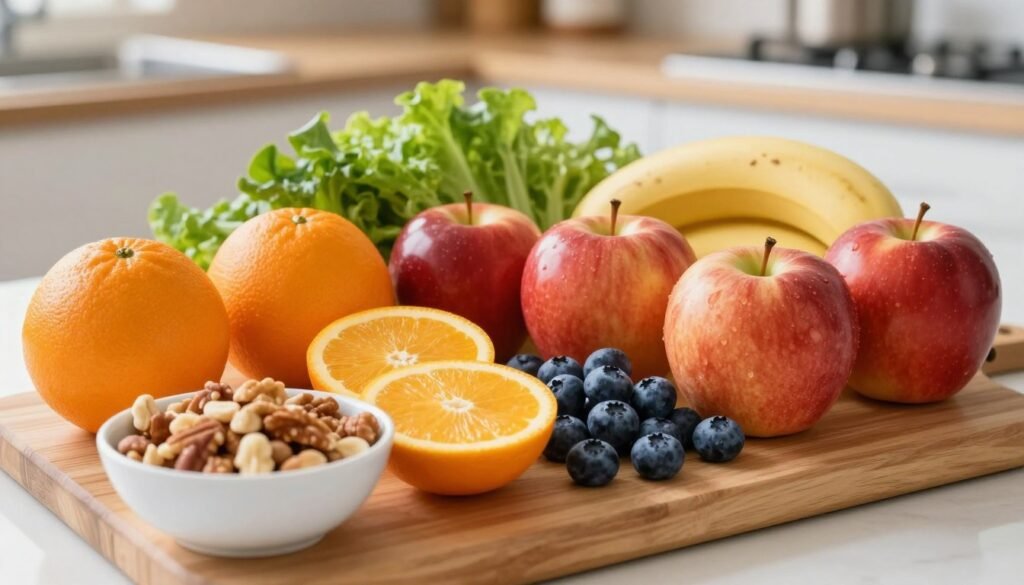
The produce aisle holds a secret. Many of the most vibrant and nutrient-packed fruits are also among the most economical.
These natural treats deliver exceptional value. They are perfect for quick snacks and versatile meal additions.
Consuming fruit is a delicious strategy. It helps you meet daily needs for essential vitamins and dietary fiber.
This contributes directly to your overall vitality. It also supports long-term wellness goals.
Bananas: The Ultimate Portable and Potassium-Rich Snack
At roughly $0.55 per pound, bananas are a top budget-friendly fruit. They are prized for their high potassium content.
A single medium banana offers about 422 mg of this crucial mineral. It also provides a good amount of magnesium, fiber, and vitamins B6 and C.
This makes them a great source of sustained energy. Pair one with a tablespoon of nut butter for a balanced, satisfying snack.
Their natural packaging makes them the ultimate grab-and-go option. They are a foundational item for a nourishing diet.
Apples and Oranges: Classic Fruits Packed with Fiber and Vitamin C
These timeless choices are fiber-rich options for any routine. A medium apple, costing about $1.62 per pound, delivers around 2 grams of fiber.
It also provides vitamin C and antioxidants. Research suggests regular apple consumption may help lower inflammation.
For the best benefits, wash the skin thoroughly before eating. Much of the fiber and nutrients are found there.
Oranges are another stellar choice at approximately $1.10 per pound. One fruit provides about 92% of your Daily Value for vitamin C.
They are also a good source of fiber and antioxidants. Adding fresh orange segments to salads brightens flavor and nutrition.
Both fruits support immune function through their vitamin C content. Their anti-inflammatory properties are linked to reducing chronic disease risk.
Frozen Berries: Year-Round Antioxidants Without the High Cost
Frozen berries are a strategic pantry staple. They provide access to antioxidant power any time of year.
A bag of mixed berries averages $3.64 per pound. This is often less than fresh, out-of-season berries.
They are rich in compounds linked to preventing heart disease and supporting brain health. Studies connect berry consumption to positive outcomes.
These frozen gems are also a concentrated source of vitamin C, vitamin K, and manganese. Use them directly from the freezer.
They are perfect for blending into smoothies. They also make a excellent topping for yogurt or oatmeal.
This makes adding a serving of powerful nutrients to your breakfast simple. It’s a smart way to enhance your daily diet.
“Incorporating a variety of fruits into your daily routine is one of the simplest and most enjoyable ways to invest in your long-term wellness. Their natural sugars come packaged with fiber, water, and a spectrum of protective phytonutrients.”
Integrating these fruits into your routine is straightforward. They turn everyday eating into a more vibrant and nourishing experience.
From a quick banana snack to berries in your morning meal, the benefits are clear. You gain vital nutrients while managing your grocery budget effectively.
Pantry Heroes: Your Guide to Affordable Health Food Staples
Shelf-stable grains and seeds are the unsung heroes of a practical and nutritious kitchen. They form the foundation for countless filling and economical meals.
Keeping your cupboard stocked with these items allows for incredible flexibility. You can create a satisfying breakfast, a hearty lunch bowl, or a simple dinner side with ease.
This approach reduces reliance on more expensive processed items. It turns simple ingredients into the cornerstone of your diet.
Oats: A Versatile and Heart-Healthy Whole Grain
Oats are a champion among whole grain options. A one-pound bag costs around two dollars, offering exceptional value.
They are a rich source of soluble fiber, specifically beta-glucan. This type of fiber is known for supporting heart health.
Regular consumption may help reduce the risk of type 2 diabetes. Oats also provide a good amount of plant-based protein and healthy fats.
They contain B vitamins, iron, and manganese. For maximum nutrients, choose less processed varieties like steel-cut or rolled oats.
Preparing a large batch of oatmeal for the week is a smart strategy. It ensures a quick, nourishing start to your day.
Brown Rice and Quinoa: Nutritious Bases for Any Meal
These two pantry staples provide a solid foundation for any plate. They are essential for building balanced meals.
Brown rice is a fiber-rich complex carbohydrate. One cup cooked provides about 3.23 grams of fiber.
It is a good source of B vitamins, magnesium, and manganese. Studies link its consumption to a lower risk of chronic diseases.
At roughly two dollars per pound, it’s a versatile and cost-effective staple. Use it as a base for grain bowls or as a simple side dish.
Quinoa, priced between three and four dollars per pound, offers unique benefits. It is a complete protein source, containing all essential amino acids.
This makes it an excellent option for plant-based meals. It is also packed with antioxidants, vitamins and minerals like vitamin E and zinc.
Its nutrients promote brain and heart wellness. As a gluten-free seed, it’s a safe choice for those with celiac disease.
Both grains are perfect for soups, salads, or served alongside vegetables. Cooking a large serving provides ready-to-eat ingredients for days.
“Grains like oats, brown rice, and quinoa are dietary workhorses. They deliver sustained energy, essential nutrients, and culinary versatility for just pennies per serving.”
Stocking these pantry heroes empowers you to eat well on any budget. They transform simple cooking into a strategy for lasting vitality.
Budget-Friendly Proteins: Building Muscle Without Breaking the Bank
Building strength and maintaining muscle doesn’t require expensive supplements or premium cuts of meat. Your body needs a steady supply of protein for repair, satiety, and overall function.
Thankfully, some of the highest-quality source protein options are also the most economical. This section highlights three powerhouse categories.
Each delivers a significant amount of grams protein per serving. They also provide a spectrum of other vital nutrients.
Eggs: The Gold Standard of Affordable, Complete Protein
Eggs are a nutritional marvel. They offer a great source protein that contains all nine essential amino acids.
A single large egg provides about 6 grams protein. It is also packed with B vitamins, A, D, E, K, selenium, and choline.
Research shows regular consumption can raise HDL (the “good”) cholesterol. For the best quality, opt for pasture-raised or Omega-3 enriched varieties when possible.
Their versatility is unmatched. Enjoy them boiled, scrambled, or as a hearty addition to salads.
Canned Fish: Tuna and Salmon for Omega-3s and Protein
Canned fish is a convenient and protein-dense pantry staple. A can of tuna or salmon typically costs just two to three dollars.
It delivers an impressive 20 to 25 grams protein per serving. This source is also rich in omega-3 fatty acids for brain and heart health.
You also get selenium and B vitamins. A crucial tip: choose light or skipjack tuna over albacore to limit mercury exposure.
Flake it into sandwiches, mix it with plain yogurt for a spread, or toss it into a salad. It makes for a quick, satisfying meal.
Beans and Lentils: Plant-Based Protein and Fiber Powerhouses
For a dual offering of protein and fiber, turn to beans and lentils. They are foundational for a plant-forward diet.
Canned beans often cost less than a dollar per pound. They provide protein, iron, antioxidants, and folate.
Regular intake is linked to better blood sugar control and improved gut health. Always rinse them to reduce sodium.
Dried lentils are even more cost-effective at about $1.56 per pound. One cooked cup provides nearly a full day’s folate, plus iron, copper, and manganese.
Studies suggest they may support healthy blood pressure and cholesterol. Their texture makes them perfect for soups, stews, or as a meat substitute.
Add beans to your favorite soups and grain bowls. Use lentils to create a hearty Bolognese sauce.
“These protein sources prove that nourishment and economy go hand-in-hand. They provide the essential building blocks your body needs, plus a bonus of other vitamins minerals, without the premium price tag.”
Combining these foods creates balanced, satisfying meals. Meeting your protein needs is entirely achievable on a sensible budget.
Your fitness and wellness goals are well within reach. Start by stocking these versatile, nutrient-rich sources.
Dairy and Alternatives: Calcium and Protein for Less
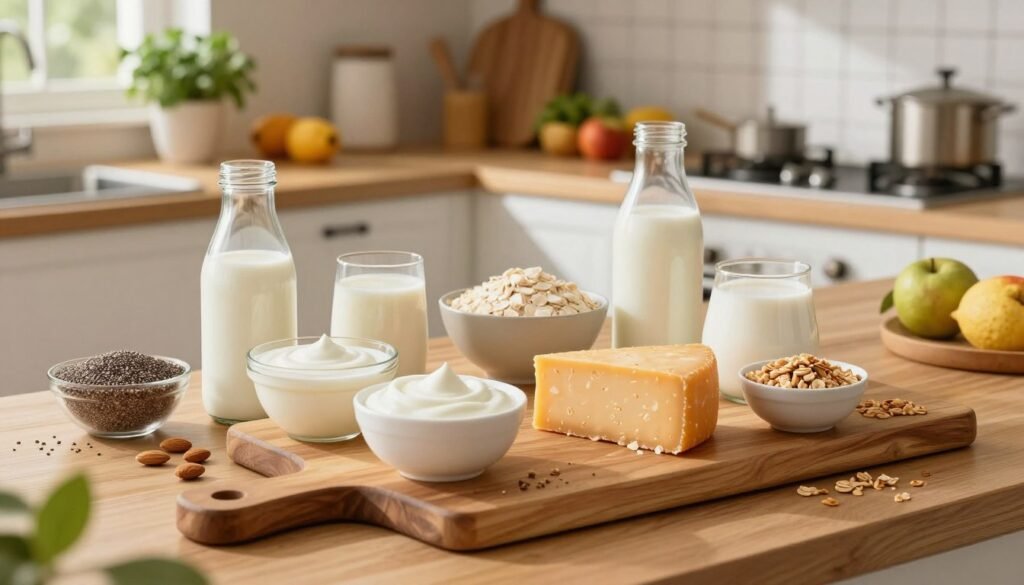
When you think of calcium and protein, expensive supplements might come to mind. Your grocery store holds better options.
Simple dairy products deliver exceptional value. They are packed with essential nutrients for a very low cost per serving.
These items support bone strength and muscle maintenance. They also add versatility to your daily diet.
Plain Yogurt: Probiotics, Protein, and Versatility
Plain yogurt is a nutritional powerhouse. A 32-ounce container typically costs between two and three dollars.
One cup provides about 8.5 grams of protein. It also delivers 49% of your Daily Value for calcium.
This makes it a great source of this crucial mineral for bone health. You also get a good amount of B vitamins, phosphorus, and zinc.
Live active cultures offer probiotics for gut wellness. Always choose unsweetened varieties to avoid added sugar.
Use plain yogurt as a base for smoothies or breakfast parfaits. It works well as a creamy addition to sauces and dressings.
This versatility makes it a staple for many meals. It transforms simple foods into more satisfying dishes.
Cottage Cheese: A Satiating High-Protein Option
Cottage cheese is another cost-effective choice. A 16-ounce container often costs less than two dollars.
A 100-gram serving provides about 11.6 grams of protein. It is a rich source of calcium, phosphorus, riboflavin, and vitamin B12.
These vitamins minerals support energy metabolism and nerve function. Its high protein content promotes a feeling of fullness.
Enjoy it as a quick snack with fresh tomatoes or fruit. You can also blend it into pancake batter for a protein boost.
This dairy food adds creaminess to salads and baked potatoes. Its mild flavor pairs well with both sweet and savory items.
“Incorporating plain yogurt and cottage cheese into your routine is a smart, economical strategy. They provide high-quality protein, calcium, and other essential nutrients that support overall wellness without a premium price.”
These dairy options prove that nourishment doesn’t require a lavish budget. They are accessible staples that contribute to a balanced, nutrient-rich eating plan.
Smart Fats and Flavor: Nut Butters and More
Flavor and nourishment meet in one versatile jar: the humble nut butter.
Smart fats are crucial for your body. They aid in nutrient absorption, support brain function, and promote a feeling of fullness.
Peanut butter stands out as a prime example. It delivers a powerful combination of taste and nutrition.
Peanut Butter: A Calorie-Dense Source of Healthy Fats and Protein
This spread is a nutritional powerhouse. It is rich in monounsaturated fats, which are linked to heart wellness.
A two-tablespoon serving provides a good amount of plant-based protein and dietary fiber.
This unique profile helps regulate blood sugar levels. It also offers sustained energy throughout your day.
Peanut butter is a great source of essential vitamins minerals. You get vitamin E, magnesium, and potassium in every spoonful.
These nutrients contribute to overall well-being. They support muscle function and cellular health.
“Nut butters like peanut butter are a calorie-dense but nutrient-rich staple. They provide healthy fats, protein, and fiber in a form that’s both satisfying and versatile for everyday eating.”
Its versatility makes it a kitchen essential. Spread it on apple or banana slices for a quick snack.
Stir a spoonful into your morning oatmeal. It adds creaminess and a protein boost.
You can also use it as a base for savory sauces. This adds depth to noodle dishes or vegetable stir-fries.
A jar offers numerous servings and has a long shelf life. This makes it an affordable and practical source of smart fats.
Other options like seeds and olive oil also fit a sensible budget. They make great additions to your pantry.
Including these foods enhances the nutritional profile of any meal. A small serving can help curb cravings between meals.
Smart fats are an essential part of a balanced diet. You can enjoy their benefits without expensive supplements.
Start by keeping a jar of natural peanut butter on hand. It’s a simple step toward more nourishing food choices.
Strategic Shopping: How to Maximize Your Grocery Budget
The true secret to eating well on a sensible budget lies not in what you buy, but how you buy it. Strategic habits transform your shopping trips.
You become a savvy consumer who prioritizes value. This approach ensures your cart is full of nourishing foods.
These methods work for any household size. They reduce waste and amplify the nutritional power of every dollar.
Embrace Frozen and Canned Produce
Frozen and canned items are cost-effective heroes. They offer a reliable source of vegetables and fruit year-round.
Frozen produce is often packed at peak ripeness. This locks in a high amount of vitamins and nutrients.
It is also less expensive than out-of-season fresh picks. A bag of frozen berries or spinach has a long shelf life.
Canned goods like canned tomatoes, beans, and corn are pantry staples. They are ready to use and very affordable.
For the best health benefits, choose varieties canned in water with no added salt. Always rinse beans and vegetables to reduce sodium content.
Canned tomatoes make great bases for soups, sauces, and stews. They are a versatile staple for countless meals.
Buy in Bulk and Choose Store Brands
Purchasing shelf-stable items in bulk leads to significant savings. This strategy is perfect for grains, dried beans, lentils, nuts, and seeds.
You pay a lower price per unit. It also minimizes packaging waste over time.
Store brands (or generic brands) are another powerful lever. They typically offer the same quality as name brands for a lower cost.
Compare unit prices on the shelf tag. You will often find the store option provides the best value.
Consider shopping at discount chains or warehouse clubs for these staples. They can dramatically stretch your budget.
Stocking up on these foundational foods ensures you always have a source for a quick meal.
Plan Meals and Shop Seasonally
Creating a weekly meal plan is a fundamental habit. It prevents impulse purchases and reduces food waste.
Start by taking inventory of what you already have. Then, build your list around planned dishes.
Seasonal shopping is equally important. Produce is most abundant and least expensive during its natural harvest time.
Buying seasonal items supports local farmers’ markets. It also guarantees better flavor and quality.
Be selective about organic purchases. Refer to the Environmental Working Group’s “Dirty Dozen” and “Clean 15” lists.
Invest in organic for thin-skinned items like strawberries and spinach. For thick-skinned additions like avocados, conventional is fine.
A simple wash with water and a bit of vinegar can reduce residue on non-organic produce. This is a smart side step for your diet.
“The most effective grocery strategy combines planning, knowledge of seasonal cycles, and a willingness to choose frozen, canned, and store-brand items. This trio maximizes nutritional value per dollar spent.”
Applying these tactics turns grocery shopping into a strategic mission. You secure high-quality ingredients that support your well-being.
Your kitchen becomes stocked with versatile, nourishing options. This practical framework makes building a wholesome diet an achievable reality for everyone.
Conclusion: Building a Healthy Diet is an Affordable Reality
You now possess a powerful blueprint for transforming your grocery cart into a tool for wellness. This guide proves that a nourishing diet is firmly within your financial reach.
From potassium-rich bananas and protein-packed eggs to fiber-filled oats, your options are diverse. These staples deliver essential nutrients without a high cost.
Strategic habits like buying frozen produce and planning meals compound the savings. They make these smart choices a sustainable part of your routine.
Start by adding one new, affordable item to your list each week. This simple step builds a foundation for long-term well-being.
You are fully equipped to make choices that support your health and your budget. Your journey to vibrant nourishment begins now.