What if the most powerful tool for your vitality was already in your kitchen, but you’ve been overlooking its true potential?
Choosing what you eat is a foundational pillar for long-term wellness and sustained energy. It’s about selecting nourishment that supports your body’s natural resilience.
This means picking items grown and processed without synthetic pesticides, fertilizers, or genetically modified organisms. You are choosing a cleaner, more natural way to fuel yourself.
The core philosophy is simple: nourishment is most nutritious when it remains closest to its natural, unadulterated state. Brands like Wildly Organic champion this, supplying products that are USDA Certified Organic, FairTrade, Non-GMO, and minimally-processed.
This guide will be your comprehensive resource. We’ll help you navigate labels and integrate these principles into your daily life practically.
Investing in this way of eating is an investment in your body’s future well-being. Let’s explore a clear, step-by-step approach to making informed and sustainable dietary upgrades.
Key Takeaways
- Wholesome eating is a cornerstone for lasting vitality and wellness.
- Opting for organic means choosing produce free from synthetic chemicals and GMOs.
- The greatest nutritional value comes from items in their most natural state.
- Look for trusted certifications like USDA Organic and Non-GMO Project Verified.
- Upgrading your diet is a practical investment in your long-term physical resilience.
- A structured guide can simplify the transition to more conscious consumption.
Your Journey to Wellness Starts in the Kitchen
Transforming your well-being begins with a single, conscious choice about what you stock on your shelves. Your kitchen is the command center for this positive change. Every meal prepared here is a direct investment in your physical resilience.
Knowledge is your most powerful tool. Before you buy anything, educate yourself about what you’re consuming. Many retailers now prioritize customer education.
Stores like Natural Grocers build their entire model around this principle. They offer in-store nutrition experts and credible resources. This support helps you make confident, informed decisions.
The first practical step is a simple pantry audit. Take stock of your current staples. Read the ingredient lists on your everyday items carefully.
Understanding these labels is crucial. Look for items with recognizable components. This awareness is the foundation of better choices.
Replacing conventional staples with cleaner alternatives is a gradual process. Start with just a few key swaps. For instance, choose an organic version of a grain or oil you use weekly.
This method is sustainable and manageable. It prevents feeling overwhelmed. Each small change compounds into a significant upgrade for your pantry.
View cooking with these quality ingredients not as a restriction, but as a creative act of self-care. It empowers you to take control of your nourishment. The kitchen becomes a space for experimentation and joy.
Selecting a superior product is an active step toward your goals. Trusted certifications on labels guide these selections. They assure you of the integrity behind what you buy.
This journey is about progress, not perfection. Each informed choice you make in your kitchen builds momentum. Your culinary space truly is where your path to vitality begins.
Why Organic Health Food is a Smart Investment in Your Well-being
Every purchase you make at the market is a vote for the kind of future you want for yourself and the planet.
Viewing your grocery choices through an investment lens changes everything. It shifts the focus from short-term cost to long-term value for your body and the environment.
Direct physical benefits form the core of this value. Choosing certified items means significantly lower exposure to synthetic pesticide residues.
Studies suggest these cleaner options can also contain higher levels of certain antioxidants and beneficial nutrients. Your body gets more of the good stuff it needs to thrive.
Brands committed to integrity make this choice simple. For example, Wildly Organic ensures their offerings are USDA Certified Organic, Non-GMO, and Sustainably-Sourced.
Their minimally-processed approach locks in nutritional richness. You gain confidence knowing exactly what you’re putting into your body.
This is a strategic play for your long-term vitality. Supporting your immune system and overall resilience today can help reduce potential healthcare expenses down the line.
Think of it as preventative maintenance for your most valuable asset: yourself. The upfront cost is an investment in sustained energy and wellness.
The advantages extend far beyond your personal sphere. By selecting these items, you support farming methods that promote rich soil health.
You contribute to greater biodiversity and cleaner water conservation. Your vote at the checkout counter supports a more ethical and sustainable food system.
The table below contrasts two different approaches to your food choices:
| Conventional Purchase Mindset | Organic Investment Mindset |
|---|---|
| Focuses primarily on lowest upfront price. | Evaluates long-term value for body and environment. |
| Accepts potential exposure to chemical residues. | Seeks to minimize synthetic pesticide intake. |
| May not consider farming’s environmental impact. | Actively supports soil health and biodiversity. |
| Views food as a commodity. | Views nourishment as foundational to wellness. |
| Sees certifications as marketing. | Uses trusted certifications (USDA, Non-GMO) as a quality guide. |
This isn’t a passing trend. It’s a return to traditional, clean eating principles, now backed by rigorous modern certification.
It’s about choosing quality and knowing the origin of your sustenance. The assurance from reputable standards gives you peace of mind.
The ultimate value of this investment is comprehensive. It nurtures your personal well-being while practicing global stewardship.
You’re contributing to a food system that can sustain future generations. That’s a return on investment that truly matters.
Decoding the Labels: Your Guide to Certifications and Claims
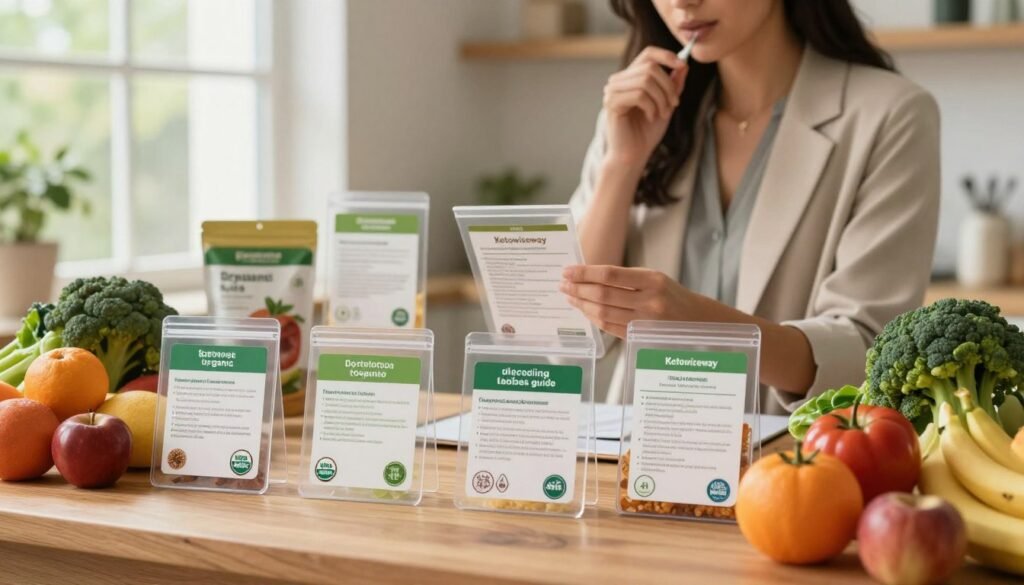
Making an informed choice requires moving beyond marketing claims to verified facts. The front of a package is designed to attract you. The real story is told by the seals and fine print on the back.
Understanding these markers transforms you from a passive shopper into an empowered consumer. You learn to identify which labels signify rigorous standards and which are merely decorative.
USDA Organic: The Gold Standard
When you see the USDA Organic seal, you’re looking at a federally regulated guarantee. It means the item was produced under a strict set of farming and handling rules.
These rules prohibit the use of synthetic fertilizers, most pesticides, and genetically modified organisms. They also mandate practices that support soil and water quality.
Not all uses of this term are equal. Look for specific wording:
- “100% Organic”: Every component must be certified.
- “Organic”: At least 95% of the ingredients must be certified.
- “Made with Organic Ingredients”: At least 70% of the contents must be certified.
Brands like Wildly Organic build their entire line on this foundation. Their USDA Certified Organic promise is a cornerstone of their integrity.
Non-GMO and Beyond: Other Key Markers of Quality
The Non-GMO Project Verified label is crucial for certain crops. Corn, soy, canola, and sugar beets are commonly genetically engineered.
This seal involves ongoing testing and verification. It gives you confidence that these specific ingredients were not modified.
Other certifications speak to broader values. FairTrade Certified ensures farmers and workers receive fair wages and safe conditions.
Certified Kosher indicates adherence to specific preparation standards. This often means an extra layer of scrutiny during processing.
Then there are marketing claims like “natural,” “free-range,” or “lectin-free.” A brand like Big Green Organic might highlight “lectin free” pasta.
These claims are often not backed by a universal standard. They can be useful if you have a specific dietary focus. However, they should not replace verified certifications.
Your best strategy is to prioritize third-party seals. These are awarded by independent organizations after a thorough audit.
They verify claims about farming practices and ingredient integrity. Self-made statements on packaging lack this objective verification.
When you choose trusted products with these seals, you support transparent supply chains. You vote for accountability from farm to shelf.
This knowledge is power when evaluating your options. It helps you cut through the noise and select items aligned with your values.
The most important skill you can develop is to adopt a critical view. Look past the attractive graphics. Seek out the labels that prove a product’s story is true.
Building a Nutritious Pantry: Organic Staples to Stock First
A well-stocked pantry is your secret weapon for effortless, nourishing meals every day. It turns “what’s for dinner?” from a stressful question into an easy answer.
Focusing on a core collection of versatile, high-quality items builds a strong foundation. This approach makes better eating a simple, sustainable habit.
Let’s explore two essential categories to prioritize. These shelf-stable goods form the backbone of countless delicious and wholesome recipes.
Organic Grains, Porridges, and Pastas
Start with versatile, shelf-stable grains like quinoa, brown rice, and oats. These items form the base for countless meals, from breakfast bowls to hearty dinners.
They are packed with fiber and essential ingredients for sustained energy. Keeping a variety on hand ensures you always have a meal starting point.
For quick, warm breakfasts, explore the convenience of organic porridges. Brands like Big Green Organic offer delightful options such as Millet, Corn, and Black Rice Porridge.
These products provide a comforting, nutrient-dense start to your day with minimal prep time. They are a fantastic upgrade from sugary, processed cereals.
Don’t overlook alternative pastas made from grains like millet and sorghum. These are often gluten-free and lectin-free, catering to various dietary needs.
Big Green Organic’s line, featuring shapes like Rotini, Penne, and Ramen, proves that this product category is both diverse and delicious. It makes switching away from conventional wheat pasta an exciting exploration.
Healthy Organic Cooking Oils and Fats
Healthy fats play a critical role in nutrient absorption and satiety. Choosing the right cooking oils is a non-negotiable part of a quality diet.
Emphasize organic, unrefined oils for their stability and health benefits. Coconut oil is a standout for its versatility and medium-chain triglycerides.
Wildly Organic’s coconut oil products offer a range of options. You can select Refined for neutral flavor, Virgin for taste, Centrifuge-pressed for purity, or MCT Oil for a concentrated boost.
Each type serves a different purpose in your kitchen. Building a small collection based on smoke point and flavor profile is a smart strategy.
Use high-heat oils like refined coconut for sautéing. Save delicate, flavorful oils like virgin coconut for drizzling over finished dishes.
This variety empowers your culinary creativity. It ensures you always have the right fat for the job, elevating every meal you prepare.
Adopt a strategic view of your pantry staples. See them as the foundation upon which flavorful, healthy meals are easily built.
When your shelves are filled with these wholesome food items, the temptation for less healthy convenience food fades. Your kitchen becomes a source of daily vitality and joy.
Powerful Snacks and Superfoods: Fueling Your Body Right
Think of your snack drawer not as a temptation zone, but as a strategic fuel depot for your body. The right small bites provide sustained energy and crucial nutrients between meals.
Upgrading your choices here is a direct investment in your daily performance. It turns mindless munching into intentional nourishment.
Focus on items that are dense in vitamins, minerals, and antioxidants. These powerful tools support your focus and vitality from morning to evening.
Raw and Activated Nuts & Seeds
Not all nuts are created equal. The process of “activating” raw nuts and seeds involves soaking and dehydrating them.
This method reduces natural phytates. The result is improved digestibility and greater nutrient bioavailability for your body.
Keeping a variety like almonds, walnuts, and pistachios on hand is wise. They offer a satisfying crunch for salads, baking, or a quick, wholesome snack.
Organic Cacao and Natural Sweeteners
For a true superfood, explore the world of organic cacao. It is exceptionally rich in antioxidants and minerals.
Fermented raw cacao powder and cacao nibs are fantastic ingredients. Add them to your morning smoothie or use them in baking for a deep, complex flavor.
You can also enjoy indulgence without compromise. A quality chocolate syrup made with simple ingredients delivers a rich chocolate flavor free from artificial additives.
Versatile Coconut Products
The coconut is a marvel of versatility. Its derivatives provide delicious options for sweetening and cooking.
Organic coconut sugar and syrup serve as excellent natural sweeteners. They offer a lower glycemic index than regular sugar and a subtle caramel note.
For dairy-free culinary adventures, consider coconut milk powder. This specific product is perfect for sauces, curries, and baking.
It creates a creamy texture without the need for refrigeration. This makes it a supremely convenient pantry staple.
These nutrient-dense snacks and superfoods are more than just treats. They are your tools for maintaining steady energy levels throughout a busy day.
View them as nutritional insurance. They help ensure your body gets the premium fuel it deserves, every single day.
Navigating the Aisles: How to Shop for Organic Foods
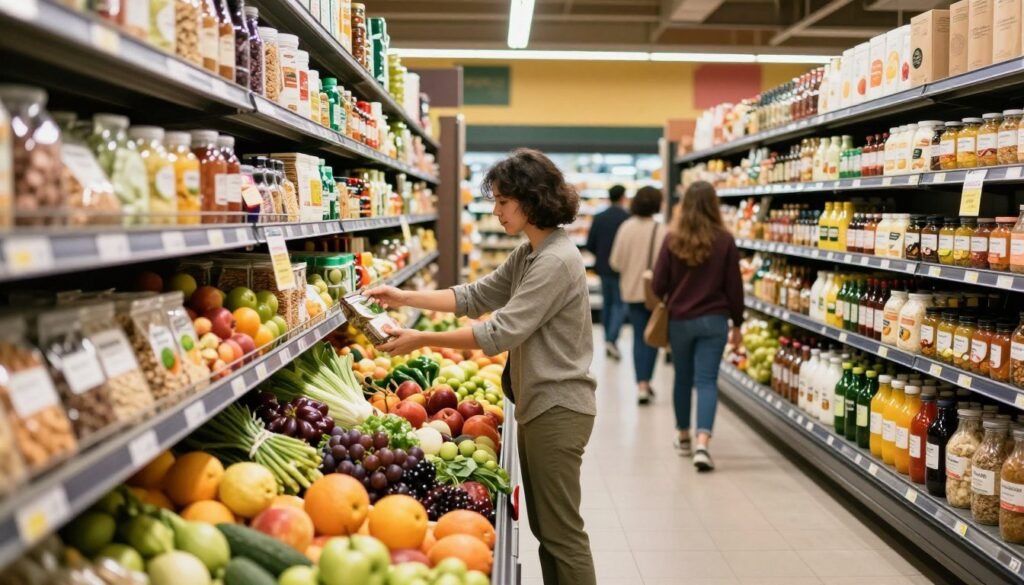
The path to a better pantry involves two distinct routes: the physical store and the digital marketplace. Each offers unique benefits for the modern shopper. Your choice depends on your needs for convenience, selection, and immediacy.
Physical retailers like Natural Grocers provide a tangible experience. Their stores are organized into dedicated departments for easy navigation.
You will find sections for 100% Organic Produce, Bulk Foods, and Grocery. Other areas include Dairy, Frozen, Meat & Seafood, Dietary Supplements, and Body Care.
This layout helps you find what you need quickly. To shop efficiently in such a store, follow a simple plan.
- Start in the produce section. Fill your cart with fresh fruits and vegetables first. This ensures you prioritize the most nutrient-dense items.
- Utilize the bulk bins. They are perfect for staples like grains, nuts, and seeds. You can buy exact amounts, reduce packaging waste, and often save money.
- Read labels carefully. Use your knowledge of certifications from previous sections. Check ingredient lists even in dedicated stores.
Online retailers like Wildly Organic offer a different kind of convenience. Their major advantage is a vastly wider selection of specialized products.
You gain access to customer reviews and detailed product descriptions. This research helps you make confident decisions from home.
The convenience of direct shipping to your door is a significant time-saver. Use website filters and categories to narrow your search effectively.
You can view only gluten-free, vegan, or non-GMO options with a few clicks. This tailored browsing is powerful for specific dietary needs.
Always check the shipping policies before you finalize an online order. Understand the costs, delivery times, and packaging methods.
This is crucial when ordering perishable or heavy items. Reputable online stores are transparent about their shipping process and guarantees.
| Shopping Criteria | Physical Store Experience | Online Retailer Experience |
|---|---|---|
| Selection & Discovery | Hands-on inspection of fresh items. Immediate purchase. | Vast, specialized catalog. Easy to compare brands and read reviews. |
| Cost & Value | Potential savings in bulk bins. Supports local community businesses. | Often better prices for shelf-stable goods in bulk. Subscription discounts may apply. |
| Convenience & Time | Requires travel time. Instant gratification. | Shop anytime. Direct delivery saves a trip. Requires planning for delivery windows. |
| Ideal For | Fresh produce, last-minute needs, wanting to see and touch food. | Pantry staples, specialty diets, bulk orders, and hard-to-find organic goods. |
A smart hybrid approach often works best. Purchase shelf-stable pantry staples online for bulk savings and convenience.
Buy your fresh produce and perishables from a trusted local store. This strategy supports community retailers while maximizing your overall efficiency.
You become a savvy navigator of both worlds. Your view of shopping transforms into a strategic exercise in value and vitality.
Beyond the Price Tag: Evaluating Quality and Value
The sticker price on a package tells only a fraction of the story about its real worth. A savvy shopper knows that true value is measured in nutritional payoff, ingredient integrity, and ethical impact.
Your actual cost includes the nourishment density you receive and the absence of harmful additives. Investing in a superior product means you pay for what is present, not for what you avoid.
Start your evaluation by turning the package over. A short list of recognizable, whole-food ingredients is a primary indicator of quality. If you can pronounce and identify each component, you’re on the right track.
Next, consider how it was made. Minimal processing preserves vital nutrients and enzymes. Look for terms like cold-pressed, raw, or stone-ground.
Brands like Wildly Organic build their reputation on this principle. Their oils and nuts are handled with care to lock in nutritional richness.
When assessing any item, ask yourself these key questions:
- What is the source and quality of each component?
- Does the processing method protect or degrade the nutrients?
- Do the stated prices reflect these higher standards of production?
Higher upfront prices often mirror superior farming methods and fair labor practices. You are supporting soil health, biodiversity, and ethical supply chains. This broader contribution is part of the item’s total value.
Real-world performance is another critical metric. Customer reviews offer unfiltered insight into taste and utility.
For instance, many customer testimonials for Big Green Organic pasta rave about its authentic taste. One common note is that users “can’t tell the difference from wheat pasta,” while also appreciating it’s safe for celiacs.
| Price-First View | Value-First View |
|---|---|
| Chooses the lowest shelf tag. | Considers cost per nutrient and long-term benefit. |
| Ignores processing and sourcing details. | Prioritizes minimal processing and ethical origins. |
| Sees a short ingredient list as a lack of flavor. | Sees a short ingredient list as a mark of purity. |
| Views customer feedback as optional. | Uses reviews to gauge real-world satisfaction. |
Your personal view of value should encompass health outcomes, taste satisfaction, and alignment with your ethical standards. The right product delivers on all these fronts.
This holistic perspective transforms your shopping from a transaction into a meaningful choice. You’re not just buying food; you’re investing in a result.
Budgeting for Organic: Making a Healthier Diet Affordable
Navigating the cost of cleaner eating is less about spending more and more about spending wisely. A strategic view of your grocery budget makes premium nourishment completely achievable.
Start by prioritizing your purchases. Focus on fresh items known to have higher pesticide residues when grown conventionally. The Environmental Working Group’s “Dirty Dozen” list is a great guide.
For other staples, explore store-brand organic lines. These often provide the same quality certification at a more accessible price point than name brands.
Buying in bulk is a powerful tactic for non-perishable goods. Grains, nuts, seeds, and dried legumes have a much lower cost per unit when purchased in larger quantities.
This approach saves money and reduces packaging waste. It ensures you always have foundational ingredients on hand for meals.
Always be on the lookout for introductory promotions. For example, Wildly Organic offers new customers a 10% discount and free shipping on their first order.
They back this with a satisfaction guarantee. It’s a risk-free way to try high-quality products and experience the value firsthand.
Plan your meals around what’s on sale and in season. Weekly flyers from your local grocer highlight the best prices for fresh produce.
Seasonal items are at their peak of freshness and are usually more affordable. This simple habit maximizes flavor and minimizes cost.
Adopt a holistic view of your overall spending. The funds for better groceries can come from cutting back in other areas.
Reduce purchases of processed snacks and convenience meals. Eating out less frequently can also free up a significant portion of your budget.
Reallocate those savings toward higher-quality ingredients you prepare at home. Your body and your wallet will both feel the difference.
For items you use regularly, consider subscription options. Many online retailers offer auto-delivery programs for pantry staples.
These subscriptions typically provide a discount on the product and consistent savings on shipping over time. They ensure you never run out of your essentials.
The table below contrasts two different mindsets toward grocery spending. Shifting your perspective is the first step toward affordability.
| Conventional Budgeting Mindset | Strategic Organic Budgeting Mindset |
|---|---|
| Shops without a plan, leading to impulse buys. | Prioritizes purchases based on lists like the “Dirty Dozen.” |
| Buys small packages for immediate needs. | Purchases shelf-stable staples in bulk for lower unit cost. |
| Pays full price and standard shipping fees. | Actively uses new customer discounts and free shipping offers. |
| Shops for recipes regardless of season or sales. | Plans meals around weekly sales and seasonal availability. |
| Views grocery spending in isolation. | Sees budget holistically, cutting processed items to fund better ingredients. |
| Makes one-time purchases at full price. | Uses subscriptions for frequent items to lock in savings. |
Remember, investing in organic choices is an investment with a tangible return. The long-term value for your well-being far outweighs the initial planning effort.
Smart strategies make this way of eating sustainable for your lifestyle and your finances. You gain access to superior nourishment without strain.
Learning from Others: The Importance of Reviews and Community
Your next great discovery in the grocery aisle might come not from a label, but from the voice of a fellow shopper. In today’s connected world, you have access to a vast network of shared experience. This collective wisdom is a powerful tool for making smarter choices.
Authentic customer feedback is invaluable, especially when shopping online. You cannot physically inspect a product through a screen. Reviews provide that crucial, real-world perspective you need.
Consider the testimonials for Big Green Organic pasta. Real users highlight specific benefits that go beyond a marketing description.
“I love the millet pasta! It has a perfect texture and holds sauce beautifully.”
Another reviewer, Flojam, notes it “tastes great and is lectin-free.” For someone with celiac disease, this feedback is golden. A customer named PS shares, “As a celiac, I appreciate a safe, gluten-free pasta that doesn’t compromise on taste.”
These snippets reveal consistent strengths: taste, texture, and dietary safety. They transform a generic item into a trusted solution for your needs.
Community insight extends beyond single product pages. Platforms like Trustpilot aggregate scores for entire retailers.
Local store forums and social media groups buzz with conversations. Here, people discuss new arrivals, share recipes, and warn about disappointments. This dialogue reveals patterns you might otherwise miss.
Your view of a brand becomes multidimensional. You see it through the lens of many lived experiences, not just corporate messaging.
Becoming an active participant enriches the community. After trying a new item, take a moment to share your honest view. Your feedback helps others in the conscious-consumption community make better decisions.
Local health food stores often foster this sense of connection physically. Stores like Natural Grocers create spaces for learning.
They host events with nutrition experts and cooking demos. Knowledgeable staff are available to answer questions on the spot. Sela P., a shopper at Natural Grocers, values this, saying, “The staff’s advice helped me find alternatives that worked for my family.”
This blend of expert guidance and peer support is unique. It turns shopping from a chore into a collaborative discovery process.
This shared knowledge is your compass in the bustling marketplace. It helps you uncover hidden gems and avoid costly mistakes. The table below contrasts two primary sources of this community insight.
| Source of Insight | Type of Feedback | Best For |
|---|---|---|
| Online Review Platforms | Written testimonials, star ratings, and photo evidence from verified buyers. | Researching specific items before an online purchase. Comparing brands anonymously. |
| Local Store Community | In-person conversations, staff recommendations, and live workshop learnings. | Getting immediate, personalized advice. Discovering local organic producers and seasonal items. |
Embrace this collective intelligence. Let the experiences of others guide your exploration of new foods. Their successes and cautions can streamline your journey toward better nourishment.
This community-driven approach makes upgrading your pantry less daunting. You are never navigating alone. Together, you build a repository of knowledge that benefits everyone seeking a cleaner, more intentional diet.
From Cart to Table: Integrating Organic Foods into Your Daily Life
Bringing those carefully chosen items home is just the first step. The real magic happens when you weave them into your daily routine.
This integration turns premium ingredients into the foundation of your vitality. It’s where planning meets practice on your plate.
Start with a familiar, crowd-pleasing dish. A hearty pasta salad is a perfect example. Use a box of Big Green Organic’s millet pasta as your base.
Cook it according to the package directions, which may differ slightly from wheat pasta. Then, toss it with fresh vegetables, a simple vinaigrette, and herbs.
You’ve just created a satisfying lunch or side dish. It leverages a new pantry staple in a completely approachable way.
For more inspiration, tap into the wealth of free online resources. The Wildly Organic blog is a treasure trove of ideas.
You can find recipes for vibrant breakfasts that go beyond cereal. They also offer formulas for decadent, flour-less brownies.
These recipes are designed for specific dietary views, like gluten-free or paleo. They provide a clear blueprint for success.
Adopt a strategy of simple swaps to build momentum. These small changes have an outsized impact on your daily meals.
- Use organic coconut oil for sautéing vegetables instead of refined seed oils.
- Stir a spoon of organic coconut sugar into your morning coffee for a caramel note.
- Top your yogurt with a handful of activated nuts for crunch and protein.
Meal prepping is your ally for consistent success. Dedicate a few hours each week to prepare components with your quality products.
Cook a large batch of quinoa, roast a tray of vegetables, or assemble overnight oats. Having these ready-to-go options drastically reduces reliance on takeout.
It ensures a wholesome choice is always the easiest choice during a busy week.
Embrace a slight learning curve with new foods. Alternative pastas, for instance, may have different optimal cooking times.
Resources like Dr. Gundry’s video on lectin-free pasta alternatives can provide helpful context. Approach this phase with curiosity rather than pressure.
Your first attempt might not be perfect, and that’s okay. Experimentation is how you discover new favorite flavors and techniques.
Finally, leverage the convenience of reliable online retailers. Consistent shipping of pantry staples ensures your kitchen is always stocked for success.
You avoid last-minute trips to the store when inspiration strikes. This reliable shipping model supports your meal planning habits seamlessly.
It turns your home into a well-supplied headquarters for daily nourishment. With these products on hand, you’re always ready to create something good.
Conclusion: Taking the Next Step on Your Wellness Journey
Your path to enhanced vitality is now clear, and the tools for success are within your reach. You have learned to decode labels, stock a smart pantry, shop wisely, and value quality over price alone.
Remember, this transition is a progressive journey. Every positive change counts toward your long-term well-being.
Take your next actionable step today. Sign up for a new customer discount with an online retailer. Visit a local natural grocer to explore their offerings.
Reputable stores provide safety nets to reduce risk. For example, Wildly Organic offers a 30-day Satisfaction Guarantee on their products. This allows you to try new organic items with confidence.
Join loyalty programs like Natural Grocers’ {N}power for exclusive discounts and newsletters. This keeps you informed about new arrivals and health insights.
Your choice to prioritize better nourishment is a powerful commitment. It leads to a more vibrant life. Start your journey now and feel the difference.