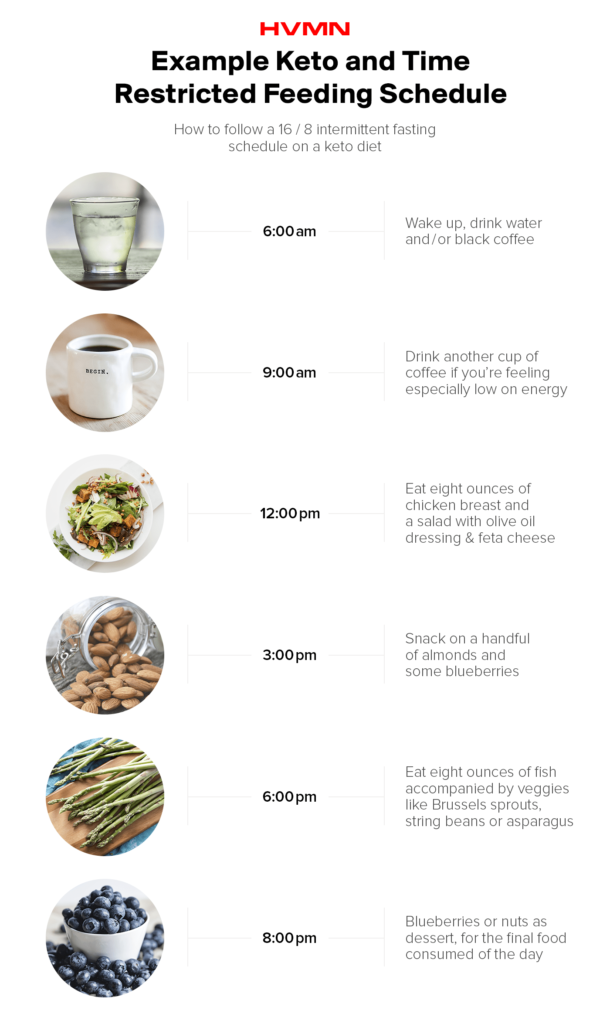
What if you could transform your daily meals without feeling deprived or overwhelmed?
Many individuals adopt a reduced-carbohydrate approach to manage weight, stabilize blood sugar, or address specific wellness goals. Starting out can seem challenging, but it doesn’t have to be complex.
This guide offers practical steps to make your journey straightforward and full of flavor. You’ll discover a wide variety of delicious and nutritious options.
The focus is on whole, unprocessed ingredients that promote overall well-being. You will learn fundamental principles, helpful food lists, and simple meal ideas.
Whether you’re new to this or looking to refine your plan, these strategies are designed for success. Embrace this as an opportunity to explore new cooking techniques and enjoy satisfying meals.
With proper knowledge and preparation, a carb-conscious lifestyle is both achievable and rewarding.
Key Takeaways
- A reduced-carb approach can support weight management and blood sugar control.
- There is a vast array of tasty and nourishing ingredients to choose from.
- Focusing on whole, unprocessed foods is a cornerstone of this eating style.
- Practical planning and understanding net carbs are keys to long-term success.
- This lifestyle is adaptable for beginners and experienced individuals alike.
- Meal preparation helps maintain consistency and makes daily choices easier.
- Exploring new flavors and recipes can make the journey enjoyable and sustainable.
Understanding Low-Carb Health Food Fundamentals
A clear grasp of two key concepts will empower you to make confident and effective dietary choices. This foundation turns a simple list of foods into a strategic, sustainable eating plan.
What Defines a Low-Carb Eating Plan?
At its core, a low-carb diet significantly reduces your intake of carbohydrates. While definitions vary, many plans target fewer than 130 grams of carbs per day.
The focus shifts dramatically. You’ll prioritize protein sources, healthy fat, and non-starchy vegetables. The goal is to minimize sugars and refined starches.
This approach isn’t one-size-fits-all. It spans from moderate reductions to very low-carb ketogenic, or keto, protocols. Your personal targets depend on your goals.
Net Carbs vs. Total Carbs: What You Need to Know
This distinction is vital for making smart selections. Not all carbohydrates affect your body in the same way.
Net carbs refer to the digestible carbohydrates your body actually absorbs. You calculate them by subtracting the fiber content from total carbs. For processed items, subtract a portion of sugar alcohols as well.
Consider a cup of broccoli. Its total carb content includes several grams of fiber. This fiber reduces the net count. Pure oil contains zero net carbs.
Tracking net carbs offers greater flexibility. It allows you to enjoy more fibrous vegetables, nuts, and some dairy while staying within your limits.
Note that some plans, especially for medical nutrition, recommend tracking total carbs instead. Always consult a professional for personalized advice.
Understanding this principle lets you optimize your diet. Always check nutrition labels and consider net carbs when planning your meal.
How to Start Your Low-Carb Diet Successfully
Getting started with confidence means focusing on two critical actions: goal-setting and environment shaping. A thoughtful launch builds momentum and turns intention into lasting habit.
Your initial week is about learning and adjustment, not perfection. Embrace it as a practical experiment in nourishing your body differently.
Setting Realistic Goals for Your Journey
Begin by defining clear, achievable objectives. Instead of a vague aim like “eat better,” set a specific daily carb target or a weekly milestone.
A moderate reduction is often more sustainable than an extreme shift. This allows your body to adapt without severe restriction.
Track your intake for the first few days. This awareness reveals hidden sugar in sauces and dressings. It’s a powerful learning tool.
Enlist support from household members or friends. A shared commitment creates a positive environment for your new diet.
Remember, consistency trumps perfection. Building steady habits is the real measure of success.
Some people experience fatigue or headaches initially, often called the “keto flu.” Staying hydrated and getting enough electrolytes can help.
Listen to your body and be ready to adjust. Your plan should work for you, not against you.
Clearing Your Pantry of High-Carb Temptations
Your physical space must support your goals. Start by removing items like bread, pasta, and sugary snacks.
Processed foods are often high in refined carbohydrates. Read labels carefully to understand their content.
Replace these items with foundational staples. Stock up on lean proteins, non-starchy vegetables, and quality fats.
Ingredients like cheese, nuts, and full-fat dairy make excellent replacements. They provide flavor and satisfaction.
Plan your first week of meals in advance. This prevents decision fatigue and ensures you have the right food on hand.
Prepare simple meals like a large batch of roasted vegetables and grilled chicken. This saves time during busy days.
Keep smart options visible. Have cut veggies, hard-boiled eggs, and other ready-to-eat snacks easily accessible.
This foundational step minimizes temptation. It sets you up for daily victories, making your new routine much easier to maintain.
Your Essential Guide to Low-Carb Proteins
Proteins are the powerful building blocks that can anchor your new eating strategy, providing both structure and satisfaction. They form the core of many satisfying meals.
Choosing the right sources is key. This guide explores the best options to fuel your body and delight your palate.
These ingredients are fundamental for a reason. They are rich in essential amino acids and typically have minimal carbohydrate content.
Animal Proteins: Beef, Chicken, Pork, and Lamb
Animal-based protein is a staple for many people. Cuts like beef, chicken, pork, and lamb contain virtually zero digestible carbs.
They are packed with nutrients your body needs. Opt for unprocessed cuts for the best nutritional profile.
Think ribeye steak, chicken thighs, or pork chops. These choices support muscle maintenance and help you feel full longer.
Processed items like some bacon or jerky can have added sugars. Always check the nutrition label to confirm their carb count.
Seafood: Salmon, Shrimp, Tuna, and Shellfish
Seafood offers a fantastic double benefit. It provides high-quality protein along with beneficial fats.
Fatty fish like salmon are renowned for their omega-3 fatty acids. These support heart and brain function.
Options like shrimp, tuna, and shellfish are also excellent. They are low in carbs and rich in nutrients like iodine and B12.
Cooking seafood is often quick and simple. A quick pan-sear or bake preserves its natural flavor and tenderness.
The Role of Eggs in Your Daily Meals
Eggs might be the most versatile food in your kitchen. They are a nutrient-dense powerhouse perfect for any meal.
A large egg contains about 6 grams of protein and less than 1 gram of carbohydrate. They are economical and easy to prepare.
Whip them into an omelet for breakfast, add a hard-boiled one to your salad for lunch, or make a frittata for dinner. Their uses are nearly endless.
For the best results, use simple cooking methods. Grilling, baking, or sautéing with a healthy oil like avocado oil adds no extra carbs.
Incorporate a variety of proteins throughout your week. This prevents boredom and ensures a broad spectrum of nutrients.
Pair your chicken, fish, or meat with non-starchy vegetables and a source of good fat. This creates a balanced, satisfying plate.
Don’t be afraid to experiment with different recipes and seasonings. A new spice blend or herb can transform a simple piece of protein.
With a little planning and time in the kitchen, your meals will be both delicious and aligned with your goals.
Low-Carb Vegetables to Fill Your Plate
Beyond mere side dishes, vegetables can become the star of your plate, offering volume, nutrients, and flavor without a significant carb cost. Non-starchy varieties are foundational to a smart eating plan.
They are typically high in fiber, vitamins, and minerals. This makes them ideal for creating satisfying meals.
Aim to fill half your plate with these colorful ingredients. This simple strategy boosts satiety and nutritional value.
Leafy Greens: Spinach, Kale, and Swiss Chard
Leafy greens are nutritional powerhouses with minimal impact on your daily count. Spinach, kale, and Swiss chard are extremely low in net carbs.
Their high fiber content is the key. You can enjoy large, generous portions in salads or cooked dishes.
Sauté them with garlic and a touch of healthy oil. They also blend perfectly into smoothies for a nutrient boost.
Cruciferous Vegetables: Broccoli, Cauliflower, and Brussels Sprouts
This family is renowned for its versatility and nutrient density. Broccoli, cauliflower, and Brussels sprouts are kitchen staples.
Cauliflower is famously adaptable. You can rice it, mash it, or roast it as a satisfying side.
Broccoli florets roast beautifully with a drizzle of olive oil. Brussels sprouts caramelize wonderfully when halved and baked.
These vegetables add substantial texture and fiber to any meal.
Other Versatile Veggies: Zucchini, Bell Peppers, and Asparagus
Add color, crunch, and variety with this group. Zucchini, bell peppers, and asparagus are incredibly flexible.
Spiralized zucchini makes an excellent noodle substitute. Bell peppers are perfect for stuffing with cheese and meat.
Thin spears of asparagus cook quickly on the grill or in a hot pan. They pair well with a creamy sauce or a squeeze of lemon.
Including a mix ensures you get a wide range of phytonutrients.
| Vegetable | Total Carbs (g) | Fiber (g) | Net Carbs (g) |
|---|---|---|---|
| Spinach | 3.6 | 2.2 | 1.4 |
| Kale | 8.8 | 3.6 | 5.2 |
| Broccoli | 7.0 | 2.6 | 4.4 |
| Cauliflower | 5.0 | 2.0 | 3.0 |
| Brussels Sprouts | 9.0 | 3.8 | 5.2 |
| Zucchini | 3.1 | 1.0 | 2.1 |
| Bell Pepper (Green) | 4.6 | 1.7 | 2.9 |
| Asparagus | 3.9 | 2.1 | 1.8 |
The table above shows how to calculate net carbs by subtracting fiber from total carbs. Many vegetables have very low net counts.
Choose cooking methods that preserve nutrients and enhance flavor. Steaming, roasting, or sautéing with quality fats are excellent choices.
Remember, starchy vegetables like potatoes and corn have higher carb content. Limit these on a strict diet.
Rotating your choices keeps your recipes exciting. It also provides a broader spectrum of nutrients over time.
Incorporating Fruits and Healthy Fats
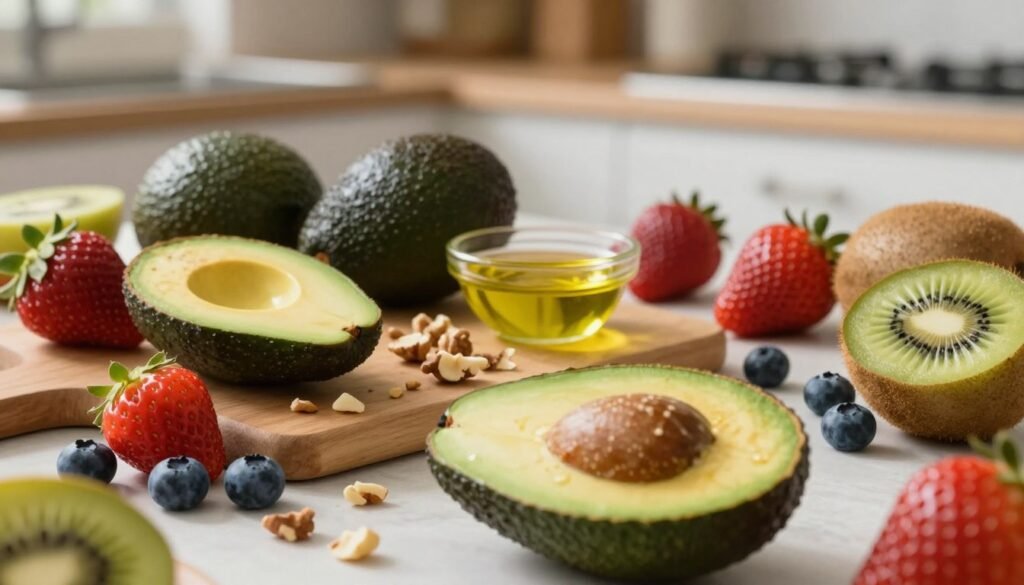
Two often-misunderstood groups—fruits and fats—can become powerful allies in your eating strategy. Learning to select the right ones adds tremendous flavor, nutrients, and satisfaction to your meals.
This approach is not about elimination. It’s about smart, strategic inclusion. You can enjoy sweet and rich ingredients while staying on track.
Choosing Low-Sugar Fruits: Avocados, Berries, and Olives
Many fruits are higher in natural sugar. You can still include some in moderation on a low-carb diet. Focus on options with lower net carbs.
Avocados and olives are unique. They are technically fruits but are high in healthy fats and very low in net carbs. This makes them staple ingredients.
Berries like strawberries and raspberries are excellent choices. They satisfy sweet cravings without spiking blood sugar dramatically. A small serving adds color and fiber.
Be cautious with high-sugar varieties. Bananas, grapes, and mangoes have a much higher carb content. They can quickly use up your daily allowance.
Pair your fruits with protein or fat. Try berries with full-fat Greek yogurt or a few apple slices with cheese. This slows sugar absorption and enhances fullness.
| Fruit (per 100g raw) | Net Carbs (g) | Key Notes |
|---|---|---|
| Avocado | ~2 | High in monounsaturated fats, very filling. |
| Black Olives | ~3 | Rich, savory flavor, great for salads. |
| Strawberries | ~6 | Vitamin C rich, perfect for a small dessert. |
| Raspberries | ~5 | High in fiber, low in net impact. |
| Grapefruit | ~9 | Tart and refreshing, best in half portions. |
| Lemons/Limes | ~3-6 | Primarily for flavoring drinks and recipes. |
Cooking with Healthy Oils: Avocado Oil and Olive Oil
Healthy fats are essential. They provide long-lasting energy, support hormone production, and help your body absorb vital vitamins. In a low-carb framework, they are a primary fuel source.
A key fact: pure fats and oils contain zero carbohydrates. You can use them liberally to add richness and flavor to dishes without affecting your carb count.
Avocado oil and extra virgin olive oil are top-tier choices. Both are packed with beneficial monounsaturated fats. They also have high smoke points, especially avocado oil, making them excellent for cooking.
Incorporate them easily. Drizzle olive oil over finished vegetables and salads. Use avocado oil for sautéing proteins or roasting vegetables. Add slices of creamy avocado directly to your meal.
These fats are crucial for satiety. They keep you full and satisfied for a long time. This reduces the likelihood of cravings and makes your plan much easier to follow.
Dairy, Nuts, and Seeds for Flavor and Crunch
Dairy products, nuts, and seeds offer a fantastic way to add depth and satisfaction to your daily routine. They bring creamy textures, satisfying crunch, and rich flavor to your plate.
These ingredients are more than just additions. They provide essential nutrients and help create more enjoyable meals.
Understanding how to choose and use them wisely is key. It maximizes their benefits while keeping your carbohydrate intake in check.
Selecting Full-Fat Dairy: Cheese, Yogurt, and Cream
Full-fat dairy can be a valuable part of a low-carb diet. Products like cheddar cheese, heavy cream, and full-fat yogurt provide protein, fat, and flavor.
Their carb content is typically moderate. For example, many contain between 2 and 11 grams of carbs per 100-gram serving.
Always choose unsweetened, full-fat options. Plain Greek yogurt and heavy cream have minimal added sugar. This makes them excellent for recipes and snacks.
Dairy adds wonderful richness to foods. A sprinkle of cheese on roasted vegetables or a dollop of cream in a sauce enhances any meal.
If you are lactose intolerant, opt for hard, aged cheeses. These have very little lactose. Lactose-free products are also a great alternative.
Smart Snacking with Nuts and Seeds
Nuts and seeds are convenient, portable snacks. They deliver healthy fats, protein, and fiber.
It’s important to remember they are calorie-dense. A small handful goes a long way in terms of energy and nutrients.
Some of the best low-carb options include macadamia nuts, walnuts, and pecans. For seeds, consider chia, flax, and pumpkin seeds.
Portion control is crucial. Their carb content can add up quickly if you eat large quantities. Pre-portioning them saves time and helps manage intake.
Incorporate them creatively. Sprinkle chopped nuts over a salad for crunch. Use plain yogurt as a base for a savory herb dip.
Always read labels carefully. Avoid flavored yogurts and processed nut mixes with added sugars or unhealthy oils.
These foods are nutrient-dense. They can help fill nutritional gaps when selected as part of a smart plan.
| Food Item (per 100g) | Net Carbs (grams) | Primary Benefits |
|---|---|---|
| Cheddar Cheese | ~1.3 | High in protein and calcium, very low in carbs. |
| Heavy Cream | ~3 | Adds richness to coffee, sauces, and recipes. |
| Full-Fat Greek Yogurt | ~4 | High in protein, versatile for sweet or savory uses. |
| Macadamia Nuts | ~5 | Among the lowest-carb nuts, high in monounsaturated fat. |
| Walnuts | ~7 | Excellent source of omega-3 fatty acids. |
| Dried Chia Seeds | ~8 | Very high in fiber, great for puddings and thickening. |
| Pumpkin Seeds | ~10 | Good source of magnesium and iron. |
The table shows how net carbs vary. Dairy items and certain nuts are excellent choices for a reduced-carbohydrate diet.
Pair these with non-starchy vegetables and lean proteins. You create balanced, satisfying plates that support your goals.
They bridge the gap between nutrition and enjoyment. This makes sticking to your plan easier and more pleasurable over time.
Simple Low-Carb Breakfast Ideas to Kickstart Your Day
Breaking the fast with the right nutrients can dramatically influence your energy and focus until lunch. A satisfying morning meal stabilizes blood sugar and prevents mid-morning cravings.
This foundation supports your entire daily diet. Skipping traditional high-carb items like cereal or toast significantly reduces your intake.
You have many delicious options. Embrace recipes that are both nutritious and quick to prepare.
Egg-Centric Meals: Omelets, Scrambles, and Bites
Eggs are a protein-packed cornerstone for your morning. Dishes like omelets, scrambles, and baked bites are versatile and filling.
Fill them with non-starchy vegetables such as bell peppers and mushrooms. Add cooked chicken, beef crumbles, or a sprinkle of cheese for balance.
Consider making Copycat Starbucks Egg Bites ahead of time. These portable meals are perfect for busy mornings.
They combine eggs, dairy, and your favorite ingredients in a muffin tin. Bake once and enjoy all week.
Quick Options: Greek Yogurt and Avocado
When you need speed, turn to two powerhouse foods. Full-fat Greek yogurt and creamy avocado deliver flavor and nutrients.
Top plain yogurt with a handful of berries and nuts. This provides protein, fats, and fiber with minimal sugar content.
Halve an avocado and fill it with smoked salmon or leftover beef. It’s a savory, satisfying start that requires no cooking.
These choices keep carbs in check. They align perfectly with a low-carb diet framework.
Meal prepping components saves precious minutes. Hard-boiled eggs and pre-chopped veggies streamline your routine.
Experiment with herbs, spices, and sugar-free condiments. A new flavor profile can make familiar recipes exciting again.
Remember, breakfast doesn’t have to be traditional. Last night’s dinner leftovers can make a great morning meal.
A nutritious beginning sets a positive tone. It supports your goals and makes sticking to your plan easier throughout the day.
Easy and Satisfying Low-Carb Lunch Solutions
Your midday meal is a powerful opportunity to refuel and recharge without derailing your progress. It provides the energy needed for a productive afternoon.
Focus on nutrient-dense foods that keep you satisfied. This prevents the common post-lunch slump many people experience.
The right ingredients make all the difference. You can enjoy classic flavors in creative, new ways.
With a little planning, lunch becomes a highlight of your day. These solutions are both simple and delicious.
Big, Hearty Salads with Protein
Think beyond a small side salad. Build a substantial, filling bowl that serves as a complete meal.
Start with a generous base of leafy greens like spinach or kale. These provide volume and fiber with minimal carb content.
Load it up with a quality protein source. Grilled chicken, canned tuna, or hard-boiled eggs are excellent choices.
Add texture and flavor with a variety of non-starchy vegetables. Try sliced bell peppers, broccoli florets, or asparagus tips.
A sprinkle of cheese, nuts, or seeds introduces healthy fats and crunch. A full-fat dressing made with olive oil ties everything together.
This combination promotes satiety for hours. It ensures you won’t be searching for snacks before dinner.
Lettuce Wraps and Bunless Burgers
Craving a sandwich? You can enjoy all the flavor without the high-carb bread. Large, sturdy leaves become your new wrapper.
Romaine lettuce, butter lettuce, or large cabbage leaves work perfectly. They hold your fillings and add a fresh crunch.
For a bunless burger, simply enjoy your patty topped with cheese, avocado, and sauce on a bed of greens. It’s incredibly satisfying.
Get creative with wrap recipes. Philly Cheesesteak Cabbage Wraps use sautéed beef and peppers. Cheeseburger Cabbage Wraps replicate a classic favorite.
These ideas are perfect for using leftover meat from last night’s dinner. They come together in very little time.
| Lunch Style | Key Components | Protein Ideas | Net Carb Impact |
|---|---|---|---|
| Salad Bowl | Leafy greens, mixed veggies, full-fat dressing, nuts/seeds. | Grilled chicken, salmon, shrimp, hard-boiled eggs. | Very Low (5-10g) |
| Wrap & Burger | Large lettuce/cabbage leaves, savory fillings, creamy sauce. | Ground beef patty, sliced steak, turkey, tuna salad. | Low (5-8g) |
Meal preparation simplifies your routine. Cook extra protein when making dinner.
Store pre-washed greens and pre-chopped vegetables like cauliflower and zucchini in your fridge. Having homemade dressing ready saves minutes.
Assembling salads in jars is a great strategy. Layer dressing at the bottom, then hearty vegetables, protein, and greens on top.
Your midday meal should be enjoyable. Experiment with different cuisines and ingredients to keep your diet exciting.
Including adequate protein and fats is key. It supports your energy levels and makes this way of eating sustainable.
Delicious Low-Carb Dinner Recipes for Every Night
Your final meal of the day doesn’t have to be complicated to be incredibly delicious and supportive of your goals. This is a time to enjoy a balanced, flavor-packed plate that aligns with your nutritional aims.
Evening meals can please the whole family. They prove that mindful eating does not mean sacrificing enjoyment.
One-Pan Protein and Veggie Dinners
Streamline your evening routine with a brilliant method. Cooking your protein and vegetables together on one sheet pan saves time and minimizes cleanup.
This approach is wonderfully simple. You arrange everything on a baking sheet, season it, and roast.
The high heat caramelizes natural sugars in vegetables. It also creates a perfect sear on meat or fish.
Consider sheet-pan garlicky shrimp with asparagus and bell peppers. A one-pan chicken and broccoli bake is another fantastic option.
For a heartier dish, try a beef steak with roasted broccoli. A simple broth-based soup served with a side salad also makes a satisfying dinner.
These recipes require minimal active effort. They free you up to relax while your meal cooks.
Comfort Food Makeovers: Cauliflower Rice and Zucchini Noodles
Craving classic comfort dishes? You can recreate them with clever vegetable swaps. Two superstar substitutes lead the way.
Cauliflower rice and zucchini noodles replace grains and pasta. They provide similar textures with a fraction of the digestible carbs.
Making cauliflower rice is easy. Pulse fresh cauliflower florets in a food processor until they resemble grains.
Then, sauté the “rice” in a hot pan with a little oil. In minutes, you have a fluffy base for dishes like cauliflower fried rice.
Spiralized zucchini becomes “zoodles.” Use them in place of spaghetti in many recipes.
Try zucchini lasagna roll-ups or a dish like cacio e pepe egg noodles. The possibilities are nearly endless.
These makeovers allow you to enjoy familiar flavors. They keep your diet exciting and sustainable.
Specific recipes offer great inspiration. High-Protein Marry Me Chicken features a creamy, herbed sauce.
Keto Beef Stew is a hearty, slow-cooked classic. Creamed Spinach Stuffed Salmon delivers elegance and nutrients.
Employ techniques like roasting, grilling, or sautéing. These methods enhance natural tastes without adding unnecessary carbohydrates.
Consider batch cooking components for future meals. Roast a large tray of vegetables or cook extra chicken.
Leftovers become easy lunches or quick dinners on busy nights. This planning is a cornerstone of long-term success.
Your evening food should be deeply satisfying. These ideas show that a low-carb diet is rich in content and fiber.
It’s about celebrating whole ingredients. A sprinkle of cheese or a drizzle of savory sauce can make all the difference.
Embrace the creativity in your kitchen. You’ll discover that delicious, nourishing meals are always within reach.
Mastering Low-Carb Snacking
The right between-meal bites can be a strategic tool for maintaining your dietary momentum. Smart choices prevent hunger and help you stick to your plan.
Intentional snacks bridge gaps between your main meals. They keep energy stable and curb cravings for less optimal food.
Preparing Veggie Sticks with Dips
Fresh, crunchy vegetables make perfect vehicles for rich, flavorful dips. Options like cucumber, bell peppers, and broccoli florets are ideal.
Their high fiber and water content provide volume with minimal digestible carbs. Pair them with high-fat, low-carb options for satisfaction.
Guacamole made from creamy avocado is a classic. Ranch dressing using full-fat sour cream or a spinach-artichoke sauce also works well.
These combinations deliver flavor and nutrients. They turn a simple snack into a satisfying mini-meal.
Keeping Cheese and Jerky on Hand
For convenience, stock portable items that require no preparation. Cheese cubes, quality beef jerky, and hard-boiled eggs are excellent.
Always check labels on packaged items like jerky. Look for hidden sugar and avoid unhealthy additives.
Nuts and seeds are another great option. Be mindful of portion sizes due to their calorie density.
Pre-portion these items ahead of time. This simple step prevents overeating when hunger strikes.
More elaborate recipes can also delight your palate. Consider deviled eggs or cucumber slices topped with salmon and cream cheese.
Stuffed mini peppers with beef and dairy are another tasty idea. These ingredients keep your diet interesting.
Remember, snacking should be a deliberate act. Avoid eating out of boredom to support your overall success.
A small salad or a slice of leftover frittata can also serve as a smart snack. This approach aligns perfectly with a low-carb diet.
With a little planning, your between-meal choices become powerful allies. They help you maintain consistency and enjoy every bite.
Low-Carb Cooking Techniques and Flavor Boosters
Unlock the full potential of your pantry staples with simple, flavor-enhancing techniques. Mastering a few key methods transforms basic ingredients into delicious, satisfying meals.
This approach adds excitement without increasing your carbohydrate intake. It turns everyday cooking into a creative and enjoyable process.
Herbs, Spices, and Sugar-Free Condiments
Fresh and dried herbs are your best allies. They add complex flavor profiles with virtually zero carb impact.
Build depth with aromatics like garlic, ginger, and onions. These foundational ingredients form the base of countless savory recipes.
Be cautious with bottled condiments. Many, like ketchup and BBQ sauce, are loaded with hidden sugar.
Opt for sugar-free alternatives instead. Mustard, hot sauce, and homemade mayonnaise are excellent choices.
Create your own herb-infused oils or vinegar-based dressings. This adds a custom zest to salads and cooked dishes.
Don’t be afraid to explore international spice blends. They keep your meal rotation exciting and introduce new cuisines.
Methods for Roasting, Sautéing, and Grilling
Your cooking method dramatically affects the final taste and texture. These three techniques are particularly effective for a reduced-carbohydrate diet.
Roasting uses dry, high heat to caramelize natural sugars in vegetables and meat. This enhances sweetness without adding any carbs.
It’s perfect for dense vegetables like cauliflower, broccoli, and asparagus. It also works well for chicken thighs and beef roasts.
Sautéing is a quick-cook method using a small amount of healthy oil. It preserves the texture and nutrients of delicate foods.
Use this for leafy greens like spinach and kale, or for quick-cooking proteins like shrimp. It requires your full attention for a short time.
Grilling imparts a distinctive smoky, charred flavor. It allows excess fat to drip away from meat and vegetables.
This method is ideal for steaks, salmon fillets, and spears of asparagus. It reduces the need for added fats during cooking.
| Cooking Method | Best For | Key Benefit | Pro Tip |
|---|---|---|---|
| Roasting | Dense vegetables (cauliflower, broccoli), chicken thighs, beef roasts | Caramelizes natural sugars, enhancing sweetness without added carbs | Use high heat (400°F+) and don’t overcrowd the pan. |
| Sautéing | Leafy greens (spinach, kale), shrimp, zucchini, sliced beef | Quick cooking preserves texture and nutrients; uses minimal fat | Heat your oil until shimmering before adding ingredients. |
| Grilling | Steaks, salmon fillets, asparagus, bell peppers | Imparts a smoky, charred flavor; excess fat drips away | Preheat grill grates thoroughly to prevent sticking. |
Pair these methods with strategic flavor combinations. Try lemon and herbs for chicken, or cumin and chili powder for beef.
For seafood, dill and lemon work beautifully. These pairings elevate simple recipes with minimal effort.
With the right techniques and boosters, your cooking can become gourmet and highly satisfying. It makes sticking to your plan a delightful experience.
Meal Planning and Prep for Low-Carb Success
Consistency in your eating style isn’t about willpower; it’s about a smart system built on preparation. A solid weekly plan is the cornerstone of long-term success, dramatically reducing daily stress and preventing poor choices.
This approach transforms your kitchen into an efficient hub. You spend less time deciding what to eat and more time enjoying delicious meals.
Designing a Weekly Meal Plan
Start by sketching out a simple blueprint for the week ahead. Include ideas for breakfast, lunch, dinner, and smart snacks to ensure variety and nutritional balance.
Choose recipes that share common ingredients. This strategy minimizes waste and streamlines your shopping list. For example, a large bunch of spinach can be used in morning omelets, lunch salads, and a creamy dinner side.
Here’s a flexible sample day that incorporates the food groups we’ve discussed:
- Breakfast: Scrambled eggs with cheese and sautéed kale.
- Lunch: Leftover grilled chicken over a big salad with avocado.
- Dinner: Sheet-pan salmon with roasted asparagus and broccoli.
- Snack: Full-fat yogurt with a few nuts.
Remember, flexibility is key. Your plan should allow for leftovers or a casual restaurant visit. This prevents the routine from feeling rigid or restrictive.
Batch-Cooking Proteins and Vegetables
Efficiency skyrockets when you cook in batches. Dedicate a few hours to prepare foundational components you can use all week.
For protein, grill several chicken breasts, roast a beef tenderloin, or bake a tray of shrimp. These become the building blocks for quick salads, wraps, and skillet meals.
Apply the same principle to your vegetables. Wash and chop a variety like cauliflower, zucchini, and bell peppers. Store them in containers for easy access.
Tools like a slow cooker or instant pot are incredibly useful. They can prepare large quantities of hearty stews or soups with minimal active time.
When you’re ready to cook, your prepped ingredients make assembly a breeze. Sauté zucchini in oil for a quick side, or toss pre-cooked chicken into a sauce.
Make this system a non-negotiable part of your weekly routine. Set aside a specific time, like Sunday afternoon, for planning and prep.
With a solid plan and prepped ingredients, sticking to your dietary approach becomes effortless and genuinely enjoyable. You’ll always have the right foods on hand to create satisfying, flavorful meals.
Navigating Dining Out and Social Events
Social dining doesn’t have to derail your nutritional progress when you’re equipped with smart strategies. Restaurants and gatherings can pose challenges, but you can stay on track without feeling deprived.
With a little preparation, you can enjoy these occasions fully. The key is to focus on simple modifications and confident communication.
How to Modify Restaurant Menu Items
Start by scanning the menu for protein-based entrees. Look for options like steak, fish, or chicken. These form the foundation of a satisfying meal.
Don’t hesitate to ask for substitutions. Request extra vegetables or a side salad instead of starchy sides like fries or pasta.
This simple swap significantly reduces the carb content of your plate. It also boosts your intake of beneficial fiber.
Always ask for sauces and dressings on the side. Many are loaded with hidden sugar and unnecessary carbs.
Controlling the portion yourself lets you add flavor without overdoing it. A little goes a long way.
For example, you might order grilled salmon with a double portion of asparagus. Skip the rice pilaf and ask for lemon butter sauce separately.
Most kitchens are happy to accommodate such requests. It’s a common part of their service.
Strategies for Parties and Gatherings
Parties and potlucks require a different approach. A great tactic is to eat a small, satisfying meal beforehand.
This reduces temptation when you arrive. You can socialize without feeling overly hungry.
Consider bringing a dish to share. This ensures there’s at least one option you can enjoy freely.
A platter of cheese and nuts, or a tray of stuffed avocado bites, are always welcome. They align with your plan and please other guests.
When facing a buffet, fill your plate with proteins and vegetables first. Avoid breaded items and obviously sugary dishes.
Politely inform your host of your dietary preferences if needed. Keep the communication light and positive.
Remember, occasional deviations are normal. If you indulge, simply resume your diet at the next meal.
Guilt is not helpful. Focus on your overall consistency instead.
With these strategies, you can maintain your lifestyle confidently. Enjoy social dining as a pleasurable part of your journey.
Overcoming Common Low-Carb Challenges
Even the most dedicated plan can encounter a few predictable roadblocks on the path to success. Recognizing and preparing for these hurdles is a sign of smart strategy, not a lack of willpower.
Two areas often require specific attention: managing cravings and maintaining adequate fiber intake. Proactively addressing them makes your journey smoother and more sustainable.
Managing Cravings for Sugar and Carbs
Cravings for sweet or starchy foods are very common, especially in the initial weeks. Your body is adjusting to a new primary fuel source.
When a craving strikes, try these immediate strategies first:
- Drink a full glass of water. Thirst is often mistaken for hunger.
- Consume a protein-rich snack like a hard-boiled egg or a slice of cheese.
- Distract yourself with a brief activity, like a short walk.
For planned indulgence, keep smarter options on hand. A square of dark chocolate (70-85% cocoa) or a keto-friendly dessert can satisfy a sweet tooth without derailing your diet.
Staying hydrated and maintaining electrolyte balance is crucial. This can significantly reduce cravings and improve overall well-being.
Most importantly, be patient. These urges often diminish as your body fully adapts to burning fat for fuel.
Ensuring You Get Enough Fiber
Adequate fiber is vital for digestive health, satiety, and blood sugar control. It’s a nutrient that can be overlooked on a reduced-carbohydrate plan.
Focus on obtaining it from whole food sources. Many low-net-carb options are surprisingly high in fiber.
Excellent high-fiber choices include:
- Leafy greens like spinach and kale
- Vegetables such as broccoli, cauliflower, and asparagus
- Seeds like chia seeds and flaxseeds
- Avocados and certain nuts
Incorporate more into your meals with simple ideas. Add ground flaxseed to your yogurt or blend spinach into a sauce.
Aim to include a fibrous component with every meal. This supports your digestive system and helps you feel full.
While fiber supplements exist, it’s best to prioritize whole foods first. They provide a broader spectrum of nutrients.
By tackling these challenges head-on, you build resilience. Your reduced-carbohydrate lifestyle becomes comfortable, healthy, and easy to maintain for the long term.
Important Considerations: Gender and Health

Understanding the interplay between diet and physiology requires acknowledging inherent biological differences. Your sex can influence how you respond to nutritional changes, including reduced-carbohydrate eating plans.
This knowledge helps you set realistic expectations. It also guides you toward a safer, more effective personal strategy.
How Low-Carb Diets May Affect Men and Women Differently
Biological differences between men and women can shape their outcomes. Research suggests that very low-carb keto plans may be most effective for weight management in men.
A 2025 review concluded that keto shows a hierarchy of effectiveness. It works best for men, then postmenopausal women, then premenopausal women.
Another 2023 study in mice revealed contrasting effects. Males on a ketogenic diet saw decreased body weight.
Females on a moderate low-carb plan experienced unfavorable metabolic shifts. This highlights that responses are not uniform.
Hormones like estrogen may offer some protective effects. Yet individual reactions vary widely based on genetics and life stage.
Women, especially before menopause, should monitor their bodies closely. They might need to adjust their plan based on energy levels and well-being.
Protein needs also differ by sex and lean body mass. Men typically require more protein than women for muscle maintenance.
These eating styles can impact cholesterol levels for some individuals. Regular monitoring may be advisable to ensure safety.
Consulting with a Healthcare Professional
Before starting any significant diet change, seek expert advice. This is especially crucial if you have underlying health conditions.
A healthcare provider or registered dietitian offers personalized guidance. They can assess your unique needs based on your health status and activity level.
They help ensure your nutritional content is adequate. This includes checking your intake of essential fiber and nutrients.
Professional input is vital for managing medications or metabolic issues. It turns a generic meal plan into a tailored, sustainable approach.
Your doctor can order baseline tests and recommend follow-up monitoring. This tracks changes in blood sugar, lipids, and other markers.
Personalized adjustments to your carb and fat intake are often necessary. Your energy needs and performance goals should guide these tweaks.
While reduced-carbohydrate diets can be beneficial, they are not one-size-fits-all. Expert consultation ensures both safety and long-term efficacy for your journey.
Conclusion
This guide has equipped you with the tools to thrive on a reduced-carbohydrate lifestyle. You now understand the fundamentals, from net carbs to smart food lists.
Building meals around whole, unprocessed ingredients supports lasting well-being. Success comes from a solid plan and preparation.
Start gradually by trying one new recipe. Focus on progress, not perfection.
Remember, this approach offers plenty of delicious options. Listen to your body and adjust as needed.
Your journey toward better energy and vitality begins today.