What if the place you buy groceries could actively transform your well-being?
Moving beyond a standard supermarket trip is the first step toward a proactive, wellness-focused lifestyle. A dedicated specialty grocer becomes the cornerstone of this journey.
The right retailer acts as your trusted partner. It provides access to clean, nutrient-dense products that align with your personal objectives and ethical values.
Today’s shoppers demand more. They seek transparency in sourcing, uncompromising quality, and genuine convenience when finding organic and natural items.
This guide is designed to empower you. You will gain the knowledge to critically evaluate and select the ideal purveyor, whether you prefer a local shop or an online outlet.
Choosing a dedicated source is an investment in your long-term vitality. It offers a curated selection that mainstream options often lack.
Key Takeaways
- A specialized grocery source is essential for a proactive wellness lifestyle.
- The right outlet serves as a trusted partner for clean, nutrient-rich products.
- Modern consumers prioritize transparency, quality, and convenience.
- This guide provides the tools to choose the best local or online option.
- Selecting a dedicated retailer is a strategic investment in your well-being.
- These shops offer curated items typically unavailable at conventional stores.
Why Your Wellness Journey Needs a Specialized Health Food Market
A specialized grocer acts as a critical filter in today’s complex retail landscape. It cuts through the confusion of endless conventional aisles. You save precious time and mental energy.
These retailers pre-vet every item for quality and integrity. Their rigorous standards mean you can shop with confidence. You avoid the label-reading marathon required at typical supermarkets.
This curated approach directly supports your dietary framework. Whether you follow keto, vegan, gluten-free, or raw principles, dedicated sections exist. These areas provide safe, verified options without cross-contamination concerns.
Knowledgeable staff offer tremendous educational value. They help you make informed decisions that go beyond basic label reading. Many outlets provide detailed product information sheets and recipe ideas.
Wildly Organic states they “go above and beyond to ensure you feel good about your food choices.” Thrive Market mentions its “mission to make healthy and sustainable living easy and affordable for everyone.”
A strong community forms around shared values. You connect with like-minded individuals who prioritize sustainability and ethical sourcing. This network supports your holistic lifestyle choices.
Contrast this with a standard supermarket experience. Organic options there are often limited and inconsistently sourced. They may sit right beside conventional, sprayed produce on the same shelf.
The specialized shop provides a cohesive, intentional environment. Every product aligns with a broader vision for well-being. Your shopping trip becomes an extension of your personal values.
What Defines a True Health Food Market?
To distinguish a genuine source from a mere label, you must examine specific, non-negotiable criteria. Trust is built on transparent, verifiable standards that go beyond marketing claims.
A credible outlet anchors its entire selection on a clear set of principles. These principles ensure every item supports your wellness and aligns with your values.
Commitment to USDA Certified Organic Products
The USDA Certified Organic seal is a fundamental baseline. It signifies products are grown without synthetic pesticides, fertilizers, or genetically modified organisms.
This certification requires a rigorous, multi-year farming process. It is verified through annual on-site inspections by accredited agents.
For a grocer, this commitment is non-negotiable. It filters out conventionally grown produce and items with questionable additives.
As an example, retailers like Wildly Organic list USDA Certified Organic as a core commitment. This assures you that their sourcing meets this high federal standard.
The Importance of Non-GMO and Whole Food Ingredients
Understanding the distinction between “non-GMO” and “organic” is critical. A non-GMO product avoids genetic engineering but may still be grown with synthetic chemicals.
True quality outlets prioritize both standards. They ensure you avoid genetic modification and harmful agricultural chemicals simultaneously.
The term “whole food ingredients” means items are minimally processed. They are free from artificial additives, preservatives, and refined sugars.
Your body recognizes and utilizes nutrients from these whole sources more effectively. This is a key difference from heavily refined alternatives found elsewhere.
Seeking out verified non-GMO and whole-ingredient products is essential for clean nourishment.
Ethical Sourcing: FairTrade and Sustainable Practices
Ethical sourcing extends quality from the field to your home. FairTrade certification guarantees farmers receive fair wages and work in safe conditions.
This model supports community development and economic stability in growing regions. It turns your purchase into a direct force for good.
Sustainable practices include regenerative agriculture and eco-friendly packaging. Some responsible retailers even utilize carbon-neutral shipping methods.
These efforts minimize environmental impact and promote long-term planetary vitality. They are markers of a forward-thinking, conscientious store.
Together, these defining standards create a powerful framework. They build unwavering trust that every product meets a high benchmark.
This collective approach benefits both personal and global well-being.
| Standard | What It Guarantees | Why It Matters to You |
|---|---|---|
| USDA Certified Organic | No synthetic pesticides, fertilizers, or GMOs; rigorous farming practices. | Ensures clean, toxin-free products that support your body’s natural systems. |
| Non-GMO Project Verified | Ingredients are not genetically engineered through modern techniques. | Provides assurance against genetic modification, a key concern for many shoppers. |
| FairTrade Certified | Fair prices and safe working conditions for farmers and workers. | Your purchase supports ethical labor practices and sustainable community development. |
| Whole Food Ingredients | Minimally processed, no artificial additives or refined sugars. | Delivers maximum nutritional value in a form your body can easily use. |
When a retailer upholds these pillars, you can shop with complete confidence. Your choices become simpler, more impactful, and deeply aligned with a lifestyle of care.
Exploring the Core Aisles: Essential Product Categories
Stepping into a well-stocked specialty grocer reveals a world of intentional nourishment, organized into distinct, purpose-driven categories. Understanding these core sections helps you shop efficiently and build a pantry full of clean essentials.
Each aisle represents a commitment to quality, from kitchen staples to personal care items.
Raw Organic Nuts and Seeds: Nutrient-Dense Staples
Raw, organic nuts and seeds are foundational pantry powerhouses. They provide healthy fats, plant-based protein, and essential minerals.
Look for options labeled “activated.” This soaking and dehydrating process reduces natural enzyme inhibitors. It enhances nutrient bioavailability for better digestion and absorption.
For example, activated almonds or walnuts are common finds. A one-pound bag of organic raw almonds typically ranges from $12 to $18, depending on the retailer.
Organic Cacao: For Antioxidant-Rich Indulgence
Organic raw cacao is a superior superfood, not just a baking ingredient. It is packed with flavonoids, powerful antioxidants that support cellular well-being.
This indulgent item comes in versatile forms. Fermented cacao powder blends smoothly into smoothies and baked goods. Cacao nibs offer a crunchy, bitter topping for yogurt or oatmeal.
Raw cacao butter is perfect for homemade chocolates and skin recipes. A retailer like Wildly Organic features these various forms to suit all your culinary creations.
Versatile Organic Coconut Oils and Products
Organic coconut oil is a true multitasker. Its high smoke point makes it excellent for sautéing and baking.
You will find several grades. Virgin oil retains a subtle coconut flavor and aroma. Refined oil has a neutral taste, ideal for when you don’t want that flavor.
Centrifuge-pressed or MCT oil offers concentrated medium-chain triglycerides. These are easily used by your body for quick energy.
Beyond oil, explore other coconut-based staples. Coconut sugar serves as a granulated, low-glycemic sweetener. Coconut flour is a superb gluten-free alternative for baking.
Setting a realistic price expectation, a 16-ounce jar of virgin coconut oil often costs between $10 and $15.
Natural Bath and Body: Extending Wellness Beyond the Kitchen
A modern purveyor extends its ethos into personal care. This aisle features products made with non-toxic, recognizable ingredients.
You’ll find items like whipped body butter infused with shea butter and essential oils. Natural soaps are crafted without harsh detergents or synthetic fragrances.
Using these products means you avoid absorbing unwanted chemicals through your skin. It’s a holistic approach that cares for your body inside and out.
When you find a store that curates these categories together, your shopping becomes a seamless act of self-care. Every product, from pantry to bathroom, aligns with a conscious lifestyle.
How to Evaluate Quality and Ingredient Standards
The real value of an item isn’t just its price tag, but the integrity of what’s inside. Becoming a discerning shopper means developing a keen eye for detail. This skill transforms your trip from a simple errand into an act of informed choice.
Start by looking past the front label’s marketing claims. Verify the certifications on the package. The USDA Organic seal and Non-GMO Project Verified butterfly are your anchors. These third-party stamps mean the product met rigorous, audited standards.
Turn the package over. The ingredient list tells the true story. Ingredients are listed by weight, from highest to lowest. Be wary of hidden sugars like “evaporated cane juice” or “brown rice syrup.”
Unpronounceable additives and artificial flavors are clear red flags. A short, recognizable list is almost always a better sign.
How a product is made matters deeply. Favor terms like “cold-pressed,” “raw,” and “minimally processed.” These methods preserve vital nutrients and enzymes. High-heat or chemical processing can destroy the very benefits you seek.
When comparing brands on the shelf, dig a little deeper. Look for statements about sourcing transparency on the packaging. A brand’s website often reveals its core ethos and commitment to testing.
This research helps you choose companies whose values align with your own.
| Focus Area | What to Look For | Red Flags to Avoid |
|---|---|---|
| Certifications | USDA Organic, Non-GMO Project Verified, FairTrade seals. Verified by annual audits. | Vague terms like “natural,” “farm-fresh,” or “green” without proof. |
| Ingredient List | Short list of whole food ingredients you recognize. Items like “organic almonds,” “coconut oil.” | Sugars in the first three ingredients, artificial colors/flavors, hydrogenated oils. |
| Processing Method | Labels stating “cold-pressed,” “raw,” “sprouted,” or “minimally processed.” | Terms like “ultra-pasteurized,” “refined,” or “hydrogenated.” |
| Brand Transparency | Clear sourcing info, mission statement, and evidence of third-party testing. | No information about origin, vague company details, or lack of contact info. |
Your investigation shouldn’t stop at the product. Research the store’s overall standards. When reviewing your options, examine the retailer’s website for a sourcing policy or quality guarantee.
Read customer reviews with a focus on consistency and quality complaints. A reputable outlet stands behind its curation with clear policies.
Mastering these evaluation steps empowers you. You move from hoping a product is good to knowing it is. This knowledge ensures every purchase delivers genuine value and supports your well-being.
Navigating Your Options: Sugar Alternatives and Pantry Essentials
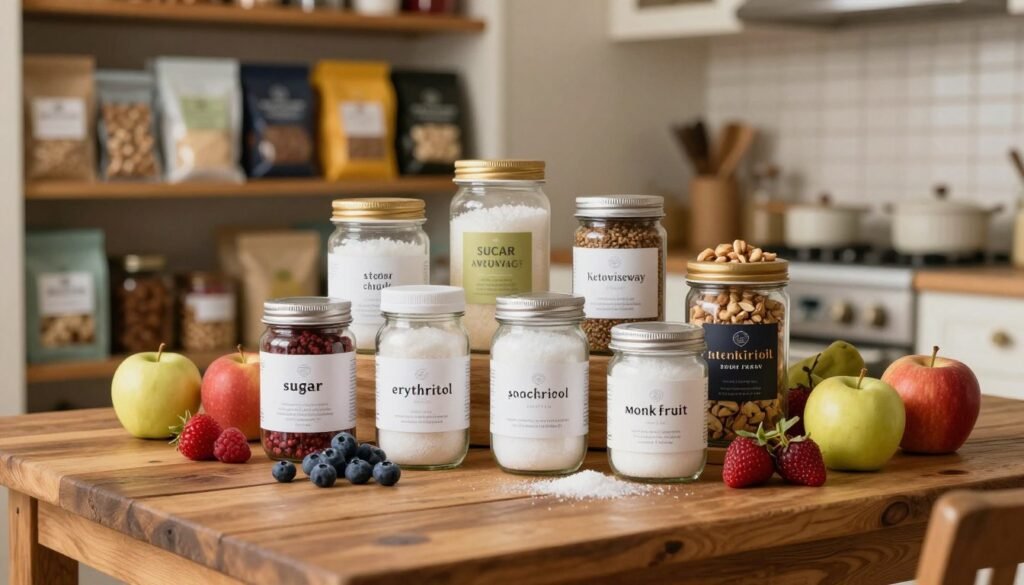
Your pantry holds the power to transform your daily energy and curb persistent cravings. The right selections create a foundation for sustained vitality. Smart swaps for refined sweeteners are a crucial first step.
Natural sugar alternatives offer sweetness without the drastic blood sugar spikes. They come from whole food sources and retain trace minerals. Understanding their differences helps you choose the perfect one for any recipe.
| Alternative | Glycemic Index (GI) | Best Uses | Key Notes |
|---|---|---|---|
| Organic Coconut Sugar | Low (35-54) | Baking, sprinkling on oatmeal, sweetening coffee. | Made from sap of coconut palm. Has a caramel-like flavor and contains inulin, a prebiotic fiber. Brands like Wildly Organic offer this staple. |
| Pure Maple Syrup | Medium (54-65) | Pancakes, salad dressings, marinades, baking. | Choose Grade A for lighter flavor, Grade B for robust taste. Rich in antioxidants like manganese and zinc. |
| Monk Fruit Extract | Zero (0) | Beverages, desserts, any recipe needing intense sweetness. | Extracted from a fruit, it is much sweeter than table sugar. Often blended with erythritol. Has no impact on blood glucose. |
| Stevia Leaf Extract | Zero (0) | Drinks, yogurt, smoothies, some baking. | A plant-based sweetener. The pure extract lacks the bitter aftertaste of some cheaper blends. Thrive Market’s “Low-Sugar” value aligns with this choice. |
Transitioning away from refined sugar is a gradual process. Start by replacing half the sugar in your favorite baked goods with coconut sugar or maple syrup. Use monk fruit or stevia to sweeten your morning tea or coffee.
Your taste buds will adapt, and you’ll begin to appreciate more nuanced flavors.
A well-stocked kitchen goes beyond sweeteners. Certain essentials form the backbone of nutritious meals. They ensure you always have the components for a quick, balanced dish.
Your core pantry should include several key categories:
- Whole Grains & Legumes: Quinoa, brown rice, lentils, and chickpeas provide fiber and plant-based protein. They are versatile and filling.
- Superfood Powders: Spirulina, maca, and acai powder offer concentrated nutrients. They blend easily into smoothies for a daily boost.
- Healthy Cooking Oils: Alongside coconut oil, stock avocado oil for high-heat cooking and extra virgin olive oil for dressings.
Vigilant label reading is non-negotiable. Many products marketed as wholesome hide added sweeteners. Sugar has over 60 different names on ingredient lists.
Be on the lookout for terms like sucrose, high-fructose corn syrup, maltodextrin, and fruit juice concentrate. If a form of sugar appears in the first three ingredients, reconsider the item.
Building a supportive pantry is a strategic endeavor. Organize your shelves so healthy choices are the easiest ones. Keep nuts and seeds for snacking in clear jars at the front.
Batch cook grains and legumes to have them ready for busy nights. This system manages cravings by providing immediate, wholesome options. It turns your kitchen into a true partner for your lifestyle goals.
The Convenience Factor: Delivery and Pickup Services
Time is a precious commodity, and savvy retailers are adapting to save you more of it. Modern shoppers expect seamless online ordering from their trusted sources. Robust e-commerce platforms are now a standard feature for dedicated grocers.
These services transform your routine from a chore into a streamlined task. You can access the same curated selection from your home or phone. This evolution meets the demand for efficiency without compromising on quality.
Scheduling Grocery Delivery to Your Door
Grocery delivery brings the store directly to you. The process is simple and designed for your schedule. You browse the digital aisles, add items to your cart, and select a delivery window.
Most services offer same-day or next-day time slots. You choose a timeframe that fits your day, like “2 PM to 4 PM.” This control is a key benefit for busy households.
Freshness is a top concern with perishable items. Reputable retailers guarantee the quality of produce, dairy, and meats upon delivery. They use insulated bags and cold packs to maintain ideal temperatures during transit.
Contactless delivery is a common option. Your items are left securely at your doorstep. This provides peace of mind and added safety.
Major players have popularized this model. For instance, Amazon Fresh often promotes “$0 grocery delivery fees” with a free trial. Specialty retailers like Wildly Organic also provide reliable nationwide shipping for pantry staples.
The Flexibility of Curbside Pickup Options
Curbside pickup blends online convenience with immediate gratification. You place your order through the retailer’s app or website. Then, you drive to the designated pickup area at the store.
A staff member brings your packed groceries directly to your car. This eliminates the need to search for parking or navigate crowded aisles. Your total time spent can be just minutes.
The quality check happens before your items are packed. Shoppers are trained to select the freshest produce and check expiration dates. Many stores allow you to specify preferences or substitutions for out-of-stock items.
This service is ideal for those who want to save time but still stay close to home. It often comes with lower service fees compared to full delivery. For many, it’s the perfect balance between speed and control.
| Service Type | Key Benefit | Best For | Considerations |
|---|---|---|---|
| Scheduled Delivery | Ultimate convenience; no travel required. | Busy professionals, families with young children, those without easy transport. | May involve a delivery fee or minimum order requirement. Requires being home or having a secure drop spot. |
| Curbside Pickup | Immediacy and control; often lower cost. | Shoppers on a tight schedule, those who want to verify their order quickly, individuals avoiding store crowds. | Requires a trip to the store location. You must be available during the pickup window you select. |
Both options make maintaining a nourishing diet far more accessible. They remove the traditional barrier of a lengthy store visit. For busy individuals and families, this convenience can be the key to consistent, positive choices.
Your wellness journey should fit seamlessly into your life. These modern services ensure that it does.
Understanding Pricing and How to Maximize Your Budget
The initial sticker shock at a specialty store often masks the deeper value embedded in every product. That higher price isn’t arbitrary. It reflects superior sourcing, rigorous quality checks, and a curated selection you won’t find elsewhere.
Your budget for nourishing staples is an investment in your daily vitality. With smart strategies, you can optimize spending without compromising on the integrity of your purchases.
Identifying Value Beyond the Sticker Price
First, deconstruct what you’re actually paying for. A premium covers clean farming, fair labor practices, and specialized logistics. You support a supply chain built on ethics and transparency.
Consider the concept of cost-per-nutrient. Dense, whole-food items deliver more vitamins and minerals per dollar. A bag of organic almonds provides sustained energy and protein. A cheap, processed snack offers empty calories.
This long-term value impacts your overall wellness. Investing in quality now can help reduce future expenses related to well-being.
Thrive Market highlights that “Savings may vary,” but their member model is designed to make better-for-you products more accessible financially.
Compare specific items to see the real story. A 1 lb bag of organic raw almonds might cost $15 at a specialty retailer. A conventional, non-organic version could be $9.
The $6 difference buys you assurance against pesticides and GMOs. It also supports sustainable agriculture. This is value you can feel good about.
Strategies for Saving on Health Food Market Orders
Strategic shopping turns a premium outlet into an affordable resource. Your approach matters just as much as the price tag.
Buy in Bulk: Pantry staples like nuts, seeds, and grains are often cheaper in larger quantities. Store them properly to prevent waste.
Choose Store Brands: Retailer-owned labels typically offer the same high standards at a lower cost. They eliminate the middleman markup.
Follow the Sales Cycle: Stock up during seasonal promotions and holiday sales. Many stores discount baking items in fall and superfoods in January.
Leverage digital tools. Sign up for the retailer’s newsletter for exclusive coupon codes. Download their app to access flash sales and digital coupons clipped directly to your account.
Plan your meals around the weekly specials advertised online. If organic kale is on sale, build a few meals that feature it. This flexible planning maximizes savings.
| Item | Specialty Retailer (e.g., Wildly Organic) | Conventional Grocery | Value Insight |
|---|---|---|---|
| Organic Coconut Sugar (1 lb) | $8.99 | $5.99 (non-organic) | The $3 premium ensures organic, non-GMO, and sustainable sourcing. |
| Virgin Coconut Oil (16 oz) | $12 – $15 | $8 – $10 (non-organic) | Higher cost reflects cold-pressed methods and organic certification. |
| Raw Almonds (1 lb) | $12 – $18 | $7 – $10 | The price difference directly pays for organic farming and purity. |
Evaluate membership models carefully. Services like Amazon Fresh offer “$0 grocery delivery fees” with a trial, then charge “$9.99/month or $99.99/year.”
Calculate if your expected annual savings and shipping benefits outweigh the fee. For frequent shoppers, the math often works in your favor.
Online retailers have an advantage. They operate with less physical overhead. This can mean a better price passed directly to you.
Set a clear monthly budget for core staples. Prioritize funds for items you use daily. Be more flexible with occasional specialty treats.
Avoid false economies. A cheap product with fillers is a poor value. Buying a giant bulk item you can’t finish leads to waste and lost money.
View your grocery price as a proactive investment. It supports your vitality today and contributes to a healthier tomorrow. This perspective transforms how you see every dollar spent.
Membership Benefits: Are Subscription Services Worth It?
Paying a fee to shop might seem counterintuitive. For dedicated consumers, membership programs unlock a new tier of value.
These structured plans transform a one-time transaction into a strategic partnership. You pay a monthly or annual fee. In return, you access wholesale-like pricing on a curated selection.
The core question is about return on investment. Does the money you save outweigh the cost of joining? For many households, the answer is a resounding yes.
Let’s break down the two primary benefits that make these services compelling.
Access to Exclusive Discounts and Member-Only Sales
Your membership fee buys you entry to a club with special privileges. The most immediate benefit is access to lower prices across the catalog.
Members often see discounts of 25-50% off standard retail prices. This applies to high-consumption items like nuts, oils, and superfood powders.
Beyond everyday low prices, look for member-only sales events. These are often seasonal or tied to new product launches. You get early access before the general public.
Some programs layer on extra discounts. For example, Amazon Prime offers grocery benefits where “Prime members get an additional 10% off sale items.” This stacks savings on already reduced goods.
Other perks can include free gifts with qualifying orders. You might receive a sample of a new snack or a full-sized product after reaching a spending threshold.
These exclusive offers are designed to help you recoup your fee quickly. Buying just a few staple items at member price can often cover the entire cost of joining.
Recurring Delivery for Your Staples
The second major advantage is automation for your pantry. Recurring delivery schedules ensure you never run out of essentials.
You can set up automatic shipments for items you use consistently. Think organic almond butter, coconut oil, or your favorite gluten-free flour.
This system provides incredible convenience. It eliminates last-minute store runs and the stress of an empty pantry.
There’s also a financial benefit to this automation. Many services lock in a lower price for your recurring items. This protects you from future price increases.
You maintain full control. You can skip a delivery, adjust quantities, or cancel the subscription anytime. It’s a set-and-forget solution for core supplies.
So, how do you decide if a membership is right for you? A simple evaluation focuses on your shopping habits.
Consider your household size and how often you buy specialty staples. A family that consumes these items daily will see faster savings than a single individual.
Also, think about your commitment to specific brands. If a retailer carries all your preferred labels, the membership becomes more valuable.
The key is to calculate your break-even point. This is the amount you need to spend to make the fee worthwhile.
| Service Model | Fee Structure | Key Perks | Sample Break-Even Calculation |
|---|---|---|---|
| Thrive Market (Membership-based) | Annual membership fee. | Wholesale prices on organic goods, free gifts, carbon-neutral shipping. | If the fee is $60/year and you save $15 per order, you break even after 4 orders. Frequent shoppers save significantly more. |
| Amazon Prime (Grocery benefits) | “$9.99/month or $99.99/year after trial.” | Additional 10% off sale items at Whole Foods Market, free delivery on eligible groceries. | If you spend $100/month on sale groceries, the extra 10% discount saves you $120/year, covering the annual fee. |
Look at your past spending. Estimate how much you would save per order as a member. Then, divide the membership cost by your estimated per-order savings.
The result is the number of orders needed to break even within a year. If you place more orders than that, the membership pays for itself and then some.
Most dedicated shoppers find they reach this point within two to three months. The convenience of automated delivery adds intangible value on top of the direct savings.
View the fee not as an extra cost, but as a key to a vault of better deals. It’s an investment that rewards your commitment to a conscious lifestyle.
Special Diet Support: Vegan, Keto, Gluten-Free, and Raw
Adopting a specific dietary framework shouldn’t mean endless hours deciphering labels at a conventional supermarket. A dedicated retailer transforms this complex task into a straightforward experience. They provide clear labeling and organized categories tailored to your lifestyle.
This intentional design removes guesswork and anxiety. You can shop with confidence, knowing every item aligns with your nutritional needs.
Outlets like Wildly Organic explicitly state their products are “Raw, Vegan, and Gluten-Free Diet-Friendly.” Others, such as Thrive Market, allow you to shop by lifestyle filters like “High Protein” and “Low-Sugar.” This built-in guidance is invaluable.
Vegan diets require careful attention to protein sources and dairy alternatives. A well-curated selection offers a robust range of plant-based proteins.
- Look for organic lentils, chickpeas, and sprouted beans.
- Dairy alternatives include almond milk, cashew cheese, and coconut yogurt.
- Specialty items like jackfruit or tempeh mimic traditional textures without animal products.
These options ensure you meet nutritional needs while enjoying diverse, flavorful meals.
For those following a keto or low-carb lifestyle, finding suitable snacks is crucial. The right outlet stocks high-fat, low-sugar items that support your macros.
Key finds include almond flour and coconut flour for baking. Sugar-free sweeteners like monk fruit and stevia are essential pantry staples. Savory snacks like pork rinds or cheese crisps satisfy cravings without derailing your progress.
Gluten-free living goes beyond avoiding wheat. It requires vigilance against cross-contamination. Trustworthy retailers provide certified gluten-free grains like quinoa and buckwheat.
They also offer dedicated baking mixes and snacks produced in controlled facilities. This assurance is critical for individuals with celiac disease or high sensitivity.
The raw food diet focuses on preserving natural enzymes. Products are never heated above 118°F (48°C). This category features staples like raw nuts and seeds, which are often activated for better digestion.
You’ll also find raw cacao powder and nibs, along with cold-pressed oils. These items retain their full nutritional profile and living enzymes.
Effective communication with the store’s team unlocks personalized support. Don’t hesitate to ask staff for recommendations tailored to your specific requirements.
They can verify ingredient suitability and suggest new products that match your diet. This partnership ensures your shopping aligns perfectly with your personal goals.
| Dietary Focus | Key Product Categories | What to Look For |
|---|---|---|
| Vegan | Plant-based proteins, dairy alternatives, meat substitutes. | USDA Organic, non-GMO labels on legumes, nuts, and specialty items. |
| Keto / Low-Carb | High-fat snacks, alternative flours, sugar-free sweeteners. | Net carb count listed, MCT oils, products with no added sugar. |
| Gluten-Free | Certified grains, baking mixes, dedicated snacks. | “Certified Gluten-Free” seal, statements about facility protocols. |
| Raw | Raw nuts/seeds, cold-pressed oils, unroasted cacao. | Labels stating “raw,” “never heated,” or “cold-pressed.” |
Choosing a retailer that prioritizes these categories simplifies your journey. It turns dietary restrictions from a limitation into an opportunity for exploration and vibrant well-being.
The Assurance of Shopping: Satisfaction Guarantees and Returns
The true mark of a retailer’s confidence isn’t just its selection, but its willingness to stand behind it. A robust satisfaction guarantee is a powerful signal. It tells you the company trusts its curation and prioritizes your experience.
This policy transforms a simple transaction into a secure partnership. You gain the freedom to explore new items without fear. It’s a clear commitment to your long-term satisfaction.
Wildly Organic offers a “Satisfaction Guarantee that allows you to return anything you don’t love within 30 days.”
Typical policies are straightforward. They often allow returns of unopened, unused products for a full refund or exchange. Many extend this even if you simply didn’t enjoy the taste or texture.
This customer-centric approach is standard among leading outlets. It acknowledges that personal preference is subjective. Your satisfaction is the ultimate measure of success.
Initiating a return is usually a simple process designed for convenience.
- Online Form: Most e-commerce sites have a dedicated returns portal in your account.
- Customer Service: A quick call or email to their support team can start the process.
- In-Store Visit: For physical locations, bringing the item with your receipt is typically all that’s needed.
This system significantly reduces the financial risk of trying new, premium staples. A higher price tag feels less daunting when you know a refund is an option. It encourages you to experiment with novel superfoods or specialty ingredients.
Return policies can vary between different retailer types. Understanding these differences helps you set the right expectations.
| Retailer Type | Typical Process | Key Advantages |
|---|---|---|
| Online Specialty Retailer | Initiate return via website, print a prepaid label, ship item back. Refund is issued upon receipt. | Highly streamlined; often includes prepaid shipping. You can manage everything from home. Policies are clearly documented online. |
| Local Brick-and-Mortar Store | Bring item and receipt to the physical location. Process refund or exchange at the register. | Immediate resolution. Opportunity for face-to-face service and instant product swap. No shipping wait. |
This assurance is a final, critical layer in your shopping strategy. It empowers you to make bold, new choices with complete confidence. Your journey toward well-being is supported every step of the way.
Beyond the Grocery List: Educational Resources and Recipes
The most valuable part of your purchase might not be in your cart, but in the knowledge that comes with it. Leading retailers understand this deeply. They provide extensive free resources to help you maximize every item.
These outlets often host vibrant blogs and recipe databases. For example, Wildly Organic’s blog features posts like “Flour-less Brownies {Gluten-free, Paleo}” and “14 Fresh, Fun, & Filling Breakfasts For Busy Mornings.” This content turns ingredients into solutions.
How-to guides teach specific kitchen skills. You might learn to make nut milk, sprout seeds, or create fermented foods. These step-by-step instructions build your confidence with new staples.
This support system adds tremendous value to your patronage. It transforms a simple transaction into an ongoing learning experience.
Recipe inspiration is powerful for overcoming cooking ruts. Seeing creative uses for cacao powder or coconut flour sparks new ideas. You learn to seamlessly incorporate superfoods into daily meals.
“Flour-less Brownies {Gluten-free, Paleo}” – Wildly Organic
These ideas help you use what you buy. They reduce waste and increase satisfaction. Your kitchen becomes a place of joyful experimentation.
Educational content covers crucial topics beyond cooking. Articles explain how to read labels effectively. They break down the nutritional benefits of specific ingredients like spirulina or maca.
You can also find tips on sustainable living. This includes reducing plastic use or composting. This holistic approach aligns your entire lifestyle with your values.
| Resource Type | Typical Content | Primary Benefit to You |
|---|---|---|
| Recipe Blog & Database | Searchable recipes filtered by diet, ingredient, or meal type. Often include photos and user reviews. | Solves “what’s for dinner?” instantly. Provides trusted, tested ways to use new products you buy. |
| How-To Guides & Tutorials | Step-by-step instructions for techniques like fermenting, sprouting, or making homemade staples. | Builds practical kitchen skills. Empowers you to create more from scratch, saving money and ensuring quality. |
| Educational Articles | Deep dives on nutrition science, label reading, ethical sourcing, and sustainable lifestyle practices. | Increases your knowledge as a shopper. Helps you make even more informed choices for your well-being. |
| Newsletter & Email Series | Regular updates featuring new recipes, seasonal highlights, exclusive offers, and expert tips. | Delivers curated inspiration directly to your inbox. Keeps you connected and motivated. |
This wealth of content fosters a sense of community. You engage with others who share your interests. Comment sections and social media groups allow for sharing tips and successes.
Your relationship with the retailer evolves. They become a trusted source of information, not just products. This engagement strengthens your commitment to a conscious lifestyle.
To stay updated, subscribe to their newsletter. Follow their social media channels. This ensures you never miss new recipes, helpful guides, or special offers.
This layer of support is what separates a great source from a good one. It provides continuous value long after your order arrives. Your journey toward vitality becomes richer and more supported.
Making Your First Order: Tips for New Customers
A well-planned first shipment allows you to evaluate quality, service, and value simultaneously. This initial purchase is more than a transaction. It’s your test drive of the retailer’s entire promise.
Approach it with a strategic mindset. Your goal is to verify their standards while maximizing introductory benefits. This sets a strong foundation for future shopping.
Leveraging Welcome Discounts and Free Shipping
New customer promotions are your best tool for risk-free exploration. These offers significantly lower the financial barrier to trying premium staples.
Always seek out sign-up discounts before placing your order. These are often percentage-off deals or dollar-amount credits applied to your cart.
Creating an account is typically required to access these promotions. This step also provides future benefits. Your account tracks past orders, saving preferences and streamlining reordering.
Free shipping is a powerful incentive. Most retailers set a minimum order threshold to qualify. If you’re just short, add a foundational item like coconut oil or almonds to reach the limit.
This tactic turns a required spend into extra value. You get a useful product instead of paying a delivery fee.
Wildly Organic offers “new customers a 10% discount and free shipping on their first order.”
Start with a modest, diverse basket. This lets you test product freshness, delivery speed, and customer service. Avoid committing to a large haul until you’re confident.
Explore the retailer’s best-seller lists or curated “first timer” bundles. These collections highlight popular and reliable items. They take the guesswork out of initial selection.
Resist the temptation to impulse buy, even with a discount. A promotional price can make non-essentials seem appealing. Stick to your planned list of foundational items you know you’ll use.
| Approach | Typical Actions | Likely Outcome |
|---|---|---|
| Impulse-Driven | Filling cart with novel, discounted items without a plan. | Higher initial cost, potential waste, and unclear value assessment. |
| Strategic & Planned | Using the discount on planned staples, meeting the free shipping minimum intentionally. | Lower net cost, useful pantry additions, clear evaluation of service and quality. |
Your first order should build confidence. It confirms that the retailer’s curation matches your standards. This careful approach ensures your investment supports your lifestyle effectively.
You transform a simple purchase into a valuable assessment. This knowledge empowers all your future decisions.
Choosing the Right Health Food Market for Your Lifestyle
With so many excellent options available, the decision comes down to aligning a retailer’s strengths with your personal priorities. Your perfect fit depends on your daily routine, core values, and how you prefer to shop.
Start by evaluating the two primary models: local brick-and-mortar shops and online-only retailers. Each offers distinct advantages shaped by their physical presence or digital nature.
A local store provides immediacy. You can touch produce, read labels in person, and leave with your items that same day. This model fosters a tangible community connection.
You might chat with knowledgeable staff or meet neighbors in the aisles. The experience is sensory and social.
For a local outlet, assess practical logistics. Is the location conveniently on your regular route? Is parking readily available? Consider the overall in-store vibe—is it calm and organized or consistently crowded?
These factors determine if a visit feels like a pleasant errand or a stressful chore.
An online retailer excels in sheer convenience and often, price. You can shop anytime, from anywhere, with access to a vast national selection. This is ideal for stocking pantry staples and hard-to-find specialty items.
Key logistical factors here are website usability and delivery reliability. Is the site easy to navigate and filter? How fast is standard shipping, and what are the costs?
Review the return policy clarity. A smooth digital experience is crucial for long-term satisfaction.
Next, match the retailer’s specialty to your primary needs. Some outlets focus on bulk bins for cost-effective staples. Others highlight hyper-local produce from nearby farms.
Certain shops have extensive supplement and wellness sections. Identify what you buy most often. Then, seek a source that excels in those specific categories.
This alignment ensures your main shopping goals are met effortlessly.
The best way to decide is through direct experience. Trial a few different options. Place a small online order to test product quality and delivery.
Also, visit a promising local shop. Compare the selection, price on a few key items, and the overall feel.
Which environment leaves you feeling more supported and confident?
Remember, the “right” choice is deeply personal. It may not be one single source. Many people successfully use a combination.
They might buy weekly fresh items from a community co-op. Then, they order shelf-stable staples in bulk from a digital retailer.
This hybrid approach maximizes the benefits of both worlds.
| Consideration | Local Brick-and-Mortar Shop | Online-Only Retailer |
|---|---|---|
| Core Strength | Immediacy, product interaction, community connection. | Ultimate convenience, vast selection, often competitive pricing. |
| Key Logistical Factors | Location convenience, parking, in-store atmosphere and crowd levels. | Website usability, delivery speed and cost, clarity of return policy. |
| Ideal For | Last-minute needs, selecting fresh produce, valuing face-to-face service and local ties. | Planning ahead, buying heavy pantry staples in bulk, accessing niche brands not sold locally. |
| Trial Action | Visit during a typical shopping time. Note staff helpfulness and product freshness. | Place a modest first order. Assess packaging, product condition, and delivery accuracy. |
| Potential Drawback | May have limited selection or higher prices on some specialty goods. | Lacks the sensory experience and instant gratification of in-person shopping. |
Your choice should empower your lifestyle, not complicate it. Select the partner—or combination of partners—that makes consistent, positive choices the easiest path forward.
Getting Started with Your Local or Online Health Food Market
The journey from intention to action begins with a clear, simple plan. Moving from research to your first purchase should feel straightforward, not overwhelming.
Follow this three-step action plan to confidently begin your partnership with a new source.
First, clarify your core values and non-negotiable standards. What matters most to you? Is it organic certification, specific dietary labels like keto or gluten-free, or a strong commitment to local producers?
Write down your top three priorities. This list becomes your personal filter during the search phase.
Second, research and create a shortlist of potential retailers. Use your priorities to guide your online search. Look for outlets that explicitly mention your standards in their mission statements or product filters.
Read recent customer reviews focusing on product freshness, customer service, and delivery reliability. Aim for a list of two or three top contenders.
Third, make a low-commitment initial engagement. This step is about testing the waters before a major purchase.
For any retailer, start by signing up for their newsletter. This often unlocks a welcome discount for your first order. Follow them on social media to see their community engagement and get a feel for their brand voice.
If considering a local shop, plan a brief visit. Don’t go with a long shopping list. Instead, observe the store’s organization and cleanliness. Speak with a staff member and ask a specific question related to your priorities.
Their knowledge and willingness to help are strong indicators of quality.
For online outlets, the engagement process is digital. Begin by creating an account. This usually takes just a minute with your email.
Next, explore the catalog using their search filters. Look for filters like “USDA Organic,” “Vegan,” “Gluten-Free,” or “Non-GMO Project Verified.” This shows how easily you can find items that match your standards.
Add a few staple items to your cart to see the checkout process and shipping options.
To seamlessly integrate this new source into your life, consider setting up a recurring delivery for one or two staple items. Choose something you use weekly, like almond butter or coconut oil.
This automates a core part of your routine and ensures you never run out. It also lets you evaluate the consistency of their service and product quality over time.
Remember, your goal is to build a lasting relationship with a source you trust. This turns the pursuit of nourishment from a chore into a seamless, supportive part of your daily life. Your perfect partner is out there, ready for you to take that first, simple step.
Conclusion
Your search for a trustworthy source ends with a partner that champions quality and aligns with your life. The right retailer stands on pillars of rigorous standards, diverse categories, and genuine support.
It seamlessly fits your dietary needs, budget, and values. This alignment turns every trip into a confident step toward your goals.
Take that first step today. Visit a local shop’s website or create an online account to explore. This small investment of time pays lasting dividends.
You gain greater peace of mind and a more enjoyable experience. Your choice supports personal vitality and a better system for everyone.
Over the coming year, this partnership proves its worth, far beyond the price of any single item. It becomes the foundation of a thriving, conscious lifestyle.