Are you tired of struggling with stubborn belly fat? You’re not alone. Many of us struggle to achieve a flatter stomach, despite our best efforts with exercise and diet. But what if the key to losing belly fat lies not just in exercise, but in the foods we eat?
I have discovered that certain foods can play a significant role in boosting our metabolism and burning fat. By incorporating these foods into our diet, we can take a more holistic approach to weight loss and overall health.
Understanding the role of diet in reducing belly fat is crucial. By making informed choices about what we eat, we can take control of our weight loss journey and achieve a healthier, happier us.
Key Takeaways
- Eating the right foods can help boost metabolism and burn belly fat.
- A holistic approach to weight loss involves diet and overall health.
- Certain foods can play a significant role in achieving a flatter stomach.
- Making informed choices about diet is crucial for weight loss.
- Incorporating belly fat burning foods into your diet can be a game-changer.
Understanding Belly Fat and Its Impact on Health
The accumulation of belly fat is more than just a cosmetic concern; it has significant health implications. As I delve into the world of health and wellness, understanding the risks associated with belly fat is crucial for adopting effective strategies to reduce it.
Why Belly Fat Is a Concern
Belly fat is a concern because it is not just a matter of appearance; it’s a serious health risk. Visceral fat, in particular, is known to increase the risk of chronic diseases like heart disease and diabetes. According to Dr. Saurabh Sethi, visceral fat is a more dangerous type of fat stored deep in the abdomen, wrapping around vital organs and increasing the risk of serious health issues.
Types of Belly Fat: Subcutaneous vs. Visceral
There are two main types of belly fat: subcutaneous and visceral. Subcutaneous fat is the layer of fat just beneath the skin, while visceral fat is located deeper in the abdomen, surrounding vital organs. Understanding the difference between these two types is crucial because visceral fat is more metabolically active, releasing substances that can lead to inflammation and increase the risk of various health problems.
- Subcutaneous fat is the visible fat under the skin.
- Visceral fat is the fat surrounding internal organs.
Health Risks Associated with Excess Belly Fat
Excess belly fat, particularly visceral fat, is associated with a range of health risks, including:
- Increased risk of heart disease due to higher levels of bad cholesterol.
- Higher risk of developing type 2 diabetes.
- Potential for certain types of cancer.
Reducing belly fat is not just about improving appearance; it’s about mitigating these serious health risks. Incorporating effective foods for belly fat loss into my diet is a step towards a healthier lifestyle.
The Role of Diet in Reducing Belly Fat
Diet is a powerful tool in the quest to reduce belly fat and improve overall health. As Dr. Saurabh Sethi emphasizes, diet plays a crucial role in controlling visceral fat. The foods we choose to eat have a significant impact on our weight loss journey, particularly when it comes to reducing belly fat.
Making informed food choices is essential for effective weight loss. The right foods can help boost metabolism, reduce hunger, and increase feelings of fullness. On the other hand, consuming the wrong foods can lead to weight gain and increased belly fat.
How Food Choices Influence Weight Loss
Food choices directly influence weight loss by affecting our caloric intake and nutrient balance. Choosing nutrient-dense foods like fruits, vegetables, lean proteins, and whole grains can support weight loss efforts. In contrast, consuming high-calorie, high-fat, and high-sugar foods can hinder weight loss and contribute to belly fat accumulation.
Eating a balanced diet that is rich in fiber, vitamins, and minerals can help support a healthy metabolism and reduce inflammation, both of which are crucial for losing belly fat. Incorporating foods high in antioxidants, such as berries and leafy greens, can also help reduce oxidative stress and promote overall health.
Understanding Caloric Deficit
A caloric deficit occurs when we consume fewer calories than our body burns, resulting in weight loss. To achieve a caloric deficit, we can either reduce our caloric intake by eating less or increase our energy expenditure through physical activity. Combining both approaches is often the most effective strategy.
Creating a caloric deficit requires a thorough understanding of our daily caloric needs and being mindful of our food choices. By focusing on nutrient-dense foods and controlling portion sizes, we can achieve a sustainable caloric deficit that supports long-term weight loss and overall health.
As I navigate my own journey to reduce belly fat, I’ve come to realize that understanding the role of diet is crucial. By making informed food choices and maintaining a caloric deficit, I can achieve my weight loss goals and improve my overall well-being.
Top Foods to Include in My Diet for Belly Fat Reduction
To speed up belly fat loss, it’s essential to focus on a diet rich in specific nutrients. Incorporating the right foods can make a significant difference in my belly fat reduction journey.
Leafy Greens and Their Benefits
Leafy greens like spinach, kale, and collard greens are packed with nutrients and fiber, making them an excellent addition to my diet. They are low in calories but high in volume, which helps me feel full longer. The fiber in leafy greens also aids in digestion and can help reduce bloating.
Nutritional Benefits: Rich in vitamins A, C, and K, as well as minerals like calcium and iron. These nutrients support overall health and can enhance my metabolism.
Berries: Nature’s Sweet Anti-Inflammatories
Berries such as blueberries, strawberries, and raspberries are not only delicious but also rich in antioxidants and fiber. They help combat inflammation, which is a significant factor in belly fat accumulation. The fiber content in berries also supports healthy digestion.
Key Advantages: Berries are low in calories and high in water content, making them a great snack for managing hunger. They are also rich in anthocyanins, which have been shown to have anti-inflammatory properties.
Whole Grains vs. Refined Grains
Choosing whole grains over refined grains is a crucial step in my belly fat reduction diet. Whole grains like brown rice, quinoa, and whole wheat bread are rich in fiber and nutrients, whereas refined grains are stripped of these benefits.
- Whole grains help regulate blood sugar levels and improve insulin sensitivity.
- They are more satiating due to their higher fiber content, reducing the likelihood of overeating.
- Rich in vitamins, minerals, and antioxidants that support overall health.
By incorporating these foods into my diet, I can create a balanced and effective belly fat reduction plan. It’s not just about cutting out foods; it’s about adding the right nutrients to support my overall health and weight loss goals.
Protein: Essential for Burning Belly Fat
Protein is a vital nutrient that I incorporate into my meals to help burn belly fat effectively. It’s not just about building muscle; protein also plays a significant role in satiety and weight management. When I consume enough protein, I’m less likely to overeat, which is crucial for maintaining a caloric deficit necessary for fat loss.
Boosting Metabolism with Protein
A high-protein diet can boost my metabolism because it takes more energy to digest protein compared to carbohydrates or fats. This thermic effect of protein helps in burning more calories, which is beneficial when trying to reduce belly fat. Moreover, protein helps in preserving lean muscle mass, ensuring that the weight lost is primarily fat.
Lean Meats and Fish
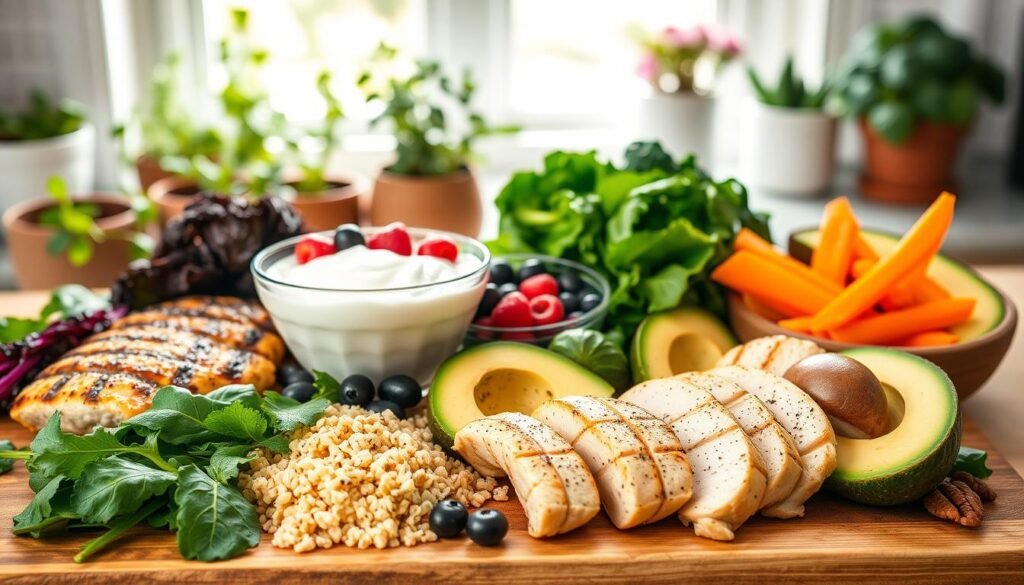
Lean meats and fish are excellent sources of protein that I include in my diet. Foods like chicken breast, turkey, and lean cuts of beef are not only rich in protein but also low in saturated fats. Fatty fish like salmon and tuna are also great options; they’re packed with omega-3 fatty acids, which have been shown to reduce inflammation and support overall health.
Benefits of Lean Protein Sources
- High in protein, low in calories
- Rich in essential nutrients like iron and zinc
- Supports muscle growth and maintenance
Plant-Based Proteins: Options to Consider
For those who prefer or require plant-based options, there are plenty of high-protein foods to choose from. Legumes like lentils, chickpeas, and black beans are not only rich in protein but also in fiber, making them very filling. Other great sources include tofu, tempeh, and seitan, which are versatile and can be incorporated into a variety of dishes.
Greek yogurt is another protein-rich food that I enjoy. It’s high in protein and contains probiotics, which support gut health. A healthy gut microbiome is essential for effective digestion and can influence weight management.
Diversifying My Protein Sources
To ensure I’m getting all the essential amino acids, I make sure to vary my protein sources. This includes mixing lean meats, fish, eggs, dairy, and plant-based proteins throughout my meals. Diversifying my protein intake not only supports overall health but also keeps my diet interesting and satisfying.
Healthy Fats and Their Role in Fat Loss
Healthy fats are not just beneficial for overall health; they’re also key to losing belly fat. When I incorporate sources of healthy fats into my meals, I notice a significant difference in my satiety levels and overall weight loss progress.
One of the primary reasons healthy fats are effective for fat loss is their ability to keep me full for longer. This reduces the likelihood of overeating or snacking on unhealthy foods. Additionally, healthy fats support the absorption of essential vitamins and minerals, further contributing to a balanced diet.
Avocados: Nutrient-Dense and Satiating
Avocados are a rich source of monounsaturated fats, which are known to improve insulin sensitivity and support weight loss. They are also high in soluble fiber, helping to control hunger and reduce cravings for unhealthy snacks. I often include avocados in my salads or as a topping for my whole-grain toast.
The combination of healthy fats and fiber in avocados makes them particularly satiating. This means that including avocados in my diet helps me stay fuller for longer, reducing the need for additional snacks.
Nuts and Seeds: A Smart Snack Choice
Nuts and seeds are another excellent source of healthy fats. Almonds, walnuts, chia seeds, and flax seeds are all high in healthy fats and fiber, making them very satiating. They are also rich in antioxidants and essential minerals, supporting overall health.
I find that snacking on a small handful of nuts or seeds between meals helps curb my appetite and provides a boost of energy. It’s essential, however, to consume them in moderation due to their high calorie content.
In conclusion, incorporating healthy fats like avocados, nuts, and seeds into my diet has been instrumental in my belly fat reduction journey. These foods not only support weight loss but also contribute to my overall health and well-being.
The Power of Fiber in My Diet
My journey to a flatter belly has been significantly influenced by the power of fiber in my diet. Incorporating foods high in fiber has not only helped me feel fuller for longer but also supported healthy blood sugar levels, which is crucial for reducing belly fat.
As I delve into the world of fiber, I discovered that it’s not just about consuming any type of fiber; it’s about understanding the different types and how they work. Soluble fiber, in particular, has been a revelation in my belly fat reduction journey.
Soluble Fiber: How It Works
Soluble fiber dissolves in water to form a gel-like substance that slows down the digestion of food. This process helps keep me feeling fuller for longer, reducing the likelihood of overeating or snacking between meals. Moreover, soluble fiber helps regulate blood sugar levels and lower cholesterol, both of which are essential for a healthy weight loss journey.
Some of the best sources of soluble fiber include:
- Oats
- Barley
- Nuts
- Seeds
- Fruits like apples, berries, and pears
Best Sources of Fiber for Belly Fat Loss
In addition to soluble fiber sources, I’ve incorporated a variety of high-fiber foods into my diet to help reduce belly fat. These include:
- Leafy Greens: Spinach, kale, and collard greens are not only rich in fiber but also packed with nutrients.
- Whole Grains: Switching from refined grains to whole grains has made a significant difference in my fiber intake.
- Legumes: Beans, lentils, and peas are excellent sources of fiber and protein, making them a staple in my belly fat reduction diet.
By focusing on these high-fiber foods, I’ve been able to support my overall weight loss goals and specifically target belly fat. It’s not just about adding fiber to my diet; it’s about making a conscious effort to choose whole, nutrient-dense foods that promote a healthy and sustainable weight loss journey.
Hydration: Drink Your Way to a Flatter Belly
When it comes to reducing belly fat, drinking water is just as important as eating the right foods. Staying hydrated helps my body function more efficiently, including boosting my metabolism and enhancing fat burning.
Benefits of Water for Weight Loss
Drinking enough water has several benefits that support weight loss. For one, it helps control calorie intake by making me feel fuller, reducing the likelihood of overeating. Water also aids in digestion and nutrient absorption, ensuring that my body gets the most out of the food I eat.
Moreover, even mild dehydration can slow down my metabolism, making it harder to lose weight. By drinking enough water, I can maintain a healthy metabolic rate, which is crucial for burning belly fat.
Herbal Teas: My go-to Choices
In addition to water, herbal teas are another great way to stay hydrated while enjoying additional health benefits. Green tea, in particular, is known for its high content of EGCG, a compound that boosts fat oxidation and targets visceral fat.
Other herbal teas like peppermint and chamomile not only hydrate me but also help reduce stress, which is a significant factor in belly fat accumulation. By incorporating these teas into my daily routine, I can enjoy a more relaxed state while working towards a flatter belly.
To make the most of hydration, I aim to drink at least eight glasses of water a day and supplement with herbal teas. This combination not only supports my weight loss journey but also contributes to overall well-being.
Spices and Herbs That Help Reduce Belly Fat
Incorporating the right spices and herbs into my diet can be a game-changer for reducing belly fat. Certain spices not only add flavor to my meals but also have properties that can aid in weight loss and fat reduction.
Turmeric: The Golden Spice
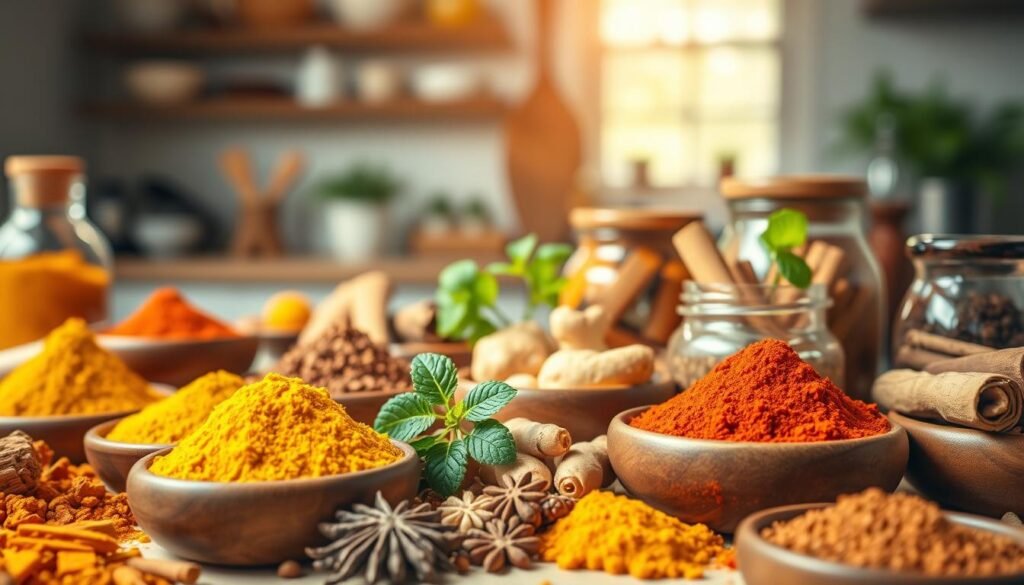
Turmeric is renowned for its anti-inflammatory properties, thanks to a compound called curcumin. Curcumin has been shown to help reduce belly fat by improving metabolism and suppressing the growth of fat tissue. I can incorporate turmeric into my diet by adding it to soups, stews, or even making a turmeric latte.
As noted by health experts, “Turmeric’s active compound curcumin is a potent anti-inflammatory agent that can aid in weight management.” Incorporating turmeric into my daily routine can be as simple as sprinkling it on my morning eggs or adding it to my evening tea.
Cinnamon: Sweeten Without Guilt
Cinnamon is another spice that has been linked to weight loss and belly fat reduction. Cinnamon helps regulate blood sugar levels, which can reduce cravings for sugary foods and support a healthier metabolism. I can sprinkle cinnamon on my oatmeal or yogurt, or add it to my baked goods for a sweet and healthy treat.
A study highlighted that cinnamon can help reduce body fat by improving insulin sensitivity. By incorporating cinnamon into my diet, I can enjoy its benefits while satisfying my sweet tooth without guilt.
Other beneficial spices and herbs include ginger, known for its digestive benefits, and cayenne pepper, which can boost metabolism. By incorporating these spices into my meals, I can enhance the flavor while supporting my weight loss goals.
Foods to Avoid That Can Contribute to Belly Fat
When it comes to reducing belly fat, it’s equally important to know what foods to avoid as it is to know what foods to include in my diet. Certain foods can hinder my weight loss efforts and even contribute to increased belly fat.
Sugary Beverages: The Hidden Enemy
Sugary beverages, including soda, sports drinks, and sweetened teas or coffee, are significant contributors to belly fat. These drinks are high in empty calories and added sugars, which can lead to insulin resistance and increased fat storage around the abdomen.
I recall a study that highlighted the negative impact of sugary drinks on health, showing a direct link between consumption and increased risk of obesity and related diseases.
Processed Foods: Why I Say No
Processed foods are another culprit when it comes to belly fat. These foods are often high in unhealthy fats, added sugars, and sodium, while being low in essential nutrients. Consuming processed foods regularly can disrupt my metabolism and lead to weight gain, particularly around the belly area.
To better understand the impact of these foods, let’s look at a comparison:
| Food Type | Nutritional Value | Impact on Belly Fat |
|---|---|---|
| Sugary Beverages | High in empty calories and added sugars | Increases risk of insulin resistance and belly fat |
| Processed Foods | High in unhealthy fats, added sugars, and sodium; low in nutrients | Disrupts metabolism, leading to weight gain around the belly |
| Whole, Nutrient-Dense Foods | Rich in vitamins, minerals, and fiber; low in unhealthy fats and added sugars | Supports weight loss and reduces belly fat |
By avoiding sugary beverages and processed foods, I can significantly reduce my risk of accumulating belly fat. Instead, focusing on whole, nutrient-dense foods will support my weight loss journey and overall health.
Meal Planning for Belly Fat Reduction
Meal planning plays a significant role in my journey to reduce belly fat. By focusing on whole, nutrient-dense foods, I can create a balanced diet that supports my weight loss goals.
To start, it’s essential to understand that a successful meal plan is built around foods that are rich in nutrients but low in calories. This approach not only helps in reducing belly fat but also improves overall health.
Tips for Creating Balanced Meals
Creating balanced meals involves including a variety of food groups in my diet. Here are some tips:
- Include lean proteins like chicken, fish, and tofu.
- Add a variety of colorful vegetables to my meals.
- Incorporate whole grains like brown rice, quinoa, and whole-wheat bread.
- Healthy fats like avocado, nuts, and olive oil are also essential.
As Dr. Jane Smith, a nutrition expert, once said,
“A balanced meal plan is not just about cutting calories; it’s about nourishing your body with the right foods.”
Importance of Portion Control
Portion control is another critical aspect of meal planning for belly fat reduction. Eating large portions can lead to consuming more calories than needed, hindering weight loss efforts.
| Food | Recommended Serving Size |
|---|---|
| Lean Protein | 3-4 ounces per serving |
| Vegetables | 1 cup raw or 1/2 cup cooked |
| Whole Grains | 1/2 cup cooked or 1 slice of whole-grain bread |
By being mindful of portion sizes, I can enjoy my favorite foods while still working towards my belly fat reduction goals.
In conclusion, effective meal planning is a powerful tool in reducing belly fat. By creating balanced meals and practicing portion control, I can achieve my weight loss goals and improve my overall health.
Staying Consistent: Making Lifestyle Changes
To effectively lose belly fat, I need to make sustainable lifestyle changes that I can stick to in the long term. Consistency in dietary changes and lifestyle habits is key to successful belly fat reduction. As Dr. Sarah Brewer, a renowned nutrition expert, once said, “Sustainable weight loss is not about quick fixes but about making long-term lifestyle changes.”
Setting Realistic Goals for Myself
Setting achievable goals is crucial for maintaining motivation. I should start by defining clear, measurable objectives, such as reducing my waist circumference or incorporating more effective foods for belly fat loss into my diet. It’s essential to make sure these goals are realistic and attainable within a specific timeframe.
For instance, aiming to lose 1-2 pounds per week is a more sustainable goal than trying to lose a large amount of weight quickly. This approach not only helps in reducing belly fat but also promotes overall well-being.
Tracking My Progress
Tracking my progress is vital to staying on course. I can use a food diary to record my daily food intake and physical activity. This helps in identifying patterns and making necessary adjustments. Additionally, regular monitoring of my weight and body measurements can provide valuable insights into my progress.
As
“The key to successful weight loss is not just about cutting calories but about making sustainable lifestyle changes that you can maintain over time.”
This quote emphasizes the importance of a long-term approach to weight loss and belly fat reduction.
By staying consistent and making gradual changes, I can achieve my goals and maintain a healthier lifestyle. Incorporating best foods for a flat stomach into my diet and being mindful of my overall calorie intake will help me in my journey to a flatter belly.
Conclusion: Embracing a Healthy Lifestyle to Reduce Fat
Adopting a healthy lifestyle is crucial for reducing belly fat and maintaining overall well-being. By incorporating Foods That Help Reduce Belly Fat Quickly and Naturally into my diet, I can achieve a flatter belly and improve my health.
Maintaining Motivation
Staying motivated is key to my journey. I focus on progress, not perfection, and celebrate small victories along the way. This mindset helps me stick to my goals and make sustainable lifestyle changes.
Long-Term Benefits of a Balanced Diet
Eating a balanced diet rich in belly fat fighting foods not only helps me lose weight but also provides long-term benefits. A healthy diet supports overall health, boosts energy levels, and enhances mental clarity. By making informed food choices, I can maintain a healthy weight and reduce the risk of chronic diseases.
By combining a nutritious diet with regular physical activity, I can achieve lasting results and enjoy a healthier, happier life.
FAQ
What are the best foods to include in my diet to reduce belly fat?
How does protein help in burning belly fat?
What is the role of fiber in reducing belly fat?
Can hydration help in reducing belly fat?
Are there any spices or herbs that can aid in belly fat reduction?
What foods should I avoid to reduce belly fat?
How can I plan my meals to reduce belly fat?
How can I stay consistent with my weight loss journey?
What are the long-term benefits of maintaining a healthy lifestyle to reduce belly fat?
How can I make sustainable lifestyle changes to reduce belly fat?