As I explore the world of nutrition, I’m often asked about the impact of diet on health. The truth is, incorporating healthy foods into our daily routine can have a significant effect on our overall wellness.
Experts like registered dietitian Kelly Springer emphasize the importance of joyful eating, which can lower stress and improve digestion. By making informed choices about the food we eat, we can take a proactive approach to maintaining a nutritious diet.
Key Takeaways
- Incorporating healthy foods into your diet can improve overall health.
- Joyful eating can lower stress and improve digestion.
- A nutritious diet is crucial for maintaining long-term wellness.
- Making informed food choices is key to a healthy lifestyle.
- A well-balanced diet can have a significant impact on overall well-being.
The Importance of a Balanced Diet for Optimal Health
A balanced diet is fundamental to maintaining overall health and well-being, serving as the foundation for the body’s proper functioning. It provides the body with the necessary nutrients to support various bodily functions, from energy production to the repair and growth of tissues.
Understanding Nutritional Needs
Understanding individual nutritional needs is crucial for maintaining a balanced diet. Nutritional requirements can vary significantly based on factors such as age, gender, physical activity level, and health status. For instance, athletes or individuals with high physical activity levels may require more protein to support muscle repair and growth.
As Dr. Amie Hornaman notes, “the quality of food is crucial, as cells are built from the food we eat.” This emphasizes the importance of consuming high-quality, nutrient-dense foods to support overall health.
Nutritional Needs Based on Activity Level
| Activity Level | Protein Requirement | Caloric Intake |
|---|---|---|
| Sedentary | 0.8 grams/kg body weight | 1,600-2,000 calories |
| Moderately Active | 1.2-1.6 grams/kg body weight | 2,000-2,400 calories |
| Highly Active | 1.6-2.2 grams/kg body weight | 2,400-3,000 calories |
The Role of Macronutrients
Macronutrients, including carbohydrates, proteins, and fats, play a vital role in providing energy and supporting bodily functions. Carbohydrates are the body’s primary energy source, while proteins are essential for muscle repair and growth. Fats, particularly healthy fats, are crucial for brain function and the absorption of vitamins.
“The balance of macronutrients is key to maintaining optimal health. Consuming the right proportions of carbohydrates, proteins, and fats supports energy production, muscle health, and overall well-being.”
Eating a balanced diet that includes a variety of whole foods can help ensure that the body receives the necessary macronutrients. It’s also important to be mindful of the quality of these macronutrients, choosing whole grains over refined grains, lean proteins over processed meats, and healthy fats over saturated fats.
Fruits: Nature’s Candy for Vitality
Nature has provided us with a variety of fruits that are not only delicious but also packed with essential nutrients. Incorporating a diverse range of fruits into my diet has been instrumental in maintaining my overall health and vitality.
Top Fruits I Include Daily
I make it a point to include a variety of fruits in my daily diet. Berries, such as blueberries and strawberries, are rich in antioxidants and flavonoids, which have been shown to improve cognitive function and support overall health. As Dr. Joseph Salhab includes berries in his daily diet for their health benefits, I’ve adopted a similar practice.
Other fruits like oranges, bananas, and apples are also staples in my diet. Oranges are an excellent source of vitamin C, bananas provide potassium, and apples are rich in fiber. Together, they contribute to a balanced and nutritious diet.
How Fruits Enhance My Immune System
Fruits play a crucial role in enhancing my immune system. The high content of vitamins, minerals, and antioxidants in fruits helps protect against infections and diseases. For instance, vitamin C in citrus fruits like oranges and grapefruits is known for its immune-boosting properties.
“A diet rich in fruits can help support immune function and overall health.”
Fruits like berries, which are rich in antioxidants, help in reducing inflammation and oxidative stress, thereby supporting immune health. By including a variety of fruits in my diet, I’m able to maintain a strong immune system and enjoy overall vitality.
Vegetables: The Powerhouse of Nutrition
Vegetables are the unsung heroes of a nutritious diet, providing essential vitamins and minerals that support overall health. Incorporating a variety of vegetables into my daily meals has been instrumental in improving my well-being and enhancing my energy levels.
Leafy Greens I Never Skip
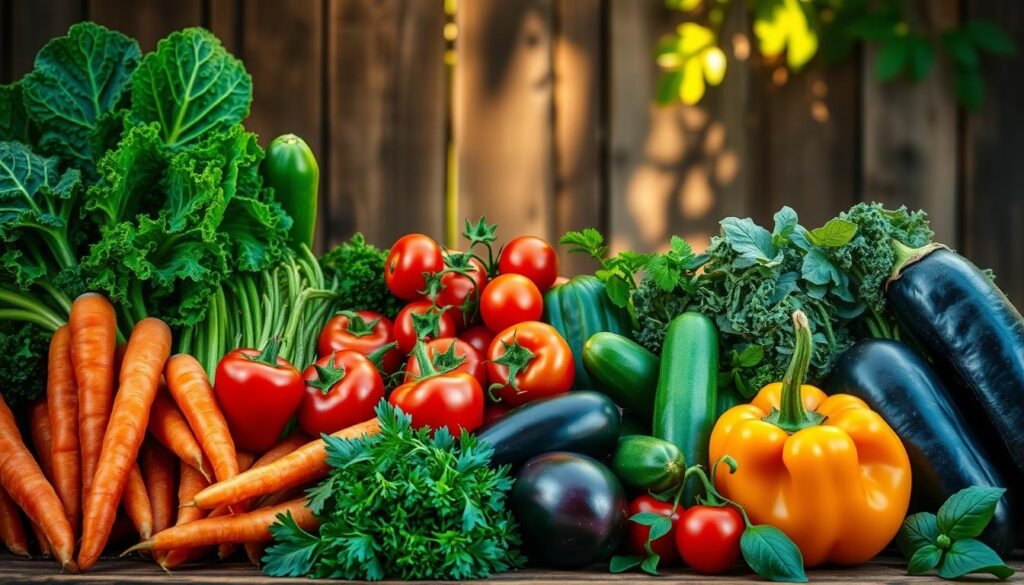
Leafy greens such as spinach, kale, and collard greens are staples in my diet. These vegetables are rich in antioxidants and vitamins A, C, and K, making them crucial for maintaining healthy skin, hair, and eyes. I often add them to my salads, smoothies, or sauté them as a side dish.
The benefits of leafy greens extend beyond their nutritional value; they also support brain health and may reduce the risk of certain diseases. For instance, spinach contains folate, which is known to help reduce homocysteine levels in the blood, thereby supporting heart health.
Colorful Vegetables and Their Benefits
Colorful vegetables like bell peppers, carrots, and tomatoes are not only visually appealing but also packed with nutrients. These vegetables are rich in vitamins and antioxidants that help protect against cell damage and support immune function. I enjoy snacking on raw carrots or bell peppers, and I often roast them with olive oil and herbs for a delicious side dish.
The vibrant colors of these vegetables indicate the presence of various phytonutrients. For example, the lycopene in tomatoes has been linked to reduced risk of certain cancers, while the beta-carotene in carrots supports healthy vision and immune function.
By incorporating a mix of leafy greens and colorful vegetables into my diet, I’m able to support my overall health and well-being. These vegetables provide a broad spectrum of nutrients that are essential for maintaining optimal health.
Whole Grains: Fueling My Day
I’ve found that whole grains play a vital role in fueling my day and maintaining my overall wellness. As part of a balanced diet for better well-being, whole grains offer a wealth of nutritional benefits that are hard to ignore.
Whole grains are rich in fiber, vitamins, and minerals that are essential for maintaining optimal health. Unlike processed grains, whole grains are not stripped of their nutrient-rich bran and germ, making them a superior choice for those looking to improve their diet.
Why Whole Grains Matter
Whole grains matter because they provide sustained energy and support metabolic health. According to health experts, incorporating whole grains into your diet can help reduce the risk of chronic diseases such as heart disease and diabetes.
“Eating whole grains instead of refined grains can significantly lower the risk of many chronic diseases,” is a statement that resonates with health professionals. This is because whole grains are rich in antioxidants and fiber, which play a crucial role in maintaining a healthy digestive system.
My Favorite Whole Grain Options
Some of my favorite whole grain options include dark, flavorful breads, quinoa, and brown rice. These foods are not only delicious but also packed with nutrients. For instance, dark breads are rich in whole grains and can be a great addition to a healthy meal.
- Quinoa is a complete protein and a great source of fiber.
- Brown rice is rich in manganese and selenium.
- Oats are excellent for heart health.
Incorporating these whole grains into my daily meals has been straightforward and rewarding. By making whole grains a staple in my diet, I feel more energized and prepared to take on the day.
Lean Proteins: Essential for Muscle Health
Lean proteins are a crucial component of a balanced diet, supporting muscle health and vitality. As someone who prioritizes health and fitness, I’ve come to understand the importance of incorporating lean proteins into my daily meals.
Importance of Protein in My Diet
Protein is essential for muscle repair and growth. It provides the building blocks necessary for maintaining muscle mass, especially as we age. Including a source of lean protein in every meal helps ensure that my muscles are getting the nutrients they need to stay healthy and strong.
“Protein is crucial for muscle health, and lean proteins offer a way to get the protein you need without excess fat.”
I’ve found that lean proteins like chicken, fish, and turkey are not only rich in protein but also low in saturated fats, making them an ideal choice for a healthy diet.
Best Sources of Lean Protein
Some of my favorite sources of lean protein include:
- Chicken breast
- Fish like salmon and tuna
- Turkey breast
- Legumes such as lentils and chickpeas
- Tofu and other soy products
These foods are not only high in protein but also rich in other essential nutrients, contributing to a nutritious diet that supports overall health and vitality.
By focusing on lean proteins, I’m able to maintain a balanced diet that supports my fitness goals and overall well-being. It’s a simple yet effective way to ensure I’m getting the nutrients I need.
Healthy Fats: The Good Kind
Healthy fats, such as those found in avocados and nuts, play a crucial role in my daily nutrition. These fats are not only delicious but also provide numerous health benefits, from supporting heart health to enhancing brain function.
I’ve come to realize that not all fats are created equal. Healthy fats are essential for my overall well-being, and I’ve made it a point to include them in my diet regularly. Avocados are my go-to source of healthy fats. Rich in monounsaturated fats, avocados help lower bad cholesterol levels and reduce the risk of heart disease.
Avocados: My Go-To Source
Avocados are incredibly versatile and can be incorporated into my diet in various ways. I love adding sliced avocado to my breakfast toast or blending it into a smoothie for a creamy texture. The benefits of avocados extend beyond heart health; they are also rich in fiber, vitamins, and minerals that support overall nutrition.
Some of my favorite ways to include avocados in my meals are:
- Making guacamole as a dip for vegetables
- Adding avocado slices to salads for extra creaminess
- Using avocado oil for cooking due to its high smoke point and nutritional benefits
Nuts and Seeds for Nutrients
In addition to avocados, nuts and seeds are another crucial source of healthy fats in my diet. Almonds, walnuts, chia seeds, and flaxseeds are some of the top choices I make. These foods are not only rich in healthy fats but also provide a good amount of protein and fiber.
Nuts and seeds offer a range of benefits, including:
- Supporting brain health with omega-3 fatty acids found in walnuts and chia seeds
- Providing antioxidants that help protect against cell damage
- Offering a feeling of fullness and satisfaction, aiding in weight management
By incorporating healthy fats from sources like avocados, nuts, and seeds into my daily diet, I feel more energized and focused throughout the day. These foods are a delicious and nutritious way to support my overall health and well-being.
Dairy: A Key Component of My Nutrition
Incorporating dairy into my diet has been a game-changer for my overall health. Dairy products, rich in essential nutrients, play a significant role in maintaining a balanced diet for better well-being. As I continue on my journey to optimal health, I’ve come to appreciate the benefits that dairy brings to the table.
Benefits of Dairy for Bone Health
Dairy is renowned for its high calcium content, which is crucial for maintaining strong bones. Consuming dairy products like milk, cheese, and yogurt has helped me support my bone health. The nutrients in dairy contribute to a reduced risk of osteoporosis and fractures, making it an excellent addition to my daily nutrition plan. Furthermore, dairy products contain other vital nutrients like vitamin D, potassium, and magnesium, which all work together to promote overall health.
Plant-Based Alternatives I Sometimes Choose
While dairy has been a staple in my diet, I also recognize the importance of having plant-based alternatives. For those who are lactose intolerant or prefer a vegan lifestyle, options like almond milk, soy yogurt, and fortified plant-based milk are excellent substitutes. These alternatives can provide similar nutritional benefits, such as calcium and vitamin D, making it easier to maintain a nutritious diet without dairy.
I sometimes choose these plant-based alternatives to vary my nutrient intake and to cater to different dietary needs. Whether it’s due to personal preference or dietary restrictions, having a mix of dairy and plant-based options allows me to eat for wellness while enjoying a diverse range of foods.
Hydration: The Unsung Hero of Health
Hydration plays a vital role in my daily nutrition and well-being. Adequate hydration is crucial for maintaining optimal bodily functions, from regulating body temperature to facilitating the proper functioning of organs.
Importance of Water in My Daily Routine
Water is essential for my daily routine, and I make it a point to drink plenty of water throughout the day. Proper hydration enhances my energy levels and helps in maintaining healthy skin. Here are some tips I follow to stay hydrated:
- Drink at least 8 cups (64 ounces) of water daily
- Keep a water bottle with me at all times
- Infuse water with fruits or herbs for added flavor
Staying hydrated is not just about drinking water; it’s also about being mindful of my body’s signals. If I’m feeling thirsty, I’m already on my way to being dehydrated. I pay attention to my body’s needs and adjust my hydration accordingly.
Hydrating Foods I Prefer
In addition to drinking water, I incorporate hydrating foods into my diet. These foods not only provide essential nutrients but also contribute to my overall hydration. Some of my favorite hydrating foods include:
- Watermelon, which is rich in water content and electrolytes
- Cucumbers, known for their high water content and refreshing flavor
- Strawberries, which are not only hydrating but also packed with vitamins and antioxidants
As
“You don’t have to be great to start, but you have to start to be great.”
This quote resonates with my approach to hydration – starting with small, achievable steps and being consistent.
By prioritizing hydration and incorporating hydrating foods into my diet, I can maintain optimal health and vitality. It’s a simple yet effective way to improve your health with food and overall lifestyle choices.
Spices and Herbs: Natural Flavor Boosters
Incorporating spices and herbs into my daily meals has been a game-changer for my health and culinary experience. Not only do they add flavor without the need for excess salt or sugar, but they also provide a range of health benefits.
My Favorite Spices for Health
Certain spices have become staples in my kitchen due to their health benefits and versatility. Turmeric, for instance, contains curcumin, a compound known for its anti-inflammatory properties. I often add it to my morning smoothie or use it in cooking.
Ginger is another spice I regularly use. It’s known for aiding digestion and can be consumed fresh, dried, or in tea form. Its anti-inflammatory properties also help in reducing muscle pain.
| Spice | Health Benefit | Common Use |
|---|---|---|
| Turmeric | Anti-inflammatory | Curries, smoothies |
| Ginger | Aids digestion | Teas, stir-fries |
| Cinnamon | Regulates blood sugar | Baking, oatmeal |
How Herbs Aid Digestion
Herbs have been a crucial part of my dietary routine, particularly for their digestive benefits. Mint is a refreshing herb that can soothe the stomach and improve digestion. I often make mint tea or add fresh mint leaves to my salads.
Parsley is another herb rich in vitamins and minerals. It’s known to aid in digestion and can be used as a fresh garnish or added to soups and salads.

By incorporating a variety of spices and herbs into my diet, I’ve not only enhanced the flavor of my meals but also supported my overall health and wellness.
Meal Planning: Making Healthier Choices Easy
Effective meal planning is crucial for maintaining a balanced diet for better well-being. By incorporating a variety of nutritious foods into my daily meals, I ensure I’m getting the necessary nutrients for optimal health.
Effective Strategies for Weekly Meal Planning
I start by planning my meals around seasonal produce, which helps me include a range of fruits and vegetables in my diet. I also prep my whole grains and lean proteins in advance to make healthy choices easier during the week.
Staying on Track with My Nutritious Diet
To stay on track, I set reminders to drink plenty of water throughout the day and make sure to include healthy fats like avocados and nuts in my meals. Following daily nutrition tips from trusted sources also helps me make informed choices.
By combining these strategies, I’m able to maintain a nutritious diet that supports my overall health and well-being.
FAQ
What are the most essential foods to include in my daily diet for better health?
How can I ensure I’m getting the right amount of macronutrients in my diet?
What are some of the top fruits that I should include in my diet for vitality and immune function?
How can I incorporate more vegetables into my daily meals?
What are the benefits of choosing whole grains over processed grains?
What are the best sources of lean protein for muscle health?
How can healthy fats like avocados, nuts, and seeds support my overall health?
Are there any plant-based alternatives to dairy that I can consider?
How can I stay hydrated and maintain proper hydration levels?
What are some tips for planning healthy meals and staying on track with my dietary goals?
How can spices and herbs enhance the flavor and nutritional value of my meals?