What if you could enjoy a rich, satisfying dessert without derailing your low-carb goals? Many believe that following a ketogenic lifestyle means saying goodbye to all things sweet. This guide is here to change that perception completely.
You can absolutely indulge while staying in ketosis. The secret lies in smart ingredient swaps. We’re talking about using almond flour, erythritol, and rich dark chocolate to create magic.
Inside, you’ll find ten fantastic recipes. Each one contains under 5 grams of net carbs per serving. This proves that low-carb does not mean low enjoyment. You can have your cake and eat it too, quite literally.
Consider that a typical slice of bakery cake can pack 30 to 60 grams of carbs. That’s enough to disrupt your metabolic state. Our alternatives let you celebrate without the setback.
Every recipe uses ingredients you can find in any American grocery store. We’ll also share common pitfalls and tips for success. Get ready to redefine what dessert means on your journey.
Key Takeaways
- Enjoying dessert is possible while maintaining a ketogenic diet.
- Smart ingredient swaps are the key to creating low-carb sweets.
- All featured recipes contain fewer than 5 grams of net carbs per serving.
- Traditional desserts often contain enough carbs to disrupt ketosis.
- Recipes use common, accessible ingredients found in U.S. stores.
- Learning a few simple tips can ensure your baking success.
- You can transform potential cheat moments into compliant, celebrated treats.
Indulge Your Sweet Tooth Without Breaking Ketosis
The idea that you must give up desserts to stay in ketosis is simply outdated. You can absolutely enjoy sweet treats while your body remains in fat-burning mode. It’s all about smart choices.
Many people think that a craving for something sweet means failure. That’s a myth we’re here to bust completely. Your diet should feel sustainable and enjoyable, not restrictive.
The key is understanding carbohydrates. Traditional sugars spike your blood glucose and can knock you out of ketosis. The solution lies in swapping them for friendly alternatives.
These alternatives provide the sweetness you desire without the metabolic cost. They satisfy that urgent craving and keep you on track. This practical approach is a game-changer.
Having delicious options is psychologically crucial. It prevents feelings of deprivation that often lead to quitting. When you know a tasty treat is waiting, sticking to your plan long-term becomes much easier.
“Pleasure and health are not mutually exclusive. A well-crafted dessert can be part of a successful nutritional strategy.”
Every recipe you’ll find here is designed with your daily limits in mind. A typical low-carb plan allows for 20 to 50 grams of net carbs per day. Each delightful option contributes only a small fraction of that.
You’ll see precise counts for carbs per serving. This transparency helps you budget your intake effortlessly. You can enjoy one per serving without a second thought.
These creations support your metabolic state, they don’t sabotage it. They use fats and proteins to promote fullness. This helps you stay in ketosis while feeling truly satisfied.
When a sugar craving hits, you now have a fast solution. Think of a two-minute mug cake ready in no time. This confidence transforms potential cheat moments into celebrated victories.
Your journey includes room for pleasure. Embrace these desserts as tools for success. They prove that living a keto lifestyle can be both delicious and rewarding.
What Makes a Dessert Truly Keto-Friendly?
A dessert earns its keto-friendly label through a combination of smart ingredients and precise macros. It’s not just about being low in sugar. The recipe must support your metabolic state without hidden pitfalls.
Three core pillars define every genuine option. You need to understand net carbohydrates, embrace dietary fats, and choose sweeteners wisely. Mastering these lets you enjoy without worry.
The Magic of Net Carbs: Your Key Metric
Total carbohydrates on a label don’t tell the full story. The number that truly matters for ketosis is net carbs. This is your key metric for tracking.
You calculate it by taking total carbs and subtracting fiber and certain sugar alcohols. Your body doesn’t digest these subtractions. They don’t impact your blood glucose.
For example, a serving with 10g total carbs, 5g fiber, and 2g erythritol has only 3g net carb. That’s the number you count. Always check carbs per serving using this math.
Staying in fat-burning mode depends on keeping your daily net intake low. This approach is backed by science. The ketogenic diet improves your body’s insulin sensitivity over time.
Fats Are Your Friend: Building Richness and Satiety
Dietary fat is the powerhouse of a satisfying treat. It’s not just allowed; it’s essential. Fats provide luxurious texture and deep moisture.
They also signal fullness to your brain. This helps you feel content with a smaller portion. You avoid the blood sugar roller coaster that comes with traditional sweets.
High-quality sources like coconut oil, butter, and avocado oil are ideal. They turn a simple recipe into a rich experience. For more on stocking your kitchen, explore our guide to essential keto dessert ingredients.
These ingredients align perfectly with your macros. They keep you fueled and satisfied.
Sweetness Without the Spike: Navigating Keto Sweeteners
Craving sweetness is natural. The goal is to satisfy it without a metabolic cost. Not all sugar substitutes are created equal.
Keto-approved options like erythritol and monk fruit have minimal impact on blood sugar. Recent studies confirm this. They don’t cause the insulin spike that processed sugar does.
It’s crucial to avoid hidden sugars and certain sugar alcohols like maltitol. They can still impact your glucose levels. Always read labels carefully.
The table below breaks down popular choices. It shows how they compare to regular sugar.
| Sweetener | Sweetness vs. Sugar | Glycemic Index | Best Uses & Notes |
|---|---|---|---|
| Erythritol | ~70% as sweet | 0 | Baking, frostings. Can have a cooling effect. |
| Stevia (Pure Extract) | 200-300 times sweeter | 0 | Beverages, raw desserts. Use sparingly to avoid bitterness. |
| Monk Fruit Blend | Often 1:1 replacement | 0 | General baking. Often mixed with erythritol for bulk. |
| Allulose | ~70% as sweet | 0 | Caramelization, ice cream. Less cooling than erythritol. |
This foundational knowledge empowers you. You can look at any recipe or product label now. You’ll instantly know if it fits your plan.
Remember, natural sugars in whole foods differ from added sugars. Your body processes them differently. Focus on the big picture of your daily net intake.
With these pillars in mind, you’re ready to create or choose with confidence. Your dessert can be both delicious and supportive.
Your Essential Keto Dessert Pantry Staples
Transforming your kitchen with a few key items unlocks a world of low-carb baking possibilities. Having the right ingredients on hand turns a craving into a quick, compliant creation. This is your foundation for success.
Think of this as your core toolkit. Each item serves a specific purpose. Together, they replace traditional high-carb elements without sacrificing taste.
We’ll focus on three categories: flours, sweeteners, and fats. Mastering these lets you adapt almost any recipe. You’ll build confidence and save time.
Low-Carb Flour Powerhouses: Almond vs. Coconut
Wheat flour is off the table, but two fantastic alternatives lead the way. Almond flour and coconut flour are the stars of low-carb baking. They have completely different properties.
Almond flour is made from finely ground nuts. It provides a tender crumb and rich flavor. Per 100 grams, it has about 10 grams of net carbs. Compare that to wheat flour’s 68 grams.
For the best results, choose blanched almond flour. It has the skins removed. This gives you a finer texture and lighter color for your cakes and cookies.
Coconut flour is made from dried, defatted coconut meat. It’s incredibly absorbent, with only about 6 grams of net carbs per 100 grams. You must use it differently.
Recipes with coconut flour require more eggs and liquid. It soaks up moisture like a sponge. This helps create a satisfying, dense texture in muffins and breads.
You generally cannot swap them one-for-one. Here’s a simple guide for substituting one cup of wheat flour:
- Almond Flour: Use 1 cup. You may need a binding agent like an extra egg.
- Coconut Flour: Use only 1/4 to 1/3 cup. Increase eggs and liquid significantly.
Natural Sweeteners: Erythritol, Stevia, and Monk Fruit
Choosing the right sweetener is crucial for taste and metabolic health. You want sweetness without the blood sugar spike. The good news is you have several excellent options.
Erythritol is a sugar alcohol popular in baking. It has almost zero calories and a glycemic index of zero. Many people enjoy it because it measures cup-for-cup like sugar.
A potential downside is a cooling sensation on the tongue. This is more noticeable in frostings and frozen treats. Blending it with another sweetener can help.
Stevia is a highly concentrated plant extract. It’s hundreds of times sweeter than sugar, so you use tiny amounts. Some brands can have a bitter aftertaste.
Look for pure stevia extract or liquid drops for best results. It’s perfect for sweetening beverages or raw desserts.
Monk fruit sweetener is derived from a small fruit. Research confirms it is a safe, natural choice. It has no bitter aftertaste and doesn’t impact blood glucose.
Its main drawback is a higher cost. It’s often blended with erythritol to create a bulk-friendly product. This combo works wonderfully in most recipes.
| Sweetener | Substitution Ratio (vs. Sugar) | Best Used For | Key Note |
|---|---|---|---|
| Erythritol (Granulated) | 1:1 by volume | Cakes, cookies, crumbles | May have cooling effect |
| Pure Stevia Extract | A pinch for 1 tsp sugar | Drinks, yogurt, raw sauces | Extremely potent; can be bitter |
| Monk Fruit Blend | 1:1 by volume | General baking, syrups | Great taste; often mixed with erythritol |
| Allulose | 1:1 by volume | Caramel, ice cream | Browns and caramelizes like sugar |
Healthy Fats for Texture and Flavor
Fat is not just permitted; it’s celebrated. It provides moisture, richness, and that satisfying mouthfeel. The right fats make your treats truly special.
Coconut oil is a versatile champion. It solidifies at cool temperatures, making it ideal for fat bombs and pie crusts. Studies also point to its various health benefits.
Use refined coconut oil for a neutral taste. Unrefined (virgin) oil adds a subtle coconut aroma.
Good old butter delivers unparalleled flavor. It’s perfect for creating tender pastries and rich frostings. Always opt for grass-fed butter when possible for its better nutrient profile.
Heavy cream whips into fluffy clouds for toppings. It’s also the base for no-churn ice creams. Its high fat content is exactly what you want.
Don’t forget the flavor enhancers. Unsweetened cocoa powder is a must for chocolate recipes. Pure vanilla extract adds depth and warmth to any creation.
Stocking these staples means you’re always prepared. For a complete list of everything you need, check out our guide to stocking your keto pantry.
With these ingredients on your shelf, a delicious, low-carb treat is never far away. You can satisfy any craving quickly and stay firmly on track with your goals.
1. Two-Minute Keto Chocolate Mug Cake
When a sudden craving for something warm and chocolatey strikes, you need a solution that’s as fast as it is satisfying. This single-serving mug cake is your ultimate emergency treat. It bakes in your microwave in about 90 seconds.
You don’t need to plan ahead or make a full batch. It’s the perfect answer for those “I need chocolate now” moments. You’ll have a personal, decadent cake ready faster than you can find a show to stream.
Ingredients You’ll Need
Gather these simple ingredients, likely already in your pantry. You’ll need a standard 12-ounce microwave-safe mug.
- 3 tablespoons almond flour
- 1½ tablespoons cocoa powder (unsweetened)
- 1½ tablespoons granulated erythritol
- ¼ teaspoon baking powder
- A pinch of salt
- 1 large egg
- 1 tablespoon melted coconut oil or butter
- ¼ teaspoon vanilla extract
Quick-Step Instructions
This process is virtually foolproof. Follow these steps for perfect results every time.
- In your mug, whisk together the almond flour, cocoa powder, erythritol, baking powder, and salt.
- Add the egg, melted oil, and vanilla extract to the dry mix.
- Stir vigorously until you have a smooth, thick batter.
- Microwave on high for 60 to 90 seconds. The cake is done when the top looks set.
- Let it cool for a minute before digging in.
Nutrition Facts & Customization Ideas
Here’s the best part: this feels indulgent but fits your plan perfectly. One mug contains approximately 265 calories.
The macros are impressive for a dessert. You get about 22 grams of fat, 9 grams of protein, and only 4g net carbs per serving.
This confirms it’s a safe choice for your daily carbs per serving budget. You can enjoy it without a second thought.
Feel free to make it your own. Try these simple add-ins:
- Stir in a spoonful of sugar-free peanut butter.
- Mix in a small handful of sugar-free chocolate chips.
- Add a dash of cinnamon or espresso powder for depth.
There’s a health bonus, too. The unsweetened cocoa is rich in flavonoids. Research suggests these compounds can support cognitive health, making this a smart indulgence.
This recipe proves a delicious treat doesn’t require hours. In just two minutes, you can silence those cravings and stay right on track.
2. Decadent & Moist Keto Chocolate Layer Cake
Celebrating a special occasion often calls for a centerpiece dessert that wows everyone at the table. This rich, layered cake proves you can have exactly that. It looks and tastes completely indulgent, yet fits your macros perfectly.
You will master a stunning creation perfect for birthdays or any gathering. It shows that low-carb desserts can be just as impressive as traditional ones. Every element, from the tender crumb to the creamy frosting, is designed for satisfaction.
Gathering Your Cake and Frosting Ingredients
Great results start with the right ingredients. This recipe uses common items to build deep flavor and perfect texture. You will need two separate lists for the cake layers and the frosting.
For the rich chocolate cake layers, gather these items:
- 2 cups blanched almond flour
- ¾ cup unsweetened cocoa powder
- ¾ cup granulated erythritol
- 1 tbsp baking powder
- ½ tsp salt
- 4 large eggs, at room temperature
- ½ cup melted coconut oil or unsalted butter
- ¾ cup unsweetened almond milk
- 2 tsp pure vanilla extract
For the creamy, tangy frosting, choose one base:
- Greek Yogurt Frosting: 2 cups full-fat Greek yogurt, ½ cup powdered erythritol, 1 tsp vanilla.
- Cream Cheese Frosting: 16 oz softened cream cheese, ½ cup softened butter, ⅔ cup powdered erythritol, 1 tsp vanilla.
Baking and Assembling Your Masterpiece
The baking process is straightforward with a few pro tips. First, preheat your oven to 350°F (175°C). Grease two 8-inch round cake pans and line them with parchment paper.
In a large bowl, whisk all dry ingredients together. In another bowl, beat the wet ingredients until smooth. Combine them gently until just mixed. Overmixing can make the cake dense.
Divide the batter evenly between the pans. For perfectly flat layers, wrap the pans with damp cake strips. Bake for 25-30 minutes. The cake is done when a toothpick inserted comes out clean.
Let the layers cool in the pans for 10 minutes. Then transfer them to a wire rack to cool completely. This step is crucial before frosting.
To assemble, place one layer on a plate. Spread a thick layer of your chosen frosting over it. Carefully top with the second layer. Frost the top and sides smoothly for a professional finish.
Macros Per Slice
You can enjoy a generous slice without any guesswork. The precise macro breakdown is below for one serving (1/12th of the cake).
| Nutrient | Amount Per Serving | Notes |
|---|---|---|
| Net Carbs | ~6g | Fits easily into a daily low-carb budget. |
| Total Fat | 24g | Provides richness and promotes satiety. |
| Protein | 8g | Helps stabilize blood sugar. |
| Calories | 285 | A satisfying energy value for a dessert. |
The healthy fats from almond flour and coconut oil are the secret. They create a moist, tender crumb that rivals any wheat-flour cake. You feel truly satisfied after one slice.
This keto chocolate creation is a testament to a simple fact. You don’t have to miss out on life’s sweetest moments. Celebrate fully, knowing each per serving count supports your goals.
3. Fluffy Keto Pancakes with Fresh Berries
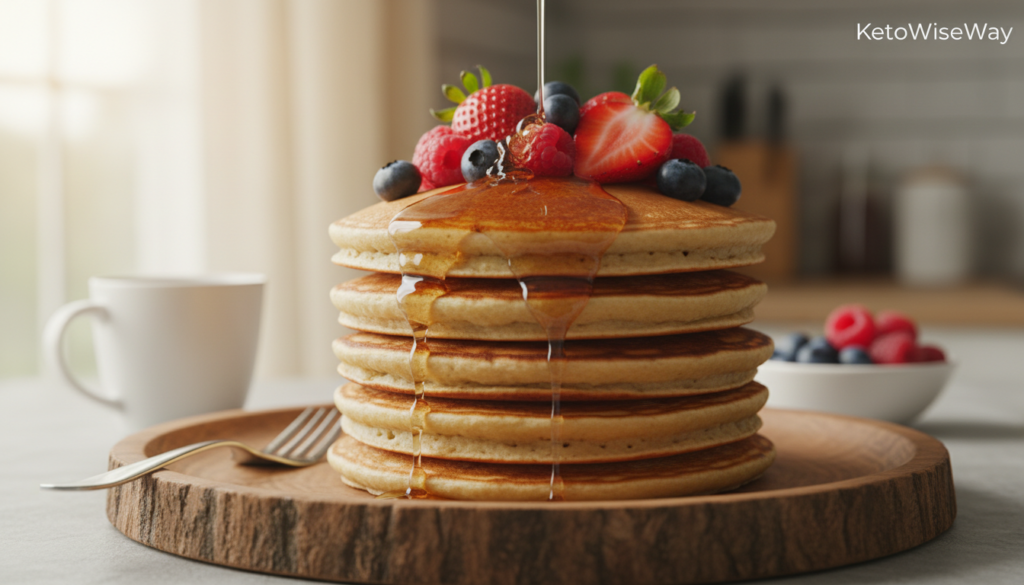
Imagine starting your weekend with a stack of warm, fluffy pancakes that taste just like the classic breakfast you remember. This recipe brings back that comforting ritual without any compromise. You get all the flavor and satisfaction while staying firmly on your nutritional path.
These pancakes are light, airy, and actually flip beautifully. They transform a typically high-carb comfort food into a staple that makes any morning feel special. You can enjoy a leisurely breakfast again.
The Simple Pancake Batter
Great results start with a straightforward batter formula. You’ll use common ingredients like almond flour, eggs, and unsweetened almond milk. A touch of granulated erythritol adds just the right sweetness.
Here is what you need for about six to eight pancakes:
- 1 cup blanched almond flour
- 2 large eggs
- 1/3 cup unsweetened almond milk
- 1 tablespoon granulated erythritol
- 1 teaspoon baking powder
- 1/2 teaspoon pure vanilla extract
- A pinch of salt
Whisk everything together in a bowl until smooth. Then, let the batter rest for five minutes. This resting time allows the almond flour to hydrate fully.
That step is the secret to achieving an ideal, fluffy texture. It prevents a gritty feel and helps the pancakes hold together.
Cooking to Golden-Brown Perfection
Now, heat a non-stick griddle or skillet over medium heat. Add a small amount of coconut oil or butter to coat the surface. You want it hot but not smoking.
Pour about 1/4 cup of batter for each pancake. Cook until you see bubbles forming on the surface and the edges look set. This usually takes two to three minutes.
Then, gently slide your spatula underneath and flip. Cook for another minute or two until golden-brown. The key is patience—don’t press them down.
Keep cooked pancakes warm in a low oven while you finish the batch. This technique ensures every one is perfectly cooked.
Serving Suggestions and Nutritional Info
This is where you make the meal your own. Top your warm stack with a handful of fresh berries like raspberries, blackberries, or blueberries. A drizzle of sugar-free maple syrup completes the picture.
Those berries are more than just a pretty garnish. They are nutritional powerhouses packed with antioxidants. Recent research even links regular berry consumption to supporting a longer, healthier life.
Here is the detailed breakdown for a standard serving of two pancakes:
| Nutrient | Amount | Role in Your Diet |
|---|---|---|
| Net Carbs | 5g | Fits easily into a low-carb day. |
| Protein | 11g | Helps keep you full and supports muscles. |
| Fat | 18g | Provides lasting energy and richness. |
| Calories | 235 | A satisfying amount for a morning treat. |
As you can see, the carbs per serving are wonderfully low. This satisfying stack fits comfortably within your macros. You can enjoy this per serving without derailing your progress.
It proves that your diet can include the foods you love. You just make them smarter. This recipe turns a potential cheat moment into a celebrated, compliant victory.
4. Incredibly Fudgy Keto Brownies
What if the secret to the most moist brownie you’ve ever tasted was hiding in your vegetable drawer? These squares deliver an intense, fudgy experience that rivals any traditional recipe. The magic lies in a simple, unexpected addition.
You get a dense, chocolate-rich bite with a beautiful crackly top. Each piece is packed with flavor, not carbohydrates. This recipe transforms a classic dessert into a smart, satisfying option.
Surprise Ingredient: The Key to Fudginess
The hero here is grated zucchini, also known as courgette. It provides incredible moisture without a vegetal taste. When baked, it virtually disappears into the chocolate batter.
Proper preparation is crucial. First, grate one medium zucchini using the fine side of your grater. Then, place the shreds in a clean kitchen towel or paper towels.
Squeeze firmly to remove all excess water. This step ensures your brownies are fudgy, not wet. You’ll be amazed at how much liquid comes out.
This vegetable adds volume and texture. It lets you reduce other wet ingredients. The result is a uniquely tender crumb that stays fresh for days.
Mixing and Baking Your Brownies
The process is simple and requires no special equipment. You’ll use almond butter as a rich, binding base. It contributes healthy fat and a subtle nutty depth.
Gather your dry components: unsweetened cocoa powder, granulated erythritol, and a pinch of salt. In a separate bowl, combine the squeezed zucchini, almond butter, melted butter or coconut oil, an egg, and vanilla.
Mix the wet and dry ingredients together until just combined. Overmixing can lead to a cakey texture. You want a thick, spoonable batter.
Pour the batter into a lined 8×8 inch baking pan. Smooth the top with a spatula. Bake in a preheated 350°F (175°C) oven for 20-25 minutes.
The key is to pull them out when the edges are set but the center still looks slightly soft. A toothpick inserted should come out with a few moist crumbs. This guarantees that coveted gooey center.
Let them cool completely in the pan before slicing. This patience rewards you with perfect, clean squares.
Macro Breakdown per Gooey Square
One of these rich brownies is a nutritional powerhouse. The detailed counts show how well it fits your plan. You can enjoy a whole square for a remarkably low carbs per serving count.
| Nutrient | Amount | Why It Matters |
|---|---|---|
| Net Carbs | 3g | Extremely low impact on your daily limit. |
| Protein | 4g | Helps with satiety and muscle support. |
| Total Fat | 11g | Provides lasting energy and richness. |
| Calories | 135 | A reasonable amount for a decadent treat. |
As you can see, the net carbs per serving are minimal. A traditional brownie can have over 20 grams of sugar and carbs in a single bite. This version lets you indulge fully.
There’s a bonus benefit, too. The high-quality cocoa powder is rich in flavanols. Recent research, like the study noted by Achuff in 2024, suggests these compounds can support brain health and cognitive function.
Enjoying a dessert that delights your senses and supports your well-being is a true win-win.
These brownies are so satisfying, they’ll become a staple in your kitchen. They’re perfect for sharing at gatherings or for quietly satisfying a deep craving. You get all the joy with none of the setback.
5. Baked Keto Blueberry Doughnuts with Glaze
Weekend mornings become a celebration with these tender, berry-studded doughnuts. They are surprisingly low in carbs. You get all the joy of a classic bakery treat right from your own oven.
This recipe uses a simple baked method, not frying. The result is a cake-like, moist ring packed with juicy blueberries. A sweet glaze adds that final, perfect touch.
Creating the Doughnut Batter
Your batter comes together like a quick muffin mix. First, gather your dry ingredients. You will need blanched almond flour, granulated erythritol, baking powder, and a pinch of salt.
In another bowl, whisk the wet components. These include eggs, melted coconut oil or butter, unsweetened almond milk, and vanilla extract. Fold in fresh or frozen blueberries last.
The consistency should be thick but spoonable. Let it rest for five minutes. This helps the almond flour absorb moisture for a better texture.
To fill your doughnut pan, use a piping bag or a spoon. Carefully fill each cavity about three-quarters full. This ensures your rings bake up with a perfect shape.
Baking and Glazing Techniques
Preheat your oven to 350°F (175°C). Bake the doughnuts for 14 to 16 minutes. They are done when the tops spring back lightly to the touch.
Let them cool in the pan for a few minutes. Then transfer them to a wire rack. They must be completely cool before you apply the glaze.
For the glaze, simply mix powdered erythritol with a splash of almond milk. Stir until you have a smooth, pourable consistency. Drizzle it over each cooled doughnut.
The glaze will set into a slightly hardened shell. It gives that authentic doughnut shop look and feel. Your creation is now ready to enjoy.
Carbs and Calories per Doughnut
One of these delightful rings fits neatly into your daily plan. The precise numbers are below. You can enjoy one or two without any worry.
| Nutrient | Amount Per Doughnut | Why It’s Great |
|---|---|---|
| Net Carbs | 3g | Extremely low impact on your carb budget. |
| Protein | 4g | Adds to the feeling of fullness. |
| Total Fat | 12g | Provides lasting energy and richness. |
| Calories | 145 | A reasonable count for a satisfying dessert. |
As you can see, the carbs per serving are minimal. This makes them an excellent choice for a morning snack or an afternoon pick-me-up.
These doughnuts are a fun weekend project. They yield a portable treat that everyone will love. You get to indulge in a classic flavor while staying on track.
6. No-Churn Creamy Keto Ice Cream
Creating a smooth, scoopable frozen treat without a machine is easier than you might think. This method delivers a luxuriously creamy result using just a bowl and a whisk. You get all the indulgence of a classic dessert with a fraction of the carbs.
It’s a game-changer for hot summer days. You can satisfy that deep craving for something cold and sweet. Best of all, you control every ingredient that goes in.
The Four-Ingredient Base
Your foundation is remarkably simple. Each component plays a specific role in texture and taste. You likely have most of these ingredients in your pantry already.
First, you need the thick cream from a can of full-fat coconut milk. Chill the can overnight. This helps the rich cream separate from the water.
Next, almond butter adds body and a subtle nutty richness. It helps create a smooth mouthfeel. Granulated erythritol provides the necessary sweetness without spiking blood sugar.
Finally, pure vanilla extract rounds out the flavor profile. It adds warmth and depth to every spoonful.
The Freezing and Whisking Process
The secret to a perfect texture lies in breaking up ice crystals. You do this by whisking the mixture at regular intervals during freezing. It mimics the churning action of an ice cream maker.
Start by scooping the solid coconut cream into a mixing bowl. Add the almond butter, erythritol, and vanilla. Use a hand mixer or whisk to blend everything until smooth and fluffy.
Pour this base into a shallow, freezer-safe container. Place it in your freezer. Now, set a timer for 30 to 45 minutes.
When the timer goes off, take the container out. Give the mixture a vigorous whisk. This breaks up any large ice crystals that are starting to form.
Repeat this whisking process three to four more times. Your total freezing time will be about 3 to 4 hours. The result is a scoopable, homemade ice cream with a wonderfully creamy consistency.
Flavor Variations and Nutrition
This base recipe is a blank canvas for your creativity. A few simple add-ins can create entirely new experiences. Here are some popular ideas to try:
- Chocolate: Mix in 2 tablespoons of unsweetened cocoa powder.
- Mint Chip: Add ½ teaspoon peppermint extract and sugar-free chocolate chips.
- Berry Swirl: Gently fold in a few tablespoons of mashed raspberries or strawberries.
- Coffee: Stir in 1 teaspoon of instant espresso powder.
The health benefits are a great bonus. Full-fat coconut milk is rich in medium-chain triglycerides (MCTs). As noted by Coleman (2024a), these fats are easily used for energy on a low-carb plan.
Now, let’s look at the numbers. One serving is about a half-cup scoop. The nutrition facts show how this rich creation fits your goals.
| Nutrient | Amount Per Serving | Why It Matters |
|---|---|---|
| Net Carbs | 4g | Extremely low carbs per serving. |
| Protein | 4g | Adds to satiety and supports muscle health. |
| Total Fat | 22g | Provides lasting energy and creamy richness. |
| Calories | 235 | A satisfying amount for a decadent frozen treat. |
You can enjoy this per serving without derailing your progress. It proves that a truly indulgent experience can be part of a smart lifestyle.
7. Stunning Keto Red Velvet Cake with Cream Cheese Frosting
Achieving that iconic crimson hue in a low-carb cake might seem impossible without artificial dyes. Nature provides a perfect solution with beetroot powder. This recipe delivers a moist, tender layer cake with the subtle cocoa flavor you love.
It’s topped with a luscious, tangy frosting. Your guests will never guess this beautiful centerpiece is a smart, low-carb creation. It proves that even the most visually striking desserts can be adapted successfully.
Natural Color and Classic Flavor
You achieve the stunning red color naturally with beetroot powder. This avoids artificial food dyes completely. The powder blends seamlessly into the batter, imparting a vibrant shade.
Classic red velvet flavor comes from a small amount of unsweetened cocoa and a touch of acidity. We use a keto-friendly buttermilk made from almond milk and vinegar. This combination creates that signature tang and tender crumb.
The dry ingredients are simple: almond flour, cocoa powder, baking powder, and your beetroot color. Wet components include eggs, melted butter or oil, vanilla, and the homemade buttermilk.
Recipe Steps for Cake and Frosting
Start by preheating your oven to 350°F. Grease two 8-inch round pans and line them with parchment paper. Whisk all dry ingredients together in a large bowl.
In another bowl, combine the wet ingredients. Gently fold the wet mix into the dry until just combined. Divide the batter evenly between your prepared pans.
Bake for 25 to 30 minutes. The cake is done when a toothpick inserted comes out clean. Let the layers cool completely on a wire rack before frosting.
For the frosting, beat softened cream cheese and butter until smooth. Gradually add powdered erythritol and vanilla extract. Whip until light and spreadable.
To assemble, place one layer on a plate. Spread a thick layer of frosting over it. Top with the second layer and frost the top and sides smoothly.
Nutritional Profile per Serving
You can enjoy a generous slice with complete confidence. The detailed macros for one serving (1/12th of the cake) are below.
| Nutrient | Amount | Notes |
|---|---|---|
| Net Carbs | ~5g | Fits easily into a daily low-carb budget. |
| Protein | 8g | Contributes to satiety and muscle support. |
| Total Fat | 32g | Provides rich texture and lasting energy. |
| Calories | 355 | A satisfying amount for a special-occasion dessert. |
As you can see, the carbs per serving are remarkably low. This allows you to savor this classic treat without derailing your progress. Each per serving count is designed to support your goals.
The high fat content from quality ingredients like almond flour and cream cheese promotes fullness. You get a truly decadent experience that aligns with your lifestyle.
8. Gooey Keto Cinnamon Rolls with Cream Cheese Glaze
There’s something undeniably special about pulling apart a warm, gooey cinnamon roll on a lazy morning. Now you can recreate that classic bakery experience right in your own kitchen. This version delivers all the soft, spiral perfection you crave with a smart nutritional profile.
You will master a versatile dough that opens up a world of possibilities. The final touch is a tangy, sweet glaze that makes every bite complete. It’s a recipe that turns any day into a celebration.
The Magic of Fat-Head Dough
Your journey begins with “fat-head dough,” a revolutionary base for low-carb baking. This dough is famously pliable and stretchy, perfect for shaping into rolls. It gets its unique texture from a simple combination of melted cheeses and almond flour.
The core ingredients are shredded mozzarella, almond flour, cream cheese, and an egg. Melting the mozzarella and cream cheese first creates a glue-like base. You then mix in the almond flour and egg to form a smooth, workable dough.
This mixture behaves surprisingly like traditional yeast dough. You can roll it out thinly without it tearing. It’s the secret behind achieving those perfect, layered swirls in your finished rolls.
Rolling, Cutting, and Baking
Once your dough is ready, roll it into a large rectangle on a piece of parchment paper. The next step is creating the iconic filling that makes these rolls so irresistible.
For the filling, you’ll mix softened butter with granulated erythritol and ground cinnamon. Spread this mixture evenly over the rolled-out dough, leaving a small border. Then, carefully roll the dough into a tight log, starting from the long side.
Use a sharp knife to slice the log into even rounds. Place these swirls in a greased baking dish, allowing a little space between them. They will expand as they bake.
Bake in a preheated oven at 375°F (190°C) for about 20 minutes. Your rolls are done when they turn a beautiful golden-brown on top. The center will be soft and wonderfully gooey.
While they bake, prepare the simple glaze. Beat together softened cream cheese, powdered erythritol, a splash of almond milk, and a dash of pure vanilla extract. Drizzle this generously over the warm rolls right after they come out of the oven.
Macros for a Warm, Gooey Roll
You can enjoy one of these decadent rolls with complete confidence. The detailed nutrition for a single roll is impressive and fits a low-carb lifestyle perfectly.
| Nutrient | Amount Per Serving | Why It’s Great |
|---|---|---|
| Net Carbs Per Roll | 3g | Extremely low carbs per serving. |
| Protein | 5g | Adds to the feeling of fullness. |
| Total Fat | 12g | Provides lasting energy and rich texture. |
| Calories | 145 | A reasonable count for a satisfying dessert or breakfast. |
Beyond being delicious, cinnamon offers a functional boost. Research, such as that noted by Achuff (2024a), highlights its profound health benefits. It can help regulate blood sugar levels, making it a thoughtful addition to this treat.
“Incorporating spices like cinnamon into your meals is a simple way to add both flavor and functional health support.”
This recipe proves you don’t have to give up the foods you love. With a bit of creativity and the right techniques, even the most indulgent classics can be part of your journey.
9. Classic Keto New York-Style Cheesecake
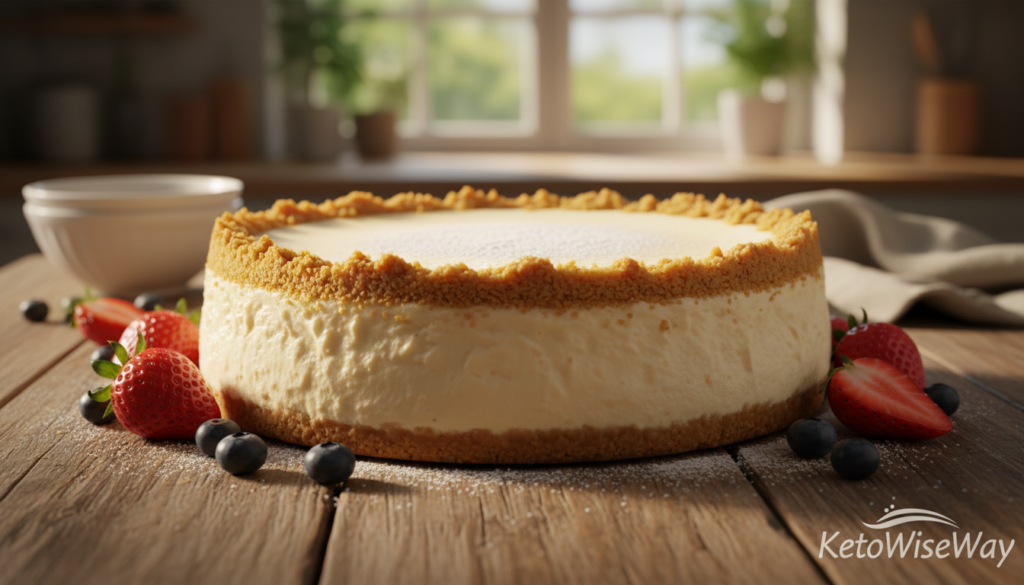
Creating a flawless, crack-free cheesecake might seem daunting. The right method makes it simple. This recipe delivers the quintessential dense, creamy experience you love.
It features a buttery almond flour crust and a luxuriously smooth filling. You will master a dessert that anchors any holiday table or special dinner. It’s a masterpiece that rewards your patience.
Preparing the Crust and Water Bath
Start with the simple, press-in crust. Combine one and a half cups of blanched almond flour with four tablespoons of melted butter and two tablespoons of granulated erythritol.
Press this mixture firmly into the bottom of a nine-inch springform pan. Pre-bake it for about ten minutes at 325°F. This step ensures a crisp, stable base.
The water bath, or bain-marie, is your secret weapon. It bakes the cheesecake gently and evenly. This prevents cracks and ensures a silky texture.
Wrap the outside of your springform pan tightly with heavy-duty aluminum foil. This keeps water from seeping in. Place the pan inside a larger roasting dish.
Pour hot water into the roasting dish until it reaches halfway up the sides of the springform. The steam creates a humid oven environment. Your creation will bake to perfection.
Mixing the Perfect Cream Cheese Filling
The filling is all about smooth consistency. Use room-temperature ingredients for best results. This prevents lumps and ensures even baking.
In a large bowl, beat four eight-ounce blocks of full-fat cream cheese until completely smooth. Add one cup of full-fat sour cream, three large eggs, one cup of granulated erythritol, the juice of one lemon, and two teaspoons of pure vanilla extract.
Mix on low speed until everything is just combined. Over-aerating the batter can cause the cheesecake to rise and fall dramatically. This often leads to cracking.
Pour the velvety filling over your pre-baked crust. Smooth the top with a spatula. It’s now ready for its gentle steam bath in the oven.
Chilling and Serving Nutrition Facts
Bake the cheesecake for about 60 to 70 minutes. The center should still have a slight jiggle when you gently shake the pan. Turn off the oven and crack the door open.
Let it cool slowly inside for one hour. This gradual temperature change is crucial. It helps prevent surface cracks from forming.
Afterward, remove it from the water bath and let it cool completely on a rack. Then, refrigerate it for at least four hours. Overnight chilling is ideal for the best flavor and perfect sliceability.
When ready to serve, run a thin knife around the edge before releasing the springform. Each decadent slice is a nutritional triumph. The detailed facts show how this luxury fits your plan.
| Nutrient | Amount Per Serving (1/12 slice) | Dietary Impact |
|---|---|---|
| Net Carbs | 4g | Extremely low carbs per serving. |
| Protein | 8g | Promotes satiety and supports muscle health. |
| Total Fat | 35g | Provides rich texture and sustained energy. |
| Calories | 375 | A satisfying amount for a special-occasion treat. |
As noted by baking experts like Banz (2023) and Layla (2020), the water bath technique is non-negotiable for professional results. This keto version proves you don’t need sugar or wheat flour for an unforgettable dessert.
Your patience is rewarded with every creamy, tangy bite. This is a cheesecake worthy of any celebration.
10. Quick Keto Chocolate Peanut Butter Fat Bombs
Meet your new favorite snack: a no-bake, freezer-friendly morsel packed with flavor and healthy fats. These little energy bites are perhaps the easiest creation in your low-carb toolkit.
They help you meet your daily fat macros while satisfying urgent cravings. Think of them as a functional treat that supports your lifestyle.
Simple Melt-and-Freeze Method
The process couldn’t be simpler. You just melt, mix, and freeze. No oven or special skills are required.
Gather these core ingredients:
- 1/2 cup coconut oil
- 1/2 cup smooth peanut butter or almond butter
- 1/4 cup unsweetened cocoa powder
- 1/4 cup granulated erythritol
- A pinch of salt
Gently melt the coconut oil and nut butter together. You can use a double boiler or microwave in short bursts.
Stir in the dry ingredients until you have a smooth, glossy mixture. Pour this into silicone molds or a small lined dish.
Place it in the freezer for about 30 minutes. Your bites will set into solid, portable pieces. This method is inspired by popular recipes like Katie’s from 2020.
Storage and Enjoyment Tips
These bombs must live in the freezer. They soften at room temperature due to the coconut oil.
For the perfect texture, take them out about five minutes before you plan to eat. This allows a slight softening for a creamy, melt-in-your-mouth experience.
The recipe is incredibly versatile. You can swap the peanut butter for almond butter or sunflower seed butter. A nut-free version is just as delicious.
Feel free to add a dash of vanilla extract or a sprinkle of sea salt on top. Customize them to match your mood.
Energy and Macro Content per Bomb
Each piece is a concentrated source of nutrition. It’s designed to provide quick energy and promote satiety.
Here is the detailed breakdown for one standard fat bomb:
| Nutrient | Amount Per Serving | Dietary Role |
|---|---|---|
| Net Carbs Per Bomb | 2g | Minimal impact on your daily limit. |
| Protein | 2g | Adds to the feeling of fullness. |
| Total Fat | 14g | Primary energy source; provides richness. |
| Calories | 145 | A satisfying energy value for a snack. |
As you can see, the carbs per serving are remarkably low. This makes them an ideal choice when you need a quick boost.
They are more than just a dessert. These bites are functional tools for your diet. The healthy fats help curb hunger between meals.
Keep a batch in your freezer for emergencies. When a chocolate craving hits, you have a perfect solution ready in seconds.
Top 5 Keto Baking Mistakes and How to Avoid Them
Even experienced bakers can stumble when adapting recipes to a low-carb lifestyle. The unique properties of alternative flours and sweeteners require a slight shift in technique.
Knowing the most common pitfalls will save you from wasted ingredients and frustration. This troubleshooting guide turns you into a confident low-carb baker. You’ll achieve perfect results every time.
Mistake #1: Not Measuring Flour Correctly
Almond flour and coconut flour behave very differently from wheat flour. The biggest error is packing them into a measuring cup like you would with all-purpose flour.
Packing adds extra weight and volume. This leads to dense, dry baked goods. Your cakes and cookies won’t have the tender crumb you desire.
For true accuracy, use a digital kitchen scale. Measure your flours in grams instead of cups. This method is foolproof and recommended by professional bakers.
If you must use cups, spoon the flour into the cup lightly. Then level it off with a knife. Never tap or press it down.
Mistake #2: Overlooking the Cooling Effect of Erythritol
Many sugar substitutes have unique sensory effects. Erythritol is famous for a cooling sensation on the tongue. This can make your desserts taste slightly cold or minty, even when they’re not.
This effect is most noticeable in frostings, ice creams, and raw treats. It can be a pleasant surprise or an unwelcome distraction.
You can counteract it easily. Blend erythritol with another sweetener like monk fruit or allulose. Adding warm spices like cinnamon or a dash of pure vanilla extract also helps mask the cool feel.
It’s wise to use all sweeteners in moderation. A 2023 study in Nature Medicine (Witkowski et al.) discussed a potential link between high erythritol levels and cardiovascular events. This highlights the importance of a balanced approach within your diet.
“Moderation is key with any food ingredient. Rotating sweeteners can provide variety and balance.”
Mistake #3: Skipping the Rest Time for Batters
Patience is a secret ingredient in low-carb baking. Coconut and almond flours are highly absorbent. They need a few minutes to fully soak up the liquid in your batter.
When you skip this rest, your pancakes might be gritty. Your muffins could turn out crumbly. Simply let your mixed batter sit for five to ten minutes before cooking or baking.
You’ll see the texture change and thicken slightly. This hydration step ensures a uniform, pleasing final product. It’s a small wait for a big improvement.
Mistake #4: Overmixing Your Dough or Batter
While almond flour doesn’t contain gluten, overmixing can still cause problems. Vigorous stirring or beating develops the proteins in the egg. This can lead to a tough, rubbery texture.
Mix your wet and dry ingredients just until they come together. A few lumps are perfectly fine. Remember, gentle folds are better than strong beats.
This is especially important for tender items like muffins and quick breads. A light hand keeps them soft and cake-like.
Mistake #5: Substituting Sweeteners 1:1 Without Considering Potency
Not all sugar substitutes are equal in sweetness. Swapping them without adjustment is a recipe for disaster. Your treats could end up sickeningly sweet or disappointingly bland.
Pure stevia extract, for example, is hundreds of times sweeter than sugar. You only need a tiny pinch. Using a full cup would make your creation inedible.
Always check conversion charts. Here’s a quick guide for common swaps when replacing one cup of white sugar:
- Erythritol (granulated): Use 1 cup (1:1 by volume).
- Pure Stevia Extract: Use just 1 teaspoon or less.
- Monk Fruit Blend: Use 1 cup (often a 1:1 blend).
- Allulose: Use 1 cup, but note it may brown faster.
Mastering these five areas transforms your baking experience. You’ll save precious ingredients and time. More importantly, you’ll gain the confidence to create amazing low-carb treats that everyone will love.
Your journey is about learning and enjoying the process. Each batch teaches you something new. Soon, you’ll be troubleshooting like a pro.
Your Guide to Store-Bought Keto Desserts
Navigating the grocery store aisles for low-carb sweets can be confusing. A few trusted brands make it simple. You can find delicious options without spending hours in the kitchen.
This curated list highlights the best commercially available keto desserts. It’s perfect for those busy days when baking isn’t an option. You’ll learn what to look for and where to find it.
We cover chocolate, frozen treats, and ready-to-eat snacks. Each pick is chosen for its low net carbs per serving. You can make informed choices and avoid accidental carb creep.
Keto-Friendly Chocolate Bars and Clusters
When a chocolate craving strikes, you have excellent store-bought solutions. Brands like Lily’s and ChocZero are leaders in this space. They use keto-approved sweeteners to keep carbs low.
Lily’s chocolate bars are sweetened with stevia. A typical serving contains around 2 grams of net carbs. Their peanut butter milk chocolate style is a crowd favorite.
ChocZero offers dark chocolate squares sweetened with monk fruit. Each square has just 1 gram of net carbs. They also make delicious hazelnut bars for a nutty treat.
You can find these products at major retailers. Look for them at Whole Foods, Walmart, and Target. They’re often in the specialty diet or candy aisle.
Low-Carb Ice Cream Brands You Can Trust
The frozen aisle now holds several fantastic low-carb ice cream options. Brands like Rebel, Halo Top Keto Series, and Enlightened Keto have you covered. They offer rich flavor and creamy texture.
Rebel ice cream is known for its high fat content and minimal carbs. Many flavors boast just 1 gram of net carbs per serving. Their peanut butter fudge is incredibly decadent.
Halo Top Keto Series keeps it around 3 grams of net carbs per serving. Enlightened Keto offers pints with similar profiles. Both brands use erythritol and monk fruit blends.
Here’s a quick comparison to help you choose your next pint:
| Brand | Sample Flavor | Net Carbs Per Serving | Key Notes |
|---|---|---|---|
| Rebel | Butter Pecan | 1g | Extra creamy; high in fat. |
| Halo Top Keto | Chocolate Cheesecake | 3g | Wider flavor variety; lighter texture. |
| Enlightened Keto | Dark Chocolate | 2g | Good protein content; less icy. |
These are widely available at Kroger, Target, and other national chains. Always check the label for the specific carbs per your chosen flavor.
Cookies, Brownies, and Baking Mixes
For on-the-go snacking, several brands offer ready-to-eat cookies and brownies. HighKey makes delicious mini cookies with only 2 grams of net carbs per serving. Their snickerdoodle flavor is a hit.
NUI and Fat Snax provide chewy, satisfying cookies. They come in classic flavors like chocolate chip and double chocolate. These are perfect for lunchboxes or a quick dessert.
When you want homemade convenience, keto baking mixes are a great solution. Duncan Hines Keto Cups create a single-serving cheesecake or brownie with about 5 grams of net carbs. Just add water and microwave.
These products save you from label-reading confusion. You can grab them confidently at your local store. They help you stick to your diet without feeling deprived.
Having these options means you’re always prepared. Your journey includes room for pleasure, even on your busiest days. Enjoy these smart treats as part of your balanced lifestyle.
How to Read Labels for Hidden Carbs and Sugars
Mastering the art of label reading is your secret weapon for staying in ketosis with packaged foods. It turns a confusing panel of numbers into a clear roadmap. You can confidently choose products that support your goals.
This skill is crucial for maintaining your metabolic state. Many seemingly safe items hide carbohydrates under different names. Learning to spot them keeps you in control.
You will become a pro at deciphering nutrition facts. We’ll cover the exact formula for net carbs. You’ll also learn to identify sneaky sugar alcohols and red flags in ingredient lists.
This knowledge empowers you to shop wisely. You can avoid items that might unknowingly disrupt your progress. Let’s break it down step by step.
Spotting Sneaky Sugar Alcohols
Not all sugar alcohols are created equal. They are common in “sugar-free” products. Your body processes each type differently.
Some, like erythritol and allulose, have a negligible impact on blood glucose. You can subtract them fully from total carbs when calculating net carbs. They are generally safe for a low-carb diet.
Others, like maltitol and sorbitol, have a higher glycemic impact. They can still raise your blood sugar. Experts suggest counting half of their grams toward your net carb total.
Always check the ingredient list for these names. The table below clarifies how to handle common types.
| Sugar Alcohol | Glycemic Impact | Count Toward Net Carbs? | Commonly Found In |
|---|---|---|---|
| Erythritol | Very Low (GI 0) | Subtract fully | Baked goods, chocolate |
| Allulose | Very Low (GI 0) | Subtract fully | Ice cream, syrups |
| Maltitol | Moderate (GI 35) | Count 50% | Candy, protein bars |
| Sorbitol | Low (GI 9) | Count 50% | Sugar-free gum, mints |
| Xylitol | Low (GI 13) | Count 50% | Peanut butter, toothpaste |
This guide helps you make informed decisions. You can enjoy a sweetener without derailing your efforts.
The Net Carb Calculation Formula
The number that truly matters is net carbs. This is the amount of carbohydrate your body actually digests. The formula is straightforward.
You take Total Carbohydrates and subtract Dietary Fiber and certain Sugar Alcohols. Fiber doesn’t break down into glucose. Most sugar alcohols also have minimal impact.
Here is the exact equation: Net Carbs = Total Carbs – Fiber – Sugar Alcohols (like erythritol, allulose). Remember to adjust for maltitol and sorbitol as noted above.
Let’s practice with an example. A bar has 20g total carbs, 8g fiber, and 6g erythritol. Your net carbs are 20 – 8 – 6 = 6g. That’s the number you track.
Always verify the serving size first. The carbs per serving can be misleading if the portion is tiny. This is a common tactic used by manufacturers.
Ingredient List Red Flags
The ingredients tell the real story behind the numbers. They are listed in order of weight. The first three items are the main components.
A major red flag is seeing “sugar” or “wheat flour” near the top. These are high-carb ingredients. They will quickly use up your daily allowance.
Sugar hides under many names. Look out for dextrose, glucose syrup, and fruit juice concentrate. Even “organic cane syrup” is still added sugar.
Other concerning items include maltodextrin and rice syrup. They spike blood glucose just like table sugar. Your body doesn’t know the difference.
As Coleman (2024e) explains in a guide to food labels, the distinction between natural and added sugars matters. Natural sugars in whole foods like berries are part of the fiber package. Added sugars are the problem.
Yoshimura (2023c) also highlights the importance of this difference. Your focus should be on minimizing added sugars. They provide empty calories and disrupt ketosis.
Always check the per serving size. A package might list 2g of net carbs per serving, but contain three servings. Eating the whole thing means 6g, not 2g.
This vigilance keeps you true to your plan. You can navigate any grocery aisle with confidence.
Your new label-reading skills are a powerful tool. They transform shopping from a guessing game into a strategic activity. You stay in charge of your health every day.
Keeping It Simple: Final Tips for Keto Dessert Success
The journey to creating delicious, diet-friendly treats is built on a few simple, powerful principles. You now have all the recipes and knowledge. The final step is to adopt a mindset that ensures long-term enjoyment and success.
These final thoughts are designed to streamline your experience. They help you avoid common frustrations. You’ll find that consistency becomes effortless.
Start Simple and Build Confidence
Begin your adventure with the easiest recipes. Mug cakes and fat bombs require minimal effort and time. They deliver maximum satisfaction with almost no cleanup.
Mastering these builds your confidence without overwhelm. You learn how alternative flours and sweeteners behave. This foundational knowledge is priceless.
Always keep a well-stocked pantry. Refer back to the essential staples we outlined earlier. When a craving hits, you can act immediately.
Having the right ingredients on hand turns a potential cheat moment into a quick victory. This preparation is the cornerstone of a sustainable diet.
Listen to Your Body’s Response
Your body is unique. It will react differently to various sugar substitutes and flours. Pay close attention to how you feel after enjoying a dessert.
Some people digest erythritol with no issues. Others might experience mild digestive discomfort. Monk fruit or allulose could be better alternatives for you.
The same goes for almond flour versus coconut flour. Note any sensations or energy levels. This feedback loop is your best guide for personalization.
Don’t be afraid to experiment in small batches. Find the combinations that make you feel your best. Your personalized approach will be the most effective.
Enjoy the Process of Creating
Baking is a joyful, creative outlet. Transforming simple components into a beautiful treat is incredibly rewarding. Embrace the challenge as part of the fun.
These desserts are tools for sustainability. They help you stick to your nutritional plan without feeling deprived. That makes your lifestyle change permanent and enjoyable.
Share your creations with friends and family. Their enjoyment will amplify your own satisfaction. You might even inspire someone else on their journey.
Remember, the goal is pleasure and health, not perfection. Each batch teaches you something new. Celebrate your progress along the way.
| Core Principle | Actionable Step | Expected Outcome |
|---|---|---|
| Start Simple | Begin with 2-minute mug cakes or no-bake fat bombs. | Quick wins build confidence and basic skill. |
| Listen to Your Body | Note reactions to different sweeteners; keep a food journal. | Personalized formula for optimal digestion and taste. |
| Enjoy the Process | Set aside time for baking as a relaxing weekend activity. | Transforms baking from a chore into a cherished hobby. |
| Maintain a Stocked Pantry | Keep almond flour, erythritol, and cocoa powder on hand. | Ready to satisfy any craving instantly, preventing off-plan choices. |
| View Desserts as Tools | Use these treats to celebrate milestones and manage cravings. | Creates a positive association with your dietary lifestyle. |
With a bit of knowledge and practice, enjoying sweet, decadent desserts becomes a fully integrated part of your life. You have the power to create moments of joy that align perfectly with your health goals.
Your kitchen is now a place of possibility. Go forth and bake with confidence.
Conclusion
Let this be your final takeaway: pleasure and progress are not opposing forces on your nutritional path. You can absolutely enjoy delicious, satisfying finales while successfully following your plan.
Every featured creation contains under 5 grams of net carbs per serving. This makes them a safe choice for your daily budget. Smart swaps like almond flour and natural sweeteners recreate your favorite treats.
Use your new knowledge to navigate store aisles with confidence. Reading labels becomes a simple skill. Your sweet tooth no longer needs to be an enemy.
You are now empowered to explore this world of guilt-free indulgence. Wellness and enjoyment can happily coexist in your kitchen. Embrace these recipes and savor every bite on your journey.