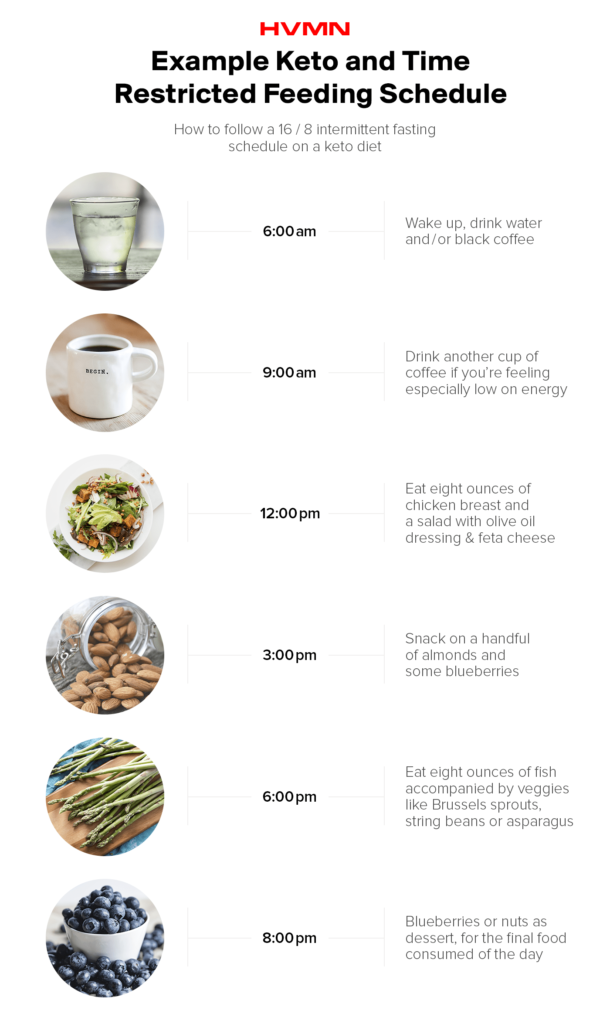
Ever feel stuck, watching the scale refuse to budge no matter how strictly you follow a single diet plan?
What if you could unlock a deeper level of fat burning by strategically combining two powerful approaches? This guide explores the dynamic synergy between a ketogenic lifestyle and timed eating windows.
Together, they create a accelerated environment for your body to torch stored fat for fuel.
This isn’t just about dropping pounds quickly. It’s about transforming your metabolic health, boosting energy, and gaining mental clarity.
We’ll break down the science in simple terms. You’ll learn how entering a state of ketosis works hand-in-hand with planned fasting periods.
You will get practical steps to start safely, along with tasty meal ideas to keep things enjoyable. We’ll also cover important considerations, because this potent combination isn’t a one-size-fits-all solution.
Think of this as your roadmap to a sustainable lifestyle shift, not a fleeting quick fix. Ready to take control?
Key Takeaways
- Combining a very low-carb, high-fat diet with structured eating windows can significantly enhance fat burning.
- This powerful duo works by pushing your body to use fat as its primary fuel source through two complementary pathways.
- Benefits extend beyond the scale, including improved blood sugar control and sharper mental focus.
- Starting slowly and planning your meals is crucial for success and safety.
- It’s a lifestyle approach that requires adaptation and may not be suitable for everyone.
- For a deeper dive into how these strategies work together as a powerful health duo, explore our detailed resource.
- Understanding your body’s signals and consulting a professional if needed is always recommended.
Why Intermittent Fasting and Keto Are a Power Couple
Imagine two powerful strategies joining forces to optimize your body’s natural fat-burning capabilities. They work like a well-coordinated team, each enhancing the other’s primary mechanisms. This foundational synergy is what makes the pairing so effective.
The ketogenic diet fundamentally changes how your body uses fuel. By drastically reducing carbs, it shifts your primary energy source from carbohydrates to fats. This process leads to the production of ketones, which are a highly efficient form of energy for your brain and muscles.
On the other side, structured eating windows create periods where you consume no calories. This rapidly depletes your body’s stored glucose, known as glycogen. It also lowers insulin levels, the hormone that signals your body to store fat.
These processes are perfectly complementary. The keto diet prepares your system to efficiently burn fat and use ketones. The fasting period then forces your body to tap into those fat reserves more quickly and deeply.
“Together, they amplify fat-burning potential and may help you reach ketosis faster than keto alone.”
Research suggests this combination can lead to a faster entry into ketosis. It may also promote greater body fat loss compared to following the keto diet by itself. This is the core of their power as a duo.
Think of it as a dual attack on your metabolism. Both strategies work together to minimize insulin spikes. They help keep blood sugar levels stable. This creates an optimal hormonal environment for shedding pounds.
Using an analogy, it’s like using both a key and a secret code to unlock a safe. The safe is your stored body fat. Combining intermittent fasting with a keto diet provides both tools.
It’s important to remember this is a potent tool, not a magic bullet. Individual results depend on factors like overall calorie balance, diet quality, and personal adherence. Your unique body will respond in its own way.
Now that you understand the synergy, the following sections will break down each component. We’ll explore the ketogenic lifestyle and various fasting schedules in detail. This sets the stage for learning how to execute them together effectively.
Keto 101: Turning Your Body into a Fat-Burning Machine
Many people hear ‘keto’ and think only of bacon and butter, but it’s a precise metabolic shift. At its core, the ketogenic diet is a low-carbohydrate, high-fat, and moderate-protein eating plan. Its primary goal is to change how your metabolism operates.
This nutritional strategy is designed to move you away from using sugar for fuel. Instead, it trains your system to rely on fat. The result is a profound transformation in your body’s energy management.
How the Ketogenic Diet Shifts Your Fuel Source
Your body normally runs on glucose from carbohydrates. When you drastically cut your carb intake, that primary fuel becomes scarce. Your system needs to find a new energy source quickly.
The liver springs into action. It starts converting stored and dietary fat into fatty acids and ketone bodies. These ketones then become the new primary fuel for your brain and muscles.
This metabolic state is called nutritional ketosis. Think of it like switching your car’s engine from running on gasoline to diesel. Gasoline represents carbohydrates, while diesel represents fats and ketones.
Your body becomes incredibly efficient at burning fat for energy. This is the fundamental mechanism behind the keto diet. It’s a deliberate reprogramming of your internal fuel supply.
Health Benefits Beyond Weight Loss
The advantages of this way of eating extend far beyond the scale. Improved metabolic health is a major outcome. Many experience significantly better blood sugar and insulin levels.
This is particularly helpful for those with insulin resistance or type 2 diabetes. The keto diet can help manage these conditions by reducing the need for frequent insulin spikes.
Cardiovascular markers often improve too. People frequently see an increase in HDL (“good”) cholesterol and a decrease in triglycerides. These changes support a healthier heart.
Neurological benefits are another compelling aspect. Enhanced mental clarity, focus, and stable energy levels are common reports. The therapeutic use of a ketogenic plan for managing epilepsy is well-established.
Emerging research points to potential benefits for other inflammatory and neurological disorders. The health benefits of keto are rooted in this systemic metabolic shift.
Stable fuel for the brain can lead to improved brain function. This isn’t just about short-term focus. It’s about supporting long-term cognitive health.
Ultimately, adopting a ketogenic lifestyle is about a metabolic health transformation. Weight loss is a welcome and common side effect. The real prize is a body optimized to run efficiently on its own fat stores.
Intermittent Fasting Explained: It’s Not Just About Skipping Meals
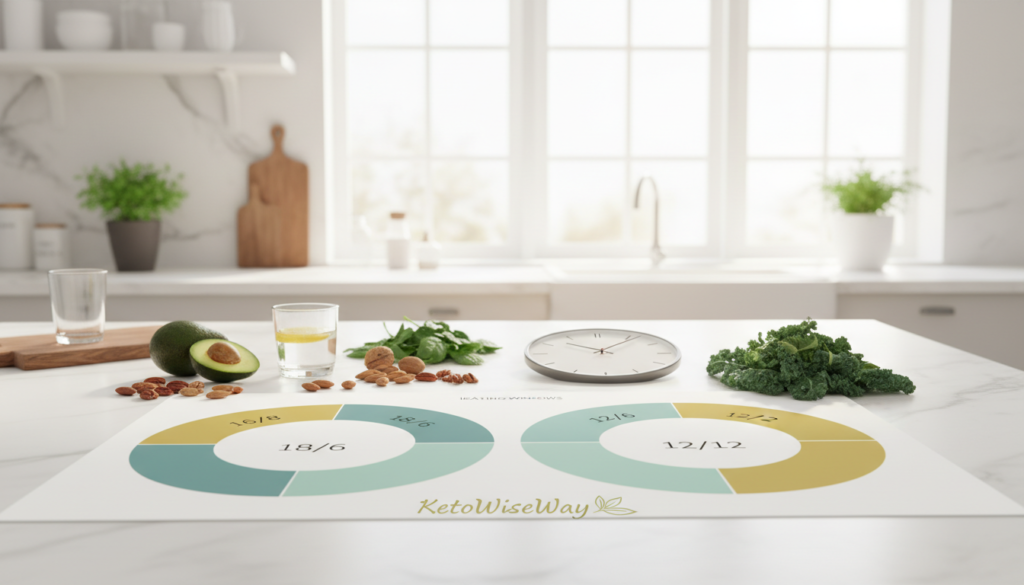
What if you could improve your health not by changing what you eat, but by changing when you eat? That’s the core idea behind this popular pattern. It’s a schedule, not a list of forbidden foods.
This approach cycles between set periods for consuming meals and set periods without them. The goal is to give your digestive system a long, restorative break. It’s about condensing your nutrition into a specific time frame.
You are not starving yourself. You are simply reorganizing your eating window. This can help regulate hormones and tap into stored energy. Let’s explore the most common ways to structure this.
The 16/8 Method: Your Daily Fasting Window
The 16/8 protocol is the most popular entry point. It involves fasting for 16 hours each day and eating all your meals within an 8-hour window.
In practice, you might finish dinner by 8 p.m. You then fast overnight and through the morning. Your first meal of the next day would be at noon.
Your eating window runs from noon to 8 p.m. This schedule aligns well with natural circadian rhythms. Many find it surprisingly manageable after a short adjustment period.
“Consistency with your daily timing is more important than perfection. Start by simply pushing breakfast back an hour.”
Staying hydrated is crucial during the fast. Water, black coffee, and plain tea are your best friends. They help manage hunger signals and keep you feeling alert.
This method offers a steady, daily routine. It’s less disruptive than longer fasts for many people. It’s a fantastic tool for building metabolic flexibility.
Other Popular Fasting Schedules
Different lifestyles call for different plans. Beyond the daily 16/8, several other schedules exist. The best one is the schedule you can stick to consistently.
Here is a comparison of common methods to help you see the options.
| Method | Schedule | How It Works | Best For |
|---|---|---|---|
| 16/8 (Time-Restricted) | Daily | Fast for 16 hours, eat within an 8-hour window each day. | Beginners, daily routine seekers. |
| 5:2 Diet | Weekly | Eat normally for 5 days. Restrict to 500-600 calories on 2 non-consecutive days. | Those who prefer calorie counting over full fasts. |
| Eat-Stop-Eat | 1-2x per week | Do a full 24-hour fast from dinner to dinner. | Experienced individuals seeking weekly challenges. |
| Alternate-Day | Every Other Day | Alternate between days of normal eating and days of very low calories or complete fasting. | Rapid results, under medical supervision. |
| Warrior Diet | Daily | Undereat during the day (small raw snacks), consume one large meal at night within a 4-hour window. | Those drawn to an ancient, feast-famine pattern. |
The 5:2 diet is a weekly approach. You eat normally for five days of the week. On two separate days, you limit intake to about 500-600 calories.
Eat-Stop-Eat involves a complete 24-hour fast once or twice weekly. You might stop eating after dinner Tuesday and not eat again until dinner Wednesday.
Alternate-Day Fasting is more intense. You switch every other day between normal eating and a very low-calorie day. Consistency here requires significant adaptation.
The Warrior Diet is a more extreme daily pattern. It involves small amounts of raw food during the day and one large, nourishing meal at night.
Experimenting is key to finding your personal fit. Start gently and listen to your body’s signals. The power lies in the pattern, not in pushing yourself to discomfort.
Intermittent Fasting and Keto: The Secret Combo for Rapid Fat Loss
Understanding the ‘why’ behind this approach transforms it from a trend into a sustainable, science-backed method. Let’s examine the precise biological mechanics that make combining intermittent fasting with a keto diet so powerful.
This synergy isn’t random. It’s a targeted strategy that works on two critical metabolic pathways simultaneously.
How Fasting Accelerates Your Entry into Ketosis
Following a very low-carb plan will eventually lead your body into ketosis. This happens as it runs out of glucose and starts converting fat into fuel.
Adding a structured eating window creates a significant shortcut. When you are fasting, you provide zero new carbohydrates from food.
Your system must then burn through its stored glycogen much more rapidly. This depletion of glycogen reserves is a primary trigger.
It signals your liver to ramp up ketone production immediately. This means you can reach a state of ketosis sooner and more consistently than with diet alone.
The Dual Attack on Insulin and Glycogen
This plan executes a powerful “dual attack” on two major regulators of fat storage. Both strategies work together to create the ideal fat-burning environment.
A keto plan, by reducing carb intake, helps keep insulin levels low and stable. Similarly, during a fasting period, the absence of food also keeps insulin low.
“Low insulin is the master signal that tells your body it’s safe to release and burn stored fat for energy.”
At the same time, both approaches deplete your liver’s glycogen reserves. This forces your system to seek an alternative fuel source—your own body fat.
Think of it like this: if your fat cells are a locked treasure chest, insulin is the lock and glycogen is the guard. The keto diet picks the lock (lowers insulin). Fasting incapacitates the guard (depletes glycogen).
Together, they give you full access to the treasure—efficient fat burning. The table below summarizes this coordinated effect.
| Metabolic Regulator | Effect of Keto Diet | Effect of Intermittent Fasting | Combined Result |
|---|---|---|---|
| Insulin | Reduces spikes and maintains lower baseline levels by limiting carbohydrate intake. | Prevents post-meal insulin release during the fasting window, prolonging low levels. | Synergistic, sustained low insulin signaling, promoting fat release. |
| Liver Glycogen | Gradually depletes stores due to very low daily carbohydrate consumption. | Rapidly depletes stores because no new glucose is entering the system. | Accelerated and deeper depletion, forcing a quicker shift to fat/ketone metabolism. |
Research indicates this combined effect can lead to more significant changes in body composition. It often improves metabolic markers better than either approach on its own.
This deep dive reveals the solid physiological rationale. It moves the strategy beyond anecdote into a powerful, mechanism-driven tool for health.
The Combined Benefits: More Than Just Shedding Pounds
When you merge these two lifestyle strategies, the rewards extend well beyond a smaller pants size. This approach delivers a multi-faceted upgrade to your overall well-being. It’s about gaining vitality, clarity, and resilience.
The health benefits are interconnected. Improving one area often positively impacts another. Let’s explore the compelling advantages that make this synergy worth your effort.
Supercharged Fat Burning and Weight Loss
This combination is a powerful tool for reshaping your body composition. It creates a sustained calorie deficit more easily than many traditional plans. How? By naturally regulating your appetite and cravings.
When you’re in ketosis, your body runs efficiently on fat. Hunger hormones like ghrelin often decrease. You simply feel less hungry throughout the day.
Adding a structured eating window amplifies this effect. It teaches your metabolism to tap into stored energy reserves. Research suggests this pattern can be more effective for weight loss than consistent low-calorie intake alone.
“The combined approach of ketogenic eating and time-restricted feeding can lead to greater fat mass reduction, particularly stubborn abdominal fat, compared to either method independently.”
Short-term fasting may also give your metabolism a slight, temporary boost. Hormones like norepinephrine increase, facilitating fat release. This one-two punch helps many people break through frustrating plateaus.
Your system gets a new metabolic challenge that reignites progress. It’s a strategic way to move past stalls common in standard diet plans. The result is accelerated and more sustainable loss.
Enhanced Metabolic Health and Brain Function
The profound improvements here are often the most motivating. Enhanced metabolic health is a cornerstone benefit. This includes better insulin sensitivity and more stable blood sugar levels.
Both keto and fasting work to lower and stabilize insulin. This improves your body’s ability to manage energy. Markers for heart health, like blood pressure and cholesterol profiles, often improve as well.
Cognitive enhancements are another major win. Many report a lifting of “brain fog” and sharper mental focus. This is attributed to the stable energy supply from ketones.
Your brain thrives on this clean fuel. Inflammation throughout the body and brain is often reduced. This creates an optimal environment for clear thinking and memory.
A key cellular process called autophagy is stimulated by both states. Think of it as your body’s internal recycling program. Damaged cells are cleaned out, promoting repair and longevity.
Followers consistently report sustained energy levels throughout the day. The energy crashes linked to high-carb meals become a thing of the past. You gain a steady, reliable source of vitality.
In summary, the rewards are holistic. They contribute to a greater sense of well-being and long-term disease prevention. For a deeper exploration of these benefits, check out our comprehensive guide to keto intermittent fasting.
This isn’t just about looking better. It’s about building a foundation for a healthier, more vibrant life. The scale is just one measure of your success.
Who Should Avoid Combining Keto and Intermittent Fasting?

While the potential benefits are compelling, this combined approach carries important cautions for specific groups. Your safety and long-term well-being must come first. This powerful combination is a highly restrictive protocol.
It is not a universal solution. For some people, it could pose significant risks or trigger unhealthy patterns. Honest self-assessment is a crucial step before you begin.
Important Health and Lifestyle Considerations
Certain individuals should either avoid this plan entirely or proceed only with direct medical guidance. Let’s review the key groups.
Pregnant women and those who are breastfeeding have vastly increased nutritional needs. This restrictive diet and fasting are not appropriate during these critical life stages.
Anyone with a history of eating disorders should steer clear. The strict rules can reignite obsessive thoughts about food and unhealthy behaviors. Protecting your mental health is paramount.
Pre-existing medical conditions require extreme caution. If you have diabetes, heart disease, kidney issues, or liver conditions, consult your doctor. This is especially vital if you take medications that affect blood sugar or metabolism.
“A highly restrictive plan can be counterproductive for those with a complex health history. Professional supervision is non-negotiable.”
Other disorders like hypothyroidism or hypoglycemia may also be exacerbated. Those with high-stress lifestyles or HPA axis dysfunction might find fasting adds to their burden.
Young people, including teenagers, and the elderly have different nutritional requirements. This approach is generally not recommended for these age groups without specialist advice.
Even active individuals may struggle. On heavy training days, your body needs readily available fuel. The keto diet and intermittent fasting might not support peak performance.
It’s okay if this feels too restrictive for your lifestyle. Many successful diets are less intense. For a comparison of different approaches, explore our analysis of the keto diet versus other weight loss.
Listen to your body. If the idea causes stress or seems overwhelming, it might not be your path. Choosing a sustainable plan you can enjoy is always the wiser choice.
Your Game Plan: How to Get Started Safely and Effectively
Ready to turn knowledge into action and build a sustainable routine? This section provides a clear, phased approach. We’ll break the process into manageable steps to help you integrate these strategies smoothly.
The most successful combination is one you can maintain. Rushing in can lead to burnout. Instead, focus on gradual adaptation and listening to your body.
Think of this as a two-part installation. First, you establish a new nutritional foundation. Then, you layer in a timed eating pattern. Patience here is your greatest ally.
Step 1: Mastering the Keto Diet Basics
Begin with the nutritional component alone. Dedicate at least two weeks to adapting to a very low-carb diet before introducing any fasting. This allows your system to overcome the initial “keto flu” phase.
Your primary goal is to enter and sustain nutritional ketosis. Use this checklist to set a solid foundation:
- Learn Your Foods: Identify keto-friendly options like avocados, nuts, fatty fish, and leafy greens. Understand which items to avoid, such as grains, sugars, and starchy vegetables.
- Plan Your Meals: Preparation prevents poor choices. Design simple menus that fit your lifestyle to ensure you always have suitable food available.
- Boost Electrolytes: Sodium, potassium, and magnesium are crucial. Supplementing can prevent headaches, fatigue, and cramps during the adaptation period.
- Track Macros: Aim for a macronutrient ratio of high fat, moderate protein, and very low carbohydrates—typically under 20-50 net grams per day.
Once you feel steady energy and reduced cravings, you’re likely fat-adapted. This is the ideal time to consider adding a structured eating window.
Step 2: Choosing Your Fasting Window
Now, introduce the time-based component gently. The best schedule is the one you can follow consistently, not the most aggressive one.
Start with a simple 12-hour fast overnight. For example, finish dinner by 8 p.m. and don’t eat again until 8 a.m. the next morning. This is a natural first step for most people.
After a few days, try extending your fasting window by an hour. Gradually work towards popular and sustainable schedules like 14/10 (fast 14 hours, eat within 10) or 16/8 (fast 16 hours, eat within 8).
“Compliance is the most important component. If you can’t stick to your schedule, you won’t get the benefits.”
Align your window with your daily rhythm. If you’re not hungry in the morning, skipping breakfast makes a 16/8 schedule easy. If you have evening social commitments, an early dinner might work better.
When it’s time to break your fast, do so wisely. Begin with a balanced, keto-friendly meal containing protein and healthy fats. This helps avoid digestive discomfort and maintains stable blood sugar.
Step 3: Listening to Your Body and Adjusting
This final step is about cultivating awareness and flexibility. Some hunger during a fast is normal. Signs like dizziness, extreme fatigue, or brain fog are not.
Your body is communicating. On a high-stress day or after a tough workout, it’s okay to shorten your fasting period or eat more carbs. This is a lifestyle, not a rigid set of rules.
The ultimate goal is metabolic flexibility—your system’s ability to smoothly switch between burning carbs and fats for fuel. This combination of keto and intermittent fasting trains that skill.
Progress isn’t just measured on the scale. Note your energy levels, mental clarity, and how your clothes fit. Be patient and practice self-compassion as you find your unique rhythm.
Remember, adaptation takes time. Adjust your approach each week based on how you feel. This personalized tuning is what transforms a plan into a lasting, healthy habit.
Keeping It Tasty: Keto-Friendly Meal and Snack Ideas
Think keto means saying goodbye to flavor and variety? Think again.
One major worry people have is that their food will become boring. This is simply not true. A world of delicious, satisfying options awaits you.
The key is creativity with low-carb ingredients. Your meals should be something you look forward to. This makes sticking to your plan enjoyable and sustainable.
These ideas are packed with satiating fat and protein. They help you feel full and satisfied. This makes managing your eating window much easier.
Let’s explore some mouthwatering choices for every part of your day.
Quick Breakfasts for Busy Mornings
Mornings can be hectic. You need fuel that’s fast and portable. The goal is a meal that fits within your schedule and keeps you going.
Preparation is your best friend. Make a batch of something on the weekend for the whole week.
Here are some fantastic grab-and-go options:
- Egg Muffins or Bites: Whip eggs with cheese, spinach, and bacon. Bake them in a muffin tin. The Instant Pot sous vide keto egg bites from your list are a perfect example.
- Chia Seed Pudding: Mix chia seeds with unsweetened almond milk and a keto-friendly sweetener. Let it sit overnight. Top with berries in the morning.
- Simple Plate: Half an avocado with smoked salmon. It’s rich, satisfying, and ready in minutes.
- Low-Carb Pancakes: Use coconut or almond flour. Try making low-carb rainbow pancakes or keto cinnamon rolls for a special treat.
These choices provide steady energy. They won’t spike your blood sugar. You’ll stay focused until your next meal.
Satisfying Lunches, Dinners, and Sides
Main meals are where you can really shine. Hearty and flavorful dishes prove this diet is anything but restrictive.
Think beyond the basic salad. Explore global flavors and fun substitutes for traditional carbohydrates.
For a fantastic lunch or dinner, consider these ideas:
- Zucchini Noodles (“Zoodles”): Toss them with pesto and grilled chicken. Or try a creamy Alfredo sauce.
- Cauliflower Rice Stir-Fry: A quick base for shrimp, beef, or tofu. Add low-sugar soy sauce and veggies.
- Bunless Burgers: Pile your patty high with cheese, avocado, and bacon. Serve with a side of crispy greens.
- Global Dishes: Keto chicken adobo is savory and tangy. Stuffed eggplant rolls filled with cheese and herbs are elegant and delicious.
Don’t forget the sides! They complete the meal.
- Roasted broccoli or Brussels sprouts drizzled with olive oil.
- A crisp salad with a high-fat dressing like blue cheese or ranch.
- Fluffy keto cheddar biscuits or keto soft pretzels made with almond flour.
These meals are designed to keep you full for hours. They support your body during your non-eating periods.
Sweet Treats to Satisfy Your Cravings
Yes, you can still enjoy dessert! Cravings for something sweet are normal. The ketogenic diet has clever solutions.
Using sugar substitutes and low-carbohydrate flours opens up a new world. You can indulge without breaking your metabolic state.
Here are some delightful ways to end a meal or enjoy a snack:
- Fat Bombs: These are small, rich bites made from coconut oil, nut butter, and cocoa powder. They’re a quick source of healthy fats.
- Keto Brownies: Made with almond flour and a sweetener like erythritol. They are fudgy and deeply satisfying.
- Fruit-Based Desserts: Try the keto peach cobbler from your recipe list. Strawberry jam muffins are another great option.
- Baked Goods: Get creative with keto croissants. They require more effort but are a truly impressive treat.
These treats help you stick to your plan long-term. They prevent feelings of deprivation. Remember, moderation is still key.
Use these ideas as a springboard. Experiment with spices, herbs, and different cooking methods. Building a personalized, enjoyable keto diet plan is the ultimate goal for lasting success.
Conclusion: Is This Powerful Combo Right for You?
Deciding on a health strategy is a personal choice, guided by your goals and body’s signals. This powerful synergy between a low-carb, high-fat plan and timed eating windows can accelerate fat burning. It leverages ketosis and fasting to create a potent environment for change.
The potential benefits are significant, from improved metabolic markers to sharper focus. However, this approach requires dedication and isn’t for everyone. Your long-term success hinges on finding a sustainable routine you enjoy.
View this as an experiment. Start with one component, then gently introduce the other. Listen closely to how you feel. Celebrate non-scale victories like steady energy and better well-being.
You now have the knowledge to make an informed decision. Whether you combine these strategies or choose one, you’re taking a proactive step toward better health.