What if the most effective tool for stabilizing your glucose levels involved eating more fat, not less? This idea challenges conventional wisdom and lies at the heart of a major dietary debate.
Managing a chronic condition means navigating countless food plans. You’re here for clear, evidence-based facts, not hype. We’ll explore the science behind a high-fat, low-carbohydrate approach.
Recent research, including a notable Stanford Medicine trial, has put this eating style to the test. It compared it directly to other respected plans like the Mediterranean diet.
Our goal is simple: to give you a balanced look at the potential benefits and important risks. You’ll learn how this method works, its impact on insulin, and what “ketosis” really means for your body.
This isn’t about choosing one diet over another. It’s about empowering you with knowledge. You can then have a productive conversation with your doctor or dietitian. For practical guidance on starting, explore our resource on expert keto tips for effective living.
Key Takeaways
- This article investigates if a very low-carb, high-fat eating plan can be a viable tool for blood sugar management.
- We examine recent scientific studies, including a Stanford Medicine trial comparing dietary approaches.
- Understanding the mechanism of ketosis and its effect on insulin is crucial.
- Both potential benefits and significant risks are discussed for a complete picture.
- Any major dietary change for a metabolic condition requires professional medical supervision.
- The information here is designed to help you make an informed decision with your healthcare team.
- We provide a comparison to other diets and outline practical steps for a safe start.
Understanding the Link Between Diet and Blood Sugar
Managing your metabolic condition starts with understanding the food-fuel connection. What you eat directly influences your blood sugar levels, making your diet a powerful tool for control.
Carbohydrates are the primary nutrient affecting glucose. Especially those from added sugars and refined grains, they break down quickly in your body.
This causes rapid spikes in your blood sugar, demanding a significant insulin response. In the United States, about half of daily calories come from carbs. Shockingly, roughly 80% of those carb calories are from processed sources like soda, candy, and white bread.
Proteins and fats behave very differently. They have a minimal, slow effect on your glucose. This is a key reason low-carbohydrate plans are often suggested for management.
A core issue for many is insulin resistance. Here, your cells don’t respond well to insulin’s signal. The result is higher circulating blood sugar. Your dietary choices can significantly influence this condition.
While many eating plans can help, universal principles exist. Eliminating “junk” carbs is step one. Prioritizing whole, nutrient-dense foods—especially non-starchy vegetables—is step two.
The American Diabetes Association underscores this. They advise dietary patterns that minimize processed carbs and include plenty of vegetables. This foundational guideline aligns with the logic behind more restrictive approaches.
Chronic high blood sugar is the engine of disease progression. It drives complications over time. This stark reality is why gaining control through your plate is so critical.
Grasping this fundamental link sets the stage for exploring stricter regimens. A ketogenic diet, for instance, takes carbohydrate limitation to an extreme to manage glucose.
Remember, individual responses vary. A food that works for one person may need adjustment for another. Personalization, guided by your healthcare team, is essential.
| Macronutrient | Effect on Blood Sugar | Speed of Impact | Primary Food Examples |
|---|---|---|---|
| Carbohydrates (especially refined) | High, rapid spike | Fast (minutes) | Soda, candy, white bread, bagels |
| Protein | Very low to moderate | Slow (hours) | Chicken, fish, eggs, tofu |
| Fats | Negligible direct effect | Very Slow | Avocado, olive oil, nuts, cheese |
Mastering the diet-blood sugar connection is your first step toward taking control of your metabolic health. It empowers you to make informed choices, no matter which eating plan you ultimately explore.
How the Keto Diet Affects Your Blood Sugar Control

By severely limiting one macronutrient, this approach aims to directly alter your body’s hormonal response to food. It works through a powerful one-two punch: first by calming your insulin system, and then by switching your entire body to a different fuel.
This process offers a distinct pathway for managing your glucose. Let’s break down exactly how it happens, step by step.
The Insulin Response and Carbohydrate Restriction
Everything starts with a drastic cut in carbs. A well-formulated plan often limits them to just 20 to 50 grams daily.
That’s about 80% less than what many people usually eat. With so little carbohydrate entering your system, very little glucose hits your bloodstream.
Your pancreas notices this quiet. It responds by secreting far less insulin. This is a crucial shift.
Consistently lower insulin levels can help your cells become more sensitive to its signal over time. It also reduces the heavy workload on your insulin-producing beta cells.
For individuals with insulin resistance, this rest period can be significant. The direct link between what you eat and your hormone response is the plan’s first lever for control.
Entering Ketosis: Switching Your Fuel Source
With glucose in short supply, your body must find another energy source. It turns to your fat stores and dietary fats.
Your liver begins converting these fats into molecules called ketone bodies. This process is known as ketogenesis.
Ketones are an efficient, alternative fuel. Your brain and muscles can use them very effectively.
When you sustain this state, you are in nutritional ketosis. It’s a normal metabolic adaptation.
The switch from burning mostly sugar to burning mostly fat is a major transition. It can come with temporary side effects like fatigue or headache, often called the “keto flu.” These usually pass within a week or two as your body adapts.
It’s vital to understand this is not the same as diabetic ketoacidosis (DKA). DKA is a dangerous medical emergency.
Nutritional ketosis involves controlled, safe levels of ketones. DKA occurs when extreme insulin deficiency causes sky-high blood sugar and ketones simultaneously, creating a toxic, acidic blood environment.
| Characteristic | Nutritional Ketosis | Diabetic Ketoacidosis (DKA) |
|---|---|---|
| Primary Cause | Intentional, very low carbohydrate intake. | Severe insulin deficiency (often from illness or missed medication). |
| Blood Ketone Level | 0.5 – 3.0 mmol/L (safe, nutritional range). | >3.0 mmol/L, often much higher. |
| Blood Glucose Level | Normal to moderately low. | Dangerously high (>250 mg/dL). |
| Blood pH | Normal. | Acidic (low). |
| Insulin Level | Low but present. | Critically low or absent. |
| Symptoms & Risk | Generally safe; may include initial fatigue. | Medical emergency: nausea, confusion, coma. |
In ketosis, the benefits extend beyond just low insulin and glucose. Ketones themselves may offer perks, like enhanced antioxidant capacity.
This new fuel source leads to remarkably stable blood sugar levels throughout the day. For some, this stability can reduce the need for rapid-acting insulin or other glucose-lowering medications.
Achieving this state requires attention to more than just carbs. Protein intake must be moderate. Excess protein can be converted into glucose in the liver through a process called gluconeogenesis.
This is why managing your macronutrient ratios is so important for success. It’s not just about eating low-carb.
You can monitor your progress. Blood, breath, or urine tests measure ketone levels, giving you tangible feedback.
Ultimately, this eating plan is a tool. It directly targets the core issue of carbohydrate metabolism in type 2 diabetes. It offers a different, metabolic pathway to glucose control.
Keto vs. Mediterranean: A Research-Backed Comparison
A landmark Stanford Medicine trial directly compared the ketogenic and Mediterranean diets, offering clear data for your decision-making. This crossover study involved 40 adults with type 2 diabetes or prediabetes.
Each participant followed both eating plans for 12 weeks. The results provide a fascinating, head-to-head look at two powerful tools for metabolic health.
You might wonder which approach is truly superior. The answer, according to this research, is more nuanced than a simple winner.
Similarities in Glucose Control and Weight Loss
Both dietary strategies produced remarkably similar clinical benefits. This is a crucial finding for anyone focused on managing their condition.
The key marker for long-term blood sugar control, HbA1c, dropped significantly. It fell by about 9% on the ketogenic plan and 7% on the Mediterranean plan.
Weight loss was also nearly identical. Participants shed roughly 8% of their body weight on the very low-carb regimen and 7% on the plant-rich one.
Why such similar success? Researchers point to a shared core principle. Both diets aggressively eliminate added sugars and refined grains.
Cutting out these “junk” carbohydrates is likely the major driver of improved glucose levels. It reduces the constant demand on your insulin system.
This common ground shows that foundational change matters most. Whether you choose extreme carb restriction or a balanced plate, ditching processed foods is step one.
Key Differences in Sustainability and Nutrients
Where the plans diverge reveals important considerations for your lifestyle. The differences lie in long-term adherence, nutrient intake, and effects on heart health markers.
The Stanford study found the ketogenic diet was more polarizing. When participants had to prepare their own meals, adherence dropped noticeably.
In contrast, the Mediterranean pattern was generally easier for people to maintain. Three months after the trial ended, most participants’ eating habits had naturally gravitated toward this style.
Nutrient intake told another story. The analysis showed the very low-carb approach provided less fiber, thiamin, and vitamins B6, C, D, and E.
This happens because it excludes entire food groups like legumes, fruits, and whole grains. The Mediterranean diet, rich in vegetables, fruits, and fish, naturally supplies these nutrients.
Lead researcher Christopher Gardner summed it up well. He stated,
“There’s no reason to restrict heart-healthy, quality carbohydrate foods above and beyond eliminating junk carbs.”
The effects on cholesterol were also distinct. The ketogenic diet led to a greater reduction in triglycerides.
However, it was associated with an increase in LDL (“bad”) cholesterol for some individuals. The Mediterranean diet typically improved LDL levels.
This highlights a trade-off to discuss with your doctor. Your personal heart disease risk profile is an essential part of the equation.
| Comparison Point | Ketogenic Diet | Mediterranean Diet |
|---|---|---|
| Primary Focus | High fat, moderate protein, very low carbohydrate intake (<50g/day). | Plant-based foods, olive oil, fish, and whole grains; low in red meat. |
| HbA1c Reduction | ~9% decrease over 12 weeks. | ~7% decrease over 12 weeks. |
| Weight Loss | ~8% of body weight. | ~7% of body weight. |
| Effect on LDL Cholesterol | May increase for some individuals. | Typically decreases or improves. |
| Effect on Triglycerides | Greater decrease. | Moderate decrease. |
| Key Nutrient Shortfalls | Lower in fiber, vitamins B6, C, D, E. | Generally nutrient-dense and balanced. |
| Long-Term Sustainability | More difficult for many; adherence can wane. | Easier to maintain as a lifelong eating pattern. |
So, what does this mean for you? Both diets are effective short-term tools for improving blood sugar and losing weight.
The ketogenic diet may offer a faster metabolic shift. The Mediterranean diet may provide a more balanced, nutrient-rich, and sustainable long-term path.
Your choice depends on your personal goals, food preferences, and ability to maintain the plan. This research empowers you with evidence, not just opinion.
The Potential Benefits of Keto for Diabetes Management

The growing interest in very low-carbohydrate eating for metabolic health is rooted in a collection of specific, measurable benefits. Research continues to highlight how this approach can address several core challenges faced by individuals managing their condition.
These advantages often work together, creating a positive cycle. Better glucose control can aid weight loss, which then further improves insulin sensitivity.
Improved HbA1c and Fasting Glucose
One of the most significant markers in diabetes care is hemoglobin A1c (HbA1c). This test reveals your average blood sugar levels over the past two to three months.
Studies on ketogenic diets consistently show reductions in this crucial number. Lowering your HbA1c by even 1% can substantially reduce the risk of long-term complications.
This includes risks to your eyes, kidneys, and nerves. The regimen’s strict carb limitation is the direct driver of this improvement.
Fasting glucose levels also tend to drop. This means you could start your day with better numbers, providing a strong foundation for daily management.
While medication is vital, dietary changes offer a powerful complementary tool. The goal is achieving stability with less reliance on external intervention.
Promotion of Weight Loss and Lean Mass Retention
Weight reduction is a well-known benefit of this eating plan. Shedding excess pounds itself improves how your body responds to insulin.
It takes pressure off your pancreas. The high-fat, moderate-protein framework is naturally satiating, which can help reduce overall calorie intake without intense hunger.
An often-overlooked advantage is the preservation of lean muscle mass. When you lose weight, you want to lose fat, not metabolically active muscle.
Some research suggests that a very low-carb, high-protein approach may be better at sparing muscle compared to other diets. This is crucial for maintaining strength and a healthy metabolic rate.
Interestingly, data indicates your basal metabolic rate might not drop as much on this plan during weight loss. Your body doesn’t slow its calorie burning dramatically, which can aid in long-term weight maintenance.
For a solid foundation in applying these principles, a comprehensive beginner’s guide can be incredibly helpful.
Positive Changes in Triglycerides and HDL Cholesterol
The impact on blood lipids presents a mixed but often favorable picture. This is a key area of discussion with your doctor.
Research indicates significant decreases in triglyceride levels. High triglycerides are a common issue in insulin resistance and are a known cardiac risk factor.
At the same time, levels of HDL (“good”) cholesterol often rise. This combination—lower triglycerides and higher HDL—generally improves your heart disease risk profile.
It’s important to view these changes within the full context of your lipid panel. Individual responses, particularly regarding LDL cholesterol, can vary.
These lipid improvements are likely tied to reduced blood sugar spikes and decreased liver fat. They represent another metabolic benefit of the dietary shift.
These benefits are deeply interconnected. Stable glucose levels make weight management easier. Weight loss, in turn, enhances insulin sensitivity.
For the right person, this can be a transformative cycle. Under careful medical supervision, these positive changes may sometimes allow for a reduction in diabetes medications.
This offers potential benefits like lower costs and fewer side effects. It underscores why working closely with your healthcare team is non-negotiable.
The potential upsides are compelling. They must always be balanced against the diet’s challenges and your personal health profile.
| Potential Benefit | How It Works | Supporting Evidence & Impact |
|---|---|---|
| Lower HbA1c | Severe carbohydrate restriction minimizes blood sugar spikes, lowering the 3-month average. | Studies show reductions of ~1-2%; each 1% drop cuts complication risk significantly. |
| Reduced Fasting Glucose | With low glucose intake and improved insulin sensitivity, morning levels stabilize. | Provides a better daily starting point, reducing reliance on medication for baseline control. |
| Effective Weight Loss | High fat/protein promotes satiety; body burns stored fat for fuel in ketosis. | Significant weight reduction common, which directly improves insulin resistance. |
| Lean Mass Retention | Adequate protein intake and hormonal environment may help preserve muscle during weight loss. | Helps maintain metabolism and strength, unlike some calorie-restrictive diets. |
| Improved Triglycerides | Lower blood sugar and insulin levels reduce liver production of triglycerides. | Marked decreases are frequently observed, improving one aspect of cardiac risk. |
| Increased HDL Cholesterol | Associated with the high dietary fat intake and metabolic changes from ketosis. | Rise in “good” cholesterol further improves heart disease risk profile. |
| Preserved Metabolic Rate | The body may not down-regulate energy expenditure as severely during weight loss. | Can aid in preventing weight regain, a common challenge after dieting. |
Important Risks and Considerations to Keep in Mind
While the potential benefits are compelling, it’s crucial to weigh them against the well-documented risks and side effects. A successful strategy involves anticipating these challenges.
Being prepared allows you to navigate them safely. This knowledge is power when discussing options with your doctor.
The “Keto Flu” and Initial Side Effects
Your body’s switch to burning fat is a major metabolic shift. This transition period, often called the “keto flu,” is common.
You might experience headaches, fatigue, irritability, and digestive issues. These symptoms arise as your body adapts to ketosis and loses electrolytes.
The good news is this phase is usually temporary. It often lasts just a few days to two weeks.
You can mitigate these discomforts effectively. Proper hydration is your first line of defense.
Supplementing with sodium, potassium, and magnesium is also key. Allowing your body time to adjust without pushing too hard is wise.
Nutrient Gaps and the Importance of Food Quality
A major long-term concern involves nutrient intake. By cutting out entire food groups, you might miss vital compounds.
The Stanford study confirmed this. The ketogenic diet provided less fiber, thiamin, and vitamins B6, C, D, and E.
These nutrients are essential for overall health and disease prevention. Not all versions of this eating plan are equal.
A plan centered on processed meats and cheese differs greatly from one rich in avocados, nuts, seeds, and leafy greens. The quality of your food choices directly impacts your nutrient profile.
Focusing on low-carb vegetables, high-quality protein, and plant-based fats can help close these gaps. Strategic supplementation may also be necessary for some individuals.
Mixed Effects on LDL Cholesterol and Heart Health
The relationship with heart health is complex and requires monitoring. While triglycerides often drop and HDL (“good”) cholesterol may rise, LDL (“bad”) cholesterol can increase significantly for some.
This response is highly variable from person to person. Elevated LDL is a known risk factor for cardiovascular disease.
If you have a history of heart issues, this demands extra caution. Regular blood lipid testing is non-negotiable if you pursue this path.
Discuss your full lipid panel trends with your healthcare provider. They can help you interpret what the changes mean for your personal risk profile.
Beyond these primary concerns, other important factors need your attention. The restrictive nature of the plan can impact social dining and mental well-being.
Long-term adherence can be challenging for many. Some research on low-carb diets has raised questions about all-cause mortality.
Evidence suggests that if a low-carbohydrate pattern is followed, the source of the fats and proteins matters greatly. Emphasizing plant-based sources appears to be associated with lower risk.
A specific and serious medication risk exists for those on SGLT2 inhibitors. Combining these drugs with a very low-carb diet requires extreme caution.
It can heighten the risk of a dangerous condition called euglycemic diabetic ketoacidosis. Close doctor supervision is essential in this scenario.
Being aware of these considerations allows for proactive planning. It empowers you to seek the right guidance and make an informed choice.
Your decision should be based on your unique health status, preferences, and goals. A balanced view of both upsides and downsides is the foundation of safe management.
| Risk Category | Specific Concern | Why It Matters | Mitigation Strategy |
|---|---|---|---|
| Initial Adaptation | “Keto flu”: fatigue, headache, irritability, electrolyte loss. | Can cause discomfort and discourage continuation of the plan. | Increase hydration, supplement sodium/potassium/magnesium, allow 1-2 weeks for adaptation. |
| Nutrient Intake | Deficiencies in fiber, vitamins B6, C, D, E, and antioxidants. | Vital for long-term immune function, bone health, and disease prevention. | Prioritize low-carb vegetables, nuts, seeds; consider targeted supplements; focus on food quality. |
| Cardiovascular Markers | Potential rise in LDL (“bad”) cholesterol in some individuals. | Elevated LDL is a key risk factor for heart disease and stroke. | Regular lipid panel monitoring; discuss results with doctor; emphasize plant-based fats. |
| Medication Interaction | High risk of ketoacidosis when combined with SGLT2 inhibitor drugs. | Euglycemic ketoacidosis is a serious, potentially life-threatening medical emergency. | Mandatory close medical supervision; frequent ketone & glucose checks; possible medication adjustment. |
| Long-Term Sustainability | Restrictive nature can affect social life, mental well-being, and adherence. | Difficulty maintaining the diet reduces its long-term effectiveness for health goals. | Plan for social situations; consider cyclical approaches; align diet with personal lifestyle. |
Starting a Keto Diet Safely with Diabetes: A Practical Guide
If you’re considering a dietary shift to better manage your glucose, a structured safety-first protocol is essential from day one. This guide provides a clear, actionable framework. It prioritizes your well-being above all else.
Following these steps helps you harness potential benefits while minimizing risks. Remember, this is a significant metabolic change. Professional guidance is not just recommended—it’s critical.
Step 1: Consult Your Healthcare Team
This step is absolutely non-negotiable. Before you make any change, schedule a detailed conversation with your doctor or endocrinologist.
Your medication regimen will likely need adjustment. This is especially true for insulin and SGLT2 inhibitors. Reducing carbs without modifying these drugs can cause dangerous hypoglycemia or ketoacidosis.
Come prepared to your appointment. Bring relevant research, like the Stanford study we discussed. Ask specific questions about monitoring frequency during the transition.
Establish a plan for regular check-ins. Your healthcare provider can help you set safe blood sugar targets. They will guide you on when and how to reduce medication doses.
This collaborative approach ensures a safe start. It turns a solo experiment into a medically supervised strategy.
Step 2: Plan for Nutrient Density and Hydration
Success hinges on what you eat, not just what you avoid. Your meal plan must focus on nutrient-rich whole foods.
Structure each plate with plenty of non-starchy vegetables. Add adequate high-quality protein and healthy fats. This combination promotes satiety and provides essential vitamins.
To combat the initial “keto flu,” be proactive. Increase your water intake significantly. Supplement with sodium, potassium, and magnesium from day one.
Consider easing into carb restriction gradually over a week. This can soften the adaptation period. Your body will thank you.
Fill your kitchen with these keto-friendly, nutrient-dense staples:
- Leafy greens (spinach, kale)
- Broccoli and cauliflower
- Avocados and olives
- Olive oil and avocado oil
- Nuts and seeds
- Eggs and fatty fish like salmon
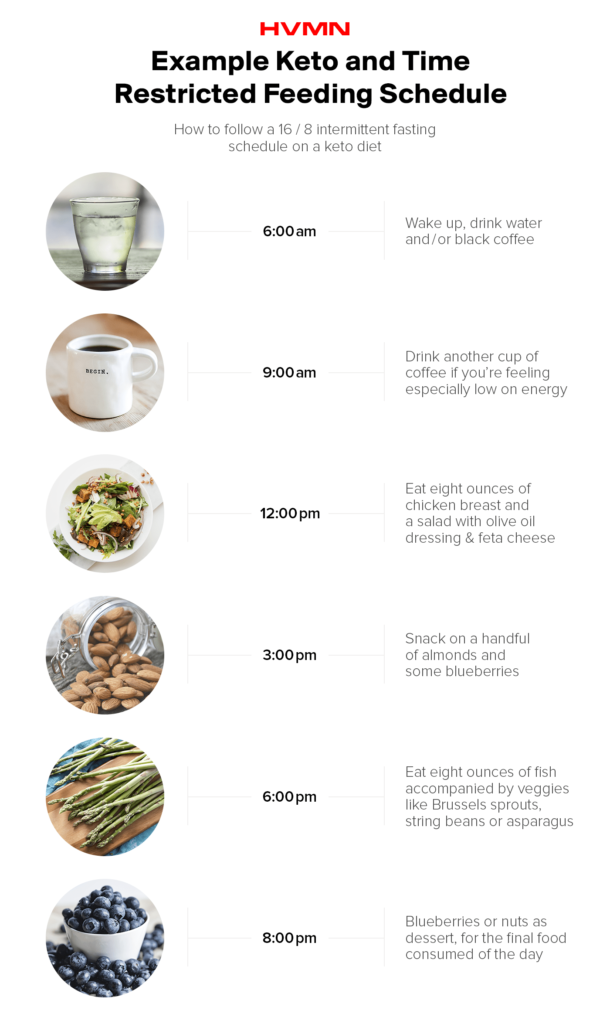
Quality matters. Choosing whole foods over processed options helps prevent nutrient gaps. For those considering a more structured eating window, exploring keto intermittent fasting later on may offer additional metabolic benefits.
| Meal Component | Purpose | Examples |
|---|---|---|
| Non-Starchy Vegetables | Provides fiber, vitamins, minerals; adds volume. | Spinach, zucchini, bell peppers, asparagus. |
| Adequate Protein | Preserves muscle mass, promotes satiety. | Chicken, fish, tofu, eggs. |
| Healthy Fats | Primary energy source, supports hormone function. | Avocado, olive oil, nuts, seeds. |
| Hydration & Electrolytes | Prevents dehydration and “keto flu” symptoms. | Water, bone broth, electrolyte supplements. |
Step 3: Monitor Your Blood Sugar and Ketones
Diligent tracking is your window into how your body responds. You’ll need to check your blood sugar more often initially.
This helps you avoid unexpected lows. It also reveals patterns, showing how specific foods affect your glucose levels.
To confirm you’ve entered nutritional ketosis, you can measure ketones. Blood ketone meters are the most accurate method. Breath analyzers and urine strips are other options.
Create a simple log. Record your food intake, blood sugar readings, and ketone levels. This data is invaluable for you and your healthcare team.
It allows for fine-tuning your plan. You might discover you need more protein at lunch or a specific fat source works best for you.
Monitoring turns guesswork into a science. It empowers you to take precise control of your metabolic health.
Embarking on this journey requires patience. A slow, measured, and well-supported start is the true key to success. It allows you to build sustainable habits while keeping safety at the forefront.
Conclusion: Is Keto the Right Choice for Your Diabetes Journey?
Research confirms eliminating junk carbohydrates is the universal key. It is not necessarily about adopting an ultra-restrictive regimen.
A very low-carb approach, like a balanced Mediterranean plan, can improve glucose control and aid weight loss. The stricter diet may offer powerful short-term results. Yet, many find it hard to maintain over years.
The core principle for success is simple. Eliminate added sugars and refined grains. Load up on non-starchy vegetables.
Ask yourself: Do you prefer strict rules or flexible guidelines? Can you manage potential nutrient gaps? How does this fit your life?
The right choice is deeply personal. It depends on your health status, preferences, and support from your doctor.
Managing your condition is a marathon. The best plan is one you can stick with consistently. It should nourish your body and let you enjoy life.
You are now equipped with knowledge. Have an informed discussion with your healthcare team about your path forward.