Can combining dietary approaches really amplify their individual benefits? I’m about to explore how integrating a ketogenic diet with periods of fasting can revolutionize your approach to health.
By merging these two powerful health strategies, individuals can potentially unlock enhanced fat loss, improved metabolic health, and increased longevity. The synergy between a ketogenic diet and intermittent fasting is rooted in their complementary mechanisms that work together to achieve superior health outcomes.
As I delve into the specifics, it becomes clear that this combined approach can lead to significant improvements in overall well-being. The key lies in understanding how these diets work together to produce remarkable health benefits.
Key Takeaways
- Enhanced fat loss through combined dietary approaches
- Improved metabolic health and increased longevity
- Complementary mechanisms of ketogenic diet and intermittent fasting
- Significant improvements in overall well-being
- Potential for increased energy and mental clarity
Understanding the Keto Diet and Its Benefits
At its core, the keto diet is about shifting the body’s primary fuel source from glucose to ketones, achieved through dietary adjustments. This metabolic shift is facilitated by drastically reducing carbohydrate intake and increasing fat consumption, thereby inducing a metabolic state known as ketosis.
What is the Keto Diet?
The keto diet, or ketogenic diet, is a dietary regimen that is characterized by its low-carb, high-fat nutritional blueprint. By limiting carbohydrate intake, the body is forced to switch from relying on glucose as its primary energy source to relying on ketones, which are produced by the liver from fat breakdown.
This diet has been shown to have numerous health benefits, including significant weight loss, improved blood sugar control, and enhanced mental clarity. The key is to maintain a specific balance of nutrients to keep the body in a state of ketosis.
Key Components of Keto
The keto diet consists of several key components that work together to induce and maintain ketosis. These include:
- High-Fat Intake: The diet is characterized by a high intake of fats, which should make up approximately 70-80% of daily calories.
- Moderate Protein: Protein intake is moderate, typically around 15-20% of daily calories.
- Low Carbohydrate: Carbohydrate intake is significantly reduced, usually to less than 5-10% of daily calories.
By adhering to these dietary guidelines, individuals can effectively induce ketosis and reap the associated health benefits.
Health Benefits of Going Keto
The health benefits of adopting a keto lifestyle are multifaceted. Some of the most significant advantages include:
| Benefit | Description |
|---|---|
| Weight Loss | Significant reduction in body weight due to increased fat burning. |
| Improved Energy | Enhanced energy levels due to the efficient use of ketones as a fuel source. |
| Mental Clarity | Increased mental clarity and focus, potentially due to the high-fat diet’s effect on brain function. |
“The ketogenic diet has been a game-changer for many individuals looking to improve their metabolic health and lose weight. By understanding its core principles and benefits, one can make an informed decision about adopting this dietary approach.” – Expert in Nutritional Science
By understanding the keto diet’s core principles and benefits, individuals can make informed decisions about adopting this lifestyle. As with any significant dietary change, it’s essential to consult with a healthcare professional to ensure it aligns with one’s health needs and goals.
Introduction to Intermittent Fasting
The concept of intermittent fasting intrigued me, and I found it to be a highly effective method for enhancing my metabolic health. As I delved deeper into this practice, I discovered its potential to complement my keto lifestyle, leading to improved overall well-being.
What is Intermittent Fasting?
Intermittent fasting involves periods of fasting or calorie restriction to promote weight loss, improve metabolic health, and extend lifespan. It’s not about which foods you eat, but rather when you eat them. By incorporating periods of fasting into my routine, I’ve been able to deplete my glycogen stores and tap into my fat stores for energy, thereby enhancing the effects of the keto diet.
Common Methods of Intermittent Fasting
There are several methods of intermittent fasting, each with its unique benefits. The 16/8 method, where you fast for 16 hours and eat within an 8-hour window, is one of the most popular approaches. Another common method is the 24-hour fast, where you fast for a full day once or twice a week. I’ve found that alternating between these methods helps keep my diet interesting and prevents plateaus.
- The 16/8 method: Fasting for 16 hours and eating within an 8-hour window.
- The 24-hour fast: Fasting for a full day once or twice a week.
- The 5:2 diet: Eating normally for five days and restricting calories to 500-600 on the other two days of the week.
Benefits I Experience with Intermittent Fasting
By combining intermittent fasting with my keto diet, I’ve experienced numerous benefits. These include enhanced weight loss, improved mental clarity, and better metabolic health. Intermittent fasting has also helped me develop a healthier relationship with food, reducing my overall calorie intake and improving my body’s ability to burn fat for fuel.
The synergy between keto and intermittent fasting has been a game-changer for me. Not only have I seen significant weight loss, but I’ve also experienced improvements in my overall health and well-being. By understanding how to combine these two practices effectively, you can unlock their full potential and achieve your health goals.
How Keto and Intermittent Fasting Work Together
When keto and intermittent fasting are combined, they create a potent health duo that can accelerate fat loss and improve overall well-being.
Synergistic Effects on Weight Loss
Combining keto and intermittent fasting can significantly enhance weight loss efforts. The keto diet helps the body burn fat for fuel, while intermittent fasting restricts the times when you can eat, further boosting fat loss.
A study published in the Journal of the American Medical Association found that participants who combined keto with intermittent fasting experienced greater weight loss than those who followed either diet alone.
“The combination of keto and intermittent fasting can lead to a significant reduction in body fat, improved metabolic markers, and enhanced overall health.”
Enhanced Mental Clarity
One of the benefits of combining keto and intermittent fasting is enhanced mental clarity. The high-fat diet supports brain health, while the fasting periods help improve mental focus and clarity.

Improving Metabolic Health
The combination of keto and intermittent fasting can also lead to significant improvements in metabolic health. By reducing insulin resistance and improving blood sugar control, individuals can reduce their risk of developing chronic diseases like type 2 diabetes.
| Health Metric | Keto Alone | Intermittent Fasting Alone | Keto + Intermittent Fasting |
|---|---|---|---|
| Weight Loss | Moderate | Moderate | Significant |
| Mental Clarity | Improved | Improved | Significantly Improved |
| Metabolic Health | Improved | Improved | Significantly Improved |
My Personal Experience with the Combo
Through my personal experience, I’ve found that combining keto and intermittent fasting is a powerful strategy for achieving optimal health. This combination has not only helped me manage my weight but also improved my overall wellbeing.
Initial Challenges I Faced
When I first started combining keto and intermittent fasting, I encountered several challenges. One of the primary difficulties was adjusting to the new dietary regimen and ensuring I was getting enough nutrients during my eating window.
I had to be mindful of my macronutrient intake to maintain a state of ketosis while also adhering to the fasting schedule. It required careful planning and monitoring.
Common initial challenges include:
- Adjusting to a new diet and fasting schedule
- Ensuring adequate nutrient intake
- Managing hunger and cravings
Transformative Results I’ve Seen
Despite the initial challenges, the results I’ve experienced have been transformative. Not only have I lost weight, but I’ve also noticed significant improvements in my mental clarity and energy levels.
My overall health has improved, with better blood sugar control and reduced inflammation. The combination of keto and intermittent fasting has had a synergistic effect, enhancing the benefits of each individual approach.
“The combination of keto and intermittent fasting has been a game-changer for my health. It’s not just about weight loss; it’s about achieving a state of overall wellbeing.”
| Benefit | Description |
|---|---|
| Weight Loss | Significant reduction in body weight |
| Mental Clarity | Improved focus and cognitive function |
| Energy Levels | Increased energy and reduced fatigue |
Tips for Success with Both
To succeed with the combination of keto and intermittent fasting, it’s essential to plan carefully. Here are some tips:
- Start Slow: Begin with one method and gradually introduce the other to ease into the combined regimen.
- Stay Hydrated: Drink plenty of water during your fasting periods.
- Monitor Your Progress: Keep track of your weight, measurements, and how you feel.
- Adjust as Needed: Be prepared to make adjustments to your diet and fasting schedule based on your body’s response.
By following these tips and staying committed, you can achieve the transformative results that I’ve experienced with the combination of keto and intermittent fasting.
Meal Planning for Keto and Intermittent Fasting
A well-structured meal plan is vital for maximizing the benefits of keto and intermittent fasting. By carefully selecting the right foods and timing your meals appropriately, you can enhance the synergistic effects of these two dietary approaches.
Foods I Include in My Keto Meal Plan
When following a keto diet, it’s essential to focus on high-fat, moderate-protein, and low-carbohydrate foods. Some of my staple foods include:
- Fatty fish like salmon and sardines, rich in omega-3 fatty acids
- Red meat, which is not only a great source of protein but also rich in iron
- Eggs, particularly those with yolks, for their high fat content
- Full-fat dairy products like butter and cheese
- Low-carb vegetables such as leafy greens and broccoli
These foods help maintain my nutritional balance while keeping my carbohydrate intake low.
Timing My Meals: Strategies That Work
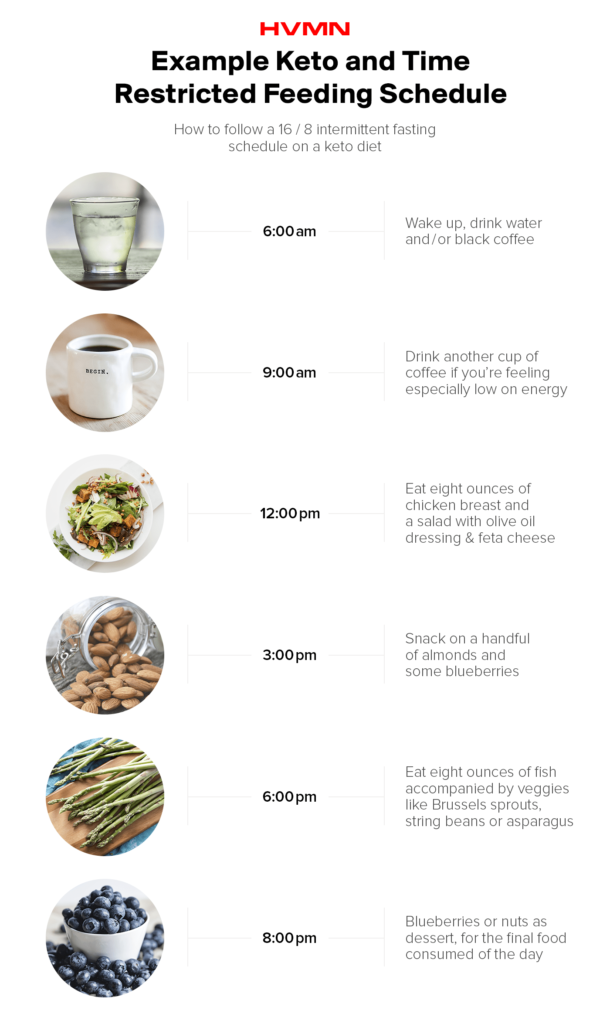
Timing meals correctly is crucial when practicing intermittent fasting. I have found that eating within an 8-hour window and fasting for 16 hours works best for me. During my eating window, I ensure that my meals are keto-friendly.
One strategy that has worked well is to have my first meal a bit later than usual, around noon, and then eat my last meal by 8 PM. This allows me to complete my daily fasting by the next morning.
Sample Meal Plan I Follow
Here’s a sample meal plan that I follow on a typical day:
| Meal | Food | Carbohydrates | Protein | Fat |
|---|---|---|---|---|
| Breakfast | Scrambled eggs with spinach and avocado | 5g | 20g | 30g |
| Lunch | Grilled salmon with a side of cauliflower rice | 5g | 35g | 20g |
| Dinner | Beef stir-fry with vegetables cooked in coconut oil | 10g | 30g | 40g |
This meal plan not only keeps me in ketosis but also ensures that I’m getting the nutrients I need.
By combining a keto diet with intermittent fasting and a well-planned meal strategy, I’ve been able to achieve significant health improvements.
Common Mistakes to Avoid
Many individuals struggle with keto and intermittent fasting due to misconceptions and pitfalls that can be easily avoided. To successfully combine these two strategies, it’s essential to understand the potential mistakes and how to sidestep them.
Misconceptions about the Keto Diet
One of the primary misconceptions about the keto diet is that it’s all about consuming high amounts of protein. However, the keto diet is actually centered around high-fat intake, moderate protein consumption, and very low carbohydrate intake. Consuming too much protein can lead to gluconeogenesis, a process where the body converts excess protein into glucose, potentially kicking you out of ketosis.
Another misconception is that keto is a license to eat processed foods. While there are keto-friendly processed foods available, a well-formulated keto diet should focus on whole, nutrient-dense foods like meats, fish, eggs, vegetables, and healthy oils.
Key keto diet misconceptions to avoid:
- Overconsumption of protein
- Relying on processed foods
- Not tracking carbohydrate intake
Pitfalls of Intermittent Fasting
Intermittent fasting can be challenging, especially for those who are new to it. One common pitfall is not staying hydrated during fasting periods. It’s crucial to drink plenty of water to help reduce side effects like headaches and fatigue.
Another pitfall is overeating during the eating window. Intermittent fasting doesn’t give you a free pass to consume excessive calories; it’s still important to maintain a calorie deficit if your goal is weight loss.

- Not staying hydrated
- Overeating during the eating window
- Not listening to your body’s nutritional needs
Combining Strategies Incorrectly
When combining keto and intermittent fasting, it’s vital to ensure you’re not over-restricting your diet. Both methods require careful planning to ensure you’re getting enough nutrients. For example, if you’re fasting for extended periods, you need to make sure you’re consuming sufficient nutrients during your eating window.
It’s also important to be aware of your body’s response to the combination of keto and intermittent fasting. If you experience adverse effects like dizziness, extreme fatigue, or nutrient deficiencies, you may need to adjust your approach.
Tips for correctly combining keto and intermittent fasting:
- Plan your meals carefully to ensure you’re meeting your nutritional needs.
- Listen to your body and adjust your fasting and eating windows as needed.
- Stay hydrated and consider supplementing if necessary.
Monitoring Progress and Adjustments
I’ve learned that regularly assessing my progress is vital to staying on track with my keto and fasting regimen. Monitoring progress allows me to identify what’s working and what areas need improvement, ensuring I achieve my health goals.
How I Track My Results
To track my results effectively, I use a combination of tools and methods. I maintain a food diary to log my daily food intake, noting the macronutrient breakdown of my meals. This helps me stay within keto guidelines and ensures I’m meeting my nutritional needs.
- I track my weight weekly to monitor changes.
- I use a blood glucose meter to check my ketone levels.
- I monitor my energy levels and overall well-being.
By tracking these metrics, I can adjust my diet and fasting schedule as needed to optimize my results.
Signs That I Need to Adjust My Approach
Despite careful planning, there are times when I need to adjust my approach. Certain signs indicate that a change is necessary, such as:
| Signs | Possible Adjustments |
|---|---|
| Fatigue or weakness | Increase salt intake, adjust hydration |
| Plateaued weight loss | Re-evaluate calorie intake, adjust fasting schedule |
| Digestive issues | Modify food choices, consider probiotics |
Balancing Keto and Fasting Over Time
Balancing keto and fasting over time requires flexibility and patience. As my body adapts, I may need to adjust my approach to maintain optimal results. This might involve tweaking my macronutrient ratios, adjusting my fasting schedule, or incorporating new foods into my diet.
Key to long-term success: Staying attuned to my body’s needs and being willing to make adjustments as needed.
By continuously monitoring my progress and making necessary adjustments, I’m able to maintain a healthy balance between keto and fasting, achieving my health goals and improving my overall well-being.
Addressing Health Concerns
As you embark on a keto and intermittent fasting journey, understanding the potential health implications is vital. While these practices can be highly beneficial for weight loss and overall health, they may also come with certain risks, especially for specific individuals.
Potential Side Effects of Keto
The keto diet, while generally safe, can cause some side effects, particularly during the initial adaptation phase. Common issues include:
- Fatigue and lethargy
- Nausea and vomiting
- Constipation
- Bad breath, often referred to as “keto breath”
These side effects are usually temporary and can be mitigated by staying hydrated, adjusting your diet, and ensuring you’re getting enough electrolytes.
Health Risks Associated with Fasting
Intermittent fasting, like any form of fasting, can have its risks, particularly if not done correctly. Some potential health risks include:
- Dehydration
- Electrolyte imbalances
- Malnutrition if the diet is not well-planned
- Potential negative impact on reproductive health for some women
It’s essential to listen to your body and adjust your fasting regimen as needed to minimize these risks.
When to Consult a Healthcare Professional
If you’re considering or already practicing keto and intermittent fasting, it’s crucial to know when to seek medical advice. Consult a healthcare professional if you experience:
- Severe side effects that don’t improve over time
- Signs of dehydration or electrolyte imbalance
- Significant changes in mood or cognitive function
It’s always better to err on the side of caution, especially if you have pre-existing health conditions or are taking medications.
In conclusion, while keto and intermittent fasting can be a powerful health duo, being aware of the potential health concerns and taking steps to mitigate them is crucial for a safe and successful journey.
Long-Term Sustainability of Both Methods
As I reflect on my journey with the keto diet and intermittent fasting, I realize that the key to long-term sustainability lies in making these practices a lifestyle. It’s not just about following a diet or fasting regimen; it’s about adopting a holistic approach to health that can be maintained over time.
Practical Strategies for Longevity
To achieve long-term success with keto and intermittent fasting, I’ve found it essential to stay flexible and adapt to changing circumstances. This includes being mindful of my nutritional needs, listening to my body, and adjusting my approach as needed. A well-planned keto and intermittent fasting guide can be invaluable in this process.
Milestones and Motivation
Celebrating my health milestones has been a crucial aspect of maintaining motivation. Whether it’s reaching a new weight loss goal or simply feeling more energized, acknowledging these achievements helps me stay committed to my health journey. By focusing on progress, not perfection, I can maintain a positive and sustainable relationship with both keto and intermittent fasting.
By incorporating these strategies into my daily life, I’ve been able to make keto and intermittent fasting a sustainable part of my lifestyle, ensuring long-term sustainability and overall well-being.