Are you tired of trying various weight loss plans only to see minimal results? With the numerous options available, it’s challenging to determine which diet is the most effective.
The low-carb, high-fat keto diet has gained popularity for its potential to promote significant weight loss. However, is it the best choice for everyone? Other popular diets, such as the Zone Diet and Paleo, also claim to offer impressive results.
As I explore the world of weight loss plans, it’s essential to compare the benefits and drawbacks of each diet to make an informed decision.
Key Takeaways
- Understanding the principles of the keto diet and its effectiveness for weight loss.
- Comparing the keto diet with other popular weight loss plans, such as the Zone Diet and Paleo.
- Identifying the benefits and drawbacks of each diet to make an informed decision.
- Recognizing the importance of choosing a diet that suits individual needs and preferences.
- Exploring the potential results and challenges associated with each weight loss plan.
Understanding the Ketogenic Diet
The ketogenic diet is more than just a diet; it’s a metabolic state induced by drastically reducing carbohydrate intake and increasing fat consumption. This significant change puts the body into a state of ketosis, where it burns fat for energy instead of carbohydrates.
To achieve ketosis, one must understand the diet’s core principles. The primary goal is to shift the body’s metabolism from relying on glucose (sugar) for energy to relying on ketones, which are produced from fat breakdown.
Key Principles of the Keto Diet
The keto diet operates on a few key principles:
- Low Carbohydrate Intake: Reducing carb intake to 20-50 grams per day, depending on the individual’s needs and the specific keto diet variation.
- High Fat Intake: Increasing fat consumption to 70-80% of daily calories, which helps induce and maintain ketosis.
- Moderate Protein Intake: Consuming moderate amounts of protein, as excessive protein can be converted into glucose, potentially hindering ketosis.
Types of Ketogenic Diets
There are several variations of the ketogenic diet, each with its own specific guidelines:
| Diet Type | Description |
|---|---|
| Standard Ketogenic Diet (SKD) | A very low-carb, moderate-protein, and high-fat diet. |
| Cyclical Ketogenic Diet (CKD) | Involves periods of higher carb refeeds, such as 5 ketogenic days followed by 2 days of high carb intake. |
| Targeted Ketogenic Diet (TKD) | Allows for additional carbs around workout periods to help improve performance. |
| High-Protein Ketogenic Diet | Similar to SKD but with more protein, often used for those who need more protein for muscle maintenance. |
Benefits of the Keto Lifestyle
The keto diet offers numerous benefits, including:
- Weight Loss: Many people have achieved significant weight loss on the keto diet due to the body’s increased fat burning.
- Improved Blood Sugar Control: The diet can help manage blood sugar levels and improve insulin sensitivity.
- Increased Energy: The high-fat diet can provide a sustained energy source, reducing the need for carbohydrates.
How Keto Stacks Up Against the Mediterranean Diet
Comparing the keto diet to the Mediterranean diet reveals different nutritional focuses and health benefits. While the keto diet is a high-fat, low-carbohydrate regimen aimed at putting the body into a state of ketosis, the Mediterranean diet emphasizes whole grains, fruits, vegetables, and healthy fats.
Overview of the Mediterranean Diet
The Mediterranean diet is characterized by high consumption of fruits, vegetables, whole grains, and healthy fats, such as those found in olive oil. It is inspired by the traditional dietary patterns of the countries bordering the Mediterranean Sea.
The Mediterranean diet focuses on whole, unprocessed foods, including a variety of fruits and vegetables, whole grains, and healthy fats. It is known for its flexibility and sustainability, making it a popular choice for long-term weight management and overall health.
Health Benefits of Mediterranean Eating
Heart Health: The Mediterranean diet has been shown to improve heart health by reducing the risk of heart disease through its emphasis on healthy fats, fruits, and vegetables.
Weight Management: While not specifically a weight loss diet, the Mediterranean diet can aid in weight management due to its focus on whole, satisfying foods.
Comparisons with Keto Effectiveness
The keto diet is often chosen for its rapid weight loss effects, whereas the Mediterranean diet is praised for its sustainability and long-term health benefits. A key difference lies in their approaches: the keto diet is more restrictive, while the Mediterranean diet offers a more balanced and varied eating pattern.
Ultimately, the choice between the keto diet and the Mediterranean diet depends on individual preferences, health goals, and lifestyle.
The Keto Diet vs. Paleo: What’s the Difference?
Understanding the differences between the keto diet and the Paleo diet is crucial for individuals looking to adopt a new dietary lifestyle. Both diets have gained popularity for their potential in weight loss and improving overall health, but they operate on distinct principles.
Core Principles of the Paleo Diet
The Paleo diet, also known as the caveman diet, focuses on eating foods that were available during the Paleolithic era. This means excluding grains, dairy products, and processed foods from one’s diet. The core principle is to eat whole, nutrient-dense foods that our ancestors would have consumed.
Nutritional Focus: The Paleo diet emphasizes meat, fish, fruits, vegetables, nuts, and seeds. It eliminates foods that became more common with the advent of farming and processing.
Nutritional Focus of Both Diets
While both diets focus on whole foods, the keto diet has a specific macronutrient breakdown that is designed to put the body into a state of ketosis, where it burns fat for energy instead of carbohydrates. The Paleo diet, on the other hand, does not restrict carbohydrate intake in the same way but focuses on eliminating certain food groups.
Key differences in nutritional focus:
- The keto diet is high in fat, moderate in protein, and very low in carbohydrates.
- The Paleo diet focuses on whole foods without specific macronutrient ratios.
| Diet | Focus | Key Foods |
|---|---|---|
| Keto Diet | High-fat, low-carb | Fatty meats, fish, eggs, full-fat dairy, oils |
| Paleo Diet | Whole, unprocessed foods | Meat, fish, fruits, vegetables, nuts, seeds |
Which Diet is More Sustainable?
Sustainability is a crucial factor when choosing a diet. The keto diet can be challenging to maintain long-term due to its restrictive nature. The Paleo diet, while also restrictive in terms of food choices, can be more sustainable for some because it doesn’t require tracking macronutrients.

In conclusion, while both diets have their merits, the choice between the keto diet and the Paleo diet depends on individual preferences and lifestyle. Understanding the core principles and nutritional focus of each diet can help in making an informed decision.
Low-Carb Diets: Are They Similar to Keto?
While both low-carb diets and the keto diet restrict carbohydrate intake, their approaches and outcomes can vary significantly. Low-carb diets have become a popular choice for those seeking to lose weight, but understanding their differences is crucial.
What Constitutes a Low-Carb Diet?
A low-carb diet limits the intake of carbohydrates, such as those found in sugary foods, pasta, and bread. Instead, it emphasizes foods high in protein and fat. The exact definition can vary, but typically, it involves consuming fewer than 130 grams of carbs per day.
Key components of a low-carb diet include:
- Reducing carbohydrate intake to promote weight loss
- Focusing on protein-rich foods like meat, fish, and eggs
- Increasing consumption of healthy fats
Key Differences Between Keto and Low-Carb
The primary difference between a keto diet and a low-carb diet lies in their goals and restrictions. A keto diet aims to put the body into a state of ketosis, where it burns fat for energy instead of carbs. This requires a very low-carb intake, typically below 20-50 grams per day, and a significant increase in fat consumption.
The keto diet is more restrictive:
- It requires careful tracking of macronutrients to achieve ketosis
- It often involves a higher fat intake compared to standard low-carb diets
Effectiveness for Weight Loss
Both low-carb and keto diets can be effective for weight loss, but their success depends on individual factors, including adherence and overall diet quality. Some people may find the keto diet more effective due to its focus on achieving ketosis, while others may prefer the flexibility of a low-carb diet.
Considerations for choosing between low-carb and keto diets include:
| Diet | Carb Intake | Primary Goal |
|---|---|---|
| Low-Carb | <130g/day | Weight Loss |
| Keto | 20-50g/day | Achieving Ketosis |
Intermittent Fasting vs. the Keto Diet
Intermittent fasting and the keto diet are two distinct approaches that have gained significant attention for their weight loss benefits. While both methods have been shown to be effective, they work in different ways and can be used together to enhance results.
Introduction to Intermittent Fasting
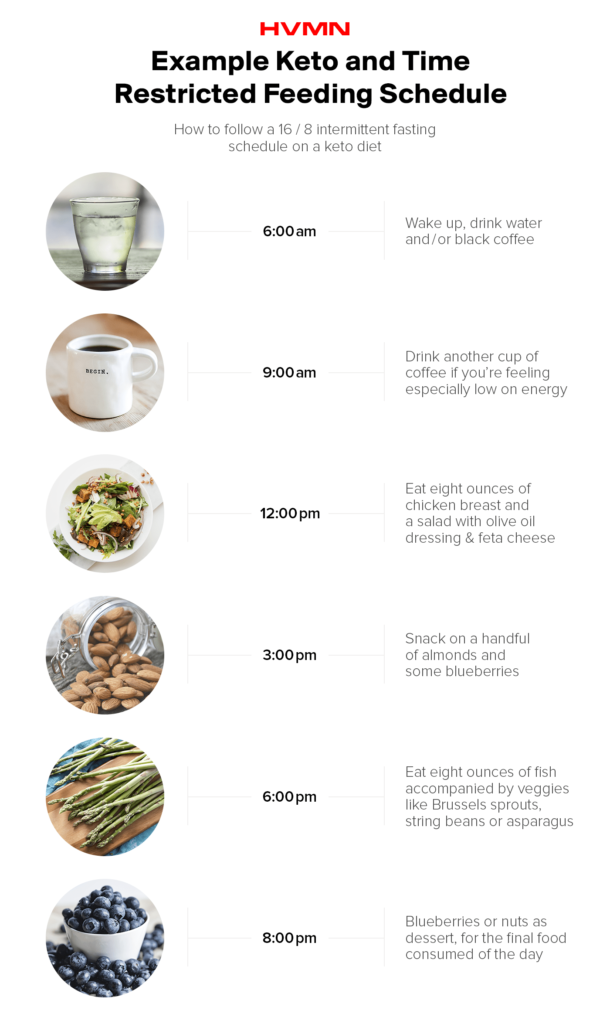
Intermittent fasting involves cycling between periods of eating and fasting. This approach can be tailored to fit various lifestyles, with common methods including the 16/8 method, where one fasts for 16 hours and eats within an 8-hour window, and the 5:2 diet, where one eats normally for five days and restricts calorie intake to 500-600 calories on the other two days.
The benefits of intermittent fasting include improved insulin sensitivity, enhanced autophagy, and weight loss. By restricting the times when you eat, you can potentially reduce overall calorie intake and improve metabolic health.
How Fasting Complements Keto
When combined with the keto diet, intermittent fasting can potentially enhance weight loss results. The keto diet, which is high in fat, moderate in protein, and low in carbohydrates, aims to put the body into a state of ketosis, where it burns fat for energy instead of carbohydrates.
Fasting can help the body transition into ketosis more quickly by depleting glycogen stores and reducing insulin levels. This combination can lead to increased fat burning and improved mental clarity. Some of the benefits of combining intermittent fasting with the keto diet include:
- Increased weight loss
- Improved blood sugar control
- Enhanced mental clarity and focus
Comparing Weight Loss Results
Studies have shown that both intermittent fasting and the keto diet can lead to significant weight loss. However, when combined, they may offer even greater benefits. A study published in the Journal of the American Medical Association found that combining intermittent fasting with a low-carb diet (similar to keto) resulted in significant weight loss and improvements in metabolic health.
To compare the effectiveness of these diets, consider the following key points:
- Weight Loss Rate: Both diets can lead to rapid weight loss, but the combination may accelerate this process.
- Sustainability: While both diets can be challenging to maintain long-term, incorporating elements of both may help improve adherence.
- Health Markers: Improvements in blood sugar control, triglycerides, and HDL cholesterol have been observed with both diets.
In conclusion, intermittent fasting and the keto diet can be powerful tools for weight loss, both individually and in combination. By understanding how they work and how they complement each other, individuals can make informed decisions about their weight loss journey.
Calorie Counting vs. Keto: Which is Better?
When it comes to weight loss, two popular approaches are calorie counting and the keto diet, but which one is more effective? As someone looking to manage their weight, understanding the fundamentals of both methods is crucial.
The Basics of Calorie Counting
Calorie counting involves tracking the number of calories consumed daily to achieve weight loss or maintenance. The principle is simple: consume fewer calories than you burn, and you’ll lose weight. This approach requires meticulous tracking of daily food intake, often using apps or journals. “A calorie is a calorie” is a common mantra here, emphasizing the importance of the overall energy balance.
However, calorie counting doesn’t differentiate between the sources of those calories. Whether you get your calories from protein, fat, or carbohydrates, the count is what matters. This can sometimes lead to overlooking the nutritional quality of the food being consumed.

Keto’s Approach to Calorie Intake
The keto diet, or ketogenic diet, takes a different approach. It focuses on putting your body into a state of ketosis, where it burns fat for energy instead of carbohydrates. By drastically reducing the intake of carbs and increasing fat consumption, the body is forced to adapt and start burning stored fat.
While the keto diet does involve some implicit calorie counting—since high-fat foods are typically high in calories—the primary focus is on achieving and maintaining ketosis. This metabolic state is believed to have various health benefits beyond just weight loss, including improved blood sugar control and enhanced mental clarity.
“The keto diet isn’t just about cutting carbs; it’s about transforming your body’s metabolism to burn fat more efficiently,” says a keto diet expert.
Long-Term Effects on Weight Management
When comparing the long-term effects of calorie counting versus the keto diet on weight management, several factors come into play. Calorie counting can be effective in the short term but may become unsustainable due to the constant need to track and restrict calories. On the other hand, the keto diet, while potentially more challenging to adhere to initially due to its restrictive nature, can lead to significant weight loss and improvements in metabolic health.
Studies have shown that individuals on a keto diet can experience substantial weight loss, particularly in visceral fat. Moreover, the diet’s focus on whole, nutrient-dense foods can lead to a more sustainable eating pattern over time.
- Calorie counting emphasizes the quantity of calories.
- The keto diet focuses on the quality of food and metabolic state.
- Long-term success on keto may be more sustainable for some due to its metabolic effects.
In conclusion, while both calorie counting and the keto diet have their merits, the best approach depends on individual preferences, lifestyle, and health goals. For those seeking a more structured and potentially sustainable long-term solution, the keto diet may offer significant benefits.
Vegetarian and Vegan Diets: Is Keto Compatible?
Combining a keto diet with vegetarian or vegan eating habits requires careful planning and creativity. As someone who has explored various dietary approaches, I understand the challenges of merging these lifestyles.
Overview of Vegetarian and Vegan Diets
Vegetarian diets exclude meat, fish, and poultry, while vegan diets further exclude dairy products and eggs. Both diets focus on plant-based foods, with vegans avoiding any products derived from animals.
“A well-planned vegetarian or vegan diet can provide all the necessary nutrients for good health,” as emphasized by nutrition experts. However, when combining these diets with keto, it’s crucial to ensure adequate nutrition.
Challenges of Keto for Plant-Based Eaters
The keto diet is high in fat, moderate in protein, and very low in carbohydrates, which can be challenging for vegetarians and vegans. The primary sources of fat in a keto diet are often animal-derived, such as butter and fatty fish, posing a problem for vegans.
Vegetarians can consume dairy and eggs as fat sources, but vegans must rely on plant-based fats like avocados, nuts, and seeds. Ensuring sufficient protein intake is also a challenge, as it requires careful selection of plant-based protein sources like tofu, tempeh, and seitan.
How to Combine Keto with Plant-Based Diets
To successfully combine a keto diet with vegetarian or vegan eating, focus on high-fat plant-based foods. For vegetarians, this can include full-fat dairy products and eggs. Vegans can use coconut oil, avocado oil, and nuts as primary fat sources.
- Increase fat intake with avocados, olive oil, and coconut oil.
- Consume moderate amounts of protein from sources like tofu and tempeh.
- Limit carbohydrate intake by avoiding high-carb foods like grains and starchy vegetables.
As noted by a keto diet expert, “Creativity in meal planning is key for vegetarians and vegans on a keto diet.” By carefully selecting the right foods, it’s possible to achieve and maintain a state of ketosis while adhering to plant-based dietary preferences.
Real-Life Success Stories: Keto and Other Diets
Real-life success stories abound for those who have embraced the keto lifestyle, showcasing remarkable transformations. As I delve into the world of dietary changes, it’s inspiring to see how different approaches have helped individuals achieve their health goals.
Inspiring Transformations on Keto
The keto diet has been a game-changer for many, leading to significant weight loss and improved overall health. For instance, a study published in the Journal of Medical Internet Research found that participants on a keto diet experienced an average weight loss of 13.6 kg (30 lbs) over 24 weeks.
- Improved mental clarity and focus
- Enhanced energy levels
- Significant weight loss
One inspiring story is that of a woman who lost 50 pounds in six months on the keto diet. She reported not only weight loss but also improved mental clarity and reduced inflammation.
Success on the Mediterranean Diet
The Mediterranean diet has also garnered attention for its health benefits, including heart health and weight management. A study in the New England Journal of Medicine highlighted the diet’s effectiveness in reducing the risk of cardiovascular diseases.
- Rich in fruits, vegetables, and healthy fats
- Promotes heart health
- Supports sustainable weight loss
Many have found success with the Mediterranean diet, praising its sustainability and the variety of foods allowed.
Mixed Approaches and Results
Some individuals have achieved success by combining elements of different diets. For example, combining intermittent fasting with the keto diet has shown promising results in terms of weight loss and metabolic health.
| Diet | Weight Loss | Health Benefits |
|---|---|---|
| Keto | Significant | Improved mental clarity, energy |
| Mediterranean | Sustainable | Heart health, rich in nutrients |
| Keto + Intermittent Fasting | Enhanced | Improved metabolic health |
These real-life success stories demonstrate that different diets can lead to significant health improvements, depending on individual preferences and needs.
Making the Right Choice for My Lifestyle
Choosing the best diet for weight loss can be challenging, given the numerous options available. As I’ve explored the keto diet and compared it to other popular diets, I’ve come to realize that the most effective diet is one that aligns with my lifestyle and preferences.
Personal Health Goals and Dietary Preferences
When deciding on a diet, it’s essential to consider personal health goals, lifestyle, and dietary preferences. For instance, if you’re looking for a diet that promotes weight loss and improves overall health, the keto diet may be an excellent option due to its numerous keto diet benefits.
Comparing Diets
In comparing keto vs other diets, I’ve found that while some diets may offer short-term weight loss, the keto diet provides a sustainable and enjoyable approach to weight management. Ultimately, the best diet for weight loss is one that is tailored to an individual’s needs and preferences.
Final Considerations
As you consider your options, reflect on your lifestyle, health goals, and preferences. By doing so, you’ll be better equipped to choose a diet that suits you, whether it’s the keto diet or another approach. By making an informed decision, you’ll be more likely to achieve your weight loss goals and maintain a healthy lifestyle.