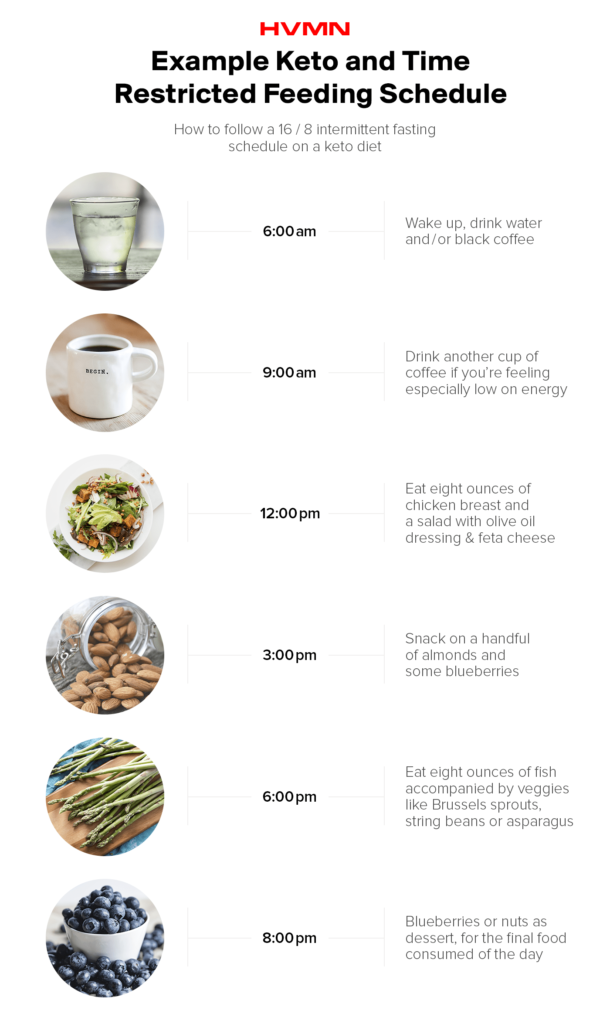
Are you curious about adopting a low-carb, high-fat lifestyle but unsure where to start? As I embarked on my journey with the ketogenic diet, I realized that understanding its fundamentals is crucial for success.
The ketogenic diet is a dietary approach that helps your body switch from relying on sugar to burning fat for energy. By significantly reducing carbohydrate intake and increasing fat consumption, you can potentially experience weight loss, improved mental clarity, and enhanced overall well-being.
As a beginner, it’s essential to grasp the basics of this diet and what to expect when starting out. In this guide, I’ll walk you through the essential aspects of the ketogenic diet, providing you with a solid foundation to make informed decisions about your health.
Key Takeaways
- Understand the fundamental principles of the ketogenic diet
- Learn how to transition to a low-carb, high-fat lifestyle
- Discover the potential benefits of the ketogenic diet for overall health
- Get started with practical tips for implementing the diet
- Explore the importance of monitoring progress on the ketogenic diet
Understanding the Ketogenic Diet
Understanding the basics of the ketogenic diet is crucial for those looking to adopt this lifestyle change. The ketogenic diet, often referred to as the keto diet, is a dietary approach that has gained significant attention for its potential health benefits.
What is the Ketogenic Diet?
The ketogenic diet is a low-carb, high-fat diet that aims to put the body into a state of ketosis, where it burns fat for energy instead of carbohydrates. This metabolic shift is achieved by drastically reducing the intake of carbohydrates and increasing the consumption of fats.
Key components of the keto diet include:
- Significantly reducing carbohydrate intake
- Increasing fat consumption to become the primary energy source
- Moderating protein intake to support overall health
How Does the Keto Diet Work?
The keto diet works by inducing a metabolic state called ketosis. When carbohydrate intake is low, the body begins to break down fat into molecules called ketones, which are then used as energy. This process not only aids in weight loss but also has been shown to have therapeutic benefits for certain medical conditions.
Benefits of Going Keto
Adopting a ketogenic diet can have numerous health benefits, including weight loss, improved blood sugar control, and increased energy levels. The diet has also been associated with reduced inflammation and improved mental clarity.
| Benefit | Description |
|---|---|
| Weight Loss | Reducing carbohydrate intake and increasing fat consumption leads to weight loss. |
| Improved Blood Sugar Control | The keto diet can help regulate blood sugar levels and improve insulin sensitivity. |
| Increased Energy | The high-fat diet provides a sustained energy source, reducing the need for carbohydrates. |
By understanding how the ketogenic diet works and its benefits, individuals can make informed decisions about adopting this dietary approach. As with any significant change in diet, it’s essential to consult with a healthcare professional to ensure it’s the right choice for your individual needs.
Getting Started with Keto
As you begin your keto diet, it’s essential to set the stage for success with a well-planned approach. This involves understanding your goals, planning your meals, and knowing the essential foods to include in your diet.
Setting Your Keto Goals
Before diving into the keto diet, it’s crucial to define your goals. Are you looking to lose weight, improve your overall health, or enhance your mental clarity? Setting clear, achievable goals will help you stay motivated and track your progress.
- Identify your primary reason for starting the keto diet.
- Set specific, measurable targets (e.g., weight loss, improved blood sugar levels).
- Create a timeline for achieving your goals.
Creating a Meal Plan
A well-structured meal plan is the backbone of a successful keto diet. It helps you stay on track, ensures you’re getting the right nutrients, and makes grocery shopping more efficient. When creating your meal plan, focus on whole, nutrient-dense foods and consider your personal preferences and dietary needs.
Here are some tips for creating an effective keto meal plan:
- Plan your meals around keto-friendly foods like meats, fish, eggs, and vegetables.
- Include a variety of foods to ensure you’re getting all necessary nutrients.
- Prepare your meals in advance to save time and reduce the temptation to stray from your diet.
Essential Foods to Include
To successfully follow a keto diet, it’s vital to know which foods to include. Focus on foods that are high in fat, moderate in protein, and low in carbohydrates. Some essential keto foods include:
- Fatty meats and fish
- Eggs
- Full-fat dairy products
- Low-carb vegetables
- Nuts and seeds
By incorporating these foods into your meal plan and staying committed to your goals, you’ll be well on your way to achieving success on the keto diet.
Macros and Nutritional Guidelines
Macronutrients play a vital role in the ketogenic diet, and understanding them is key to success. When following a keto diet, it’s not just about cutting down on carbohydrates; it’s also about managing your intake of fats, proteins, and other nutrients effectively.
Understanding Macronutrients
Macronutrients are nutrients that provide calories or energy. They are required in large amounts to maintain body functions, growth, and energy. There are three main categories of macronutrients: carbohydrates, proteins, and fats.
- Carbohydrates: These are the body’s primary source of energy. On a keto diet, carbohydrate intake is significantly reduced to induce a metabolic state called ketosis.
- Proteins: Proteins are essential for building and repairing tissues. Moderate protein intake is recommended on a keto diet to support overall health without kicking you out of ketosis.
- Fats: Fats are the primary source of energy on a keto diet. They are high in calories and should make up the majority of your daily caloric intake.

Calculating Your Macro Ratios
Calculating your macro ratios is crucial for achieving and maintaining ketosis. The standard keto diet recommends a macronutrient breakdown of approximately 70-80% fats, 15-20% proteins, and 5-10% carbohydrates.
| Macronutrient | Percentage of Daily Calories | Example for a 2000 Calorie Diet |
|---|---|---|
| Fats | 70-80% | 155-178g |
| Proteins | 15-20% | 75-100g |
| Carbohydrates | 5-10% | 25-50g |
Common Mistakes to Avoid
One of the most common mistakes is not tracking macronutrient intake accurately. It’s easy to underestimate carbohydrate intake or overestimate fat consumption. Using a food diary or an app to track your macros can help.
Another mistake is consuming too much protein, which can be converted into glucose and potentially kick you out of ketosis. Moderation is key.
By understanding your macronutrients, calculating your macro ratios correctly, and avoiding common mistakes, you can successfully navigate the keto diet and achieve your health and weight loss goals.
Grocery Shopping for Keto
To keep your keto diet on track, it’s essential to master the art of grocery shopping with a focus on the right foods. A well-stocked kitchen is the foundation of a successful keto meal plan, and it all starts at the grocery store.
Recommended Foods to Buy
When shopping for keto, it’s crucial to focus on whole foods, healthy fats, and quality proteins. Here are some of the top foods to include in your keto grocery list:
- Meat and Poultry: Choose grass-fed beef, organic chicken, and other meats rich in fat.
- Fish and Seafood: Fatty fish like salmon are excellent choices, as are shellfish and other seafood.
- Eggs: Pasture-raised eggs are a staple in many keto diets.
- Full-Fat Dairy: Include full-fat cheese, butter, and cream in your diet.
- Oils and Fats: Olive oil, coconut oil, and avocado oil are healthy fats that fit within a keto diet.
- Vegetables: Focus on low-carb vegetables like leafy greens, broccoli, and cauliflower.
- Nuts and Seeds: Almonds, walnuts, chia seeds, and flax seeds are all keto-friendly.
Helpful Tips for Shopping
Effective grocery shopping for keto involves more than just knowing what to buy; it’s also about how you shop. Here are some helpful tips:
- Plan Your Shopping Trip: Before you go, plan your meals for the week and make a list of the ingredients you need.
- Shop the Perimeter of the Store: Many whole foods are found on the perimeter of the grocery store, including meats, vegetables, and dairy products.
- Avoid Temptation: Steer clear of aisles that contain high-carb foods and snacks.
- Read Labels: Always check the nutrition labels to ensure the foods you choose fit within your keto guidelines.
Reading Nutrition Labels
Understanding how to read nutrition labels is crucial for maintaining a keto diet. Here’s what to look for:
| Nutrition Label Component | What to Look For |
|---|---|
| Total Carbohydrates | Choose products with low total carbs, focusing on fiber content to adjust net carbs. |
| Sugars | Opt for products with minimal added sugars. |
| Protein | Ensure the protein content aligns with your daily keto macro goals. |
| Fats | Select products high in healthy fats. |
By mastering grocery shopping with a focus on keto-friendly foods and understanding how to read nutrition labels, you’ll be well on your way to maintaining a successful keto diet.
Meal Prep and Cooking on Keto
One of the keys to a successful keto diet is mastering meal prep and cooking techniques that make healthy eating easy. As you start your keto journey, having the right strategies in place can make all the difference in achieving your goals.
Easy Keto Recipes for Beginners
Starting with simple keto recipes is crucial for beginners. Dishes like cauliflower fried rice and zucchini noodles with meatballs are not only delicious but also easy to prepare. These recipes help you stay within your keto macros while enjoying flavorful meals.
“The key to a successful keto diet is not just about cutting carbs, but also about making sure you’re getting the right balance of nutrients.” – A keto diet enthusiast
- Avocado and egg breakfast bowls
- Keto coffee with coconut oil
- Bacon-wrapped chicken breasts
Batch Cooking for Efficiency
Batch cooking is a game-changer for anyone on the keto diet. By preparing meals in advance, you save time during the week and ensure that you always have a healthy keto meal ready. Consider cooking large batches of keto chili or beef stew that can be portioned out for several meals.
Kitchen Tools That Make Cooking Easier
Having the right kitchen tools can significantly simplify keto cooking. Essential tools include a slow cooker for hands-off meal prep, a spiralizer for creating zucchini noodles, and a food scale for accurately measuring ingredients.
- Invest in a good quality slow cooker for easy meal prep.
- Use a spiralizer to create keto-friendly noodle dishes.
- A food scale is crucial for measuring ingredients accurately.
By incorporating these meal prep and cooking strategies into your keto lifestyle, you’ll find it easier to stick to your diet and achieve your health goals.
Navigating Social Situations on Keto
Staying committed to your keto goals while still enjoying social events and dining out is more achievable than you think. With a little planning and some insider tips, you can navigate social situations with ease.
Eating Out on a Keto Diet
Eating out can be challenging on a keto diet, but it’s not impossible. When dining out, focus on ordering dishes that are high in fat and low in carbs. Opt for meat or fish dishes with vegetables, and don’t be afraid to ask for modifications to suit your dietary needs.
For example, you can ask for your meal to be cooked in butter or olive oil, and request a side of vegetables instead of grains. Being mindful of portion sizes is also crucial, as restaurant servings can be generous.

Attending Social Events
Social events often revolve around food, making it difficult to stick to your keto diet. However, with some preparation, you can enjoy these events without compromising your goals. Consider eating a keto-friendly meal before attending so you’re not tempted by non-keto options.
If you’re attending a potluck, offer to bring a dish to share that fits within your keto diet. This way, you’ll have at least one keto-friendly option available.
Staying Committed to Your Goals
Staying committed to your keto goals in the face of social pressures can be tough, but it’s essential to remember why you started. Keep your goals in mind and remind yourself of the benefits you’re experiencing, such as weight loss and improved energy levels.
Having a support system can also make a big difference. Connect with others who are following a keto diet through online forums or local groups to share tips and encouragement.
By being prepared and staying focused on your goals, you can navigate social situations successfully while maintaining your keto lifestyle.
Supplements that Support Keto
Understanding the right supplements to take can make a significant difference in your keto experience. When I started my ketogenic diet, I wasn’t aware of how crucial supplements could be in maintaining my health and supporting my weight loss goals.
Importance of Electrolytes
One of the key areas where supplements can help is in maintaining electrolyte balance. The keto diet can lead to a loss of electrolytes, which are essential for various bodily functions. Electrolytes like sodium, potassium, and magnesium play a critical role in hydration and nerve function.
To avoid the “keto flu,” a condition that arises from electrolyte imbalance, it’s vital to replenish these minerals. I found that incorporating electrolyte supplements into my daily routine helped alleviate symptoms like fatigue and muscle cramps.
Recommended Supplements
While electrolytes are crucial, there are other supplements that can support a keto lifestyle. Here are some that I’ve found beneficial:
- Magnesium: Important for muscle function and energy production.
- Omega-3 fatty acids: Supports heart health and reduces inflammation.
- Probiotics: Essential for maintaining gut health.
- Vitamin D: Crucial for bone health and immune function.
When to Consider Supplementation
It’s not always necessary to start with supplements, but there are certain situations where they can be particularly helpful. For instance, if you’re experiencing persistent muscle cramps or fatigue, it might be a sign that you need to replenish your electrolytes.
Additionally, if you’re finding it challenging to get a balanced diet due to dietary restrictions or preferences, supplements can help fill the nutritional gaps. Always consult with a healthcare professional before starting any new supplement regimen to ensure it’s tailored to your specific needs.
By understanding the role of supplements in a keto diet, you can make informed decisions that support your overall health and well-being.
Staying Motivated on Keto
Staying motivated on keto can be challenging, but with the right strategies, you can achieve your goals. As you journey through the keto lifestyle, it’s normal to encounter fluctuations in motivation. However, by implementing a few key strategies, you can maintain your momentum and continue to make progress.
Tracking Your Progress
One of the most effective ways to stay motivated is by tracking your progress. This can be done through various methods, including:
- Weight loss tracking
- Measuring body fat percentage
- Monitoring your food intake and macros
- Using a keto journal to record your experiences and insights
By regularly tracking your progress, you can see how far you’ve come and identify areas for improvement. As Dr. Eric Berg notes, “Tracking your progress is a powerful motivator because it provides a clear picture of your success.”
Joining Keto Communities
Joining keto communities can provide valuable support and motivation. These communities can be found online or in-person and offer a space to connect with others who share your dietary goals. Benefits of joining keto communities include:
- Access to a wealth of knowledge and resources
- Opportunities to share your experiences and learn from others
- Motivation and accountability through community support
As noted in a
“Keto community is a game-changer for many on the keto diet. It provides the necessary support and motivation to overcome challenges.”
By being part of a community, you can stay inspired and committed to your keto lifestyle.
Celebrating Milestones
Celebrating your milestones is crucial for staying motivated on keto. Whether it’s a significant weight loss, completing a challenging keto recipe, or reaching a new personal best, acknowledging your achievements can boost your motivation. Consider:
- Treating yourself to a non-food reward, like a relaxing bath or a new workout outfit
- Sharing your success with friends and family to gain support and encouragement
- Reflecting on your journey to appreciate how far you’ve come
Celebrating your milestones not only reinforces your commitment but also makes the journey more enjoyable. As I reflect on my own keto journey, I’ve found that celebrating milestones has been a key factor in my continued success.
Troubleshooting Common Issues
While the keto diet offers numerous benefits, it’s not without its challenges, and being prepared is key. As you navigate your keto journey, understanding how to address common issues can make a significant difference in your success.
Keto Flu Explained
The “keto flu” is a condition that some individuals experience when transitioning to a keto diet, characterized by symptoms such as fatigue, headache, and nausea. It’s primarily caused by the body’s adaptation to using ketones as a primary energy source.
To alleviate keto flu symptoms, it’s recommended to:
- Stay hydrated by drinking plenty of water
- Increase salt intake to help your body retain water
- Consider supplementing with electrolytes
Dealing with Cravings
Cravings can be a significant challenge, especially in the initial stages of the keto diet. Understanding the cause of cravings and having strategies to manage them is crucial.
Some effective ways to deal with cravings include:
- Eating more fat to feel fuller
- Staying occupied with activities
- Getting enough sleep
Addressing Plateaus
Plateaus, where weight loss stalls, can be frustrating. Several factors can contribute to a plateau, including inadequate calorie deficit, insufficient physical activity, or not tracking macros correctly.
| Strategy | Description |
|---|---|
| Reassess Your Macros | Ensure you’re within your daily keto macro limits |
| Increase Physical Activity | Boost your exercise routine to burn more calories |
| Monitor Your Progress | Keep track of your food intake and weight loss |
Troubleshooting common issues on the keto diet requires patience, persistence, and the right strategies. By understanding and addressing challenges such as keto flu, cravings, and plateaus, you can stay on track and achieve your health and weight loss goals.
Long-Term Sustainability of Keto
Long-term keto sustainability is about adapting the diet to fit your lifestyle, not the other way around. As you continue on your keto journey, it’s essential to consider how to maintain your progress and make the diet a sustainable lifestyle choice.
Transitioning to Maintenance
Transitioning to a maintenance phase is a critical step in long-term keto success. This involves gradually adjusting your macronutrient ratios to a more sustainable level while maintaining the benefits of the keto diet. A keto meal plan can be invaluable during this phase, helping you navigate the changes.
To transition effectively, start by slightly increasing your carbohydrate intake and monitoring your body’s response. This might involve adding more fiber-rich vegetables or nuts to your diet. It’s also crucial to listen to your body and adjust your macros based on how you feel and your progress.
Incorporating Flexibility
Incorporating flexibility into your keto lifestyle is vital for long-term adherence. This means allowing for occasional deviations from your diet, such as during social events or holidays, and having a plan to get back on track. Being too rigid can lead to burnout, so finding a balance is key.
One way to incorporate flexibility is by having a “keto cheat day” occasionally, where you deliberately increase your carb intake. However, it’s essential to do this thoughtfully and not let it derail your entire progress. Referencing a keto for beginners book can provide additional strategies for maintaining flexibility.
Monitoring Your Health
Monitoring your health is a continuous process on the keto diet. Regular check-ups with your healthcare provider, tracking your macros, and paying attention to how your body is responding are all crucial. This includes monitoring your energy levels, mental clarity, and any physical changes.
A useful tool for monitoring your health on keto is tracking your ketone levels. This can be done using blood, urine, or breath tests. Understanding how to interpret these results can help you make informed decisions about your diet.
| Health Indicator | Monitoring Method | Target Range |
|---|---|---|
| Ketone Levels | Blood, Urine, or Breath Tests | 0.5-3.0 mmol/L (blood) |
| Energy Levels | Personal Tracking | Consistent, High Energy |
| Mental Clarity | Personal Tracking | Improved Focus and Clarity |
Learning how to start the ketogenic diet is just the beginning; maintaining it long-term requires ongoing effort and adaptation. By transitioning to a maintenance phase, incorporating flexibility, and monitoring your health, you can make keto a sustainable part of your lifestyle.
Resources for Keto Beginners
As you embark on your keto journey, having the right resources can make a significant difference. Whether you’re looking for delicious keto recipes for beginners or a comprehensive keto meal plan, there are numerous tools available to support you.
Recommended Reading
For those new to the keto diet, books like “The Keto Diet” by Leanne Vogel and “Keto Comfort Foods” by Maria Emmerich provide valuable insights and recipes. These resources offer a solid foundation for understanding the keto lifestyle and planning your meals.
Online Resources and Tools
Websites such as Diet Doctor and KetoConnect offer a wealth of information, including keto recipes for beginners, meal plans, and tips for maintaining a ketogenic lifestyle. These sites are excellent for finding inspiration and guidance as you navigate your keto journey.
Tracking Your Progress
Apps like MyFitnessPal and Carb Manager are invaluable for tracking your macro intake and staying on top of your keto meal plan. These tools help you monitor your progress and make adjustments as needed, ensuring you stay on track with your keto goals.