What if you could transform your health and your wallet at the same time?
Many people believe a ketogenic lifestyle is too expensive. They see the price tags on specialty products and give up before they start. This common pain point stops great goals in their tracks.
This guide makes a different promise. You will learn a practical, step-by-step plan for eating this way for less than fifty dollars each week. Health and a tight budget can absolutely work together.
Starting any new diet can feel daunting. Financial worry makes it harder. We understand that. This isn’t just theory. It’s built on real-world strategies from people who’ve done it successfully.
The benefits are clear. You will save money and reduce food waste. Meal times become simpler. Most importantly, you gain empowerment over your nutrition and your finances.
We will cover everything. This includes debunking costly myths, smart planning, savvy shopping, and easy cooking. The focus is on whole, nutritious foods, not expensive substitutes.
View this not as a restriction. See it as a liberating framework to eat well without stress. Your journey to an affordable, low-carbohydrate life starts right here.
Key Takeaways
- The high cost of a keto diet is a common myth that can be overcome.
- It is entirely possible to follow this eating plan for under $50 weekly.
- This approach prioritizes whole foods over pricey specialty items.
- You will learn practical strategies for planning, shopping, and cooking.
- Benefits include significant financial savings and reduced food waste.
- Taking control of your diet also means taking control of your budget.
- The guide provides a sustainable framework for long-term success.
Debunking the Myth: Keto Doesn’t Have to Be Expensive
Let’s tackle the biggest financial fear head-on: the idea that low-carb eating is a luxury you can’t afford. This belief stops many before they even begin. It’s time to set the record straight.
Your success isn’t tied to a lavish grocery budget. The truth is far more empowering and practical.
Common Misconceptions About the Cost of Low-Carb Eating
Where does this idea come from? Often, it’s from social media. You see pictures of rib-eye steaks, organic avocados, and fancy almond flour pancakes. These items are presented as essentials.
In reality, they are optional extras. You do not need them to follow a healthy, low-carbohydrate plan. This misconception links the diet exclusively with premium products.
Now, think about the standard way of eating. Loads of processed carbs like bread, pasta, and snacks seem cheap. But they come with hidden cost.
You might feel hungry soon after eating. This leads to more snacking and low energy. Over time, poor health can become its own expensive problem.
The initial price tag isn’t the whole story. A bag of chips is less than a bag of spinach. Yet the spinach nourishes your body for hours.
How a Shift in Focus to Whole Foods Saves Money
Here is the powerful shift. A budget-friendly approach prioritizes whole, unprocessed food. Think nutrient-dense items that keep you full.
When you’re satisfied, you naturally eat less. You also stop buying low carb snack bars and shakes constantly. Your money stays in your pocket.
Buying whole ingredients is almost always cheaper. Compare a whole chicken to pre-cut breasts. A block of cheese to shredded bags. A head of cauliflower to pre-riced packs.
You pay for convenience. By doing a little prep yourself, you save a lot. This is true for vegetables and meat alike.
What about organic labels? Data shows you can skip them at first. A source confirms you don’t need grass-fed items to follow this diet. Focusing on whole foods is the key for your budget and wellness.
Cooking at home is your ultimate financial tool. You eliminate restaurant markups and packaging fees. Every dollar goes directly into your nutrition.
Let go of these expensive myths. You open the door to affordable, satisfying eating. A low carb lifestyle is within reach for anyone.
The Core Principles of Keto on a Budget
Your financial success with this lifestyle isn’t about luck—it’s built on three core pillars. These principles form a powerful framework. They turn a tight grocery budget from a roadblock into your greatest tool for healthy eating.
Think of them as non-negotiable habits. They work together to create a sustainable, affordable way of eating. Let’s break them down.
Prioritize High-Fat, Nutrient-Dense Staples
Your money should chase nutrition, not just calories. Focus on foods that give you maximum energy and fullness per penny.
Items like eggs, butter, and chicken thighs are champions here. They are packed with healthy fats and protein. This keeps you satisfied for hours.
You naturally stop reaching for expensive keto bars or shakes. Your budget gets a break because you’re simply less hungry.
These staples are the foundation of your meal plan. They provide the fuel your body needs without fancy packaging or high markups.
Embrace Cooking at Home Over Processed Foods
This is the single biggest money-saver. You pay a steep premium for convenience.
Pre-cooked foods, restaurant meals, and even pre-shredded cheese cost more. Reclaiming your kitchen puts every dollar directly into your nutrition.
Cooking at home is always cheaper than eating out or buying precooked foods. This isn’t just an opinion—it’s a financial fact. Focusing on cost-effective ingredients like eggs, ground beef, and butter is crucial for your wallet.
This habit also slashes food waste. Proper meal planning can save an average household $1,500 a year. That’s money back in your pocket.
Flexibility is Key: Shop Sales and Adapt Your Menu
Your weekly menu should be a fluid document. It must bend to what’s on sale, not be a rigid list of demands.
This is where the magic happens. See a whole chicken on special? That’s your protein source for multiple lunches and dinners. Spot a great price on cauliflower? It becomes your rice, mash, and soup base.
This principle connects to buying in bulk. It’s a core strategy, not just a tactic. When shelf-stable staples like oil, nuts, or frozen veggies are discounted, buy bulk quantities.
Here’s a practical tip: dedicate ten minutes each week to review grocery store flyers before finalizing your plan. Make adaptability a routine habit.
This approach saves more than money. It saves time in the long run. Batch cooking from your sale finds becomes a seamless part of your week.
Together, these three principles give you control. They are empowering tools, not restrictive rules. They prepare you perfectly for the next step: crafting your personalized, budget-friendly meal plan.
Your First Step: Crafting a Budget Keto Meal Plan

Before you step foot in a grocery store, the most powerful tool you can create is a personalized meal plan. This document is your blueprint. It aligns your nutritional goals with your financial limits.
Think of it as your weekly food roadmap. A good plan prevents impulse buys and reduces waste. It turns a tight budget from a stressor into a strategic advantage.
This step requires a small upfront investment of time. That investment pays off all week long in saved money and mental energy.
How to Calculate Your Macros for Budget Planning
Knowing your macronutrient targets is crucial. It ensures your plan meets your body’s needs without overbuying. Start with a free online calculator.
You input your height, weight, age, and activity level. The tool suggests daily targets for fat, protein, and net carbs. This is your personal framework.
For example, a sample plan might be built for 1,200 calories. If you need more, scale it up cheaply. Add a tablespoon of olive oil or butter to meals.
These healthy fats increase calories without expensive ingredients. This macro knowledge stops you from buying food you don’t need. It brings precision to your shopping list.
Building a Weekly Menu Around Affordable Proteins
Your protein source is the anchor of every meal. It’s also often the most expensive item. Smart planning starts here.
Each week, identify the most affordable proteins first. Look for sales on chicken thighs, ground beef, or a whole chicken. Build your entire weekly menu around these anchors.
This strategy is called ingredient overlap. You cook a large batch of one protein. Then you use it in multiple, different meals across several days.
Roast a whole chicken on Sunday. Use the breast meat for salads, the thighs for a stir-fry, and the carcass for soup. One cooking session yields many meals.
This approach maximizes every dollar you spend on meat. It also saves you significant time in the kitchen.
The Power of Leftovers and Repurposing Meals
Leftovers are not a boring repeat. They are a strategic tool for saving money and time. A good plan intentionally creates them.
Repurposing turns one base meal into several distinct dishes. Tonight’s roasted broccoli becomes tomorrow’s breakfast scramble add-in. Cooked ground beef transforms from taco filling to chili base.
Here is a concrete example. Cook a large pot of chili with ground beef on Monday. You can use it for two dinners and two lunches that week.
That’s four satisfying meals from one prep session. This method drastically cuts down on daily cooking. It also ensures nothing goes to waste.
Your meal plan should be a living document. Account for how ingredients will be reused. This eliminates monotony and makes your budget stretch further.
| Planning Approach | Estimated Weekly Cost | Key Benefit | Potential Annual Savings |
|---|---|---|---|
| With a Structured Meal Plan | Around $100 | Reduced food waste & targeted shopping | Up to $1,500 |
| Without a Plan (Impulse Buying) | Around $150 | Flexibility (but often costly) | $0 |
As you can see, the financial impact is clear. For more detailed strategies on making this work, explore these affordable keto meal planning tips.
Embrace this planning stage. The hour you spend now will pay you back all week. You’ll save money, reduce stress, and stay firmly on track with your low-carb lifestyle.
Smart Shopping Strategies for Maximum Savings
Smart shopping transforms your budget from a limit into a powerful tool for savings. Your meal plan is your map. Now, you need the tactics to navigate the store aisles successfully.
This is where your financial plan meets real-world execution. Every choice at the checkout line can stretch your dollars further. Let’s explore proven methods to fill your cart with nutritious food for less.
Choosing Discount and Bulk Grocery Stores
Where you shop matters as much as what you buy. Discount chains like Aldi, Lidl, and WinCo consistently top price rankings. Their business model is simple.
They carry a smaller selection of mostly store-brand items. This reduces overhead and passes the savings to you. You find fantastic prices on staples like eggs, cheese, and fresh produce.
For shelf-stable items, bulk stores offer another powerful way to save money. A membership at Costco or Sam’s Club can be worthwhile.
They are excellent for buy bulk quantities of healthy oils, nuts, and blocks of cheese. The key is discipline. Only purchase what you will realistically use before it spoils.
This avoids waste and ensures your money is well spent. Combining trips to discount and bulk outlets can dramatically lower your weekly grocery cost.
Comparing Prices Between Stores and Online
Never assume one store has the best price on everything. Comparison shopping is a non-negotiable habit for budget success.
This means checking prices at different physical locations. Also, don’t forget online retailers. Prices for items like almond flour, canned fish, or specialty sweeteners can vary widely.
Use apps like Flipp or Basket to view weekly circulars from multiple stores at once. This saves you time and gas. You can plan your route to hit several stores for their loss leaders.
Loss leaders are items sold at a loss to draw you in. They are often proteins like chicken or ground beef. Building your weekly menu around these deals is a master tip.
A little research before you leave home guarantees the best possible prices on your list.
Utilizing Coupons, Sales, and Loyalty Programs
Modern savings go far beyond clipping paper coupons. Most chains have digital coupons loaded directly to your loyalty card or app.
Sign up for every free program at the stores you frequent. These small discounts compound. Over a year, they can add up to significant budget relief.
Systematically check weekly sales flyers. Plan your major protein purchases around what’s on sale. Stock up on non-perishable products when they are discounted.
For online grocery orders, use a browser extension like Honey or Capital One Shopping. These tools automatically find and apply coupon codes at checkout.
Remember the golden rule. A sale is only a good deal if the item is on your list. Avoid the trap of buying non-essentials just because they’re cheap.
Stick to your plan. Your discipline is what turns these strategies into real savings.
| Shopping Venue | Key Pros | Potential Cons | Best For |
|---|---|---|---|
| Discount Stores (Aldi, Lidl) | Lowest prices on staples, efficient layout | Limited brand selection, may not have everything | Weekly produce, dairy, eggs, and pantry basics |
| Bulk Stores (Costco, Sam’s Club) | Great unit cost on bulk items, quality products | Requires membership, large quantities can lead to waste | Oils, nuts, cheese, frozen vegetables, meat for freezing |
| Traditional Grocery + Sales | Wide variety, convenient locations, loyalty programs | Higher regular prices, more temptation | Loss leader sales, specific brand items, using digital coupons |
| Online Comparison | Easy price checks, access to niche products | Shipping costs, can’t inspect items | Specialty low-carb ingredients, price research before going to store |
Think of smart shopping as a game. The reward is a cart full of wholesome food for a fraction of the expected price. Your strategy and list are your playbook. Now, go execute and win.
The Budget Keto Pantry: Affordable Low-Carb Staples
A sustainable low-carb lifestyle depends on having the right building blocks on hand. Your pantry and fridge become your greatest allies.
Forget chasing expensive, one-use items. This approach is about a core set of versatile, nutrient-dense foods. They form the basis of countless delicious and cheap meals.
Stocking these staples means you’re never stuck. You can always whip up a satisfying low carb dish without a last-minute store run.
Eggs: The Ultimate Budget-Friendly Superfood
Eggs are the undisputed MVP of a budget-conscious kitchen. They are incredibly cheap, versatile, and packed with nutrients.
You get a powerhouse of protein and healthy fats for just pennies. They work for any meal—breakfast scrambles, lunch salads, or quick dinners.
While prices can fluctuate, they remain one of the most cost-effective foods per gram of protein. Keep a dozen or two on hand at all times.
Ground Beef and Chicken Thighs: Your Protein Workhorses
For your main protein sources, think value and flavor. Ground beef (with an 80/20 fat ratio) and chicken thighs (skin-on) are your best friends.
These cuts are often the most affordable. The cheaper price usually means a higher fat content. That’s ideal for keeping you full on this keto plan.
You can often find ground beef for under $4 per pound. Chicken thighs are similarly priced and incredibly forgiving to cook.
Frozen and Seasonal Vegetables for Volume and Fiber
Your primary fiber sources should be smart and cheap. Frozen vegetables like broccoli and cauliflower are fantastic.
They are just as nutritious as fresh, reduce spoilage, and are very affordable. Buy them in large bags when they’re on sale.
Also, focus on what’s in season at your local market. Seasonal vegetables are always priced lower and taste better.
Butter and Healthy Oils: Your Fat Sources
You need good fats for cooking and satiety. Butter, avocado oil, and olive oil are your primary, cost-effective choices.
Store-brand versions of these oils offer excellent value. A tablespoon of butter or oil can add satisfying calories to any meal without a high cost.
These are your “big three” fats for daily use.
Don’t forget the supporting players. A block of cheese is cheaper than pre-shredded bags. Canned tuna or salmon provides quick protein.
Buying nuts and seeds in bulk saves money for snacks. These ingredients complete your affordable low carb pantry.
See how they connect? Eggs and cheese make a frittata. Leftover chicken and frozen veggies become a stir-fry, all cooked in butter.
Building your kitchen around these staples gives you freedom. You’ll always have the components for a meal, making this keto lifestyle simple and sustainable.
Meal Prep Magic: Your Secret to Saving Time and Money
The secret to sticking with your budget and your diet isn’t willpower—it’s preparation. Think of meal prepping not as a chore, but as the ultimate hack. It locks in both financial savings and dietary adherence in one focused block of time.
This single habit condenses your weekly cooking into just a couple of hours. It sets you up for success and drastically reduces daily kitchen time. More importantly, it is the most powerful way to save money on your low carb lifestyle.
Why Meal Prepping is a Game-Changer for Budget Keto
The link between prepping and your wallet is direct. It allows you to efficiently use bulk purchases. Cooking in volume is always cheaper per serving than making single meals.
This system utterly defeats the temptation of expensive takeout. When healthy food is ready in your fridge, you won’t order in. It also helps you avoid impulse buys at the store, keeping you firmly on your financial plan.
For a keto approach, this is crucial. It ensures you always have the right ingredients prepared. You stay on track without daily stress.
A Sample 2-Hour Weekly Prep Session
Let’s walk through a realistic Sunday session. This sample uses affordable staples and maximizes passive cooking time.
First, season and roast a whole chicken. This takes 5 minutes of active prep. While it roasts for 90 minutes, you have passive time.
Use that window actively. Whisk a dozen eggs with cooked bacon bits. Pour into a muffin tin to bake egg muffins. Then, place a pot of eggs on to boil for hard-boiled snacks.
Finally, wash and chop a week’s worth of fresh vegetables like bell peppers and broccoli. The concept is passive versus active time. You are only hands-on for short bursts.
In about two hours, you’ve created multiple meal components. This single session yields protein and sides for days.
Storing Prepped Food for Freshness All Week
Proper storage is key to maintaining quality. Use airtight glass or BPA-free plastic containers. Always cool proteins to room temperature before refrigerating.
For salads, store wet and dry components separately. Keep dressing in a small jar. Combine them just before eating to keep greens crisp.
Prepped food, when stored correctly, stays fresh and safe to eat for 4-5 days. This addresses a common concern. Your investment is protected from spoilage.
Here is how that sample prep translates into your week. The roasted chicken becomes salad topping for lunch and stir-fry strips for dinner. Egg muffins are grab-and-go breakfasts.
Hard-boiled eggs are perfect snacks. Chopped veggies go into scrambles and side dishes. One prep fuels many distinct meals.
| Aspect | Prepped Week | Non-Prepped Week |
|---|---|---|
| Daily Cooking Time | ~10 minutes (heating/assembling) | 30-60 minutes per meal |
| Impulse Spending Risk | Very Low (food is ready) | High (temptation for takeout) |
| Adherence to Diet Plan | High (healthy options available) | Variable (depends on daily willpower) |
| Weekly Food Waste | Low (ingredients are used) | Higher (unused items spoil) |
| Cost Per Meal | Lower (bulk cooking, no markup) | Higher (single servings, convenience fees) |
The psychological benefit is profound. Opening your fridge to see ready-made, healthy options eliminates daily decision fatigue. It keeps you firmly on track with your keto goals without mental struggle.
This plan turns a tight grocery budget into a sustainable system. You gain control over your day and your dollars simultaneously.
Budget-Friendly Keto Breakfasts to Start Your Day
Your day begins with the most important breakfast, and it doesn’t have to drain your wallet. A satisfying, low-carb morning sets a positive tone for success. It keeps you full for hours and helps you avoid expensive traps.
Focus on meals built on affordable staples. Eggs, cheese, and leftover veggies become your best friends. This approach saves time and money every morning.
Egg Muffins with Bacon or Sausage
These portable cups are a meal prep superstar. Whisk eggs with chopped cooked bacon or sausage and shredded cheese. Add any leftover vegetables for extra nutrition.
Pour the mixture into a muffin tin and bake. You get portion-controlled items ready for the week. Each homemade muffin costs a fraction of a store-bought sandwich.
This food is customizable and perfect for your plan. For more ideas on using eggs, check out this comprehensive beginner’s guide.
Simple Scrambles with Leftover Veggies
This is the ultimate clean-out-the-fridge option. Whisk eggs and pour them into a hot pan with butter. Stir in bits of cooked vegetables and cheese.
In minutes, you have a hearty, hot meal. It uses up scraps, reducing waste and cost. The protein and fats keep you satisfied until lunch.
This method leverages your prepped ingredients. It turns simple components into a delicious start to your morning.
Hard-Boiled Eggs for Grab-and-Go Convenience
Prepped in bulk, hard-boiled eggs are perfect for rushed mornings. They offer a perfect balance of fat and energy.
Keep a batch in your fridge for zero-effort snacks. Pair them with a slice of cheese or a handful of nuts. This combo is quick and keeps carb intake low.
These eggs are a keto-friendly staple. They require no cooking during busy times. Your routine stays on track without stress.
Compare costs: a homemade egg muffin might cost under $0.50. A coffee shop sandwich can be over $5. The savings add up quickly.
For super rushed days, try assembly items. A slice of cheese with nuts or a quick keto coffee works well. Use your pantry staples creatively.
Remember, a satisfying breakfast doesn’t need specialty items. It’s built on the humble, affordable egg. Find one or two routines you enjoy and stick with them.
This simplifies shopping and preparation. A solid first meal sets a positive, in-control tone for your entire morning. You save money and feel empowered.
Lunch and Dinner Solutions: Simple, Filling, and Cheap
Forget the idea that a satisfying low carb lunch or dinner requires expensive ingredients or hours in the kitchen. Your main meals are where your prep work shines. They become a quick assembly of ready-to-go components.
This approach turns cooking from a daily chore into a simple process. You save both time and a significant amount of money.
The Cobb Salad Formula: Endless Variations
Think of a Cobb salad not as one recipe, but as a perfect template. It provides ideal keto macros and is endlessly customizable. This prevents boredom and uses what you have.
Start with a base of affordable greens like spinach or romaine. Then, add layers from these categories:
- Protein: Diced leftover chicken, hard-boiled eggs, or canned tuna.
- Cheese: Crumbled feta, shredded cheddar, or any cheese on sale.
- Healthy Fat: Avocado when it’s affordable, or a handful of nuts.
- Dressing: A simple mix of olive oil, vinegar, salt, and pepper.
You can switch elements weekly based on your prepped food and grocery deals. One day it’s chicken and cheddar. The next, it’s tuna and feta. The formula stays the same, but the salad always feels new.
One-Pan Stir-Fries with Chicken or Ground Beef
For a hot dinner in about 15 minutes, master the one-pan stir-fry. It’s a fantastic way to use pre-cooked protein and frozen vegetables.
Here’s how it works. Heat a tablespoon of butter or oil in a large skillet. Add your protein—either thawed, pre-cooked chicken strips or raw ground beef.
If using beef, cook until browned. Then, add a big handful of frozen broccoli and cauliflower florets. Stir everything together over medium heat.
Season generously with salt, pepper, and garlic powder. Cook until the vegetables are hot and tender. You have a complete, satisfying meal with almost no cleanup.
Hearty Soups and Chili Using Bulk Ingredients
For the ultimate budget stretcher, nothing beats a large pot of soup or chili. A single batch can yield 6-8 servings for just a few dollars.
Brown a pound of ground beef in a pot. Add a large can of diced tomatoes, broth, and spices like chili powder and cumin. Let it simmer. In an hour, you have a week’s worth of lunches or dinners.
You can also use cheaper, tough cuts of meat. A chuck roast in a slow cooker with broth and seasonings becomes tender pulled beef. Use it in salads, wraps, or as a main dish.
This strategy highlights the power of repurposing. Last night’s roasted chicken becomes today’s salad topping. Tomorrow, the carcass simmers into a rich, nourishing soup.
These meals are not a compromise. They are wholesome, delicious, and exactly what your body needs on a low carb plan. They simply skip the restaurant price tag.
Your approach to main meals becomes beautifully efficient. Cooking is no longer a daily burden. It’s a simple, rewarding assembly of your smart, prepped components.
How to Eat Low-Carb for Under $50 a Week: A Sample Framework
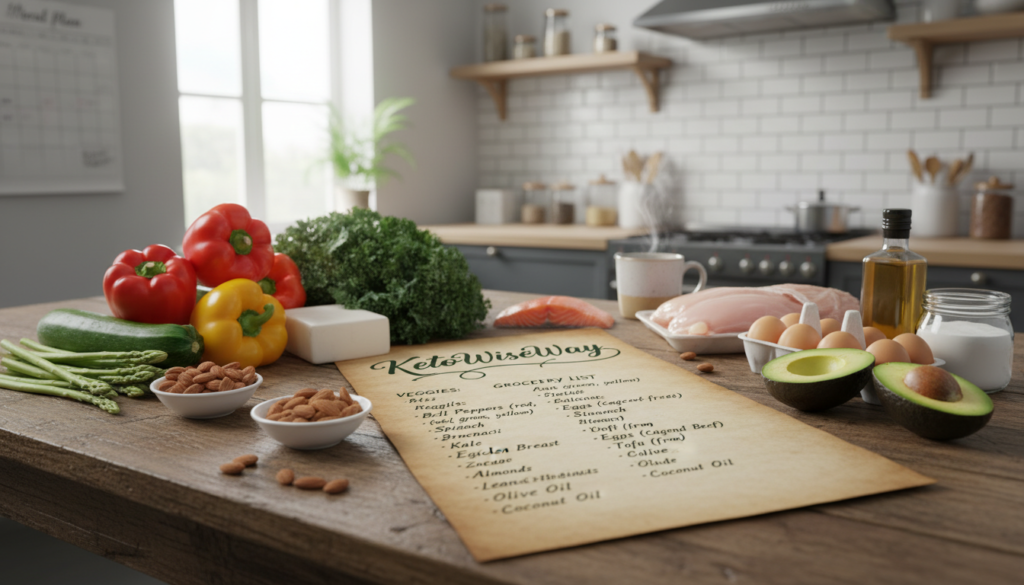
Imagine walking out of the grocery store with a week’s worth of keto-friendly food for under fifty dollars. This section makes that vision a concrete reality. It’s where all the previous strategies—planning, shopping, and prepping—snap together into one actionable plan.
Think of this as your blueprint. It proves the financial goal is not only possible but practical. You’ll see exactly where your money goes and how to make it work for your health.
Breaking Down the Weekly Budget Allocation
A smart budget allocates funds to nutritional categories, not just a random list. This creates balance and ensures you get what you need. For a fifty-dollar framework, a simple breakdown works wonders.
Here is a powerful way to split your weekly spending:
- $25 for Proteins: This is your anchor. It covers eggs, chicken thighs, and ground beef.
- $15 for Vegetables and Fats: This buys frozen broccoli, cauliflower, butter, and cooking oils.
- $10 for Dairy and Other: This secures a block of cheese and perhaps some cream or lettuce.
This allocation prioritizes satiating proteins and nutrient-dense plants. The fats keep you full and fuel your day. It’s a balanced approach to low carb eating.
A Sample $50 Shopping List (Based on U.S. Prices)
Below is a specific list built on the allocation above. Prices are national averages and will vary by region and store. This assumes you have basics like salt, pepper, and some oil already.
Use this as a starting point, not a rigid command. The goal is to show how the numbers add up.
| Item | Quantity | Estimated Price | Category |
|---|---|---|---|
| Large Eggs | 1 dozen | $2.00 | Protein |
| Chicken Thighs (bone-in, skin-on) | 3 lbs | $6.00 | Protein |
| 80/20 Ground Beef | 2 lbs | $8.00 | Protein |
| Frozen Broccoli & Cauliflower Mix | 2 lbs | $4.00 | Vegetable |
| Butter | 1 lb | $3.00 | Fat |
| Avocado Oil or Olive Oil | 1 bottle (16 oz) | $5.00 | Fat |
| Block of Cheddar Cheese | 8 oz | $4.00 | Dairy |
| Romaine Lettuce Head | 1 head | $2.00 | Vegetable |
| Heavy Cream (optional) | 1 pint | $3.00 | Dairy |
| Estimated Total | $48.00 | ||
This list provides the core for a week of meals. It aligns with a plan costing roughly five dollars per day. You can scale it up or down from there.
The real magic is in the versatility. These few food items can become breakfast scrambles, hearty salads, stir-fries, and more. Your grocery haul supports your goals without stress.
Adapting the Plan for Your Calorie and Taste Preferences
Your body and tastes are unique. This framework is designed to flex. The core principle is building meals around affordable staples.
Need more calories? Easily scale up. Add more butter, oil, or cheese to your meals. These healthy fats increase energy without a high cost.
Don’t like an item? Swap it. If you’re not a fan of ground beef, use the money for more chicken or canned tuna. Choose a sale item with similar protein and fat content.
Adjusting for weight management is simple too. For loss, watch portion sizes and added fats. For maintenance, be more liberal with those extra tablespoons of oil or cheese.
Use this sample as “training wheels” for your first week. It removes the guesswork. After that, customize it based on what works for you and what’s on sale.
Remember, the exact dollar amount is less important than the method. Internalize the strategy of prioritizing proteins, using frozen veggies, and cooking with whole fats. That’s how you consistently save money.
For more nuanced strategies to refine your approach, explore these expert keto tips for effective living.
Now you have a clear framework. Take this list, hit the store, and experience the satisfaction of a low carb shopping trip that empowers your health and your wallet. Your journey is fully mapped out.
Advanced Money-Saving Hacks for the Committed Keto Dieter
For those deeply committed to the low-carb lifestyle, advanced savings strategies await. You’ve mastered the basics of planning and shopping. Now, it’s time to optimize your spending for long-term gains.
These hacks require a bit more upfront investment or effort. The payoff is dramatically lower food costs over months and years. Think of this as leveling up your financial game.
Buying Meat in Bulk or Through a Meat Share
One of the smartest moves for dedicated followers is buying meat in large quantities. This goes beyond a family pack at the store. Consider joining a local meat share or purchasing a quarter, half, or whole animal directly from a farm.
This model offers a freezer full of varied cuts at a significantly lower price per pound. You might get everything from ground beef to roasts and steaks. The cost often drops to around $3 per meal.
You need adequate freezer space for this approach. A chest freezer is a worthwhile investment if you have room. It pays for itself by enabling these bulk purchases.
Skip Organic and Grass-Fed (For Now)
Premium labels like organic, grass-fed, and free-range come with a high cost. For someone mastering this diet on a budget, they are optional.
It’s a strategic choice to skip them initially. Focus on the foundational macros first—getting enough fat and protein from whole food. Your health journey doesn’t require the most expensive products from day one.
Once your routine is solid and your budget allows, you can revisit these upgrades. The core principle is to keep your diet sustainable and affordable.
Buying Nuts, Seeds, and Almond Flour in Bulk
Pantry staples for a low carb plan can add up quickly. The solution is to buy bulk for shelf-stable items. This drastically lowers the per-ounce cost.
Look for large bags of almonds, walnuts, or sunflower seeds at warehouse clubs. A 3-pound bag of almonds from Costco is far cheaper per serving than small bags. The same goes for a 5-pound bag of almond flour or a gallon of olive oil.
Online retailers often have better bulk prices on specialty flours and oils than local stores. Compare options to save money.
Proper storage is key here. Transfer nuts and seeds to airtight containers or use a vacuum sealer. This prevents rancidity and protects your investment.
Reducing Food Waste Through Proper Storage
Wasted food is wasted money. Advanced practitioners minimize this loss with smart techniques. Proper storage can save an average household up to $1,500 per year.
For vegetables, blanch and freeze them before they spoil. Wilting greens can be “cooked up” into a soup or frittata immediately. This ensures every item is consumed.
For meat and fish, portion and wrap them tightly for the freezer. Always label and date packages. Use a first-in, first-out system.
Cheese lasts longer when stored in parchment paper inside a sealed container. These small habits add up to big savings over time.
| Bulk Purchase Item | Typical Bulk Size | Estimated Savings vs. Retail | Best Storage Method |
|---|---|---|---|
| Almonds/Walnuts | 3 lb bag | 40-50% | Airtight container in cool, dark place |
| Almond Flour | 5 lb bag | 30-40% | Vacuum seal & freeze in portions |
| Olive Oil | 1 gallon | 25-35% | Dark glass bottle, away from heat |
| Ground Beef (via share) | 50+ lbs | 50-60% per lb | Vacuum seal & freeze in meal-sized packs |
| Frozen Vegetables | 5 lb bag | 20-30% | Keep frozen in original packaging |
| Block Cheese | 5 lb block | 20-25% | Cut into chunks, wrap in parchment, freeze |
These advanced hacks are investments in both your financial and physical well-being. They build a resilient, cost-effective kitchen for the long haul.
You’re not just saving dollars today. You’re creating a system that supports your keto lifestyle sustainably. Your commitment pays off in lasting health and wealth.
Conclusion: Your Journey to Affordable Keto Starts Now
Armed with practical strategies, you’re ready to make low-carb living work for your wallet. Remember, this diet is possible and empowering. You’ve learned to debunk myths, plan smartly, shop savvy, and prep meals efficiently.
Your first step is simple. Calculate your macros or write that shopping list. Initial effort becomes second nature quickly. It yields both financial and health rewards fast.
Shift your perspective. You’re not just spending money on food. You’re investing in your body’s fuel and your long-term wellness. Low carb eating for less is absolutely achievable!
Be flexible and kind to yourself. The first week is a learning experience. Each iteration gets easier and more cost-effective over time.
You now have the knowledge and a clear way forward. Congratulations on taking control. Head to the kitchen or store today and begin your affordable keto journey with confidence.