Are you tired of trying various diets that promise quick results but fail to deliver? Can a drastic change in your eating habits be the key to unlocking your weight loss potential? The ketogenic diet has gained popularity for its effectiveness in weight loss and improving overall health.
The ketogenic diet is a high-fat, moderate-protein, and low-carb diet that pushes the body to burn fat instead of relying on sugar for energy. By drastically reducing carbohydrate intake and increasing fat consumption, the body is induced into a metabolic state called ketosis.
This metabolic shift enables the body to burn fat for energy, leading to significant weight loss. In this article, we will guide you through the process of adopting the ketogenic diet for weight loss, debunk common myths, and provide tips for success.
Key Takeaways
- Understanding the basics of the ketogenic diet and its benefits
- Learning how to induce ketosis for effective weight loss
- Discovering tips for successfully adopting the ketogenic diet
- Debunking common myths surrounding the ketogenic diet
- Achieving significant weight loss through the ketogenic diet
Understanding the Ketogenic Diet
As I explored the ketogenic diet, I discovered its unique ability to promote weight loss and enhance mental clarity. The ketogenic diet is a dietary plan that focuses on putting the body into a state of ketosis, where it burns fat for energy instead of carbohydrates.
What is Ketosis?
Ketosis is a metabolic state achieved by following a strict macronutrient breakdown: 70% fat, 20% protein, and 10% carbs. When the body’s carbohydrate stores are low, it begins to break down fat into molecules called ketones, which are then used as energy.
Benefits of the Ketogenic Diet
The ketogenic diet offers several benefits, including significant weight loss, improved blood sugar control, and enhanced mental clarity. By understanding the science behind ketosis, individuals can better appreciate the diet’s potential benefits.
| Benefit | Description |
|---|---|
| Weight Loss | The keto diet helps in reducing body weight by burning fat for energy. |
| Improved Blood Sugar Control | The diet can help regulate blood sugar levels, benefiting individuals with diabetes. |
| Enhanced Mental Clarity | Many individuals report improved mental clarity and focus when following a keto diet. |
By adopting a ketogenic lifestyle, individuals can experience these benefits firsthand. It’s essential to be aware of the diet’s requirements and potential outcomes to make informed decisions.
How to Start the Ketogenic Diet
Embarking on a ketogenic diet requires careful planning and preparation to ensure a successful weight loss journey. To achieve your weight loss goals on the keto diet, it’s essential to lay the groundwork correctly.
Preparing Your Kitchen
The first step in starting your keto diet plan is to prepare your kitchen. This involves clearing out non-keto foods and making room for keto-friendly ingredients.
- Remove high-carb foods like bread, pasta, and sugary snacks.
- Stock up on healthy fats, proteins, and low-carb vegetables.
By doing so, you’ll create an environment that supports your dietary goals and reduces the temptation to stray from your keto path.
Grocery List Essentials
To maintain a successful keto diet, it’s crucial to have a well-stocked pantry. Here are some essentials to include on your grocery list:
- Healthy fats: avocado, olive oil, and coconut oil.
- Protein sources: eggs, fish, poultry, and beef.
- Low-carb vegetables: spinach, broccoli, and cauliflower.
- Keto-friendly snacks: nuts, seeds, and cheese.
Having these items on hand will make it easier to stick to your keto diet plan and achieve your weight loss goals.
Setting Realistic Goals
Setting realistic goals is vital when starting a keto diet. This includes understanding that weight loss takes time and being patient with your progress.
To set achievable goals, consider the following:
- Define your weight loss target and create a timeline.
- Track your progress through a food journal or mobile app.
- Celebrate small victories along the way to stay motivated.
By setting realistic goals and tracking your progress, you’ll be more likely to stay on track and successfully lose weight on the ketogenic diet.
Tracking My Keto Progress
As I embarked on my keto journey, I realized the importance of tracking my progress to achieve my weight loss goals. Monitoring my daily food intake and macronutrient ratios has been instrumental in helping me stay on track and make necessary adjustments.
Tracking progress is crucial because it allows me to identify patterns, manage challenges, and celebrate my successes. By keeping a record of my daily food intake, I can ensure that I’m meeting my dietary requirements and making progress towards my weight loss objectives.
The Importance of Food Journals
Keeping a food journal has been a valuable tool in my keto journey. It helps me record my daily food intake, track my macronutrient ratios, and monitor my weight loss progress. By doing so, I can identify what works and what doesn’t, making it easier to adjust my diet accordingly.
“The key to success on the keto diet is tracking your progress. By monitoring your food intake and macronutrient ratios, you can make informed decisions about your diet and achieve your weight loss goals.”
Using a food journal also helps me stay accountable and motivated. It allows me to reflect on my progress, identify areas for improvement, and make changes to optimize my results.
Apps and Tools for Monitoring
In addition to keeping a food journal, I’ve found that using mobile apps and online tools can be incredibly helpful in monitoring my keto progress. Apps like MyFitnessPal and Cron-o-meter allow me to track my daily food intake and macronutrient ratios with ease.
These tools provide valuable insights into my progress, helping me identify areas where I need to make adjustments. By combining these tools with my food journal, I can get a comprehensive picture of my progress and make data-driven decisions to optimize my results.
Some other useful tools I’ve discovered include keto calculators, meal planning apps, and online communities. These resources have been invaluable in helping me stay on track and achieve my weight loss goals.
- MyFitnessPal: A calorie tracking app that allows me to monitor my daily food intake.
- Cron-o-meter: A nutrition tracking app that provides detailed insights into my macronutrient ratios.
- Keto calculators: Online tools that help me determine my daily macronutrient needs.
Meal Planning for Keto Success
Effective meal planning is crucial for achieving success on the ketogenic diet. By planning your meals, you can ensure you’re staying within your dietary guidelines and achieving your weight loss goals.
Breakfast Ideas
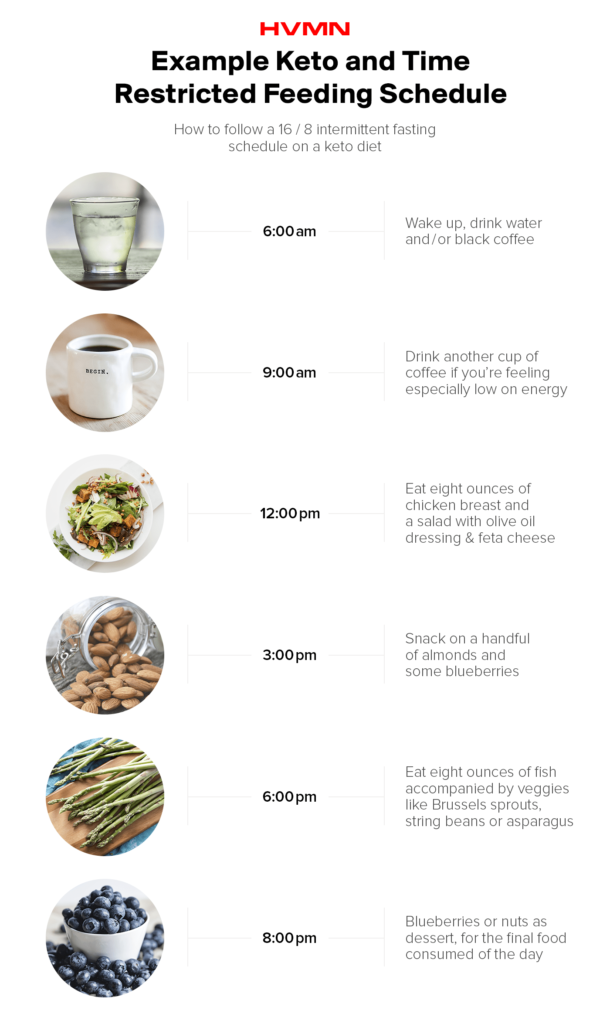
Starting your day with a keto-friendly breakfast sets the tone for a successful day. Some delicious options include scrambled eggs with spinach and avocado. You can also consider keto pancakes made with almond flour or a keto smoothie bowl with coconut milk and berries.
- Keto coffee with coconut oil
- Spinach and feta omelette
- Low-carb breakfast burrito with avocado and bacon
Lunch and Dinner Options
For lunch and dinner, focus on whole foods like meats, fish, and vegetables. Grilled chicken salads with olive oil and vinegar dressing make for a great lunch. For dinner, consider baked salmon with cauliflower rice or a hearty beef stew with low-carb vegetables.

- Grilled steak with roasted broccoli
- Zucchini noodles with meatballs
- Keto Cobb salad with grilled chicken and avocado
Snacks and Treats
Even with a restrictive diet like keto, there are plenty of snack and treat options. Reach for handfuls of nuts and seeds, or enjoy a piece of dark chocolate. You can also make keto fat bombs with coconut oil and cream cheese.
- Keto fat bombs
- Cheese sticks
- Low-carb protein bars
By incorporating these meal planning strategies into your keto lifestyle, you’ll be better equipped to achieve your weight loss goals and maintain overall health.
Overcoming Common Challenges
Adopting a ketogenic lifestyle means confronting and overcoming common challenges. As I navigated my keto journey, I encountered several hurdles that tested my resolve, but with the right strategies, I was able to overcome them.
Dealing with Keto Flu
The keto flu is a condition that some people experience when transitioning to a ketogenic diet, characterized by symptoms like headache, fatigue, and nausea. To alleviate these symptoms, it’s crucial to stay hydrated and increase salt intake.
- Stay Hydrated: Drinking plenty of water helps in reducing the severity of keto flu symptoms.
- Increase Salt Intake: The keto diet can lead to a loss of electrolytes, so supplementing with salt or electrolyte-rich beverages can help.
- Rest: Getting enough rest is vital as it helps your body adjust to the new diet.
Social Situations and Eating Out
Navigating social situations and eating out can be challenging on the keto diet, but with some planning, it’s manageable. Here are some tips:
- Plan Ahead: Before attending a social gathering, eat a keto-friendly meal to avoid temptation.
- Research Menus: When eating out, look up the menu beforehand to identify keto-friendly options.
- Be Confident: Don’t be afraid to ask for modifications to your meal to fit your dietary needs.
By being prepared and staying committed, you can overcome the common challenges associated with the keto diet and achieve your weight loss goals.
Increasing My Keto Efficiency
To maximize the benefits of the ketogenic diet, I focused on two key areas: exercise and hydration. By combining these elements, I was able to enhance my weight loss and overall health.
Incorporating Exercise
Regular physical activity played a crucial role in my keto journey. Exercise not only accelerated my weight loss but also improved my overall well-being. I found that a mix of cardio and strength training exercises worked best for me.
Benefits of Exercise on Keto:
- Enhanced fat burning
- Increased energy levels
- Improved mental clarity
| Exercise Type | Frequency | Benefits |
|---|---|---|
| Cardio | 3 times a week | Improved heart health, increased calorie burn |
| Strength Training | 2 times a week | Muscle preservation, boosted metabolism |
Importance of Hydration
Staying hydrated was equally important as it helped my body function optimally. Adequate hydration reduced the risk of dehydration, a common side effect of the keto diet.
Tips for Staying Hydrated:
- Drink at least 8 glasses of water a day
- Monitor your urine output and color
- Consider increasing your salt intake to help retain water
By incorporating regular exercise and staying hydrated, I was able to increase my keto efficiency and achieve my weight loss goals more effectively.
Adapting the Keto Lifestyle
As I continue on my keto journey, I’ve come to realize the importance of adapting to a keto lifestyle for long-term success. This involves making significant changes to my daily habits and being mindful of my food choices to maintain a state of ketosis.
Long-term Sustainability
Long-term sustainability on the keto diet requires a commitment to understanding and managing my nutritional needs. It’s not just about cutting carbs, but also about ensuring I get the right balance of fats and proteins. I’ve found that tracking my macros and being mindful of my food choices helps me stay on track.
Some key strategies for long-term sustainability include:
- Planning my meals in advance to avoid last-minute, high-carb choices
- Staying hydrated by drinking plenty of water
- Incorporating physical activity into my daily routine
Expanding My Keto Recipe Collection
One of the challenges of maintaining a keto lifestyle is avoiding boredom with the same old recipes. To combat this, I’ve been experimenting with new keto-friendly ingredients and cooking techniques. I’ve discovered that cauliflower is a versatile ingredient that can be used in a variety of dishes, from pizza crusts to mashed “potatoes.”
- Zucchini noodles with meatballs
- Keto coffee with coconut oil and cream
- Bacon-wrapped chicken breasts
By continually expanding my keto recipe collection and staying committed to my keto diet plan, I’ve been able to achieve keto weight loss success stories that have transformed my life.
Debunking Keto Myths
The ketogenic diet has been surrounded by numerous myths that can deter individuals from adopting this effective weight loss strategy. As someone who has personally benefited from the keto lifestyle, I’m here to set the record straight on some common misconceptions.
The Myth of Nutrient Deficiency
One of the most prevalent myths about the keto diet is that it leads to nutrient deficiency. While it’s true that the keto diet restricts certain food groups, a well-planned ketogenic diet can provide all the necessary nutrients for optimal health. By focusing on whole, nutrient-dense foods, individuals can ensure they’re getting enough vitamins and minerals.
For example, leafy greens like spinach and kale are rich in vitamins A, C, and K, as well as minerals like calcium and iron. Fatty fish, such as salmon, are excellent sources of omega-3 fatty acids and vitamin D. Nuts and seeds provide healthy fats, protein, and fiber. By incorporating these foods into a keto meal plan, individuals can avoid nutrient deficiencies.

Keto and Heart Health
Another common myth is that the keto diet negatively impacts heart health due to its high fat content. However, research has shown that the keto diet can actually improve heart health by increasing HDL (good) cholesterol and reducing triglycerides.
A study published in the Journal of the American Heart Association found that a ketogenic diet improved cardiovascular risk factors in obese individuals. The diet has also been shown to lower blood pressure and improve overall cardiovascular health.
To reap the heart-healthy benefits of the keto diet, it’s essential to focus on healthy fats like avocados, olive oil, and fatty fish. Avoiding processed meats and foods high in saturated fats is also crucial.
By understanding the facts behind these common myths, individuals can make informed decisions about adopting a ketogenic lifestyle. With proper planning and a focus on whole, nutrient-dense foods, the keto diet can be a safe and effective way to achieve weight loss and improve overall health.
The Role of Macros in Keto
The ketogenic diet’s effectiveness hinges on understanding and managing macronutrient intake. To achieve and maintain ketosis, it’s crucial to balance the intake of fats, proteins, and carbohydrates.
Understanding Macros
Macronutrients, or “macros,” are the three main categories of nutrients that provide energy to the body: fats, proteins, and carbohydrates. On the keto diet, the goal is to drastically reduce carbohydrate intake, moderate protein consumption, and increase fat intake to induce a metabolic state called ketosis.
Fats are the primary source of energy on the keto diet, making up about 70-80% of daily caloric intake. Proteins are important for maintaining muscle mass and should constitute about 15-20% of daily calories. Carbohydrates are limited to 5-10% of daily calories, as they can prevent the body from entering ketosis.
Tracking Macronutrient Ratios
To ensure you’re meeting your keto macros, tracking your daily intake is essential. There are various apps and tools available that can help you log your food and calculate your macronutrient ratios.
Here’s a simple table to illustrate a sample daily keto macronutrient breakdown:
| Macronutrient | Percentage of Daily Calories | Sample Daily Intake (2000 calories) |
|---|---|---|
| Fats | 75% | 167g |
| Proteins | 20% | 100g |
| Carbohydrates | 5% | 25g |
By understanding and tracking your macronutrient ratios, you can optimize your keto diet plan and achieve your weight loss goals on the ketogenic diet.
Celebrating Non-Scale Victories
The keto diet offers numerous benefits beyond weight loss, transforming overall health and well-being. As I continued on my keto journey, I began to appreciate the various non-scale victories that significantly impacted my quality of life.
Measuring Success Beyond Weight
Success on the keto diet isn’t just about the number on the scale; it’s about how your body feels and functions. Improved energy levels, enhanced mental clarity, and better overall health are significant indicators of success. To measure these victories, I started tracking my progress through a combination of journaling and using health monitoring apps.
Some key non-scale victories to look out for include:
- Increased energy and reduced fatigue
- Improved mental clarity and focus
- Better digestion and reduced bloating
- Enhanced physical performance
Recognizing Lifestyle Changes
As I adapted to the keto lifestyle, I noticed significant lifestyle changes that weren’t directly related to weight loss but were equally rewarding. These changes included a more mindful approach to eating, improved hydration, and a more consistent exercise routine.
| Lifestyle Change | Benefit |
|---|---|
| Mindful Eating | Reduced cravings for unhealthy foods |
| Improved Hydration | Better skin health and reduced headaches |
| Consistent Exercise | Enhanced physical fitness and mental well-being |
Recognizing these changes helped me stay motivated and committed to my keto journey. It’s essential to celebrate these victories, no matter how small they may seem, as they contribute to a more fulfilling and healthy lifestyle.
Celebrating non-scale victories on the keto diet is about acknowledging and appreciating the broader impact it has on your health and well-being. By focusing on these achievements, you can maintain a positive and motivated mindset throughout your journey.
Fine-tuning My Keto Journey
As I continue on my keto journey, I’ve learned the importance of fine-tuning my diet for optimal results. Periodically reassessing my diet and experimenting with different approaches has been crucial in achieving my weight loss goals.
When to Reassess My Diet
It’s essential to know when to reassess your keto diet to ensure you’re on track to meet your goals. Here are some signs that it’s time to make adjustments:
- Weight loss has stalled despite consistent diet and exercise.
- You’re experiencing persistent fatigue or other negative side effects.
- Your food journal reveals patterns that could be optimized.
By regularly reviewing my progress and making necessary adjustments, I can overcome challenges and continue making progress on my keto journey.
Experimenting with Cyclical Keto
Cyclical keto involves alternating between periods of keto dieting and higher carb intake. This approach can be beneficial for some individuals, offering more flexibility and potentially improving overall health.
Some benefits of cyclical keto include:
- Increased flexibility: Alternating between keto and higher carb diets can make it easier to stick to your overall dietary plan.
- Improved athletic performance: Periodically increasing carb intake can help improve performance during intense workouts.
- Enhanced mental clarity: Some people find that cycling in and out of keto helps maintain mental clarity and focus.
When considering cyclical keto, it’s crucial to plan carefully and monitor your body’s response to the changes. This may involve tracking your macros more closely and being mindful of how your body reacts to the dietary shifts.
By fine-tuning my keto approach and being open to experimenting with different methods like cyclical keto, I can optimize my weight loss and overall health. Whether you’re just starting out or have been on the keto diet for a while, staying flexible and informed is key to achieving your goals.
Resources and Support for Keto
Embarking on a keto weight loss journey can be challenging, but having the right resources and support makes all the difference. As I’ve navigated the ketogenic diet for weight loss, I’ve found that connecting with others and accessing reliable information is crucial for long-term success.
Connecting with Online Communities
Online forums and communities are invaluable for sharing experiences, advice, and motivation. Websites like Reddit’s r/keto community offer a wealth of information and support from individuals who have successfully adopted the ketogenic diet for weight loss.
Recommended Literature
For those seeking in-depth guidance, several books and guides are highly recommended. “The Keto Diet” by Leanne Vogel and “Keto Comfort Foods” by Maria Emmerich are excellent resources that provide recipes and tips for maintaining a keto lifestyle.
By leveraging these resources and support systems, individuals can stay on track with their keto weight loss goals and enjoy the benefits of a well-implemented ketogenic diet for weight loss.