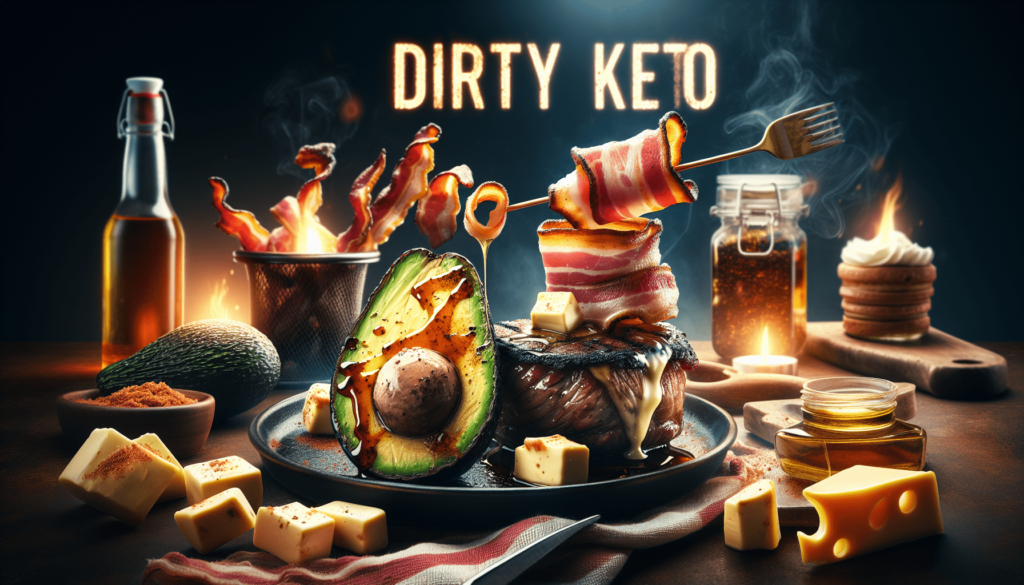
What if everything you thought you knew about fat was wrong?
For years, this essential macronutrient got a bad reputation. Many people still fear it, thinking it will harm their heart or make them gain weight. But the truth is, your body needs fats to thrive.
Not all fats are created equal. Knowing the different types is the first step to better health. Some support your energy levels and hormone production. Others protect your vital organs.
This dietary knowledge helps you make smarter food choices. You’ll learn which foods to love and which to limit. We’ll cut through the confusion and outdated myths together.
Your journey to understanding this crucial part of your diet starts right here. Let’s unlock the power of good fats for your body and overall well-being.
Key Takeaways
- Fat is an essential macronutrient, not something to fear or avoid completely.
- Your body needs fat for long-lasting energy, hormone production, and organ protection.
- There are different types of dietary fats: unsaturated, saturated, and trans.
- Fats help your body absorb crucial fat-soluble vitamins like A, D, E, and K.
- Choosing the right fats can support heart health and overall wellness.
- Informed choices at the grocery store are key to a balanced diet.
- Moving beyond old myths allows you to enjoy food and feel your best.
Why You Shouldn’t Fear Fat Anymore
It’s time to update your nutritional software: the ‘fat makes you fat’ program is officially obsolete.
Modern science has flipped the script. Consuming dietary fat does not directly translate to gaining body fat. In fact, these nutrients are essential for your body to perform at its best.
They help you feel satisfied after a meal. Fats are the last nutrient to leave your digestive tract.
This provides a slow, steady stream of energy. It also tells your brain you’re full, which can curb overeating.
One of the most critical jobs of fat is vitamin absorption. Vitamins A, D, E, and K are “fat-soluble.”
Your body can only absorb and use them when you eat them with fats. A truly fat-free lifestyle risks serious deficiencies.
“Without adequate dietary fat, we miss out on the profound benefits of these crucial vitamins, which support everything from vision and bones to skin and immune function.”
That’s not all. Fats are building blocks for hormones and every cell in your body.
They help regulate your temperature. They even support a robust immune system.
| Approach | Potential Impact on Your Health |
|---|---|
| Severely Fat-Restricted Diet | Risk of vitamin deficiencies, low energy, constant hunger, hormonal imbalances, and poor cell function. |
| Balanced Diet with Healthy Fats | Better vitamin absorption, sustained energy, stable mood, strong cells, regulated temperature, and supported immunity. |
The narrative has changed for good. Including the right foods with good fats is now seen as a cornerstone of a smart diet.
Your body is designed to use fat for fuel. This principle is central to the ketogenic diet and its many health benefits.
Embrace the benefits. Choosing nourishing sources of fatty acids supports your overall well-being and heart health.
It’s not something to fear. It’s something to celebrate.
Understanding the Ultimate Guide to Healthy Fats: What to Eat vs. What to Avoid
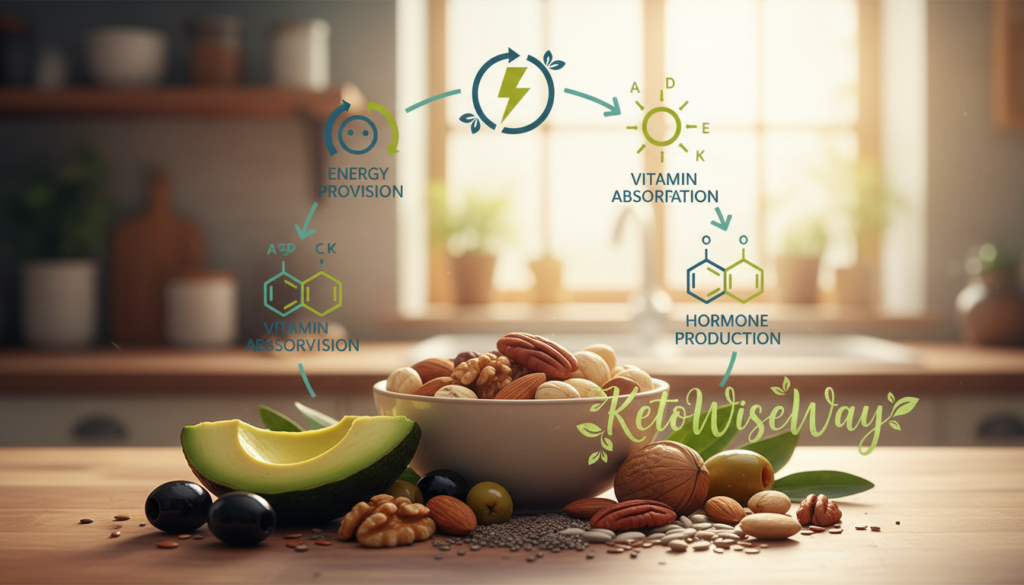
Beyond just calories, fats perform essential jobs that keep you alive and well. This part of the guide explains the indispensable roles they play inside you.
Knowing these core functions transforms how you view your plate. It moves fat from a feared nutrient to a celebrated partner for your health.
The Core Functions of Dietary Fat in Your Body
Dietary fat acts as a delivery vehicle. It brings fatty acids that your body cannot make on its own.
When you eat foods containing fat, your digestive system gets to work. It breaks these large molecules into smaller fatty acids for absorption.
Your cells then use these building blocks in countless ways. They are crucial for creating hormones that regulate your mood and metabolism.
These acids also form the protective sheaths around your nerves. This allows for proper communication between your brain and the rest of your body.
Every single cell membrane needs fat for structure and flexibility. Without it, cells couldn’t function properly.
“Essential fatty acids are like the raw materials for a factory. Your body uses them to build, repair, and maintain its most critical systems.”
What happens if your diet is too low in fat? You risk several negative health consequences.
- Poor vision can develop from a lack of vitamin A.
- Weakened bones may occur without enough vitamin D.
- Blood clotting issues are linked to vitamin K deficiency.
- Compromised skin health often results from low vitamin E.
These problems highlight why dietary fat is non-negotiable. Choosing the right types directly supports your overall wellness.
How Fats Help You Absorb Crucial Vitamins
Some of the most important vitamins are fat-soluble. This includes vitamins A, D, E, and K.
Your body can only absorb and store them when you consume them with fats. Think of fat as the key that unlocks their benefits.
Without adequate dietary fat, these vitamins pass through your system unused. This can lead to deficiencies even if you eat plenty of fruits and vegetables.
Vitamin A supports good vision and immune function. Vitamin D is vital for bone strength and heart health.
Vitamin E acts as a powerful antioxidant for your cells. Vitamin K is essential for proper blood clotting and bone metabolism.
Including a source of healthy fat with your meals ensures you get the full value from your food. It’s a simple strategy with profound effects.
Understanding this delivery system solidifies fat’s role in your nutrition. It’s not an optional extra; it’s a fundamental part of eating well.
The Great Fat Breakdown: Unsaturated, Saturated, and Trans
Let’s cut through the chemistry and get practical. How fats behave in your kitchen matters for your health.
All dietary fats belong to one of three families. Think of them as characters in a nutritional story.
Unsaturated fats are the clear heroes. They support your heart and overall wellness.
Saturated fats are the nuanced characters. Their role is more complex and debated by scientists.
Trans fats are the outright villains. They offer no benefit and pose real risks for chronic disease.
This classification isn’t random. It’s based on their molecular structure.
“Saturated” means the fat molecule is full of hydrogen atoms. It’s stable and rigid.
“Unsaturated” means it has missing hydrogen spots. This creates kinks, making it more flexible.
These tiny structural differences change how the fat acts in your body and in your pantry.
Spotting Fats by Form: Solid vs. Liquid at Room Temperature
Here’s a simple kitchen trick you can use today. Look at the fat’s physical state on your counter.
Is it solid or liquid at room temperature? This quick test reveals its saturation level.
Saturated fats are typically solid when left out. Their straight, packed molecules stack easily.
Think of butter, lard, or the fat in a steak. Coconut oil is a unique plant-based example that’s also solid.
Unsaturated fats are usually liquid at room temperature. Their kinked molecules don’t pack tightly.
Olive oil, avocado oil, and nut oils are perfect examples. They stay pourable.
This form clue helps you make smarter choices. It’s a visual guide to the fat’s general health profile.
| Type of Fat | Form at Room Temperature | Common Food Sources | General Health Impact |
|---|---|---|---|
| Unsaturated Fats | Liquid | Olive oil, avocados, nuts, seeds, fatty fish | Considered heart-healthy. Can help improve cholesterol levels. |
| Saturated Fats | Solid | Butter, red meat, cheese, coconut oil, palm oil | Nuanced. Excessive intake may raise LDL (“bad”) cholesterol for some people. |
| Artificial Trans Fats | Solid (Artificially) | Some fried foods, shortening, certain packaged snacks* | Harmful. Raises LDL cholesterol and lowers HDL (“good”) cholesterol. |
*Due to labeling laws, trans fats under 0.5g per serving can be listed as 0g. Check for “partially hydrogenated oils” in ingredients.
Why does this solid vs. liquid rule matter? It connects directly to your cholesterol.
Fats that are solid at room temperature tend to be more solid in your bloodstream too. This can affect plaque buildup.
Liquid fats generally flow more easily. They support flexible cell membranes and healthy arteries.
Artificial trans fats break the natural pattern. They are created by pumping hydrogen into liquid vegetable oils.
This process, called partial hydrogenation, makes them solid and shelf-stable. It also makes them dangerous.
You might find these hidden in certain baked goods and fried foods. We’ll explore their hiding spots in detail later.
Understanding these types gives you power. You can see your plate and your pantry in a new light.
Next, we’ll dive into the heroes: unsaturated fatty acids. You’ll discover the best food sources to add to your cart.
Your Heart’s Best Friends: Unsaturated Fats
Imagine a type of fat that not only fuels your body but also defends your heart. That’s exactly what unsaturated fats do. These healthy fats are celebrated for their positive impact on heart health.
They actively improve your cholesterol profile. Polyunsaturated fats can decrease bad LDL cholesterol while raising good HDL cholesterol. Monounsaturated fats also lower LDL while maintaining your HDL levels.
This dual action helps keep arteries clear. It significantly reduces your risk for cardiovascular disease. Including these fats found in your dietary pattern is a smart move.
Monounsaturated Fats (MUFAs): The Mediterranean Star
Monounsaturated fats are famous for their role in the Mediterranean diet. This eating pattern is linked to longevity and robust heart health. The star ingredient is often olive oil.
These fatty acids are simple in structure but powerful in effect. Research shows they reduce risks associated with cardiovascular disease. They do this by targeting your cholesterol.
MUFAs lower the “bad” LDL without harming the “good” HDL. This balance is crucial for arterial health. Your body also finds them easy to use for energy.
“The consistent presence of monounsaturated fats, particularly from extra virgin olive oil, is a cornerstone of the Mediterranean diet’s proven benefits for heart and metabolic health.”
Where can you get them? Look for these common sources:
- Extra virgin olive oil and olives
- Avocados and avocado oil
- Nuts like almonds, cashews, and pecans
- Seeds such as pumpkin and sesame seeds
Adding these foods to meals is simple. Drizzle olive oil on salads. Snack on a handful of nuts.
Polyunsaturated Fats (PUFAs) & Essential Fatty Acids
Polyunsaturated fats are the other major type of unsaturated fats. They include fatty acids your body cannot make. You must get them from food.
The two key families are omega-3 and omega-6 fatty acids. Both are essential for good health. They play different roles in your body.
Omega-3 acids are known for fighting inflammation. They support brain function and heart health. Omega-6 fatty acids are also needed in proper balance.
Where are these fats found? Omega-3 sources are vital to know.
- Oily fish like salmon, sardines, and tuna
- Oils including canola and walnut oil
- Plant sources like soybeans, chia seeds, and flaxseeds
Omega-6 fatty acids are abundant in many diets. Common sources include peanut oil, soybean oil, and corn oil. Sunflower oil is another source.
The health benefits of polyunsaturated fats are strong. They help lower chronic disease risk. They keep your cell membranes flexible.
Top Food Sources of Unsaturated Fats to Add to Your Cart
Ready to shop? This list makes choosing healthy fats easy. Focus on whole foods and quality oils.
Here is a concrete guide to the best sources. It combines both monounsaturated fats and polyunsaturated fats.
| Type of Fat | Top Food Sources | Key Nutrients & Benefits |
|---|---|---|
| Monounsaturated Fats (MUFAs) | Extra virgin olive oil, avocados, almonds, cashews, peanut butter, sesame seeds | Supports heart health, lowers LDL cholesterol, provides vitamin E and antioxidants. |
| Polyunsaturated Fats – Omega-3 | Fatty fish (salmon, mackerel, trout), flaxseeds, walnuts, chia seeds, canola oil | Reduces inflammation, supports brain health, essential for body functions. |
| Polyunsaturated Fats – Omega-6 | Sunflower oil, soybean oil, corn oil, peanut oil, many nuts and seeds | Provides essential fatty acids, supports skin health, used for energy. |
Keep this table handy for your next grocery trip. Choose a variety of items from each category.
Try canola oil for high-heat cooking. Use sunflower oil for baking. Enjoy a piece of grilled salmon twice a week.
These small changes add up. They deliver the powerful benefits of unsaturated fats directly to your plate. Your heart will thank you.
Saturated Fats: Navigating the Nuances
Understanding saturated fats requires moving beyond simple ‘good’ or ‘bad’ labels. This type of dietary fat is surrounded by debate and changing science.
Your goal isn’t to eliminate them completely. It’s to learn how they fit into a balanced eating pattern. Smart choices depend on context, quantity, and quality.
Official Recommendations vs. Evolving Science
Official guidelines provide a starting point. The Dietary Guidelines for Americans suggest getting less than 10% of your daily calories from saturated fat.
The American Heart Association sets a stricter goal of 5% to 6%. For a 2,000-calorie diet, that’s about 13 grams or less.
Why the caution? Saturated fats can influence your cholesterol. They are known to raise levels of LDL, often called “bad” cholesterol.
Newer research adds a twist. These fats also tend to increase HDL, the “good” cholesterol. This dual effect makes their net impact on heart health complex.
“The story isn’t just about cutting saturated fat. It’s about what you replace it with. Swapping it for refined carbohydrates like white bread or sugar may be worse for your risk of heart disease.”
This evolving science suggests a nuanced view. Blanket fear is not helpful. Focus on your overall dietary pattern instead.
Common Sources of Saturated Fat in the American Diet
You might be surprised where saturated fats hide. They add up quickly in combination foods that mix several ingredients.
In typical U.S. diets, major sources include sandwiches, burgers, tacos, and burritos. These meals usually combine meat and dairy products like cheese.
Pizza is another common contributor. Baked goods made with butter or shortening are packed with saturated fat.
Full-fat ice cream and other creamy desserts also load up your intake. It’s often the foods you don’t think about that contribute most.
Being aware of these sources is your first defense. You can then make conscious swaps or adjust portion sizes.
The Animal Diet Effect: Why Source Matters
Not all saturated fats are identical. The fatty acid profile in your food is shaped by what the animal ate.
This is a key insight for meat and dairy choices. Animals raised on pasture grass develop a different fat composition.
Grass-fed beef often has an “omega fat profile.” It contains more anti-inflammatory omega-3 fatty acids. It also tends to have less total saturated fat.
Grain-fed animals, in contrast, typically produce meat with a higher saturated fat content. The same principle applies to dairy from grass-fed cows.
Wild-caught fish like salmon boast a superb fat profile. Farm-raised versions may have less beneficial fats depending on their feed.
Choosing higher-quality sources is a powerful strategy. It upgrades the nutritional value of the fats you consume.
Navigating saturated fats is about smart choices. Look at the whole food, not just one nutrient.
Opt for leaner cuts of meat and enjoy dairy in moderation. Prioritize grass-fed and pasture-raised options when you can.
Balance these foods with plenty of plants and unsaturated fats. This approach supports your body and long-term health without strict deprivation.
Trans Fats: The One to Definitely Avoid
If there’s one fat you should never eat, it’s artificial trans fat. Health experts draw a clear line here. This type of dietary fat offers no benefit and poses serious risks.
You must actively and consistently avoid it. Its harmful effects on your heart are well-proven. Unlike other fats, there is no safe amount.
These fats are created through an industrial process. Hydrogen molecules are pumped into liquid vegetable oils. This is called partial hydrogenation.
The process turns the oil into a more solid fat. It gives processed foods a longer shelf life and a desirable texture. But it creates a dangerous fatty acid structure.
Your body does not recognize these artificial trans fats. They disrupt normal cell function and promote inflammation. The health consequences are stark.
Partially Hydrogenated Oils: Decoding the Label
The U.S. Food and Drug Administration (FDA) has banned artificial trans fats. However, a major loophole exists for consumers.
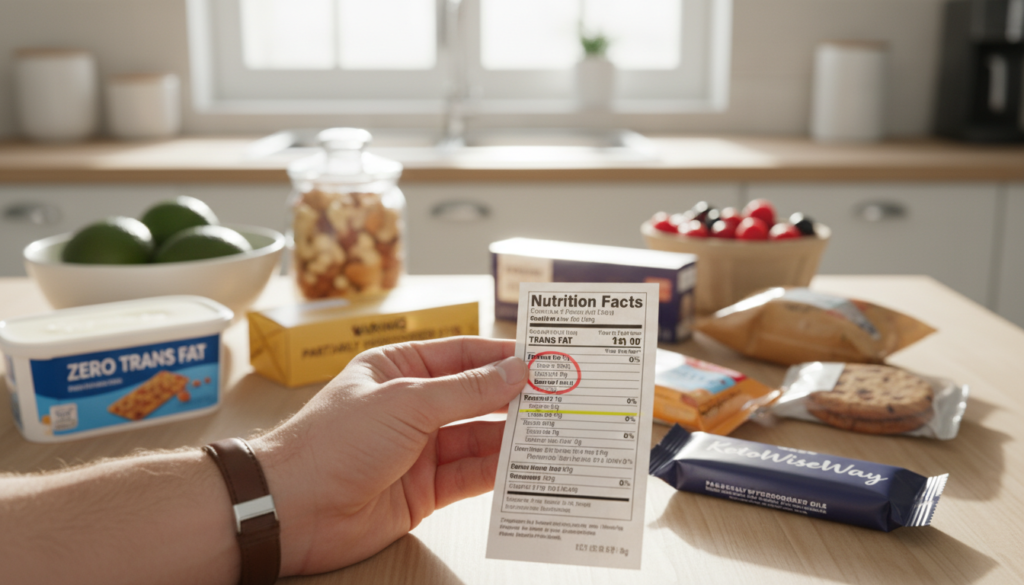
Current rules allow foods with less than 0.5 grams of trans fats per serving to be labeled as “0g trans fat” or “trans-fat free.” This small amount can add up if you eat multiple servings.
You must become a label detective. Do not just look at the Nutrition Facts panel for grams. Turn the package over and scan the ingredient list.
The words “partially hydrogenated” are your red flag. Any oil listed as hydrogenated or partially hydrogenated contains artificial trans fats. Avoid that product.
“Relying solely on the ‘0g trans fat’ claim is a common mistake. The only way to be sure is to check for partially hydrogenated oils in the ingredients,” explains a public health nutritionist.
This simple habit protects you. It ensures you are not unknowingly consuming this harmful type of fat.
Where Artificial Trans Fats Still Lurk
Despite the FDA ban, these fats can still be found in many processed foods. Older products or those from smaller bakeries might contain them.
They are often used in foods that need a solid, stable fat at room temperature. This gives baked goods a flaky texture and keeps fried foods crispy.
Be especially cautious with these common items:
- Margarines and certain vegetable shortening sticks
- Commercially fried food like french fries and doughnuts
- Packaged snacks including microwave popcorn and some crackers
- Ready-to-use frostings and canned biscuits
- Frozen pizzas and pie crusts
- Packaged cakes, cookies, and pastries
Always inspect the labels on these products. Choosing whole, unprocessed food is the safest strategy.
| Common Foods That May Hide Trans Fats | Healthier Swaps to Consider | Key Ingredient to Check For |
|---|---|---|
| Store-bought pie crusts & biscuit dough | Make your own with butter or olive oil | Partially hydrogenated lard or vegetable shortening |
| Frosting from a can | Whip up a simple glaze with powdered sugar and milk | Partially hydrogenated soybean or cottonseed oil |
| Microwave popcorn (butter flavor) | Air-pop your own kernels and add real butter | Partially hydrogenated oil |
| Some coffee creamers (powdered or liquid) | Use milk, cream, or a milk alternative | Partially hydrogenated vegetable oil |
| Packaged snack cakes & toaster pastries | Choose a piece of fruit or a handful of nuts | Partially hydrogenated oils in the filling or crust |
The health risks of consuming artificial trans fats are severe. They significantly raise your bad LDL cholesterol levels.
At the same time, they lower your good HDL cholesterol. This double hit is terrible for your cardiovascular system.
These fats also increase inflammation throughout your body. Chronic inflammation is linked to many diseases.
Regular intake heightens the risk of heart disease and type 2 diabetes. Avoiding them is one of the simplest and most powerful steps for your long-term health.
Your Practical Guide to Eating More Healthy Fats
Ready to make your meals work for your heart and health?
This part moves from theory to your kitchen. You will get simple, actionable steps. We focus on easy upgrades to your daily routine.
No major diet overhaul is needed. Small, smart swaps add up fast. They deliver the health benefits of good fats directly to your plate.
You will learn which cooking oils to use and when. Discover tasty snack and meal ideas. See how proven eating patterns naturally emphasize these nutrients.
Let’s build your confidence. You will feel equipped to make sustainable changes.
Smart Cooking Oil Choices for Different Uses
Not all oils are meant for the same job. The key is the smoke point. This is the temperature when an oil starts to burn and smoke.
Using a low-smoke-point oil for high-heat cooking creates harmful compounds. It also ruins the flavor. Matching your oil to the task protects its nutrients and your health.
Extra virgin olive oil (EVOO) is a superstar for flavor. Its low smoke point makes it perfect for dressings, dips, and drizzling over finished dishes.
For sautéing and medium-heat cooking, use regular olive oil or avocado oil. They have higher smoke points. Canola oil is another reliable choice for everyday frying.
When you need high heat for searing or stir-frying, turn to sunflower oil or grapeseed oil. They withstand the temperature without breaking down.
Store your oils properly. Keep them in a cool, dark place away from the stove. This prevents them from going rancid and losing their benefits.
| Cooking Oil | Best Use | Smoke Point | Flavor Notes |
|---|---|---|---|
| Extra Virgin Olive Oil | Salad dressings, drizzling, dips | Low (325-375°F) | Fruity, peppery, robust |
| Avocado Oil | Sautéing, roasting, grilling | High (520°F) | Buttery, mild |
| Regular Olive Oil | General cooking, baking | Medium-High (425°F) | Milder than EVOO |
| Sunflower Oil | High-heat frying, searing | High (440-450°F) | Neutral |
| Grapeseed Oil | Searing, stir-frying | High (420°F) | Light, clean |
| Canola Oil | Baking, frying, sautéing | Medium-High (400°F) | Very neutral |
Easy Snack and Meal Upgrades
Boosting your healthy fats intake can be delicious. Start with one simple swap at your next meal.
For breakfast, mash avocado on whole-grain toast instead of butter. Add a sprinkle of everything bagel seasoning. You could also blend a spoonful of almond butter into your morning smoothie.
At lunch, drizzle olive oil and balsamic vinegar on your salad. Top your soup or yogurt with a tablespoon of pumpkin seeds or chopped nuts.
Dinner is a great chance to feature fatty fish. Choose salmon, trout, or mackerel a couple of times a week. Add a side of roasted vegetables tossed in avocado oil.
“The most sustainable changes are often the simplest. Swapping a bag of chips for a handful of almonds, or using olive oil instead of a creamy dressing, are small wins that compound into better health over time.”
Keep smart snacks on hand. This prevents less healthy choices when you’re hungry.
- Apple slices with peanut butter
- A small handful of mixed nuts and olives
- Celery sticks filled with almond butter
- Whole-grain crackers with sliced avocado
These upgrades don’t feel restrictive. They add flavor, texture, and satisfaction to your diet.
Embracing Heart-Healthy Eating Patterns
You don’t need to reinvent your diet. Instead, lean into eating patterns proven to support heart health. These frameworks make choosing good fats almost automatic.
The Mediterranean diet is a prime example. It emphasizes plants, healthy fats from olive oil and nuts, and seafood rich in omega-3 fatty acids.
This pattern naturally limits processed foods and harmful fats. It’s associated with a lower risk of cardiovascular disease and promotes longevity.
Adopting this style means filling half your plate with vegetables and fruits. Use olive oil as your primary cooking fat. Enjoy fish regularly and snack on nuts and seeds.
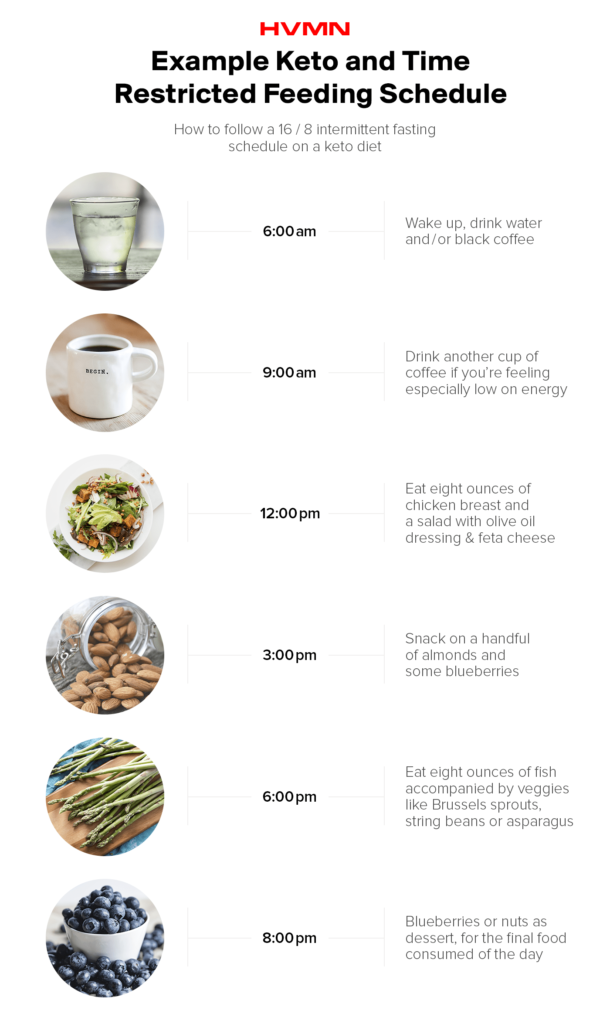
This approach to dietary fat is about abundance, not deprivation. For more structured guidance on incorporating high-quality fats into a specific eating plan, explore this resource on effective keto living.
Start with one change from this guide. Maybe it’s buying a new bottle of avocado oil. Perhaps it’s adding salmon to your weekly menu.
Each positive choice supports your body. It improves your cholesterol profile and protects your long-term wellness. Your practical journey to better health starts with your very next meal.
Conclusion
The path to wellness isn’t about banning fats, but about choosing them wisely.
Fat is an essential friend for your body. The key is selecting the right kinds. Prioritize healthy fats like those from plants, nuts, and fish. Be mindful of saturated fats from animal sources. Strictly avoid artificial trans fats.
This knowledge empowers your heart health. It helps manage cholesterol and boosts absorption of vital vitamins. As one expert notes, “Having balance and quality fats in the diet is key to properly nourishing the body.” You’ll also feel more satisfied after meals.
View dietary fat as a tool for wellness, not a source of fear. Embrace the flavor and variety it brings. If you have specific concerns about your cholesterol or heart health, talk with your healthcare provider for personalized guidance.