Ever feel overwhelmed staring at supermarket shelves, wondering which items will actually support your low-carb goals?
This definitive guide turns that confusion into confidence. We provide a clear, structured map for your shopping trips. It’s designed to set you up for long-term success.
A well-planned list is your secret weapon. It keeps you on track, helps you avoid impulse buys, and ensures you stay firmly in ketosis. Think of the store as a strategic mission, not a maze.
Focusing on whole, nutrient-dense foods is key. This approach to eating promotes weight loss and improves metabolic health. It’s about building a sustainable, enjoyable lifestyle.
You’ll learn to navigate aisles with purpose. This saves you both time and money. Your cart will be filled with delicious, wholesome options that fuel your body.
Our advice comes from years of experience and feedback from the keto community. It’s practical, real-world knowledge you can trust. This isn’t just a collection of items; it’s the foundation for your journey.
Key Takeaways
- A structured shopping list prevents impulse buys and helps maintain ketosis.
- Focusing on whole, nutrient-dense foods is central to this way of eating.
- Proper planning transforms grocery shopping into a quick, strategic task.
- This approach supports sustainable weight loss and improved metabolic health.
- The guide is built on trusted, community-tested advice for real-life application.
- Stocking your kitchen correctly sets the stage for long-term dietary success.
Why You Need The Ultimate Keto Grocery List for Success
A simple piece of paper can be the difference between sticking to your diet and falling off track. That’s the power of a well-crafted plan.
Without a targeted list, you’re walking into a nutritional minefield. Sneaky marketing and hidden sugars lurk everywhere. They can derail your progress and knock you out of fat-burning ketosis in an instant.
This proactive tool creates essential structure. It helps you meet daily macro targets for fat, protein, and net carbs without guesswork. You’ll plan structured meals that align with your goals.
Think about the last time you stood in an aisle, feeling overwhelmed. That uncertainty often leads to unhealthy choices. A grocery list saves you from that stress.
Here’s what a great list does for you:
- Prevents impulse buys of high-carbs foods.
- Transforms shopping into a quick, strategic mission.
- Ensures your kitchen is stocked with keto-friendly options.
- Turns planning into your secret weapon for long-term success.
This approach isn’t restrictive—it’s liberating. It gives you confidence to navigate the store efficiently. You’ll always have the right ingredients at home.
Consider a real-world example. Many beginners grab a bottle of “healthy” salad dressing. Scanning the label with an app can reveal shocking amounts of added sugar. A prepared list guides you toward better choices.
A keto grocery list helps you plan structured meals that meet your macros and avoid impulse purchases, especially foods that can kick you out of ketosis. Ultimately, you’ll eat healthier and be able to stick to keto long-term if you plan ahead.
Investing time in your list is an investment in your health and your wallet. You’ll waste less food and avoid costly mistakes. This foundational step sets the stage for sustainable results.
Keto Grocery Shopping 101: Your Pre-Trip Checklist
Confusion at the store often stems from a lack of clarity on two fundamental concepts: net carbs and personal macros. Whether you’re new to this diet, returning after a break, or a seasoned follower, mastering these ideas is essential. This knowledge transforms you from a passive shopper into an empowered consumer.
You’ll know exactly what to look for on labels. Your shopping trips become quick, strategic missions. This pre-trip prep is your non-negotiable first step.
Understanding Net Carbs: Your Key Metric
Before you grab a cart, you must master net carbs. This is the true number that matters for staying in ketosis. The formula is simple: Total Carbohydrates minus Dietary Fiber and Sugar Alcohols.
Let’s use an example. A medium avocado has about 17 grams of total carbs. But it also packs 13 grams of fiber. Its net carb count is only 4 grams.
Blackberries are another great case. A half-cup has roughly 7 grams of total carbs and 4 grams of fiber. That leaves you with just 3 grams of net carbs per serving.
Focusing on this metric is liberating. It allows you to enjoy fiber-rich vegetables and nuts without fear. You’re counting the carbs your body actually digests for energy.
Setting Your Macros: Fat, Protein, and Carb Goals
Next, define your personal macronutrient goals. These are the specific ratios of fat, protein, and carbs that fuel your body on the keto diet. Your ideal targets depend on your weight, activity level, and health objectives.
Using an online personalized macro calculator is a game-changer. It does the math for you. You’ll get clear daily gram targets for each macro.
This knowledge is the foundation of a grocery list that works for your lifestyle. You’ll select food options that fit your numbers perfectly. The table below shows common keto approaches to give you a framework.
| Keto Approach | Fat % | Protein % | Carb % |
|---|---|---|---|
| Standard Keto (SKD) | 75% | 20% | 5% |
| High-Protein Keto | 60% | 35% | 5% |
| Targeted Keto (TKD) | 65-70% | 20-25% | 10-15% |
Knowing your numbers is the first step to building a list that works uniquely for you. This pre-trip checklist turns information into action. You’re now ready to navigate the store with confidence and purpose.
Navigating the Store: A Perimeter-First Strategy
Your most powerful tool for efficient keto shopping isn’t in your cart; it’s a simple strategy for how you move through the store. Adopting a perimeter-first approach transforms the entire experience.
Most grocery stores are designed with a secret. The outer ring is where fresh, whole foods live. You’ll find vibrant produce, quality meat and fish, and full-fat dairy options here.
As one seasoned shopper notes, “I spend 80% of my time and budget here.” This is where you should focus, too. Prioritize your list in the produce section for leafy greens and low-carb vegetables.
Head to the meat counter for your proteins. Then, visit the dairy case for rich cheeses and creams. This method naturally guides you toward the best food choices for your diet.
Conversely, the inner aisles are often a nutritional minefield. They’re filled with processed, high-carbs temptations. Many “keto” labeled snacks and bars are also found here, which can be traps.
Picture a typical grocery store layout in your mind. You enter and turn right, following the bright, refrigerated perimeter. You’ll pass through all the essential fresh sections in one efficient loop.
This mental map helps you resist the lure of center-aisle snacks and sugary drinks. You simply don’t go down those paths unless your list specifically calls for a pantry staple.
Smart habits reinforce this strategy. Never shop on an empty stomach to prevent impulse buys. Always have your list ready and stick to it.
- Start and finish on the perimeter. Make this your non-negotiable rule.
- Venture inward only for specific items like oils, spices, or canned goods.
- Keep your cart moving. A slow pace invites temptation.
Mastering this navigation turns a daunting chore into a quick, purposeful mission. You’ll consistently bring home the foundational ingredients for a successful keto week. Your cart will be filled with health, not hassle.
The Heart of Keto: Protein Powerhouses
When building your meals, high-quality protein sources are non-negotiable for maintaining muscle and energy. These foods are the core of your plate, providing satiety and essential nutrients. They keep you full and fueled throughout the day.
Every item in this category has a crucial advantage for your diet. They contain virtually zero digestible carbs. This means your net carbs remain low, helping you stay firmly in ketosis.
Focus on variety and quality. Your body thrives on different amino acid profiles and nutrients. Let’s explore the best options to fill your cart.
Beat, Chicken, and Poultry
Red meat and poultry are foundational. Beef, chicken, turkey, and duck all contain zero total carbohydrates. They are complete sources of all essential amino acids your body needs.
Opting for grass-fed beef or pasture-raised chicken can enhance your meals. These choices often have a better profile of healthy fats, like omega-3s. Studies suggest lean cuts of red meat may even support healthier aging.
Feel confident loading up on these staples:
- Beef: Steaks, ground beef, roasts.
- Poultry: Chicken thighs, breasts, whole turkey.
- Other: Pork chops, lamb, organ meats.
Prepare them simply with herbs and good oils. Avoid sugary marinades or breading to keep carbs in check.
Fish and Seafood
Dive into an ocean of low-carb options. Most fish and shellfish are nearly free of carbohydrates. They are packed with high-quality protein and beneficial fats.
Fatty fish like salmon and mackerel are especially valuable. They are rich in omega-3 fatty acids. These support reduced inflammation and promote heart health.
Your seafood shopping list should include:
- Salmon (fresh or canned)
- Tuna steaks or canned tuna in water
- Shrimp, scallops, and crab
- Sardines and anchovies
Preparation is key. Skip the breading and deep frying. Instead, try baking, grilling, or pan-searing with avocado oil or butter. Almond flour makes a great low-carb coating if you want a crispy texture.
Other Protein Sources: Eggs and Beyond
Don’t overlook the humble egg. It’s a perfect, affordable keto staple. Each large egg contains less than 1 gram of carbohydrate.
Eggs are incredibly versatile for breakfast, salads, or baking. They provide a powerful nutrient punch. Pair them with full-fat dairy for a complete meal.
Cheese, like cheddar, mozzarella, and cream cheese, offers both protein and fat. Always choose full-fat versions. These foods help you meet your macros deliciously.
Here’s a quick reference for your list:
- Eggs: ~0.6g carbs per large egg.
- Cheddar Cheese: ~1.3g carbs per ounce.
- Plain Greek Yogurt (full-fat): ~4g carbs per serving.
Stocking these protein powerhouses ensures your body has the building blocks it needs. You’ll support muscle maintenance, feel satisfied, and maintain steady energy on your keto journey.
Fueling with Healthy Fats and Oils
Your body runs on a different kind of energy when you’re in ketosis, and the quality of your fats makes all the difference. This diet is high in fat, but choosing the right sources is critical for your health and success.
These healthy fats do more than just meet your energy needs. They also help your body absorb vital vitamins like A, D, E, and K. This supports your overall wellness from the inside out.
Think of your kitchen fats as premium fuel. The right ones keep your metabolic engine running cleanly. The wrong ones can cause inflammation and stall your progress.
Cooking Oils: Avocado, Olive, and Coconut
For daily cooking and dressings, focus on oils rich in monounsaturated fats. Avocado oil and extra virgin olive oil are top choices here.
They support heart health and are versatile. Use extra virgin olive oil for low-heat sautéing and homemade dressings. Its rich flavor elevates any dish.
Avocado oil has a very high smoke point. This makes it perfect for searing, roasting, and frying. It has a neutral taste that won’t overpower your food.
Coconut oil is a beloved saturated fat in the keto community. It’s extremely stable for high-heat cooking. It also adds a subtle, sweet flavor to both savory and sweet recipes.
Your shopping list for these oils should include:
- Extra virgin olive oil
- Avocado oil
- Unrefined coconut oil
- MCT oil (a concentrated energy source from coconut)
Everyday Fats: Butter, Ghee, and Lard
Don’t fear saturated fats like butter, ghee, or lard. On a well-formulated keto plan, they are celebrated for their stability and zero-carb profiles.
Real butter from grass-fed cows is a kitchen staple. It’s rich in flavor and nutrients. Use it for cooking, baking, or melting over steamed vegetables.
Ghee is clarified butter, with the milk solids removed. This gives it an even higher smoke point. It’s excellent for those sensitive to dairy and adds a nutty taste.
Traditional animal fats are making a smart comeback. Lard (from pork) and tallow (from beef) have incredibly high smoke points. They are perfect for frying and add delicious depth to roasted dishes.
Avoid processed vegetable oils at all costs. This includes canola, soybean, and corn oil. They are highly inflammatory and work against your metabolic goals.
Stock these everyday staples:
- Grass-fed butter or ghee
- Beef tallow
- Lard
Balancing your fat sources is key. Prioritize these nutrient-dense, natural options. They provide the clean, efficient fuel your body needs to truly thrive.
Loading Up on Low-Carb Vegetables
Not every vegetable fits perfectly into a low-carb eating plan, but the right ones are nutritional powerhouses. They add color, crunch, and essential nutrients to your plate. Learning which vegetables to prioritize makes your meals more satisfying.
Focus on options that are high in fiber and low in digestible carbs. This balance helps keep your blood sugar stable. You can enjoy generous portions without worry.
These food choices are crucial for your overall health. They provide vitamins, minerals, and antioxidants. Your digestive system will thank you for the fiber.
Leafy Greens and Salad Staples
Start your shopping in the greens section. Leafy greens are incredibly low in net carbs and packed with flavor.
Spinach is a superstar, with only about 2 grams of net carbs per cooked cup. It’s versatile for salads, sautés, and smoothies. Kale, arugula, and romaine lettuce are other excellent choices.
You can build huge, satisfying salads with these bases. Top them with protein and a creamy dressing. They provide volume that fills you up for very few carbs.
Cruciferous and Above-Ground Veggies
Next, explore the world of cruciferous vegetables. Broccoli, cauliflower, and Brussels sprouts are keto heroes. They are low in carbs and incredibly versatile.
Cauliflower can be riced, mashed, or even turned into pizza crust. Broccoli florets roast beautifully with olive oil. These options make your diet diverse and enjoyable.
Remember a simple rule: generally, above-ground vegetables contain fewer carbs than below-ground ones. Stick with zucchini, bell peppers, asparagus, and green beans. Avoid starchy potatoes, carrots, and parsnips.
| Vegetable (1 cup raw) | Net Carbs (grams) | Fiber (grams) |
|---|---|---|
| Spinach | ~2 | ~1 |
| Broccoli Florets | ~4 | ~2.5 |
| Asparagus | ~2 | ~2 |
| Cauliflower | ~3 | ~2 |
| Zucchini | ~2.5 | ~1 |
| Bell Pepper (green) | ~3 | ~2 |
This fiber is a key benefit. It aids digestion and promotes a feeling of fullness. It also helps manage your blood sugar on a low-carb plan.
One community member shared, “Loading up on these veggies stopped my cravings. My plates are now colorful and my energy is steady.”
You’ll leave with a vibrant mental list. Fill your cart with these greens and colorful picks. They make your keto journey both nutritious and visually appealing.
Full-Fat Dairy: What to Look For
Creamy textures and rich flavors are hallmarks of a well-stocked kitchen, thanks to strategic dairy choices. These foods provide quality fats and protein, making meals more satisfying. Your focus here should be crystal clear: always choose full-fat options.
Low-fat or fat-free products are not your friends on this diet. Manufacturers often add sugar or starches to compensate for lost flavor and texture. This can sneak unwanted carbs into your day.
Reading labels is your best defense. Check for added sugars in items like yogurt or cottage cheese. Stick with the richest, most natural versions to keep your macros on point.
Cheeses for Every Occasion
Welcome to a world of delicious cheese. From sharp cheddar to creamy brie, these are low-carb staples. They add immense flavor and satisfaction to any meal or snack.
Hard, aged cheeses like parmesan and asiago are particularly low in lactose. Soft varieties like goat cheese and mascarpone offer luxurious texture. All are fantastic sources of fat and protein.
Cheese is a keto powerhouse. It’s versatile, satiating, and turns a simple plate of veggies into a gourmet experience. Just keep an eye on portions if you’re watching calories.
Use this table as a quick guide for your next shopping trip:
| Cheese Type | Net Carbs (per oz) | Fat (per oz) | Best Uses |
|---|---|---|---|
| Cheddar (sharp) | ~0.4g | ~9g | Snacking, omelets, crusts |
| Mozzarella (whole milk) | ~0.6g | ~6g | Pizza, caprese salad, stuffed meats |
| Parmesan (hard) | ~0.9g | ~7g | Grating over dishes, crisps |
| Brie (soft) | ~0.1g | ~8g | With low-carb crackers, baked |
| Goat Cheese (crumbled) | ~0.2g | ~8g | Salads, stuffed peppers, spreads |
Creams, Butter, and Yogurt
Beyond cheese, the dairy aisle holds other treasures. Heavy whipping cream and sour cream are kitchen essentials. They add luxurious body to sauces, soups, and even coffee.
Butter, especially from grass-fed cows, and its clarified cousin ghee are pure fat. They are perfect for cooking at high heat and baking. These fats impart incredible flavor to everything they touch.
When selecting yogurt or cottage cheese, the rule is strict. Only buy unsweetened, full-fat versions. Plain Greek yogurt is a great high-protein choice. Full-fat cottage cheese can be a filling snack or salad topper.
Avoiding the “low-fat” trap is crucial here. Those products often have more carbs than their full-fat counterparts. Your goal is richness that fuels your body and delights your palate.
These creamy foods make your eating plan sustainable and enjoyable. They prove that a keto lifestyle is far from restrictive. It’s about choosing the most flavorful, nutrient-dense options available.
Nuts, Seeds, and Nut Butters in Moderation
Mindful snacking on nuts and seeds can enhance your keto journey without derailing progress. These foods are nutritional powerhouses, packed with healthy fats, fiber, and protein.
Portion control is paramount. Their calorie density and variable carb content mean big servings can impact ketosis. Enjoy them wisely to support your goals.
Best Low-Carb Nut Choices
Not all nuts are created equal on a low-carb plan. Focus on options with fantastic fat-to-net-carb ratios.
Macadamia nuts and pecans are top-tier. They offer rich flavor and minimal digestible carbs. Walnuts are another excellent choice for snacking and recipes.
Almonds and hazelnuts are good in moderation. Be more cautious with higher-carb options like pistachios and cashews. Always check your portions.
Here’s a quick guide to net carbs per quarter-cup serving:
- Pecans: ~1g net carbs
- Walnuts: ~1g net carbs
- Macadamia nuts: ~2g net carbs
- Almonds: ~3g net carbs
These nuts seeds are perfect for adding crunch to salads or making satisfying fat bombs. They provide a quick energy boost when you need it.
Seeds for Fiber and Crunch
Don’t overlook tiny powerhouses like chia seeds, flax, and hemp hearts. They deliver a hefty dose of fiber and plant-based protein.
These seeds also provide essential minerals like magnesium and zinc. Their high fiber content helps manage hunger and supports digestion.
Sprinkle them over yogurt or blend into smoothies. They add texture without spiking your blood sugar.
Using nut butters is another delicious strategy. Choose natural, sugar-free versions like almond or macadamia butter. They are a concentrated source of fats.
Almond flour is a baking essential for this diet. It creates delicious low-carb breads and crusts. Always measure it, as carbs can add up.
Including nuts and seeds mindfully ensures they support ketosis rather than hinder it. Measure your portions, read labels, and savor every crunchy bite.
Arm yourself with this knowledge. You can enjoy these versatile foods while staying firmly on track. Your pantry will be stocked for success.
Keto-Friendly Fruits (Yes, They Exist!)
Believe it or not, you can still enjoy nature’s candy while staying firmly in ketosis. A common myth is that all fruit is forbidden on this diet. The truth is, a small selection of low-sugar options can fit perfectly into your carb allowance.
It’s all about managing that sugar content. Sweet-tasting picks like apples and bananas pack a big carb punch. They can cause significant blood sugar spikes.
Your focus should be on berries and one unique superstar. These foods add a touch of sweetness and vital nutrients. They prove your eating plan can be both delicious and complete.
Berries: Your Sweet Treat
When a sweet craving hits, turn to berries. Raspberries, blackberries, and strawberries are your best friends. They offer fantastic flavor with a relatively low net carb count.
A half-cup serving of raspberries or blackberries contains about 5 grams of net carbs. Strawberries come in around 4 grams for the same portion. These numbers make them a manageable treat.
They’re also packed with antioxidants and fiber. This combination supports your overall health. Enjoy them in moderation for the best results.
Portion control is key. Think of a small handful as your standard serving. This prevents accidentally exceeding your daily carb limit.
Get creative with your berries. Toss a few into a salad for a pop of color. Mix them with full-fat whipped cream for a simple dessert.
The Mighty Avocado: A Fruit and a Fat
Celebrate the avocado as the ultimate keto superfood. It’s a unique fruit that doubles as a prime source of healthy fats. This makes it incredibly valuable for your meals.
Its net carb count is remarkably low. A whole medium avocado has roughly 2 grams of digestible carbs. The rest is mostly fiber and beneficial monounsaturated fats.
Avocado is a kitchen staple on keto. It provides creamy texture, heart-healthy fats, and keeps you full for hours. It’s proof that not all fruits are created equal.
This versatility is unmatched. Slice it onto salads, mash it for guacamole, or blend it into smoothies. It adds richness and nutrients to any dish.
Understanding the numbers helps you shop and eat with confidence. The table below compares friendly picks with high-sugar fruits to avoid.
| Keto-Friendly Fruit (per 100g) | Net Carbs | Status |
|---|---|---|
| Avocado | ~2g | Excellent choice |
| Blackberries | ~5g | Enjoy in moderation |
| Raspberries | ~5g | Enjoy in moderation |
| Strawberries | ~6g | Enjoy in moderation |
| Fruits to Avoid | Net Carbs (per 100g) | Reason |
|---|---|---|
| Banana | ~20g | Very high in sugar |
| Grapes | ~16g | High sugar content |
| Mango | ~15g | High sugar content |
| Apple | ~12g | High sugar content |
Bananas, grapes, mangoes, and apples are strictly off your list. Their high sugar content can quickly use up your daily carb budget. They are likely to disrupt ketosis.
Adding these select fruits brings welcome variety. Your keto lifestyle becomes more sustainable and enjoyable. You get a taste of sweetness without any guilt.
Pantry Staples and Baking Essentials

Mastering keto baking and cooking starts with swapping traditional staples for smart alternatives. Your pantry becomes a treasure trove of versatile ingredients. These items unlock endless meal possibilities and keep your diet exciting.
Stocking these essentials means you’re always prepared. You can whip up a quick bread or sweet treat without derailing progress. Let’s explore the core categories that belong in your low-carb kitchen.
Keto Flours: Almond and Coconut
Say goodbye to wheat flour and hello to low-carb champions. Almond flour and coconut flour are the foundation of keto-friendly baking. They create delicious breads, pancakes, and crusts.
These ingredients behave differently than traditional flour. They are dense and high in fiber, absorbing more liquid. You’ll often need extra eggs or binding agents in recipes.
Here’s a quick nutritional snapshot per tablespoon:
- Almond flour: ~1g net carbs
- Coconut flour: ~4g net carbs
Almond flour offers a mild, nutty flavor and a tender crumb. Coconut flour is highly absorbent and adds a subtle sweetness. Many bakers use a blend of both for optimal texture.
Experiment with these flours in your favorite recipes. Start with trusted keto conversions to avoid kitchen mishaps. Your baked goods will be satisfying and low in digestible carbs.
Sweeteners: Stevia, Monk Fruit, and Erythritol
Craving something sweet? Natural sweeteners are your answer. They provide sweetness without spiking blood sugar or insulin.
Traditional sugar is packed with carbohydrates. These zero-impact alternatives let you enjoy desserts guilt-free. They have minimal to no effect on your net carbs.
Compare the popular options:
| Sweetener | Net Carbs (per tsp) | Notes |
|---|---|---|
| Erythritol | ~0.4g | Mild cooling effect, good for baking |
| Monk Fruit | 0g | Very sweet, often blended with erythritol |
| Stevia | 0g | Potent, can have a slight aftertaste |
These products are perfect for sweetening coffee, yogurt, or homemade treats. Always check blends for hidden fillers like maltodextrin. Pure forms are best for your keto lifestyle.
Spices, Condiments, and Broths
Flavor is non-negotiable. A well-stocked spice rack and clever condiments turn simple foods into feasts. They add explosive taste without unwanted sugars.
Vigilant label reading is crucial here. Sugar hides under many names like dextrose or maltodextrin. Stick with basic, single-ingredient spices whenever possible.
Your must-have list includes:
- Spices & Herbs: Garlic powder, cumin, oregano, rosemary.
- Condiments: Yellow mustard, hot sauce, sugar-free ketchup, mayonnaise.
- Pantry Heroes: Bone broth, canned sardines, tuna, and chicken.
Bone broth is a powerhouse. It provides electrolytes, collagen, and makes a quick, nourishing base for soups. It’s a secret weapon for hydration and satiety.
These staples ensure you’re never bored. They provide quick, nutritious meal options when you’re in a pinch. Your kitchen will be ready for any culinary challenge.
With these pantry essentials, preparing delicious, varied keto meals becomes simple and enjoyable. You have the foundation for long-term success right at your fingertips.
Beverages: Staying Hydrated on Keto
What you drink can be just as important as what you eat when following a ketogenic plan. Proper hydration supports every bodily function, especially as your body sheds excess water weight initially.
Choosing the right drinks helps maintain electrolyte balance and energy levels. It also prevents common side effects like headaches or fatigue. This guide outlines the best and worst options for your low-carb lifestyle.
Water, Coffee, and Tea
Water is your number one priority. Aim to drink consistently throughout the day. A good tip is to keep a large bottle nearby and sip often.
Infuse it with slices of lemon, cucumber, or fresh mint for variety. This makes it more appealing without adding carbs. Herbal infusions are also excellent zero-carb choices.
Your morning ritual is safe. Black coffee and unsweetened tea contain virtually no digestible carbs. Enjoy them hot or iced.
For a sustained energy boost, try bulletproof coffee. Blend hot black coffee with a tablespoon of grass-fed butter or MCT oil. It creates a creamy, satisfying drink that fuels your brain.
Smart Sips: Bone Broth and Electrolyte Drinks
Homemade bone broth is a powerhouse beverage. It provides essential sodium, potassium, and magnesium. These electrolytes are crucial on a keto diet.
Simmering bones also releases collagen, which supports joint and gut health. Sipping a warm cup can combat “keto flu” symptoms. Look for brands with no added sugars or make your own.
Sugar-free electrolyte mixes are another smart choice. They come in convenient powders or drops. Always check labels for hidden carbs.
Bone broth is my secret weapon. It’s hydrating, nourishing, and keeps cravings at bay when I need something savory. A mug in the afternoon is a game-changer.
Be extremely cautious with processed products. “Diet” sodas and artificially sweetened drinks may trigger cravings for some people. They can also disrupt hunger signals.
Your best strategy is to stick with simple, whole-food-based beverages. The table below helps you make quick, informed choices.
| Excellent Choices | Net Carbs | Notes |
|---|---|---|
| Water (still or sparkling) | 0g | Essential for hydration |
| Black Coffee | 0g | Enjoy plain or bulletproof style |
| Unsweetened Tea | 0g | Green, black, or herbal varieties |
| Homemade Bone Broth | ~1g per cup | Rich in electrolytes and collagen |
| Drinks to Avoid | Typical Net Carbs | Reason |
|---|---|---|
| Soda & Sweetened Soft Drinks | 30-40g per can | Packed with sugar |
| Fruit Juice | 25-30g per cup | Concentrated fruit sugar |
| Sweet Coffee Beverages | 20-50g per serving | Syrups and whipped cream add carbs |
| Sports Drinks | 15-30g per bottle | Designed for carb reloading |
Sugary soft drinks, juice, and fancy coffee shop orders are packed with carbs. They can halt ketosis instantly. Even seemingly healthy smoothies often have high sugar content.
Building a repertoire of keto-friendly beverages supports your hydration and overall health. You’ll feel better and stay on track with ease.
Smart Snacking: Be Prepared for Cravings
Smart snacking is a skill that turns cravings into controlled fuel. It’s about having a plan before hunger strikes. This prevents you from making choices that don’t align with your goals.
Being prepared is your secret weapon. The best snacks are high in healthy fats and protein with minimal carbs. They keep you satisfied and support your metabolic state.
Assemble an arsenal of quick, no-prep options. Think of items you can grab without any cooking. This makes sticking to your plan effortless.
- Sliced cheese like cheddar or mozzarella
- Hard-boiled eggs prepared in advance
- A handful of macadamia nuts or pecans
- Olives or dried seaweed for a savory bite
For more elaborate ideas, get a little creative. Homemade fat bombs combine nut butter, coconut oil, and a zero-carb sweetener. Crispy pork rinds offer a savory, carb-free crunch many people love.
Packaged foods require extra attention. Always read labels on items like beef jerky. Look for sugar-free versions made with quality ingredients.
Intentional snacking means every bite has a purpose. It fuels your body and keeps you in ketosis, rather than just filling a momentary urge. Plan your snacks like you plan your meals.
Align your snacks with your daily macro goals. This prevents overconsumption of calories or carbs. It turns potential diet derailers into opportunities for nourishment.
Compare popular keto-friendly picks below. This helps you make informed choices during your shopping trips.
| Snack Option | Net Carbs (approx.) | Key Benefit |
|---|---|---|
| Two Hard-Boiled Eggs | <1g | High-quality protein, portable |
| 1 oz Cheddar Cheese | ~0.4g | Rich in fat, satisfying |
| 1 oz Macadamia Nuts | ~2g | High in healthy fats, crunchy |
| Pork Rinds (1 oz) | 0g | Zero-carb, savory crunch |
| Seaweed Snack Pack | 1-2g | Low-calorie, mineral-rich |
Having these items readily available is crucial. It stops you from reaching for high-carb convenience foods between meals. Your kitchen becomes a supportive environment.
Planning transforms snacking from a reactive habit into a proactive strategy. You maintain steady energy levels throughout the day. For more foundational strategies, explore our keto for beginners guide.
This approach ensures your keto journey remains sustainable and enjoyable. You’re always prepared, never deprived.
Reading Labels Like a Pro: Hidden Sugars and Carbs
Every packaged product tells a story, and the ingredients list holds the truth about its keto compatibility. Becoming a label-reading detective is a non-negotiable skill for your success. It uncovers hidden sugars and extra carbs that manufacturers sneak into seemingly healthy foods.
You must approach each item with a curious eye. Sugar has dozens of aliases designed to confuse shoppers. Knowing them turns you from a passive buyer into an empowered consumer.
Scanning labels quickly becomes second nature. You’ll save time and protect your metabolic state. This knowledge is your shield in every aisle of the grocery store.
Read Every Label: Sugar has many names: dextrose, maltodextrin, etc. They hide everywhere. My rule: if I’m not sure, I use the NutriScan camera to scan the barcode.
Let’s decode the common aliases for sweeteners. This table helps you spot them instantly on any products you pick up.
| Common Sugar Aliases | Notes |
|---|---|
| Sucrose | Table sugar, often from cane or beets |
| High-Fructose Corn Syrup | Highly processed, very common in sauces |
| Maltodextrin | A starch derivative that spikes blood sugar |
| Dextrose | Another name for glucose, a simple sugar |
| Agave Nectar | Marketed as “natural” but very high in fructose |
| Brown Rice Syrup | Often found in “health” bars and snacks |
Even “natural” sweeteners like honey and agave are packed with carbs. They do not belong in a strict keto plan. Your goal is to identify and avoid all these sugars.
Now, let’s walk through a real nutrition label. First, find “Total Carbohydrates.” From that number, subtract Dietary Fiber and Sugar Alcohols. The result is your net carbs for that serving.
Next, scrutinize the ingredients list. Items are listed by weight, from most to least. If any sugar alias is in the top five, that food is likely a poor choice.
Technology can be your best ally. Barcode-scanning apps like NutriScan provide instant analysis. They save you from doubt and make grocery trips faster.
Common culprits often surprise beginners. Salad dressings, marinades, and pasta sauces are frequent offenders. Processed meats like sausages or deli ham can also contain hidden sugars.
Always check condiments and canned products. A single tablespoon of ketchup might have 4 grams of sugar. Your vigilance pays off in sustained ketosis.
Understanding labels empowers you to make informed choices. You ensure every item in your cart truly supports your keto goals. This skill transforms your entire approach to this diet.
You’ll shop with newfound confidence. The hidden sugars and extra carbs that trip up beginners will no longer fool you. Your kitchen becomes a fortress for your health.
Budget-Friendly Keto Shopping Tips
A nutritious diet shouldn’t require a lavish budget, and a ketogenic approach is no exception. With some clever strategies, you can enjoy high-quality, nutrient-dense foods without straining your wallet.
This part of your journey focuses on smart resource management. It’s about getting the most value from every dollar you spend. You’ll learn to prioritize and plan effectively.
Maximizing your haul means focusing on versatile, long-lasting ingredients. Plan meals around overlapping items to minimize extra trips. This keeps your eating plan on budget.
Let’s explore practical ways to make this lifestyle both accessible and sustainable.
Buying in Bulk and Choosing Cuts
Your first money-saving move is mastering the bulk section. Stable pantry items offer the best value here. Think nuts, seeds, oils, and almond flour.
These staples have a lower cost per unit when bought in larger quantities. They also last for months in your pantry. This reduces frequent shopping trips.
Next, reconsider your protein options. Cheaper cuts of meat are often more flavorful and forgiving. Chicken thighs are a fantastic alternative to pricier breasts.
Don’t overlook less expensive proteins. Eggs are a nutritional powerhouse and very affordable. Canned fish like sardines and tuna are also excellent, convenient choices.
Here are key strategies for your grocery list:
- Buy stable fats and flours in bulk to lower your long-term cost.
- Choose tougher, fattier cuts of meat for slow-cooking meals.
- Incorporate eggs and canned fish as regular protein sources.
- Shop seasonally for fresh produce and watch for sales on butter and cheese.
Planning meals around these overlapping ingredients maximizes what you buy. It minimizes waste and special trips for single-use items.
Frozen and Canned Options
Fresh isn’t always best for your budget. Embrace the freezer and pantry aisles for incredible savings. Frozen vegetables and berries are just as nutritious as fresh.
They are often picked and frozen at peak ripeness. This locks in vitamins and minerals. You also reduce food waste by using only what you need.
Canned foods like tomatoes, green beans, and pumpkin puree are other great options. Just be sure to check labels for added sugars or starchy thickeners. Opt for products packed in water or their own juices.
These store-stable choices are perfect for keeping a well-stocked kitchen. They ensure you always have low-carb vegetables on hand for any recipe.
Compare the value and use of different forms below. This table helps you make informed decisions during your keto shopping.
| Food Type | Best Budget Picks | Cost & Nutrition Notes | Ideal Use |
|---|---|---|---|
| Frozen Vegetables | Broccoli florets, spinach, cauliflower rice, mixed peppers | Often cheaper per serving than fresh; nutrient levels are comparable. | Stir-fries, soups, side dishes, smoothies. |
| Frozen Berries | Blueberries, raspberries, strawberries | More affordable out of season; perfect for portion-controlled sweetness. | Mixed with yogurt, blended in shakes, thawed for toppings. |
| Canned Proteins | Tuna (in water), sardines, chicken, salmon | Very low cost, long shelf life, ready-to-eat convenience. | Salads, quick lunches, mixed with mayo for spreads. |
| Canned Vegetables | Green beans, mushrooms, tomatoes (diced, no sugar added) | Inexpensive and always available; watch for added salt. | Casseroles, stews, quick side dishes. |
These tips prove that a low-carb lifestyle is truly accessible. You can prioritize your health without financial stress. Smart planning turns perceived obstacles into simple, manageable habits.
Your kitchen will be stocked with wholesome foods, and your bank account will thank you.
Meal Prep Made Simple: From Grocery Bag to Planned Meals
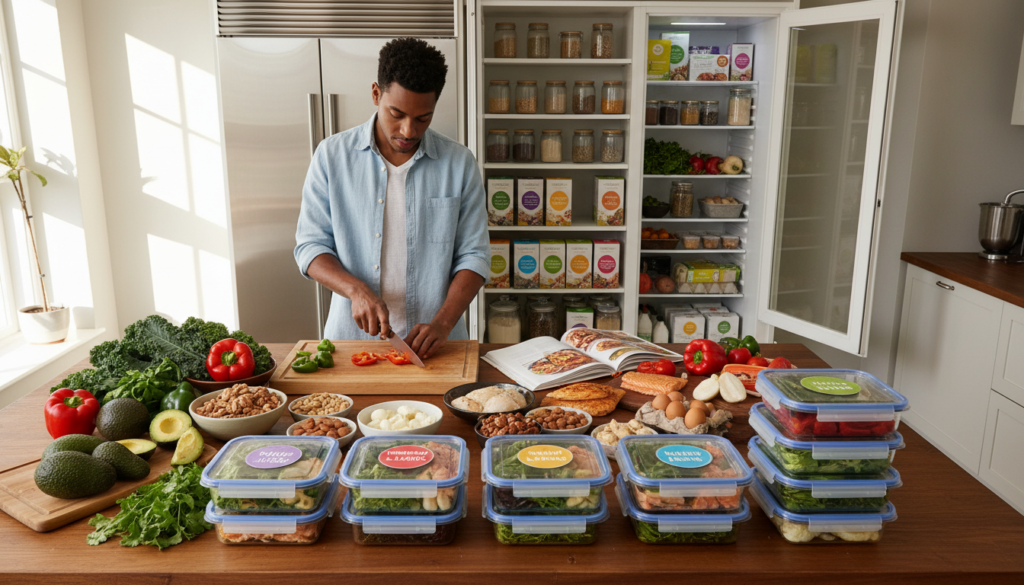
The secret to sticking with your low-carb plan isn’t just what you buy, but what you do with it after you get home. Strategic preparation turns your grocery haul into a week of effortless eating. It prevents decision fatigue and keeps you firmly on track.
This habit is your final step for real-world success. It saves time, reduces stress, and makes healthy choices the easiest ones. You leverage your shopping trip into tangible results.
Start with simple, effective strategies. If you’re new to this, begin with easy-to-follow recipes. They keep your macros balanced and support your metabolic state.
Batch Cooking Proteins and Veggies
Unlock the power of cooking in large quantities right after your shopping trip. This approach is a game-changer for busy weeks. It makes assembling meals incredibly fast.
Focus on core ingredients first. Roast a large tray of chicken thighs or grill several salmon fillets. Steam a big batch of broccoli and cauliflower florets.
These cooked foods become versatile building blocks. You’re not eating the same thing every day. Instead, you have components ready for quick, varied combinations.
Batch cook proteins like chicken or fish as soon as you unpack your bags. Having them ready turns meal assembly from a chore into a five-minute task.
Think of your kitchen as a meal factory. Use these simple steps to get started:
- Cook your proteins. Bake, grill, or sauté enough for 3-4 days.
- Roast your vegetables. Toss low-carb veggies in oil and seasonings.
- Prepare staples. Hard-boil a dozen eggs, cook a pot of cauliflower rice.
Store everything in clear containers in the fridge. You’ll see exactly what you have at a glance. This visual cue encourages you to eat what you’ve prepared.
Assembling Easy Grab-and-Go Options
Take your prep to the next level with portable options. Component prep means washing, chopping, and portioning ahead of time. Assembly then becomes a breeze.
Create salad jars with layers of pre-washed greens, pre-cooked protein, and dressing on the bottom. Pack containers with pre-portioned cooked veggies and fats. These are perfect for lunches or busy dinners.
Your goal is to make the healthy choice the most convenient one. When hunger strikes, a complete meal is ready in seconds. This stops you from reaching for off-plan snacks.
Consider this simple assembly system for your week:
| Component | Prep Action | Grab-and-Go Use |
|---|---|---|
| Cooked Chicken | Shred or dice | Salad topper, wrap filling, soup addition |
| Roasted Veggies | Portion into cups | Side dish, omelet filling, snack with dip |
| Hard-Boiled Eggs | Peel and store | Quick protein snack, sliced for salads |
| Nuts & Seeds | Measure into small bags | Portion-controlled fat source |
Dedicating a few hours after your trip sets you up for victory. This habit is the crucial link between your diet plan and daily life. It supports your overall health by ensuring consistency.
You’ll find that this keto strategy reduces kitchen time all week. It transforms your relationship with food from reactive to proactive. Your ultimate shopping list finally delivers its full potential.
Common Keto Grocery Pitfalls and How to Avoid Them
Even the most well-intentioned shopper can stumble into hidden traps at the grocery store. You might have a fantastic list in hand, but common mistakes still happen. This section highlights those errors so you can recognize and sidestep them completely.
Learning these pitfalls sharpens your shopping skills. You’ll protect your metabolic state and your wallet. Your cart will contain only items that truly nourish your body.
The “Keto” Junk Food Trap
Beware of highly processed bars, cookies, and snacks marketed as keto-friendly. These products often sit in the center aisles, promising low carbs and convenience. Their labels might show a tempting net carb count.
Unfortunately, many are filled with unhealthy ingredients. Look for artificial sweeteners, inflammatory oils, and various additives. These components can stall weight loss and trigger cravings.
Even if the numbers seem right, these foods can undermine your health. They often displace whole, nutrient-dense options in your diet. This makes staying in ketosis feel like a struggle.
Your body deserves clean fuel. Sticking to single-ingredient foods is always the safer bet. It supports optimal results and long-term well-being.
Foods to Absolutely Avoid
Some items have no place in a low-carb lifestyle. They are packed with digestible carbs and sugars that disrupt ketosis. Knowing this definitive list keeps your mission clear.
First, eliminate all grains and legumes. This includes wheat, rice, corn, beans, and lentils. They are foundational in many diets but are carb-heavy.
Next, skip starchy vegetables like potatoes and corn. High-sugar fruits such as apples, bananas, and grapes are also off-limits. They can use up your daily carb budget in one serving.
Be vigilant with beverages and cooking fats. Regular soda and sugary drinks are obvious culprits. Unhealthy fats like margarine and processed vegetable oils are equally problematic.
Canola, soybean, and sunflower oil are highly inflammatory. They work against your metabolic goals. Always choose stable, natural fats instead.
Here’s a quick-reference guide for your next trip:
| Category | Foods to Avoid | Primary Reason |
|---|---|---|
| Grains & Starches | Bread, pasta, rice, cereal | Very high in digestible carbs |
| Starchy Vegetables | Potatoes, corn, peas, parsnips | High carb content, spikes blood sugar |
| High-Sugar Fruits | Apples, bananas, mangoes, grapes | Concentrated natural sugars |
| Sugary Drinks | Soda, sweet tea, fruit juice, sports drinks | Liquid sugar without fiber |
| Unhealthy Fats | Margarine, canola oil, soybean oil | Highly processed and inflammatory |
Focus on the perimeter of the store for fresh, whole foods. If a product has a long ingredient list with words you can’t pronounce, it’s likely not supporting your keto journey.
By learning these common pitfalls, you shop with greater discernment. Your cart becomes a curated collection of health-supporting items. This knowledge turns potential setbacks into sustained success.
Conclusion
Let this be the moment you turn information into action, filling your cart with vibrant, health-supporting foods. You now have a complete blueprint for keto success.
Remember, your list is a dynamic tool. It evolves with your tastes, keeping your diet sustainable and enjoyable. Prioritizing whole options—quality proteins, healthy fats, and low-carb veggies—truly nourishes your body for long-term health.
Take that first step. Personalize your guide and head to the grocery store with confidence. Use label-scanning apps to verify choices. Listen to how your body feels.
Your path is built one smart shopping trip at a time. This leads to steady energy, better metabolic ketosis, and delicious, satisfying meals. You are fully equipped for this journey. Now, go enjoy the vibrant conclusion to your planning.