Imagine a diet that makes your body use fat for energy instead of sugar. The ketogenic diet is becoming popular for weight loss and better health.
Starting a new diet can feel overwhelming. But learning the basics of the keto diet can help a lot. It works by cutting down carbs and eating more fat. This puts your body into ketosis, where it uses fat for energy.
This guide will cover the keto diet’s basics, its benefits, and how to start your keto journey.
Key Takeaways
- Understanding the keto diet’s fundamental principles
- Benefits of adopting a ketogenic lifestyle
- Tips for starting and maintaining a keto diet
- Overview of the ketogenic diet’s effects on the body
- Guidance on making the transition to a keto lifestyle
The Science Behind the Ketogenic Diet
It’s important to know how the ketogenic diet works. This diet makes your body use fat for energy instead of carbs. It does this by producing ketones.
Understanding Ketosis and Fat Adaptation
Ketosis is when your body has more ketones in the blood. Using fat as energy makes your body more efficient. This leads to weight loss and better health.
How Your Body Uses Fat for Fuel
When you eat fewer carbs, your liver turns fat into ketones. These ketones power your brain and heart. This change can make you feel more energetic and clear-minded.
| Metabolic State | Primary Fuel Source | Energy Production |
|---|---|---|
| Normal Metabolism | Glucose (Carbohydrates) | Glycolysis |
| Ketosis | Fatty Acids and Ketones | Ketolysis |
The table shows the difference between normal metabolism and ketosis. Knowing how your body uses fat helps you see the diet’s benefits. These include weight loss and improved metabolic health.
What Is the Keto Diet? A Complete Beginner’s Guide to Starting Keto

Starting a keto diet means knowing what it is and how it fits your life. The keto diet is low in carbs and high in fats. It helps with weight loss and better health.
Defining the Ketogenic Diet
The keto diet cuts down on carbs and ups fats. This change makes your body use fat for energy, not carbs.
Different Types of Keto Approaches
There’s no single keto diet for everyone. Each type meets different needs and goals.
Standard Ketogenic Diet (SKD)
The SKD is the most popular. It’s all about eating lots of fats, some proteins, and very few carbs.
Cyclical Ketogenic Diet (CKD)
The CKD lets you eat more carbs sometimes. This is good for workout days or special times.
Targeted Ketogenic Diet (TKD)
The TKD lets you add carbs before and after workouts. It helps with performance and recovery.
| Keto Approach | Description | Carb Intake |
|---|---|---|
| Standard Ketogenic Diet (SKD) | High-fat, moderate-protein, low-carb | Very Low |
| Cyclical Ketogenic Diet (CKD) | Periods of higher carb intake | Variable |
| Targeted Ketogenic Diet (TKD) | Additional carbs around workouts | Moderate |
The Health Benefits of Going Keto
The keto diet cuts down on carbs and ups the fat. This change brings many benefits for both body and mind. People often see big health improvements when they enter ketosis.
Weight Loss and Metabolic Advantages
The keto diet is great for losing weight. It changes the body’s main fuel from sugar to ketones. This leads to burning more fat and losing weight. It also boosts metabolic health, like insulin sensitivity.
Mental Clarity and Energy Benefits
Many people feel sharper and more energetic on the keto diet. The diet is good for the brain, possibly lowering the risk of brain diseases. It keeps energy levels steady all day.
Potential Therapeutic Applications
The keto diet might help with several health issues. It’s being studied for managing epilepsy and controlling blood sugar.
Epilepsy Management
Studies show the keto diet can cut down on seizures in people with epilepsy. It’s thought that ketones, the diet’s energy source, help the brain.
Blood Sugar Control
The keto diet helps keep blood sugar stable. It does this by cutting down carbs and making insulin work better. This is good for people with type 2 diabetes.
| Health Benefit | Description |
|---|---|
| Weight Loss | Significant reduction in body weight due to fat burning |
| Mental Clarity | Improved cognitive function and reduced brain fog |
| Epilepsy Management | Reduced frequency of seizures |
| Blood Sugar Control | Improved insulin sensitivity and glucose regulation |
Potential Side Effects and How to Avoid Them

Starting a keto lifestyle means knowing about possible side effects and how to avoid them. Your body changes a lot when you switch to a keto diet. Knowing about these changes can make your journey easier.
Understanding the “Keto Flu”
The “keto flu” is a common issue for people starting a keto diet. It causes symptoms like tiredness, headaches, and nausea. These symptoms are like the flu but usually go away on their own.
Drinking plenty of water, eating more salt, and getting enough electrolytes can help. This can make the keto flu less severe.
Long-term Considerations
Many people stick to a keto diet for a long time. But, there are things to think about. You might not get all the nutrients you need if your diet isn’t well-planned.
It’s also important to keep an eye on your health. This includes checking your blood sugar and cholesterol levels. Eating a variety of foods can help avoid these problems.
| Nutrient | Importance on Keto | Food Sources |
|---|---|---|
| Magnesium | Crucial for energy production and nerve function | Dark leafy greens, nuts, seeds |
| Potassium | Essential for heart health and muscle function | Avocados, salmon, spinach |
| Vitamin D | Important for bone health and immune function | Fatty fish, egg yolks, fortified foods |
When to Consult a Healthcare Professional
It’s important to talk to a doctor before starting a keto diet, especially if you have health issues. If you have severe or lasting side effects, like extreme tiredness or dizziness, get medical help. This ensures your safety and the diet’s success.
Getting Started: Your First Week on Keto
Starting keto can be both exciting and a bit scary. But with the right prep, you’re set for success. It’s not just about changing your diet. It’s about changing your mindset and having a solid plan.
Preparing Your Kitchen and Mindset
Before you start, prep your kitchen by getting rid of high-carb foods. Fill it with healthy fats, proteins, and low-carb veggies. This helps you avoid temptation and have the right foods ready. Also, mental preparation is key. Knowing it’s okay to feel headaches or fatigue helps you stay on track.
Setting Realistic Expectations
It’s important to have realistic expectations when starting keto. Not everyone loses weight right away, and it can be tough at first. Setting goals you can reach and being patient with your progress makes the journey better.
Tracking Your Progress
Tracking your progress is key to the keto diet. Here are a few ways to do it:
Measuring Ketones
Use ketone strips or a blood ketone meter to see if you’re in ketosis. This info is super helpful for tweaking your diet.
Tracking Physical Changes
Watch your weight, measurements, and health markers to see how keto is working. A food diary or health app can make tracking easier.
| Tracking Method | Description | Benefits |
|---|---|---|
| Ketone Strips | Measure ketone levels in urine | Easy to use, quick results |
| Blood Ketone Meter | Measures blood ketone levels | Accurate, real-time data |
| Food Diary | Tracks daily food intake | Helps identify patterns, stay accountable |
By getting your kitchen ready, setting realistic goals, and tracking your progress, you can overcome keto’s early hurdles. This sets you up for long-term success.
Keto-Friendly Foods: What to Eat and What to Avoid
Knowing what to eat and avoid is key when starting a ketogenic diet. This diet focuses on high-fat, moderate-protein, and low-carb foods. It might seem limited, but it offers many tasty options.
Healthy Fats to Embrace
The keto diet emphasizes healthy fats as your main energy source. Foods like avocados, olive oil, and coconut oil are great choices. They give you energy and support your health.
- Avocados
- Olive oil
- Coconut oil
- Nuts and seeds
Protein Sources on Keto
On a keto diet, you need to eat moderate amounts of protein. Choose fatty fish like salmon, eggs, and meat from grass-fed animals. These help keep your muscles strong and in ketosis.
- Fatty fish (salmon, tuna)
- Eggs
- Grass-fed meat
Low-Carb Vegetables and Fruits
The keto diet limits high-carb foods, but you can still enjoy low-carb veggies and fruits. Leafy greens, broccoli, and berries are good choices. They offer important nutrients without breaking ketosis.
- Leafy greens (spinach, kale)
- Broccoli
- Berries (strawberries, blueberries)
Foods to Eliminate Completely
To stay in ketosis, avoid foods high in carbs and sugar. This means no sugary foods, grains, or starchy vegetables. Cutting out these foods helps your body burn fat.
Hidden Carbs to Watch For
Watch out for hidden carbs in foods like sauces, condiments, and processed meats. Always check the labels to make sure they fit your daily carb limit.
Creating Your Keto Meal Plan
To reach your keto goals, making a personalized meal plan is key. It guides your food choices and how much of each macronutrient you eat. A good keto meal plan keeps you on track, making sure you meet your dietary needs and reach your health and weight loss goals.
Calculating Your Macros
Figuring out your macronutrients, or “macros,” is a crucial step in making a keto meal plan. You need to find the right mix of fats, proteins, and carbs to stay in ketosis. A keto diet usually has 70-80% fats, 15-20% proteins, and 5-10% carbs.
Using a keto macro calculator or talking to a healthcare professional can help. They can figure out your specific macro needs based on your age, weight, activity level, and diet goals.
Simple Keto Recipes for Beginners
Starting a keto diet can seem hard, but simple recipes make it easier. Here are some easy keto recipes for different meals.
Breakfast Options
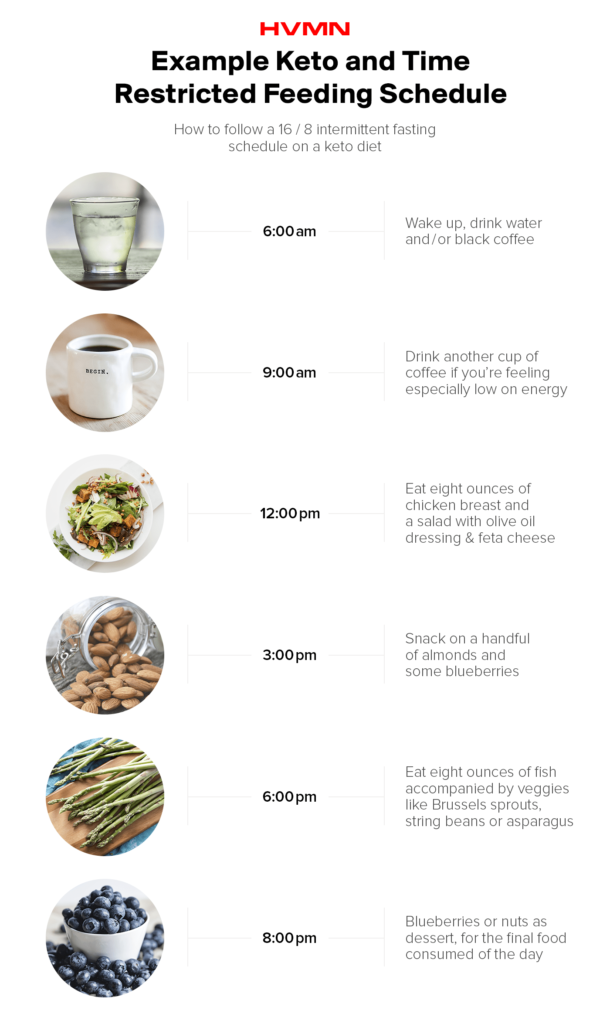
Keto breakfasts often include eggs, cheese, and healthy fats. Try a keto omelette with spinach and avocado or keto coffee with coconut oil and heavy cream.
Lunch and Dinner Ideas
For lunch and dinner, choose protein-rich foods like meat, fish, and poultry, with low-carb veggies. A grilled salmon with cauliflower rice or a keto beef stir-fry with broccoli are great choices.
Keto-Friendly Snacks
Snacking on keto is easy with handfuls of nuts, cheese sticks, or keto fat bombs. These snacks are tasty and keep your macro balance.
Navigating Social Situations and Eating Out
Keeping up with a keto diet doesn’t mean you have to skip social events or eating out. With some planning and knowledge, you can enjoy meals out and socializing while sticking to your keto diet.
Restaurant Strategies for Keto Success
Choosing the right restaurant is crucial when eating out. Look for places that serve meat, fish, and veggies. Feel free to ask for keto-friendly modifications, like a side salad instead of fries. Order dishes high in healthy fats and proteins, like steak or salmon. Watch out for hidden carbs in sauces and dressings.
Handling Social Pressure and Questions
Dealing with social pressure or diet questions can be tricky. You might say, “I’m just trying to eat healthier,” or “I’m trying out different diets.” Stay calm and confident to ease any tension. Bringing a keto-friendly dish to a dinner party can also help.
Alcohol and Keto: What You Need to Know
Choosing the right alcohol is key on a keto diet. Opt for low-carb drinks like dry wines, spirits, and light beers. Avoid sugary mixers and keep an eye on your carb intake. Alcohol can weaken your willpower, so drink in moderation.
Tools and Resources for Your Keto Journey
Starting your keto journey? Having the right tools and resources can really help. You can track your progress, learn new recipes, and meet others who are on the same path.
Apps for Tracking Macros
Keeping track of your macros is key on a keto diet. Apps like MyFitnessPal and Cronometer help you log your food and check your macronutrient balance. MyFitnessPal has a huge database of foods, making it easy to track your daily intake.
| App Name | Features | Platform |
|---|---|---|
| MyFitnessPal | Large food database, barcode scanner | iOS, Android |
| Cronometer | Detailed nutrient tracking, customizable | iOS, Android |
Recommended Books and Websites
Want to learn more about the keto diet? Books like “The Keto Diet” by Leanne Vogel and websites like keto.com are great resources. “The Keto Diet” offers a detailed guide to starting and sticking with a keto lifestyle.
“The keto diet is not just a diet, it’s a lifestyle change that can lead to significant health improvements.” – Leanne Vogel,
Finding Support Communities
Looking for support on your keto journey? Joining keto communities can be a big help. Online forums like Reddit’s r/keto and Facebook groups for keto diets are great places to find recipes, advice, and stories from others.
Conclusion: Embracing the Keto Lifestyle
Adopting a keto lifestyle can change your health and wellbeing. It’s about understanding the science and benefits of the ketogenic diet. This knowledge helps you make better food choices.
The keto diet offers many benefits, like losing weight and feeling more alert. By living a keto lifestyle, you can enjoy these benefits and live a healthier life.
Starting your keto journey takes patience and persistence. With the right attitude and support, you can face any challenges. Look for keto recipes and join communities for help.
Choosing a keto lifestyle means more than just eating differently. It’s a way to improve your health for good. Every step on your keto diet journey brings you closer to a healthier, happier you.