What if the key to feeling better wasn’t about adding something to your plate, but carefully removing one common ingredient?
This comprehensive, list-based guide is designed to help you navigate the world of eating without gluten. Our primary goal is to provide a clear, actionable list of nutritious and easy-to-find items.
For some, following a specific diet is essential for managing a medical condition. For others, it’s a popular lifestyle choice linked to perceived wellness benefits.
Gluten is a group of proteins found in grains like wheat, barley, and rye. Avoiding it requires careful attention to labels and ingredients.
We’ll cover everything from naturally safe whole foods to understanding labeling standards and spotting hidden sources. The information here references U.S. FDA standards for clarity.
Starting a new way of eating can seem daunting. This professional resource aims to simplify the process, moving from foundational knowledge to practical shopping and meal planning advice.
Key Takeaways
- This guide offers a clear list of nutritious items that fit a gluten-free eating plan.
- Understanding what gluten is and where it’s found is the first step to avoiding it.
- For individuals with celiac disease, strict avoidance is medically necessary.
- Many choose this way of eating for perceived wellness benefits.
- Reading labels carefully is crucial, as gluten can hide in additives.
- The FDA has specific standards for “gluten-free” claims on packaging.
- With the right knowledge, building a varied and satisfying menu is achievable.
Understanding Gluten and the Gluten-Free Diet
Your journey begins with a simple question: what is gluten, and why does it matter? A clear answer forms the bedrock of any successful eating plan that excludes it. This section breaks down the science and the standards so you can shop and eat with confidence.
What Is Gluten, Exactly?
Gluten is not a single substance. It’s a group of proteins, primarily gliadin and glutenin, found in certain grains. These proteins are responsible for the elastic structure of dough. They trap gas during fermentation, allowing bread to rise and giving it a chewy texture.
In food production, this protein acts as a powerful binder. It provides moisture and structure to everything from pasta to pastries. This functional role is why it’s so prevalent in many processed products.
The primary sources are wheat, rye, and barley. Wheat itself has many varieties that all contain gluten. These include spelt, kamut, farro, and durum. Knowing these names is your first line of defense.
The Standard for “Gluten-Free” Labeling in the U.S.
In the United States, the term “gluten-free” on a package is a regulated claim. The U.S. Food and Drug Administration (FDA) sets a strict threshold. A labeled gluten-free item must contain 20 parts per million (ppm) or less parts per million gluten.
This is an international safety standard. It’s important to understand that gluten-free does not mean zero gluten. The 20 ppm level is scientifically considered safe for the vast majority of people with celiac disease.
This rule creates vital consumer trust. It allows for safe shopping, especially for those with medical needs. You can rely on this label when it appears on packaged goods.
Oats present a special case. They are naturally gluten-free but are frequently contaminated during growing or processing. For this reason, you must look for oats certified as gluten-free.
Beyond obvious sources, this protein can hide in additives, flavorings, and thickeners. Learning to spot these hidden ingredients is a critical skill, which we will explore in detail later.
The FDA’s 20 ppm standard provides a clear, measurable benchmark for safety, transforming a complex dietary need into a manageable shopping task.
Armed with this knowledge, you can better interpret labels. You can also understand the scope of your new diet. This foundation prepares you to explore the wide array of safe and nutritious options available.
Who Benefits from Gluten-Free Health Food?
While popular in wellness circles, eliminating gluten serves a vital medical purpose for specific groups. For others, it’s a personal choice. Understanding the difference helps you make decisions aligned with your well-being.
This section clarifies who needs this eating plan and why. It separates medical necessity from managed sensitivity.
Celiac Disease: A Medical Necessity
Celiac disease is a serious autoimmune disorder. Ingesting gluten triggers the immune system to attack the lining of the small intestine.
This damage impairs nutrient absorption. It can lead to malnutrition and other complications over time.
For individuals with this disease, strict, lifelong avoidance is the only treatment. There is no cure.
Common symptoms vary widely but can include:
- Digestive distress (bloating, diarrhea, constipation)
- Chronic fatigue and anemia
- Unexplained weight loss
- Skin rashes like dermatitis herpetiformis
- Headaches or “brain fog”
Non-Celiac Gluten Sensitivity
Non-celiac gluten sensitivity (NCGS) is a recognized condition. People experience relief from symptoms when they remove gluten.
Unlike celiac disease, it does not cause intestinal damage or involve the same autoimmune response. Diagnosis is often made by excluding celiac disease and wheat allergy.
The table below highlights key differences between these two primary conditions.
| Aspect | Celiac Disease | Non-Celiac Gluten Sensitivity (NCGS) |
|---|---|---|
| Nature | Autoimmune disorder | Functional gastrointestinal disorder |
| Intestinal Damage | Yes, to the villi | No observable damage |
| Diagnostic Test | Blood tests (antibodies) & intestinal biopsy | Diagnosis of exclusion; no definitive test |
| Immune Response | Adaptive immune system activation | Innate immune system may be involved |
| Long-Term Risk | Increased if untreated (e.g., osteoporosis, lymphoma) | No known increased long-term disease risk |
| Treatment | Strict, lifelong gluten-free diet | Symptom-driven, often a gluten-free or reduced-gluten diet |
Important Considerations for Others
Other groups may explore this eating approach. Those with a diagnosed wheat allergy must avoid wheat proteins.
Some research suggests a low-FODMAP diet, which often reduces gluten, can help manage Irritable Bowel Syndrome (IBS). It is not a universal recommendation.
Self-diagnosis can be misleading. Many symptoms overlap with other conditions. A proper evaluation by a healthcare professional is essential for an accurate diagnosis and effective management plan.
For the general population, adopting a gluten-free diet without medical need carries risk. It offers no proven health benefit.
It may lead to deficiencies in fiber, B vitamins, and iron. Many processed substitute items are higher in sugar and fat.
Consulting a healthcare provider ensures your nutritional choices support your specific needs. They can guide you safely.
Your Comprehensive List of Naturally Gluten-Free Foods
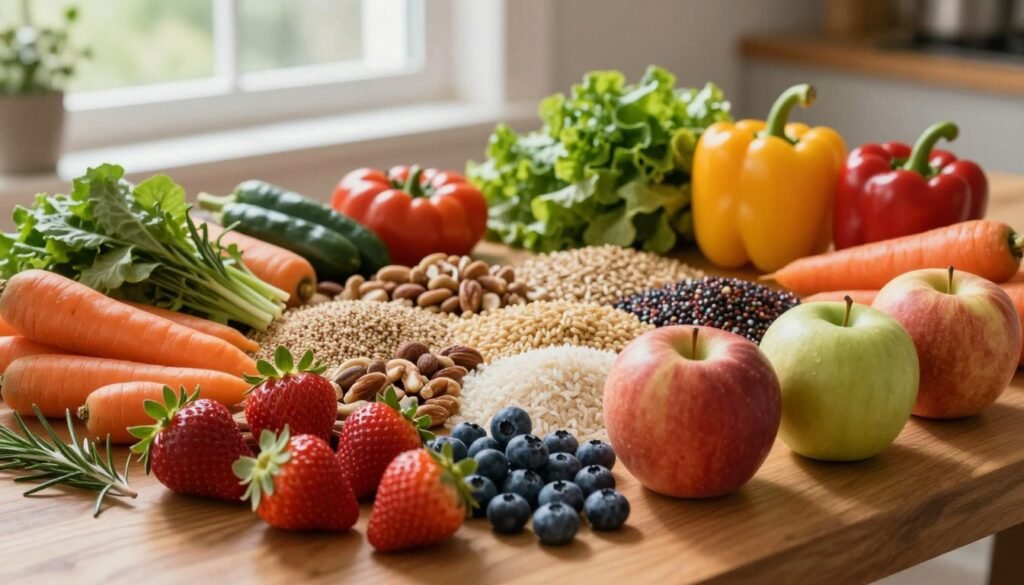
Forget complicated substitutes. The most powerful items for your pantry are those that don’t require a label check.
The safest and most nutritious approach is simple. Build your meals around whole, single-ingredient items. These are naturally gluten-free and packed with vitality.
The Foundation: Whole, Unprocessed Foods
These categories form the core of a vibrant and satisfying eating plan. They provide essential nutrients without the guesswork.
Focusing on these foods minimizes reliance on specialty products. It also maximizes your intake of vitamins, minerals, and fiber.
| Category | Examples | Key Notes |
|---|---|---|
| Fruits | Citrus (oranges, lemons), bananas, apples, berries, peaches, pears. | All fresh fruits are inherently safe. They are perfect for snacks, salads, and desserts. |
| Vegetables | Cruciferous (broccoli, cauliflower), leafy greens (spinach, kale), potatoes, corn, squash, bell peppers, mushrooms, onions, carrots. | All fresh vegetables are excellent choices. They provide color, texture, and crucial nutrients to every plate. |
| Proteins & Legumes | Fresh meats, poultry, seafood, eggs. Legumes: beans, lentils, peas, peanuts. Nuts and sources like almonds, walnuts, chia seeds, flax seeds. | Unprocessed animal proteins are inherently safe. Legumes, nuts, and seeds are key plant-based protein and fat sources. |
| Dairy | Plain milk, butter, natural cheeses, plain yogurt. | Most plain dairy products are naturally gluten-free. Always check flavored or processed varieties separately. |
| Fats & Oils | Olive oil, avocado oil, coconut oil, butter. | Pure fats and oils are generally safe. They contain no gluten from grains. |
This list forms your dietary bedrock. It empowers you to create countless meals with confidence.
You gain variety and flavor while ensuring safety. Embrace these foods naturally gluten-free as the cornerstone of your kitchen.
Gluten-Free Whole Grains and Starches to Enjoy
The truth is, eliminating gluten from your diet does not require you to abandon grains entirely. A world of nutritious, satisfying options awaits. This section maps out the safe grains and starches that can become the hearty foundation of your meals.
Focusing on these staples provides essential fiber, vitamins, and energy. You can enjoy a diverse and flavorful plate while adhering to your plan.
Safe and Nutritious Grain Choices
Many whole grains are naturally safe and offer robust nutritional profiles. They are versatile for side dishes, salads, and baking.
Integrating these foods adds texture and substance to your eating routine. Here is a list of reliable staples to seek out:
- Quinoa: A complete protein, cooks quickly, and has a mild, nutty flavor.
- Brown Rice & Wild Rice: Whole-grain rice varieties are excellent bases for bowls and pilafs.
- Buckwheat: Despite its name, it’s unrelated to wheat. Use its flour for pancakes or enjoy whole groats.
- Millet & Sorghum: Small, mild grains perfect for porridge or as a rice alternative.
- Amaranth & Teff: Tiny, nutrient-dense seeds often used in gluten-free flour blends.
- Tapioca & Arrowroot: Starches derived from roots. They are superb thickeners for sauces and puddings.
Understanding Oats: The Need for Certification
Oats present a unique case. They are inherently free of the proteins that contain gluten.
However, they are almost always contaminated during farming or processing. They are typically grown near fields of wheat or barley and processed on shared equipment.
For this reason, standard oats are not safe. You must only purchase packages labeled gluten-free or “certified gluten-free.”
This certification ensures dedicated fields and facilities. It guarantees the final products meet the strict FDA standard.
Regular oats are a high-risk item for cross-contact. Certified gluten-free oats are the only safe choice for those with celiac disease or sensitivity.
Grains and Wheat Varieties to Absolutely Avoid
Certain grains and their derivatives must be strictly eliminated. They inherently contain gluten and will trigger a reaction.
The primary offenders are wheat (in all its forms), rye, and barley. A hybrid grain called triticale (a cross between wheat and rye) is also unsafe.
Be aware of all wheat varieties, which are often marketed as ancient or heritage grains. These include:
- Spelt, Kamut, and Einkorn
- Farro and Durum
- Semolina, Graham, and Bulgur
These forbidden ingredients are common in everyday foods. You will find them in most conventional bread, pasta, cereals, crackers, and baked goods.
Always read labels meticulously, even on items made from safe grains. Cross-contamination in shared manufacturing facilities is a real concern.
For baking, consider nut-based flours like almond or coconut flour. They are excellent alternatives but are distinct from grain-based flours.
Navigating Fruits and Vegetables
When it comes to fresh produce, the rules are beautifully simple. This section clarifies the safe, no-worry choices and highlights where your attention is needed for packaged items.
Understanding this distinction empowers you to shop efficiently. You can enjoy abundant variety while maintaining complete confidence in your selections.
All Fresh Produce is Naturally Safe
Here is the foundational rule you can always rely on. All fresh, whole fruits and vegetables are inherently safe to eat.
You do not need to inspect a label on an apple, a bunch of spinach, or a head of broccoli. These whole foods are naturally gluten-free and perfect for your plan.
This category includes every variety you find in the produce section. Berries, citrus, leafy greens, root vegetables, and bell peppers are all excellent choices.
Fill your cart with these colorful, nutrient-rich items. They form the vibrant foundation of countless satisfying meals.
Processed Fruits and Vegetables to Scrutinize
The potential for concern begins with processing, packaging, or adding preparation. While convenient, these products may include unsafe additives.
Your vigilance should focus on canned, frozen, dried, or pre-chopped items. Always check the label and ingredient list carefully.
Canned goods packed in sauce, glaze, or broth often use wheat-based thickeners. Plain versions packed in water or their own juice are typically fine.
Frozen varieties are straightforward if they contain only the vegetables or fruits. Those with added cheese sauce, seasonings, or in a meal kit must be investigated.
Dried fruits sometimes use wheat starch to prevent clumping. Pre-chopped salads or veggie trays risk cross-contact in shared preparation areas.
Specific ingredients to watch for on these packages include:
- Modified food starch (from wheat)
- Hydrolyzed wheat protein
- Malt flavoring or extract
- Wheat-based thickeners
The safest strategy for processed items is to look for a certified gluten-free label or stick to plain, single-ingredient options.
When in doubt, opt for fresh or plain frozen varieties. This approach simplifies your routine and eliminates guesswork.
By focusing on whole foods and reading labels on processed ones, you navigate this category with ease. Your plate will be both safe and full of flavor.
Building Your Plate with Gluten-Free Proteins
Navigating the world of proteins on a gluten-free plan is largely about knowing where to look and what to avoid. This macronutrient is essential for energy and satiety. Fortunately, a vast array of safe and delicious options exists.
Your focus should be on whole, single-ingredient sources. These are your safest and most nutritious bets. Processed items, however, demand careful attention to their labels.
Fresh Meats, Poultry, Seafood, and Plant-Based Proteins
The rule here is beautifully straightforward. Whole, unprocessed animal and plant protein foods are inherently safe.
This includes all fresh cuts of beef, pork, lamb, and chicken. It also covers fresh fish and shellfish. Eggs are another perfectly safe and versatile choice.
For plant-based eaters, many excellent options are naturally compliant. Think plain tofu, tempeh, and edamame. All beans, lentils, peas, nuts, and seeds are also great sources.
You can purchase these items with confidence. No label reading is needed for a plain chicken breast or a bag of lentils.
Processed Proteins That Require a Label Check
The primary risk with protein comes from added ingredients during processing or preparation. Gluten is often introduced as a binder, filler, or flavoring agent.
You must inspect labels on any pre-prepared meats or substitutes. Common culprits include deli meats, sausages, and hot dogs.
Pre-formed burger patties, meatballs, and imitation crab meat often contain problematic additives. Even ground meats sometimes include fillers.
Marinades, rubs, gravies, and sauces are frequent hidden sources. Teriyaki, barbecue sauce, and soy sauce typically contain wheat.
The safest strategy is to buy plain, unseasoned cuts. Then, add your own certified safe seasonings at home.
| Safe Whole Protein Choices | Processed Proteins Needing Scrutiny |
|---|---|
| Fresh beef, chicken, pork, lamb | Deli meats and cold cuts |
| Fresh fish and shellfish | Sausages, hot dogs, brats |
| Whole eggs | Pre-marinated or sauced cuts |
| Plain tofu and tempeh | Imitation crab or seafood blends |
| Dried beans, lentils, chickpeas | Frozen pre-cooked meat products |
| Raw nuts and seeds | Many plant-based meat alternatives |
Protein Sources That Contain Gluten
Some protein products are obvious hazards. Breaded chicken, fish sticks, or fried cutlets are made with wheat-based coatings.
Seitan is a popular plant-based protein made almost entirely from vital wheat gluten. It must be strictly avoided.
Cross-contact is a major concern, especially when dining out. A plain grilled steak is safe, but if cooked on a grill shared with breaded items, it may not be.
Always ask detailed questions at restaurants. Inquire about marinades, shared fryers, and preparation surfaces.
When in doubt, the ingredient list is your most reliable guide. If you see wheat, barley, rye, or malt, put the item back.
Many people find success by focusing on whole foods. This approach minimizes risk and maximizes nutritional quality. It simplifies your shopping and cooking routine dramatically.
Dairy, Fats, Oils, and Beverages
Completing your pantry requires understanding a final group of everyday items. Dairy, fats, and drinks are kitchen staples that seem straightforward.
Their safety, however, often depends on whether they are in their pure, simple form. This section clarifies which items are inherently safe and which demand a second look.
Most Dairy Products are Naturally Gluten-Free
Basic, unprocessed dairy products are excellent choices. Items like plain milk, natural cheeses, butter, cream, and unflavored yogurt contain no gluten from grains.
You can purchase these with confidence. They provide essential calcium and protein for your plan.
Exceptions exist with flavored or highly processed varieties. Always check the label on chocolate milk, fruit yogurts, or drinkable yogurts.
Some ice creams with cookie dough or brownie pieces contain gluten. Processed cheese spreads and certain sauces may use wheat starch as a stabilizer.
Reading the ingredient list is your best practice here. Look for certified labels on these specific products.
Fats and Oils: Generally Safe with Exceptions
Pure fats and oils are another simple category. Olive oil, avocado oil, coconut oil, and butter are inherently free of problematic ingredients.
They are derived from plants, nuts, or milk. You can use them liberally in cooking and baking.
Caution is needed with infused or flavored versions. Herb-infused oils or spiced cooking sprays could introduce gluten.
Some pre-mixed seasoning blends in oil bases might also be problematic. A quick scan of the label verifies their safety.
Stick to basic, single-ingredient products for absolute certainty. This approach simplifies your routine.
Choosing Safe Beverages, Alcoholic and Non-Alcoholic
Many everyday drinks are naturally safe. Water, plain coffee, tea, and 100% fruit juice are excellent choices.
Wine and hard cider are also generally considered safe for a gluten-free diet. They are fermented from grapes or apples.
The topic of distilled spirits is more complex. Vodka, gin, and whiskey are distilled, which removes gluten proteins.
The FDA states these products can be labeled gluten-free if no gluten ingredients are used. However, some people with celiac disease report reactions.
Traditional beer, ale, and lager made from barley or wheat are unsafe. You must avoid them entirely.
For reliable alternatives, seek out certified gluten-free beers, hard ciders, and spirits specifically labeled for this diet. These are manufactured to avoid cross-contact.
Always inspect labels on any pre-made or flavored drinks. This includes smoothies, drink mixes, and cocktail mixers.
They can contain malt flavoring or other hidden ingredients. Making your own at home gives you full control.
Focusing on whole, simple food and drinks supports your overall health. It removes unnecessary risk from your daily choices.
The Hidden Gluten: Spices, Sauces, and Condiments
Spices and condiments, while small, pack a significant risk for unintended exposure. These flavor enhancers are the most common source of hidden problematic ingredients.
They often use wheat or barley derivatives as thickeners, stabilizers, or flavor carriers. A single contaminated bottle can undermine your entire meal.
Simple, Single-Ingredient Spices and Vinegars
You can breathe easy with pure, single-component items. Whole herbs and ground spices like rosemary, thyme, paprika, and black pepper are inherently safe.
The same rule applies to pure vinegars. Distilled white vinegar and apple cider vinegar are excellent choices. They contain no gluten from grains.
Always purchase these products in their simplest form. This minimizes your risk right from the start.
Condiments and Sauces That Often Contain Gluten
Pre-mixed blends and prepared sauces require your full attention. They are high-risk due to added components.
Wheat flour or starch is a common thickener in many gravies and sauces. Malt vinegar, derived from barley, is not safe for your diet.
You must diligently check the label on these everyday items:
- Soy sauce, teriyaki, and Worcestershire sauce
- Barbecue sauce, ketchup, and mustard
- Salad dressings and mayonnaise
- Marinades, pasta sauces, and gravy mixes
- Pre-made spice blends and stock cubes
Even a small amount of a contaminated condiment can render an otherwise safe meal unsafe. This is especially critical for individuals with celiac disease.
Key Ingredients to Look For on Labels
Your most powerful tool is careful scrutiny of every label. You must read labels for specific, problematic terms.
Watch for these ingredients that often contain gluten:
- Wheat starch or hydrolyzed wheat protein
- Malt flavoring, malt extract, or maltodextrin (if from wheat)
- Modified food starch (unless specified as corn or potato)
When you see wheat, barley, rye, or malt listed, put the item back. These are clear indicators the product is not compliant.
Safer alternatives exist for many favorite flavors. Seek out tamari (a gluten-free soy sauce), coconut aminos, and certified gluten-free versions of condiments.
Focusing on whole, simple food and making your own sauces gives you complete control. It ensures your ingredients are safe and your meals are flavorful.
Smart Shopping: How to Read Labels and Avoid Cross-Contamination
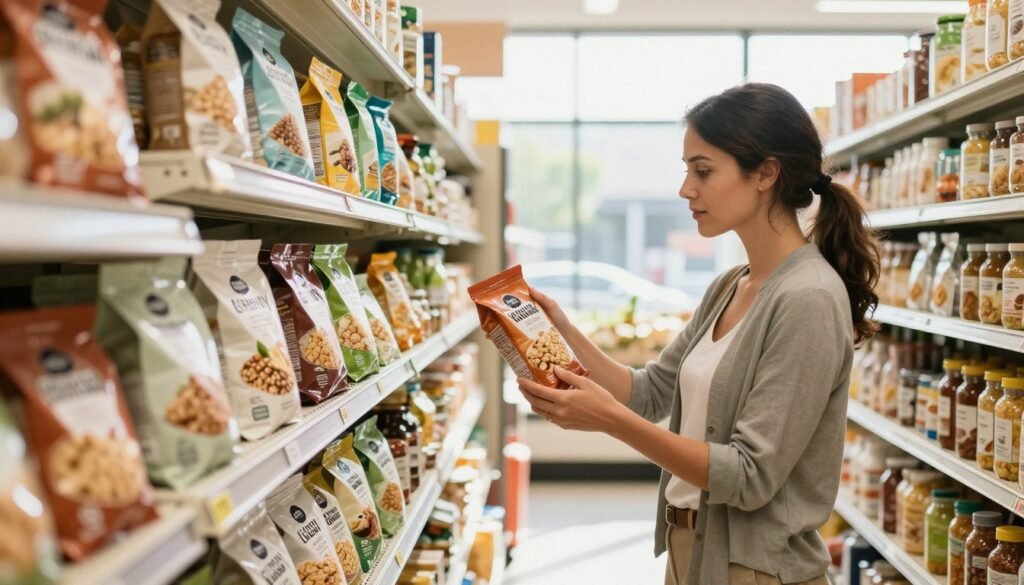
Your shopping cart’s safety hinges on two core practices: intelligent label reading and proactive contamination prevention. This final skill set turns knowledge into confident, everyday action.
Mastering these areas ensures your choices align with your needs. It protects you from unintended exposure and supports your overall well-being.
Decoding the “Gluten-Free” Claim and Ingredient Lists
Not all packaging claims are equal. Understand this hierarchy of trust when you read labels.
A certified “gluten-free” label is your most reliable guide. It signifies the product meets the strict FDA standard of less than 20 ppm.
If that label is absent, your next step is the ingredient list and allergen statement. Look for a “Contains: Wheat” warning first. This is a clear sign to avoid the item.
You must also recognize synonyms and code words. These ingredients often contain gluten:
- Modified food starch (if from wheat)
- Malt flavoring, extract, or syrup
- Hydrolyzed wheat protein
- Seitan (vital wheat gluten)
- Wheat flour or gluten stabilizer
Remember, an ingredient list has limits. It does not disclose cross-contact during manufacturing. A seemingly safe list doesn’t guarantee a safe facility.
Questions to Ask About Manufacturing Processes
Your vigilance must extend beyond the package. Research a brand’s practices to assess risk.
Look for phrases like “made in a dedicated facility” on packaging. This indicates a lower chance of cross-contact.
When in doubt, contact the company directly. Ask specific questions:
- Is this product made on shared equipment with wheat, barley, or rye?
- Do you test your final products for gluten content?
- What are your allergen control protocols?
At home, cross-contamination is a real concern. Crumbs and residues can spread easily.
Use separate toasters, colanders, and cutting boards. Keep condiment jars clean to prevent crumbs from spreading.
Designate a “safe” area in your pantry and fridge. This simple step prevents mistakes.
| Level of Trust | What to Look For | What It Means |
|---|---|---|
| Highest Confidence | Certified “Gluten-Free” seal (e.g., GFCO) | Product is tested and meets a strict standard (often 10 ppm or less). |
| Strong Assurance | FDA “Gluten-Free” claim on label | Manufacturer claims compliance with the 20 ppm FDA rule. |
| Requires Scrutiny | No claim, but a clean ingredient list & no “Contains: Wheat” | Product may be inherently safe but risk of cross-contact is unknown. |
| Not Safe | Wheat, barley, rye, or malt in ingredients OR “Contains: Wheat” statement | Product definitely contains gluten and must be avoided. |
Planning Balanced and Nutrient-Dense Meals
Following a specific diet requires conscious nutritional strategy. Simply removing items is not enough.
Many people focus only on avoidance. This can lead to gaps in fiber, B vitamins, and iron.
Your goal is to replace the nutrients often found in fortified wheat products. A varied plate is your best tool.
Incorporate a wide range of the naturally safe foods you’ve learned about. Build meals around quinoa, leafy greens, legumes, and nuts.
These items ensure adequate fiber and micronutrient intake. They support sustained energy and vitality.
For personalized guidance, especially after a new diagnosis, consult a registered dietitian. They can create a meal plan that meets your nutritional needs while adhering to your requirements.
This proactive approach turns a restrictive plan into an opportunity for vibrant eating. You gain control over both safety and nourishment.
Combine smart label reading with intentional meal planning. This is the foundation for long-term success and confidence in your choices.
Conclusion: Embracing a Healthy, Gluten-Free Lifestyle
Your commitment to understanding ingredients lays the groundwork for a vibrant and secure lifestyle. A successful gluten-free diet is built on whole, naturally safe foods and informed, vigilant shopping.
For people with celiac disease or sensitivity, this plan is essential medical treatment. It requires lifelong dedication. Initially challenging, growing options and resources make it manageable.
Avoid over-relying on processed substitute products like bread. These can be low in nutrients. Instead, view this as a chance to explore new grains and recipes.
Continuous learning is key, as formulations change. Build a support network with healthcare professionals. Follow gluten-free practices to minimize risk. You are now equipped to make confident choices that support your health.