Can you turn classic comfort dishes into dishes your table actually trusts?
You face steady food preferences that began in childhood, and you want dinner to be both satisfying and sensible. This guide shows how a strategic approach balances nutrient density with familiar flavor.
Louise Miller from Westminster, Maryland, swears by baked spaghetti as a cozy, crowd-pleasing option that still lets you sneak in better ingredients.
By focusing on simple, high-quality staples and small swaps, you can reshape routine plates into nourishing wins without losing the comfort you love.
Expect practical tips that help you navigate stubborn tastes, keep meals enjoyable, and make balanced choices feel effortless at dinnertime.
Key Takeaways
- Use familiar flavors to introduce more nutrient-rich swaps.
- Simple, quality ingredients make a big difference.
- One beloved recipe can guide weekly planning.
- Small changes keep enjoyment while improving balance.
- This guide gives step-by-step, actionable ideas you can use tonight.
Understanding the Psychology of Picky Eating in Adults
Your sense of texture and scent often decides whether you try something new at the table. Sensory reactions shape taste preferences more than you might expect. When a bite feels odd or an aroma is sharp, your brain can reject it before you finish chewing.
Texture and smell matter. Many people reject foods because they dread a slimy or grainy feel. A single strong scent can also make an otherwise fine dish unappealing.
The Role of Texture and Smell
A balanced meal plan often fails when it ignores these preferences. If you ignore texture and aroma, both cook and diner end up frustrated.
Overcoming Fear of New Foods
Change is gradual. Start with tiny, familiar swaps and repeat them. This lowers anxiety and makes new foods less threatening.
- Respect sensory limits; push too fast and the eater will pull back.
- Offer safe choices alongside one small, novel item to build trust.
- Celebrate small wins to encourage more exploration over time.
By acknowledging these psychological factors, you create a calmer table. That supportive approach makes it easier to expand tastes and try a wider range of foods.
Essential Strategies for Healthy Meals for Picky Eaters Adults
Let classic family dishes guide your changes—tiny tweaks keep flavors you trust while adding better options.
Play to strengths. Start by adapting a beloved recipe and make one swap at a time. Lower spice levels, separate sauces, or change texture slightly so the eater recognizes the dish.
Offer a reliable safe food on the plate alongside a small new item. That steady option reduces mealtime stress and opens space for curiosity.
Focus on texture and presentation. Many successful recipes keep familiar feels—crisp edges, smooth sauces, or chunky but not mushy components. Gousto’s approach shows you can win by adjusting how a dish is plated or sauced.
Be patient and celebrate wins. Praise a single bite of a new food and try it again a few nights later. Over time, these tiny successes add up and help your family accept more variety.
- Adapt favorites, don’t replace them.
- Keep one safe choice each meal.
- Slowly vary texture and spice.
Nutrient-Dense Breakfast Ideas to Start Your Day
Small changes at breakfast make a big difference in daily intake and family acceptance.
Smoothies with Hidden Greens
Spinach and banana smoothies mask greens with sweet fruit. Blend a cup of spinach with banana, yogurt, and a splash of milk. Kids often don’t notice the flavor, but they get a full cup of spinach.
Tip: Add nut butter or oats for extra protein and texture.
Whole Grain Breakfast Staples
Anjali Shah’s green waffles use spinach and are ready in 15 minutes. Whole grain french toast sticks add fiber and protein, and quinoa oatmeal offers a hearty, protein-packed alternative to regular oats.
Mix avocado puree into scrambled eggs for a creamy, nutrient-rich dish that works across ages.
| Recipe | Prep time | Key nutrient | Kid-friendly |
|---|---|---|---|
| Green waffles (spinach) | 15 minutes | Iron & fiber | Yes |
| Spinach-banana smoothie | 5 minutes | Vitamin A & protein | Yes |
| Quinoa oatmeal | 10 minutes | Protein & fiber | Often |
Quick ideas like these save time and keep breakfast familiar. Try one recipe a week and watch acceptance grow.
Creative Ways to Incorporate Vegetables into Familiar Dishes
Pureed vegetables slip into comfort sauces and quietly upgrade a favorite recipe. That subtle move keeps the look and flavor your family trusts while adding real nutrients.
Marinara and tomato soup are easy places to start. Blend zucchini or spinach into marinara to boost fiber and keep pasta appealing. Anjali Shah’s tip of hiding pureed veg in tomato soup makes a classic still feel like comfort food to kids.
Add pureed broccoli into a rich cheese sauce so greens vanish in a creamy topping. Use cauliflower purée in enchilada sauce to add body and fiber without changing the familiar flavor profile.
- Mix sweet potato purée into taco meat or chili for natural sweetness and added vitamins.
- Stir purees into gravies or pan sauces alongside chicken to raise protein and fiber subtly.
- Keep texture smooth so the vegetable is an invisible ingredient that supports the original dish.
These techniques preserve the original recipe while boosting nutrition. Try one swap this week and note which additions the family accepts best.
Quick and Easy Lunch Solutions for Busy Schedules
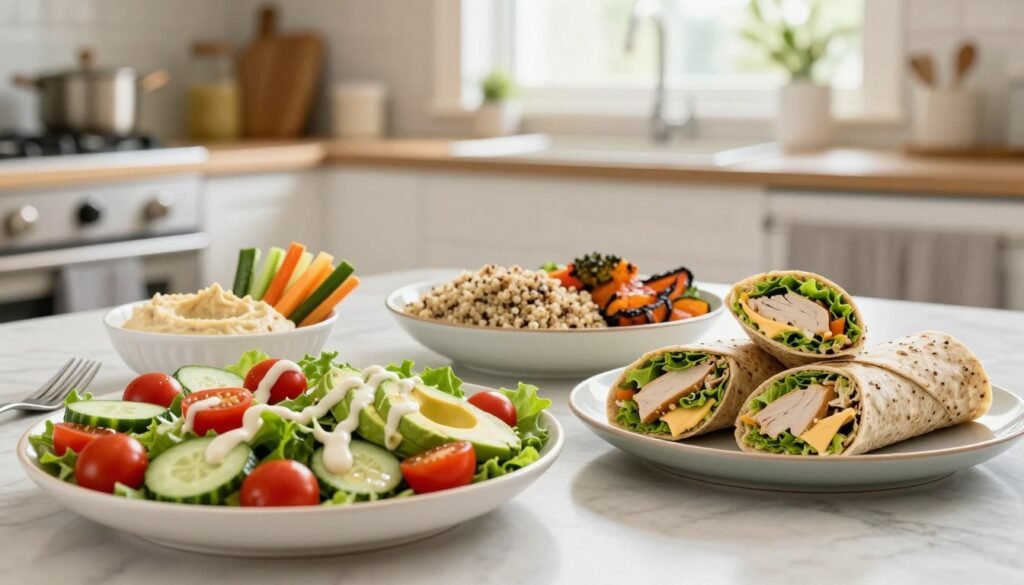
Fast lunches do not have to be boring. You can pull together options in minutes that please kids and the rest of the family.
Pita pizzas let kids pick toppings so they try more vegetables. Healthy falafel wraps with hummus and crisp veg are quick to assemble and travel well.
Banana and peanut butter on whole grain bread takes about 15 minutes and packs fiber and protein. Loaded veggie nachos with black beans and corn feel like a treat but deliver balance.
| Recipe | Prep time | Key nutrient | Kid-friendly |
|---|---|---|---|
| Pita pizza | 10 minutes | Vegetables & fiber | Yes |
| Falafel wrap | 12 minutes | Protein & fiber | Often |
| Banana PB sandwich | 5 minutes | Fiber & protein | Yes |
| Loaded veggie nachos | 15 minutes | Beans & veggies | Yes |
| Veggie burger + fries | 20 minutes (air-fry) | Protein & sweet potatoes | Often |
These recipes save time and use familiar ingredients. Try one new recipe each week to keep lunches varied and easy to prepare.
Comforting Pasta Dishes That Pack a Nutritional Punch
Pasta can feel like comfort and still deliver a real nutritional boost when you choose smarter ingredients.
Start with red lentil pasta. It offers 10–15 grams of protein per serving and adds fiber, so marinara becomes a more filling base without extra prep.
Try garlic veggie pasta topped with parmesan cheese. Toss in broccoli and zucchini so familiar textures stay front and center.
Make mac cheese that hides steamed broccoli in the sauce. The dish stays gooey and cheesy enough that kids ask for seconds.
Stuffed shells from Dolores Betchner are savory and guest-ready. Danette Forbes’ chicken bow tie pasta mixes diced chicken and veg and comes together in minutes—perfect for quick weeknight dinner.
- These recipes take under 30 minutes and keep flavors intact.
- Small ingredient swaps—red lentil pasta, extra vegetables, or a little butter—boost protein and fiber.
- Serve with a side of potatoes or rice if you want more variety.
Elevating Classic Sandwiches with Wholesome Ingredients
Classic sandwiches are the easiest place to add small upgrades that lift taste and nutrition without fuss.
Start with better bread and smarter spreads. Swap white slices for whole grain to add fiber and keep the familiar texture you like. Trade sugary jams for honey or nut butters to add protein without losing sweetness.
Choosing Better Bread and Spreads
Josh Rink of Taste of Home notes that spreading a mix of mayo and butter on the outside of the loaf creates a crisp, golden crust when you grill it.
“Spreading a mixture of mayo and butter on bread creates a crispy crust.”
For bold flavor, make a decadent grilled cheese by adding pepperoni and a blend of five cheeses. Or try the Posh Fish Finger Sandwich on brioche with dill mayo to level up a childhood favorite.
- Choose whole grain bread to raise fiber in your go-to recipe.
- Replace sugary spreads with honey or nut butters for extra protein.
- Use crisping fats like a mayo-butter mix to boost texture and appeal.
These tweaks keep lunch comforting while improving nutrient balance and flavor in every bite of your favorite sandwich recipe.
Protein-Packed Dinner Options for Every Palate
Weeknight dinners should deliver flavor and muscle. Pick recipes that combine familiar textures with solid protein so you can serve a satisfying meal in minutes.
Fast family hits: Debi Lane’s crunchy beef burritos warm quickly in a microwave and make a reliable grab-and-go dinner. Jennifer Gilbert’s three-cheese meatball mostaccioli blends cheese and beef into a hearty pasta dish that kids often ask for again.
Taco stuffed shells from Anne Thomsen cut fat without losing taste, and Maxine Neuhauser’s skillet beef and macaroni is a time-saver when you need dinner in 30 minutes. Donna Roberts’ stovetop beef and shells pairs well with a simple salad or fruit.
- Mix beans, chicken, or beef to rotate protein across the week.
- Keep one familiar ingredient on the plate to ease new flavors in.
- Look for recipes that finish in 30 minutes to fit busy schedules.
| Recipe | Primary protein | Prep time |
|---|---|---|
| Crunchy beef burritos | Beef | 10 minutes (warm-up) |
| Three-cheese meatball mostaccioli | Beef & cheese | 30 minutes |
| Taco stuffed shells | Chicken or beef | 25 minutes |
| Skillet beef and macaroni | Beef | 20 minutes |
Mastering the Art of Self-Assembly Taco Nights
A DIY taco night saves prep time and puts flavor choices in everyone’s hands.
Set a simple station with warmed ten-minute chipotle pulled pork, bowls of salsa, shredded cheese, and a small dish of seasoned rice. Let each person build their own plate so no one feels pressured to eat something they didn’t choose.
Try Walking Tacos, a tip from Beverly Matthews, when you need a grab-and-go option. Fill single-serve chip bags with meat, beans, salsa, and toppings so the snack becomes a portable dinner.
Interactive assembly boosts interest in food and makes the table more fun. When everyone customizes a dish, the cook can relax and the group shares the joy of trying new combinations.
| Station Item | Prep Time | Role |
|---|---|---|
| Chipotle pulled pork | 10 minutes (warm) | Main protein |
| Salsa & toppings | 5 minutes | Flavor variety |
| Shredded cheese & rice | 3 minutes | Texture and bulk |
- Keep labels so guests pick what they want quickly.
- Offer mild and bold sauces to suit different tastes.
- Rotate one new topping each week to expand preferences slowly.
Healthy Versions of Your Favorite Takeout Foods
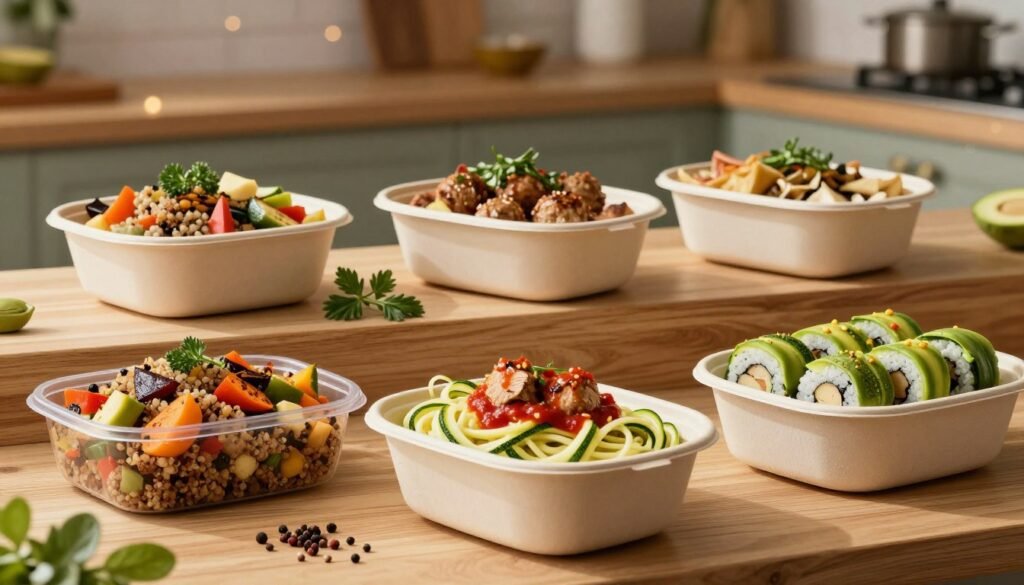
Turn your favorite delivery classics into quick kitchen wins that everyone at the table will actually enjoy.
Make takeout-style dishes at home in under 30 minutes by using smarter ingredients and simple swaps. Jeni Pittard’s copycat Chick-fil-A chicken nuggets give you that familiar crunch and chicken flavor without calling for delivery. Homemade black bean burgers pack protein and fiber so they feel like a true fast-food option but land lighter on the plate.
Homemade Pizza Alternatives
Try an easy triple cheese recipe on a pliable New York-style crust or a cast-iron version using frozen bread dough for a deep, crisp edge. Add garlic and broccoli as toppings to boost veggies and fiber while keeping the cheese pull everyone loves.
Healthier Burger Swaps
Swap beef for black beans or a mixed chicken-beef patty to raise protein and lower fat. Serve with roasted potatoes or a small side of rice and a tangy sauce so kids still feel like it’s a takeout night.
- These recipes are designed to be ready in 30 minutes.
- Use fresh ingredients to lift flavor without extra butter or heavy sauces.
- Small swaps keep the dish familiar while improving nutrition and texture.
Simple Casseroles That Even Skeptical Eaters Will Love
A single baked dish can turn fridge odds and ends into a crowd-pleasing family favorite in under 30 minutes.
These easy recipes hide vegetables, add fiber, and keep familiar flavors kids trust. You can make a French Fry Casserole that layers potatoes and cheese into a four-ingredient crowd pleaser by Karen Owen.
Ravioli Casserole (Mary Ann Rothert) behaves like lasagna and uses pasta and sauce with extra veggies. Chili Cheese Dog Casserole nails a crispy cheese top and hearty beef filling. Nancy Scarlett’s Pepperoni Pizza Casserole freezes well for quick future dinners.
| Recipe | Ready in | Main ingredient | Kid-friendly |
|---|---|---|---|
| French Fry Casserole | 25 minutes | Potatoes & cheese | Yes |
| Ravioli Casserole | 30 minutes | Pasta & tomato sauce | Yes |
| Chili Cheese Dog Casserole | 20 minutes | Beef & cheese | Often |
| Pepperoni Pizza Casserole | 30 minutes (freeze option) | Pepperoni & tomato | Yes |
Quick tip: add grated carrots or beans into the base and a touch of butter or salt to keep texture and flavor familiar. Serve with a simple rice or side salad to round out the meal.
Incorporating Fiber and Protein into Sweet Treats
A sweet treat can double as a nutrition boost when you blend fiber and protein into the recipe. You don’t need complex swaps to raise the nutrient value of desserts. Small changes keep the flavor kids know while adding lasting fullness.
Using Natural Sweeteners
Black bean brownies use an entire can of beans to create a fudgy bite that adds protein and fiber without tasting bean-like. Cocoa date balls rely on dates and peanut butter, giving zero added sugar and a chewy texture that travels well in a lunchbox.
Chocolate almond milk pudding blends avocado and cocoa into a creamy cup that boosts protein and healthy fats. Dried fruit cookies with pecans and cherries offer chew and extra fiber. Banana chocolate chip muffins use ripe bananas to sweeten the batter naturally.
- These treats prove indulgence and nutrition can coexist.
- Swap refined sugar for dates, bananas, or applesauce to keep sweetness whole and simple.
- Use a little grated cheese in some batters to add savory depth and familiar texture when desired.
Tips for Managing Texture Sensitivities at the Table
Controlling moisture and contrast on the plate eases anxiety and helps you guide a calm dining moment.
Serve vegetables as a side so they stay separate from the main food. This keeps mixed textures from overwhelming someone who prefers predictable mouthfeel.
Offer a variety of sauce options on the side. Let the eater decide how much to add. That small control can change whether a bite is accepted.
Use a self-assembly approach like a taco or pasta bar. When you let each person build their own dish, they pick what feels right.
Introduce new textures slowly alongside safe, familiar items. One new bite next to a trusted item lowers stress and raises willingness to try more later.
“Recognize texture sensitivities as a real physiological response and adapt the table accordingly.”
- Keep one predictable item on the plate.
- Provide dipping sauces and small portions of new foods.
- Encourage exploration without pressure.
These small shifts help picky eaters and any nervous diner feel supported. Over time, you can expand what appears on each dish while keeping mealtime relaxed.
How to Gradually Expand Your Culinary Comfort Zone
You widen your food repertoire by repeating low-pressure exposures to new flavors. Start with tiny, familiar anchors and give yourself patience. Change happens slowly and that is normal.
Use trusted bases like rice or cheese to present a small twist. A sprinkle of a new herb on cheesy rice feels familiar but signals variety.
Celebrate every small win. Let the person smell, touch, or taste one bite. Those moments build confidence and make the next try easier.
Keep a short food journal. Note what textures, sauces, or times of day worked best. Over weeks, patterns emerge and you can repeat what helps.
- Create low-pressure cook projects like personal pizzas so people choose toppings.
- Offer one new item beside a trusted plate to reduce stress.
- Track progress and celebrate each step as real progress.
Be consistent and kind to yourself. Over time you will expand tastes without sudden shifts, and every small success matters.
Building a Sustainable Meal Plan for Long-Term Success
Design a rotating menu that blends family favorites with one new recipe each week.
Keep variety and flexibility at the center. Pick a handful of trusted dishes and add one fresh idea so your menu stays familiar yet interesting. This helps everyone accept small changes over time.
Set aside one block of time to batch staples like rice and roasted vegetables. Having these ready shortens prep and makes assembling a quick dinner or side dish simple.
Include a crisp salad with dinner as a routine. A plain green salad or a chopped slaw adds fiber and contrasts textures you can control.
Rotate proteins and a little cheese across the week to keep plates appealing. Reuse leftovers as a base for a new dish so nothing feels repetitive.
- Plan one cooking session each week to save time.
- Mix favorites and one new healthy recipes entry weekly.
- Review the plan each month and drop or repeat recipes based on feedback.
Consistency is your ally. With simple prep and regular review, you build a lasting routine that reduces stress and keeps dinners enjoyable for everyone.
Conclusion
Small, steady changes to favorite dishes make expanding your plate feel doable.
Keep expectations low and celebrate each win. Focus on nutrient-dense ingredients and simple swaps that preserve familiar taste and texture. Try one small change at a time and repeat it until it becomes comfortable.
Consistency and a calm, supportive table make the biggest difference. When you pair patience with light experimentation, new flavors become less risky and more enjoyable. Over weeks, those tiny steps add up.
With steady effort and a few smart strategies, you can enjoy a wider range of delicious, healthy meals every day.