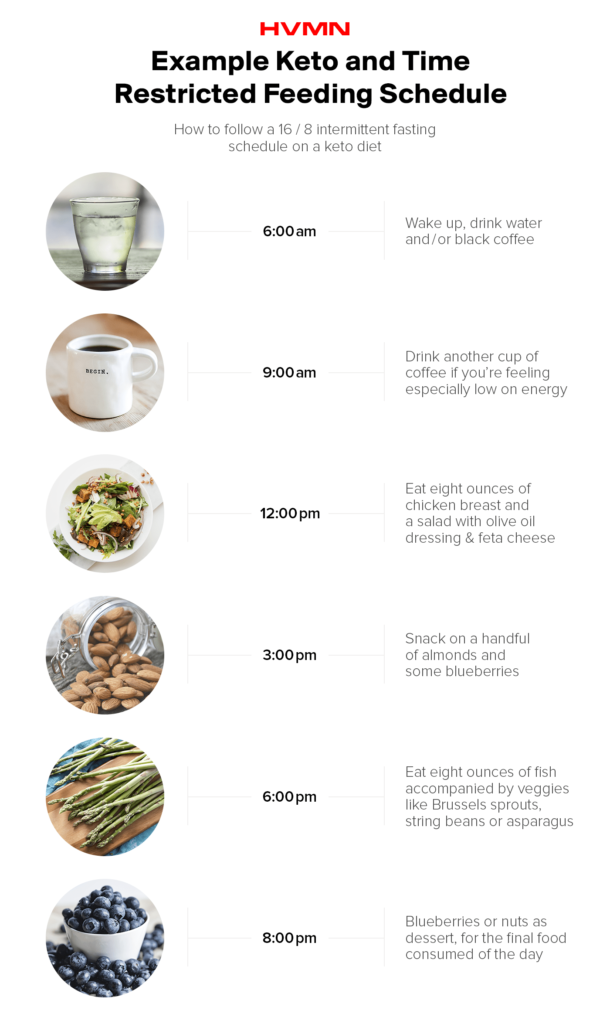
Can a satisfying dinner fit your daily plan without feeling like a compromise?
You don’t have to give up comfort to manage your intake. A well-planned meal can fuel your afternoon and keep hunger at bay.
Try brightening classic Spanish rice with lime and extra chili powder, a tip from Joan Hallford of North Richland Hills, Texas. That small twist boosts flavor without adding heavy ingredients.
Every recipe here is built to be balanced and simple to prepare. Whether you want a quick lunch or a cozy dinner, these food ideas help you stay on track while enjoying variety.
Key Takeaways
- Balanced dishes can be full of flavor and still meet your goals.
- Small tweaks, like lime and chili in Spanish rice, change a classic recipe.
- These recipes are designed to keep you satisfied during busy afternoons.
- You can plan a meal easily for lunch or dinner with simple steps.
- High-quality ingredients make staying on track more enjoyable.
Understanding the Benefits of Healthy Meals Under 500 Calories
Smart portioning and nutrient focus can make a lighter plate feel fully satisfying.
Nutritional Balance
Many recipes under 500 calories provide essential vitamins, fiber, and protein while keeping your total intake modest. This balance supports steady energy and helps you avoid the afternoon crash that comes from heavy processed food.
Each recipe aims to deliver meaningful protein per serving so you keep muscle and stay full longer. Tracking the total calories in a dish makes weekly planning easier for you and the family.
Portion Control
Portion control is the practical tool that helps you manage weight without feeling deprived. Targeting 400 calories or 500 calories per serving lets you enjoy variety while staying on track.
- Consistent energy: Low calorie choices reduce midday slump.
- Protein focus: Meals include enough protein per serving for satiety.
- Clear planning: Knowing the calorie total makes menu prep simpler.
| Goal | Typical Protein (g) | Calories per Serving |
|---|---|---|
| Light Lunch | 20–25 | 400 |
| Balanced Dinner | 25–30 | 500 |
| Snack-Forward Plate | 10–15 | 200–300 |
Energizing Breakfast Options to Start Your Day
Kickstart your morning with breakfast ideas that boost energy and focus for the whole day.
Greek yogurt is a top choice when you want more protein fast. Combine it with fresh fruit and a sprinkle of whole grain cereal for a quick recipe that tastes like a treat.
You can also build a savory bowl with leftover rice and shredded chicken for a different twist. This option gives you steady protein and a warm start if you prefer savory over sweet.
- Prep jars or bowls the night before to save time in the morning.
- Portion each recipe per serving so you track calories and stay consistent.
- Mix fruit, grains, and a protein source to stay full longer and skip empty snacking.
Tip: Rotate flavors and textures so your morning routine stays simple and satisfying. Small swaps keep the plan practical and enjoyable.
Quick and Nutritious Lunch Ideas for Busy Schedules
Short on minutes? Prep-forward lunches keep your energy steady all day. These options are built to be portable and ready when your workday gets tight.
Mason Jar Salads
Mason jar salads are an easy way to prep a tasty lunch that stays fresh until midday. Layer dressing at the bottom, firm veggies next, then greens and grilled chicken on top.
That method prevents wilting and keeps textures crisp. When you unpack the jar, everything stays in place and your salad is ready in seconds.
- Prep in advance: Make several jars on Sunday to save minutes during the week.
- Lean protein: Add grilled chicken or beans to give the recipe punchy protein per serving.
- Portable: These jars travel well and cut down on takeout trips today.
| Recipe Type | Prep Time (minutes) | Typical Protein per Serving (g) |
|---|---|---|
| Chicken Caesar Jar | 10 | 28 |
| Mediterranean Veg & Chickpea | 12 | 15 |
| Southwest Chicken Bowl | 15 | 30 |
Satisfying Dinner Recipes That Keep You Full
Quick recipes that pack protein make weeknight dinners feel like a treat, not a chore.
Try stuffed peppers for a classic comfort food dinner that delivers plenty of protein per serving. Use lean ground chicken or turkey in the filling to make a lighter version, as Robin Haas from Cranston suggests.
For a fast soup, Jonathan Pace’s 25-minute pot is perfect for a busy weeknight. It pairs well with crusty bread or a small rice side to round out the meal.
Add mozzarella and fresh basil to a simple pasta or chicken dish for flavor without fuss. Swap in turkey sausage with tomatoes and spinach for a one-pot dinner that cooks fast and tastes rich.
- Customize with extra tomatoes or spinach to increase volume.
- Use a light tomato sauce or fresh herbs to boost taste.
- Fish or a turkey version works if you want a different protein.
| Recipe | Main Protein | Prep Time |
|---|---|---|
| Stuffed Peppers | Ground turkey | 35 minutes |
| One-Pot Sausage & Tomatoes | Turkey sausage | 25 minutes |
| Quick Fish & Rice | White fish | 20 minutes |
Sheet Pan Cooking for Effortless Weeknight Meals
Roasting an entire dinner on a single pan saves time while locking in bold, caramelized flavor.
Quick prep, big payoff. Sherri Melotik of Oak Creek notes that sheet pan chicken and vegetables can be prepped in minutes for a rich flavor and fast weeknight finish.
Roasted Vegetables
Use sweet potato, potato, peppers, and tomatoes for color and texture. Toss with a bit of oil and salt, then spread in a single layer.
Roast until edges brown and flavors concentrate. Preparing vegetables in advance speeds up final prep and keeps dinner stress low.
Seasoning Techniques
Layer flavor with a simple sauce or spice rub. Add sliced sausage or a sprinkle of cheese near the end to boost taste without heavy effort.
- One-pan cleanup saves time after a long day.
- Roast chicken with potatoes for solid protein per serving.
- Use high-quality ingredients to keep the recipe satisfying.
| Item | Cook Time | Protein per Serving (g) |
|---|---|---|
| Chicken & Potatoes | 35 minutes | 28 |
| Sweet Potato & Sausage | 30 minutes | 20 |
| Roasted Veg & Cheese | 25 minutes | 10 |
Incorporating Lean Protein into Your Daily Diet
Lean protein is the backbone of a practical recipe plan that supports strength and keeps hunger predictable through the day.
Focus on simple, high-protein choices like grilled chicken or turkey to build a filling plate without extra prep time.
Choose proteins that cook fast and reheat well so you always have a ready option. Preparing batches of roasted turkey or sliced grilled chicken lets you add protein to any meal in seconds.
- Lean, high protein picks: grilled chicken, turkey breast, canned tuna — easy to portion per serving.
- Control calories: track portions so each plate meets your goal and prevents snacking later.
- Simple recipe swaps: swap fatty cuts for lean ones and use spices or citrus to boost flavor quickly.
- Vary sources to cover amino acids and keep meals interesting.
- Prep protein in advance so a quick meal is always within reach.
Tip: Aim for a protein target per serving and you’ll find staying on track through the day becomes much easier.
Fresh Salad Combinations for Light and Healthy Eating
Fresh combinations of produce and lean protein turn a simple salad into a satisfying plate.
Try the Elizabeth Kelley approach: combine crisp greens with hard-boiled eggs and kidney beans for extra protein. This mix boosts texture and keeps you full through the afternoon.
Make a creamy dressing using greek yogurt to add tang and more protein per serving without heavy fats. A spoon of lemon and a pinch of pepper brightens the flavor.
Swap in grilled chicken to raise the protein count per serving if you need more staying power. These bowls work as a quick lunch and travel well for busy days.
- Customize with your favorite veggies and seasonal produce.
- Mix colors for more vitamins in every bite.
- Combine beans, eggs, or chicken for a balanced plate that manages calories.
| Combo | Main Protein | Notes |
|---|---|---|
| Greens + Eggs + Beans | Eggs, kidney beans | High fiber, good for lunch |
| Spinach + Chicken | Grilled chicken | Higher protein per serving |
| Mixed Veg + Yogurt Dressing | Greek yogurt | Creamy without mayo |
Comfort Food Classics Made Lighter
Comfort favorites can stay on your menu when you tweak ingredients and control portions.
Healthy Substitutions
You can enjoy pizza or pasta by swapping a few items in your recipe. Raymonde Bourgeois from Swastika, Ontario, bakes a whole wheat crust with beer for flavor and tops it with spinach.
Use part-skim mozzarella and fresh basil to keep the taste bold while lowering fat and total calories per serving.
- Choose whole-grain crust or pasta to add fiber and volume.
- Pick lean chicken or beans for added protein without extra oil.
- Boost vegetables like spinach to raise nutrients and cut excess cheese.
This lighter version of a classic recipe proves you don’t lose flavor when you focus on fresh, whole ingredients. Each recipe here aims to control portions so your favorite food stays satisfying.
| Classic | Lighter Version | Per Serving |
|---|---|---|
| White crust pizza, extra cheese | Whole-wheat beer crust, mozzarella, basil, spinach | Lower calories, higher fiber |
| Creamy pasta with heavy sauce | Whole-grain pasta, tomato sauce, extra spinach, grilled chicken | More protein, less fat |
| Deep-fried sides | Roasted or grilled vegetables | Fewer empty calories per serving |
Mastering the Art of Meal Prep for Success
Set aside a single hour on Sunday and you can unlock stress-free lunches and dinners all week.
Prep simple components—grilled chicken, roasted vegetables, cooked grains—and assemble them into a quick meal in minutes. This approach keeps you within your calorie goals and saves time every day.
Plan a few breakfast jars and ready-to-eat lunches so you always have a healthy breakfast or lunch on hand. Prepping staples helps you avoid impulse orders and makes it easier to hit a high protein target.
Many people also batch a lighter version of a favorite comfort food so cravings don’t derail progress. Use each cooked item across multiple recipes to cut waste and cost.
- Pick three proteins and two grains for the week.
- Chop vegetables once and rotate them into salads, bowls, and wraps.
- Label containers with the day so reheating is fast and simple.
| Prep Task | Time (min) | Use Cases |
|---|---|---|
| Roast chicken | 30 | Bowls, wraps, salads |
| Cook grains | 20 | Base for meals, sides |
| Chop veggies | 15 | Snacks, sides, toppers |
Flavorful Stir Fry Dishes for Rapid Cooking
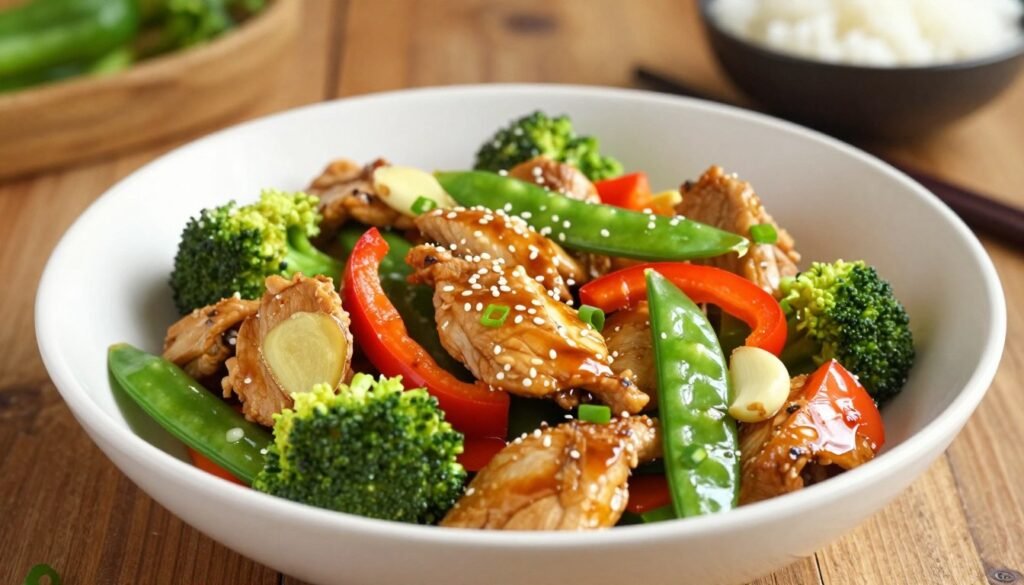
A quick stir-fry can turn fridge odds and ends into a bold, ready-in-minutes dinner.
Denise Patterson from Bainbridge, Ohio, calls this stir-fry her go-to when hunger hits. Dice chicken and toss it in a hot pan with sliced peppers and tomatoes for bright flavor.
Finish with a simple peanut or soy sauce to coat everything. This version lets you use leftover protein and cut prep time to just a few minutes.
You can serve the dish over rice or noodles, or try it with pasta for a twist. Swap in turkey or a light sausage for variety.
Many cooks build a lighter takeout-style recipe that stays near 400 calories per serving. Each stir fry recipe aims to deliver solid protein while keeping flavors bold.
- Quick prep: cook protein first, then vegetables, then toss with sauce.
- Mix-ins: peppers, tomato, and scallions add texture and color.
- Leftovers: peanut chicken is a great repeatable recipe for busy weeknights.
| Component | Cook Time | Notes |
|---|---|---|
| Chicken & Peppers | 10 minutes | High protein, fast |
| Peanut Sauce Toss | 2 minutes | Bold flavor, low fuss |
| Serve | 0 minutes | Over rice or noodles, per serving estimate |
Creative Ways to Use Leftover Ingredients
Leftovers can be a launchpad for creative plates that taste fresh and save time. You only need a few smart swaps to remake food into something you want to eat again.
Turn cold rice into a bright salad by tossing it with chopped herbs, diced tomatoes, and a splash of citrus. Add shredded chicken for protein and a crunchy topping for texture.
Swap baked potato or roasted potatoes for a base and fold in cubed sweet potato, greens, and a warm sauce to wake up flavors. This approach makes a quick meal you can pack for lunch.
Store leftovers properly: cool within two hours and refrigerate in shallow containers so your ingredients stay safe and fresh. A short prep step—reheating or chopping—often is all you need.
- Mix a bold dressing to change the profile of last night’s food.
- Repurpose one protein across multiple bowls to save time and money.
- Label and date containers so you use items before they lose quality.
Vegetarian and Vegan Options for Plant-Based Nutrition
Plant-forward dinners can be bold, filling, and easy to prep for busy nights.
Use colorful peppers, spinach, and tomatoes to build volume and flavor. Amber Massey’s stuffed pepper idea shows how a Southwest twist makes peppers the star of a satisfying plate.
Add beans, lentils, or firm tofu to boost protein and fiber. A warm vegetable pot or a pasta dish with roasted tomatoes and spinach can feel like classic comfort food without meat.
Keep prep simple: roast a tray of mixed veg, cook a pot of rice or noodles, and combine with a bean-based sauce. You can also top a salad with chickpeas or yogurt-based dressings for extra texture.
- Customize: swap in your favorite vegetables or plant proteins.
- Batch cook: make larger portions to freeze or reheat later.
- Contrast: use a shredded mock sausage or a touch of cheese to satisfy cravings.
| Recipe | Main Plant Protein | Notes |
|---|---|---|
| Stuffed Peppers | Beans & lentils | Southwest spices, inspired by Amber Massey |
| Hearty Vegetable Pot | Chickpeas | Slow-simmered, freezer friendly |
| Tomato & Spinach Pasta | Tofu crumbles | Classic comfort food feel, light swap for sausage |
Tips for Balancing Macros in Your Meals
A clear macro plan keeps your energy steady and your grocery list focused.
Start with protein at each plate. Aim for a portion that supports muscle and satiety. Lean cuts, beans, or canned fish work well and are quick to portion.
Use a simple sauce or dressing to lift a salad without adding excess fat. A yogurt-based or vinegar-forward dressing adds flavor and keeps ratios in check.
Adopt a short weekly prep habit. Cook a batch of grains and a couple of protein options. Then assemble plates fast so you stay consistent.
Try a lighter version of a favorite dish to protect macros and still enjoy flavor. Small swaps—grilled instead of fried, beans instead of sausage—make a big difference.
- Balance: include protein, healthy fat, and a complex carb each time.
- Portion: measure once, then eyeball future servings.
- Plan: rotate proteins to cover nutrients and avoid boredom.
| Focus | Example | Goal |
|---|---|---|
| Protein | Grilled chicken, chickpeas | Satisfy hunger |
| Carb | Quinoa, sweet potato | Stable energy |
| Fat | Olive oil, avocado | Satiety & absorption |
Quick note: the recipes in this guide all aim to make macro balance easy so you can meet goals without extra stress.
Essential Pantry Staples for Low-Calorie Cooking
Smart shopping for pantry basics saves time and keeps flavor high when you need to prep fast. Keep a short list of versatile ingredients so you can pull together a satisfying plate any evening.
Focus on items that mix and match well. Stock sweet potato and regular potatoes for volume and fiber. Add a jarred sauce and a block of cheese for instant flavor boosts.
- Shelf-stable grains and canned beans—quick protein and long storage life.
- Spinach and other greens—brighten bowls and increase volume without extra prep.
- Lean sausage or canned fish—easy protein that reheats or tosses into a pan.
- Sauce jars, olive oil, and basic spices—lift taste with minimal effort.
- Versatile cheeses—use sparingly to add richness while keeping the calorie count low.
| Item | Primary Use | Quick Tip |
|---|---|---|
| Sweet potato | Roast or mash | Roast cubes for fast bowls |
| Spinach | Salads & sautés | Wilt into warm dishes in 1–2 minutes |
| Potato | Roast or pan-fry | Par-cook in microwave to speed prep |
Keep staples simple. With a few smart purchases you’ll save time, cut waste, and make low calorie dinners easier to pull together any night of the week.
How to Customize Recipes to Fit Your Goals
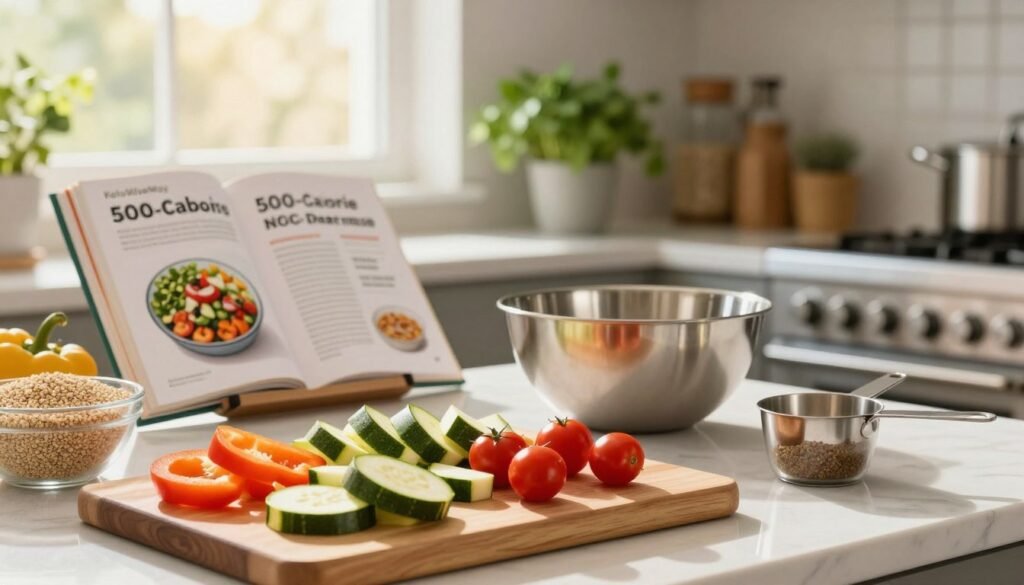
Fine-tuning recipes helps you match plates to your goals without losing taste.
Start small: swap a higher-fat ingredient for a leaner one, cut a portion of grain, or add extra vegetables to boost volume. These edits often lower the overall calorie count while keeping flavor.
Set a clear target—say 400 calories or 500 calories—then build a simple checklist: protein, veg, and a modest carb. Measure once, tweak next time.
Most adjustments take only a few minutes. Trim oil, use a lighter sauce, or halve a garnish. These fast swaps create a lighter version you’ll want to eat again.
- Swap: grilled chicken for fried to cut fat.
- Stretch: add greens to increase volume without much cost.
- Measure: portion rice or pasta to control the total calorie per serving.
| Swap | Impact | Time |
|---|---|---|
| Fried → Grilled | Lower fat, more protein | 5 minutes |
| Full sauce → Light sauce | Fewer added fats | 2 minutes |
| Large carb → Veg boost | Smaller calorie load | 3 minutes |
Try edits and track the results. Each recipe can be modified to fit your plan and still taste great.
Conclusion
You can build a rotating menu of quick recipes that make planning simple and keep your week on track. Start with a few favorites, batch a couple of components, and assemble plates in minutes.
Focus on balance and easy prep—lean protein, vibrant produce, and a small grain or side—so each dinner feels satisfying and energizing. Consistency matters more than perfection.
Try one recipe tonight and track how it fits your routine. With a short list of go-to options, staying near 500 calories becomes practical, not restrictive.
Keep experimenting. Swap spices, switch proteins, and make the plan yours. Small changes add up and help you meet your goals while still enjoying what you eat.